


Space Brief 12 Jan 2025
Today's briefing covers significant events including launch delays for SpaceX's Starship and Blue Origin's New Glenn, BepiColombo's landmark Mercury flyby, and the impact of Los Angeles fires on the space community.


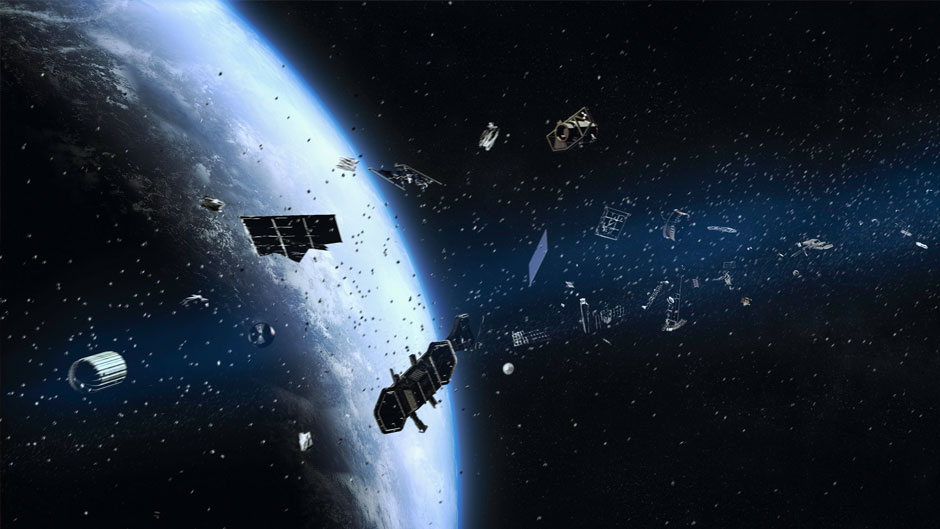
Launch Date
August 9, 2010
Launch Site
TAISC
Launch Pad
LC9
Launch Vehicle
Chang Zheng 4C
NORAD ID
37567
International Designator
2010-038C
Epoch
Sat, 04 Jul 2026 11:37:08 GMT
Apogee
Calculating...
Perigee
Calculating...
Inclination
97.73°
Right Ascension
17.80°
Eccentricity
Calculating...
Argument of Perigee
161.25°
Period
95.67 min
Mean Motion
15.05 rev/day
Latitude
Calculating...
Longitude
Calculating...
Altitude
Calculating...
Velocity
Calculating...
Name
CZ-4C DEB
Alternative Name
CZ-4C ullage motor cover
Type
Status
Owner
CNSA
Country
China
Constellation
N/A
Related Satellites
Major Events
N/A
1 37567U 10038C 26185.48412719 .00029063 00000+0 19322-2 0 9996
2 37567 97.7295 17.7965 0067640 161.2529 229.9291 15.05227433845141
Source: Celestrak
Length
0
Diameter
0
Span
0
Dry Mass
0
Launch Mass
0
Shape
N/A
Radar Cross Section
0.0013
Visual Magnitude
Unknown
Color
Unknown
Material Composition
Unknown
Payload
Unknown
Purpose
Unknown
Mission
Unknown
Manufacturer
Unknown
Life Expectancy
Unknown
Bus
Unknown
Configuration
Unknown
Motor
Unknown
Equipment
Unknown
Power System
Unknown
ADCS
Unknown
Transmitter Frequency
Unknown
Learn more about satellites and other related topics.
Today's briefing covers significant events including launch delays for SpaceX's Starship and Blue Origin's New Glenn, BepiColombo's landmark Mercury flyby, and the impact of Los Angeles fires on the space community.
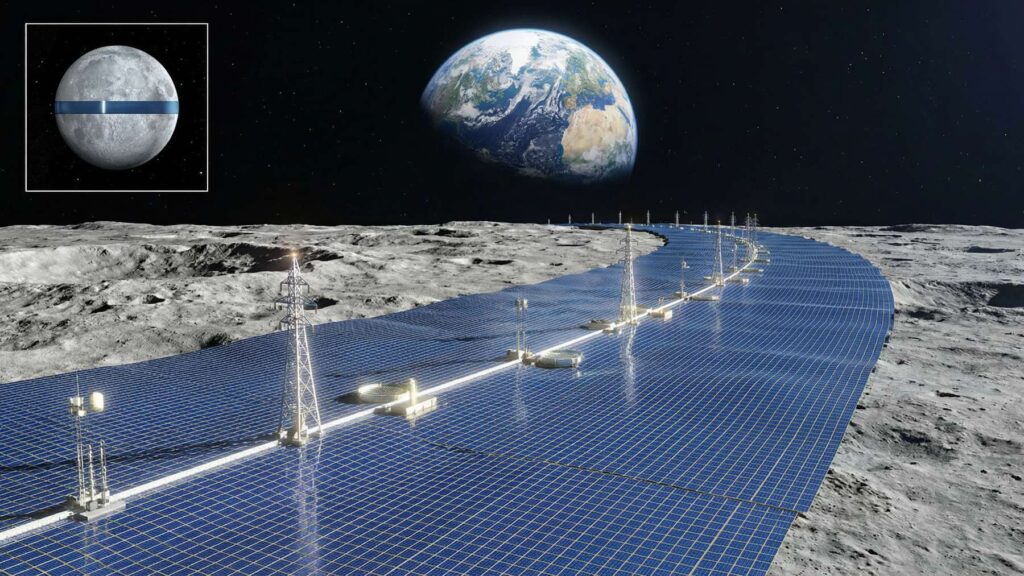
A 220-year-old Japanese construction company wants to build an 11,000-kilometer belt of solar cells around the lunar equator and beam the power back to Earth. The physics checks out. Everything else is another story.

SpaceX successfully launched the SXM-10 satellite for SiriusXM and prepares for the Ax-4 mission to the ISS amid political tensions involving Elon Musk and President Trump.

Crew-11 astronauts arrive in Houston following first-ever ISS medical evacuation. Starlink continues robust satellite deployment schedule with ongoing constellation expansion.
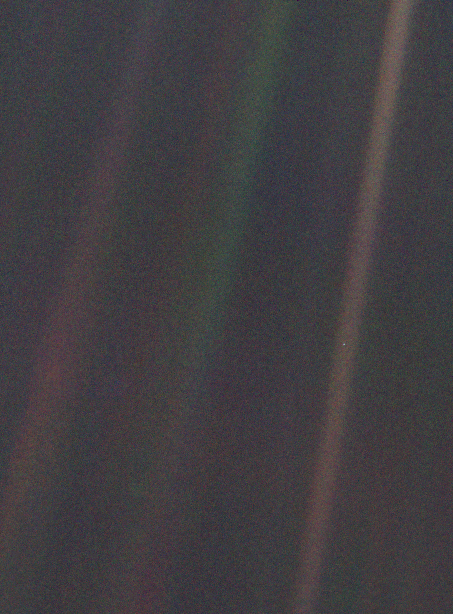
Thirty-five years ago, Voyager 1 captured a revolutionary series of images from the edge of our solar system, forever changing how humanity sees its place in the cosmos
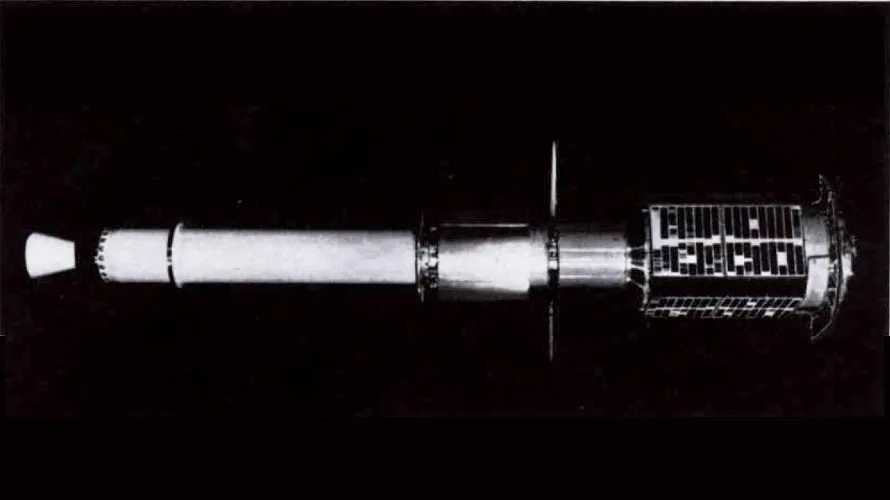
On April 27, 1961, a Scout rocket lifted a 37-kilogram NASA satellite into orbit from Wallops Island carrying the first serious instrument for detecting cosmic gamma rays. Explorer 11 operated for seven months before its tape recorder failed. In that time it registered 22 gamma-ray photons - a pitiful number by modern standards, but enough to launch an entire branch of astronomy.
SpaceX prepares for Starship Flight 8 with successful booster static fire; Starlink continues its expansion.
Today's space news highlights include U.S. military satellite deployments, innovative AI aboard the Chinese space station, and breakthroughs in interplanetary communications.