

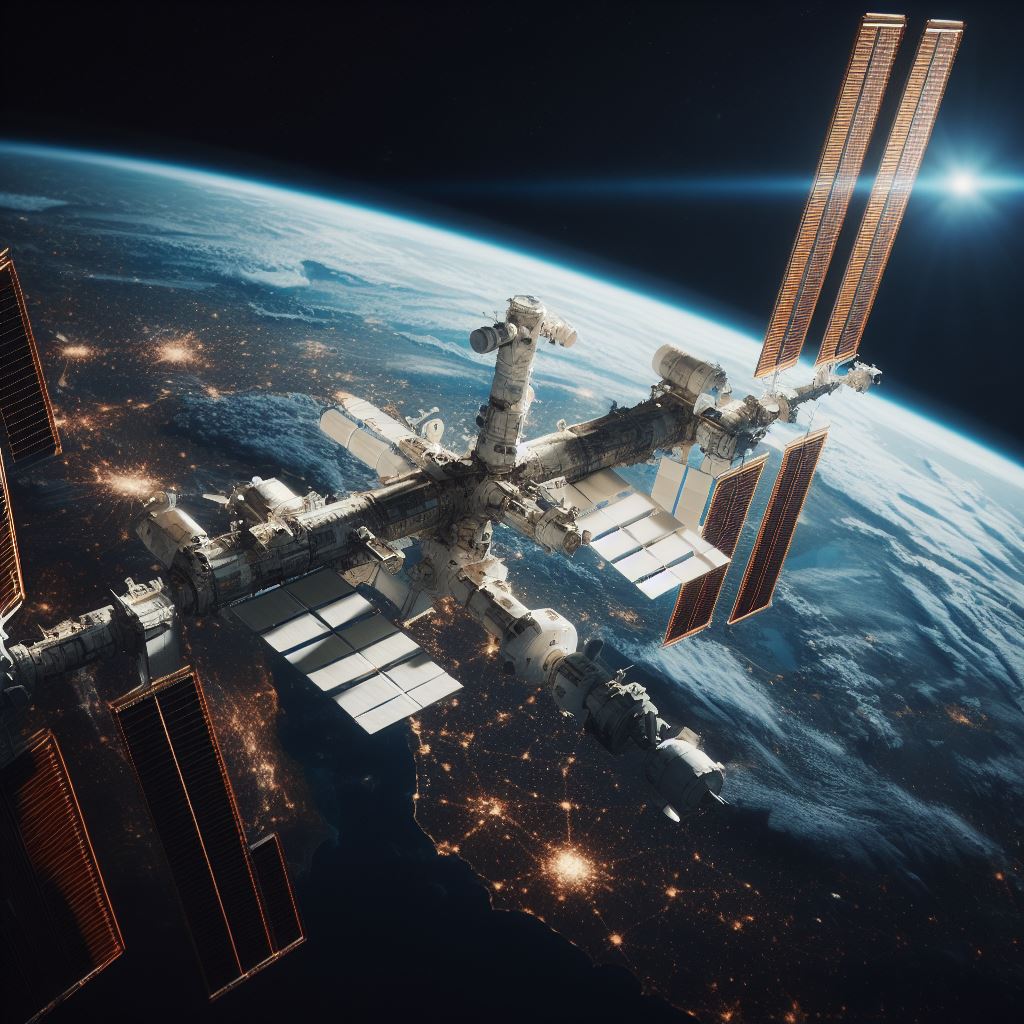
The Evolution of Space Stations
A brief journey through the evolution of space stations, delving into Russia's Mir, the International Space Station, China's Tiangong, and envisioning the future of orbital habitats.


Launch Date
June 16, 1993
Launch Site
PLMSC
Launch Pad
LC132/1
Launch Vehicle
Kosmos 11K65M
NORAD ID
37544
International Designator
1993-036BNZ
Decay Date
4/20/2023
Name
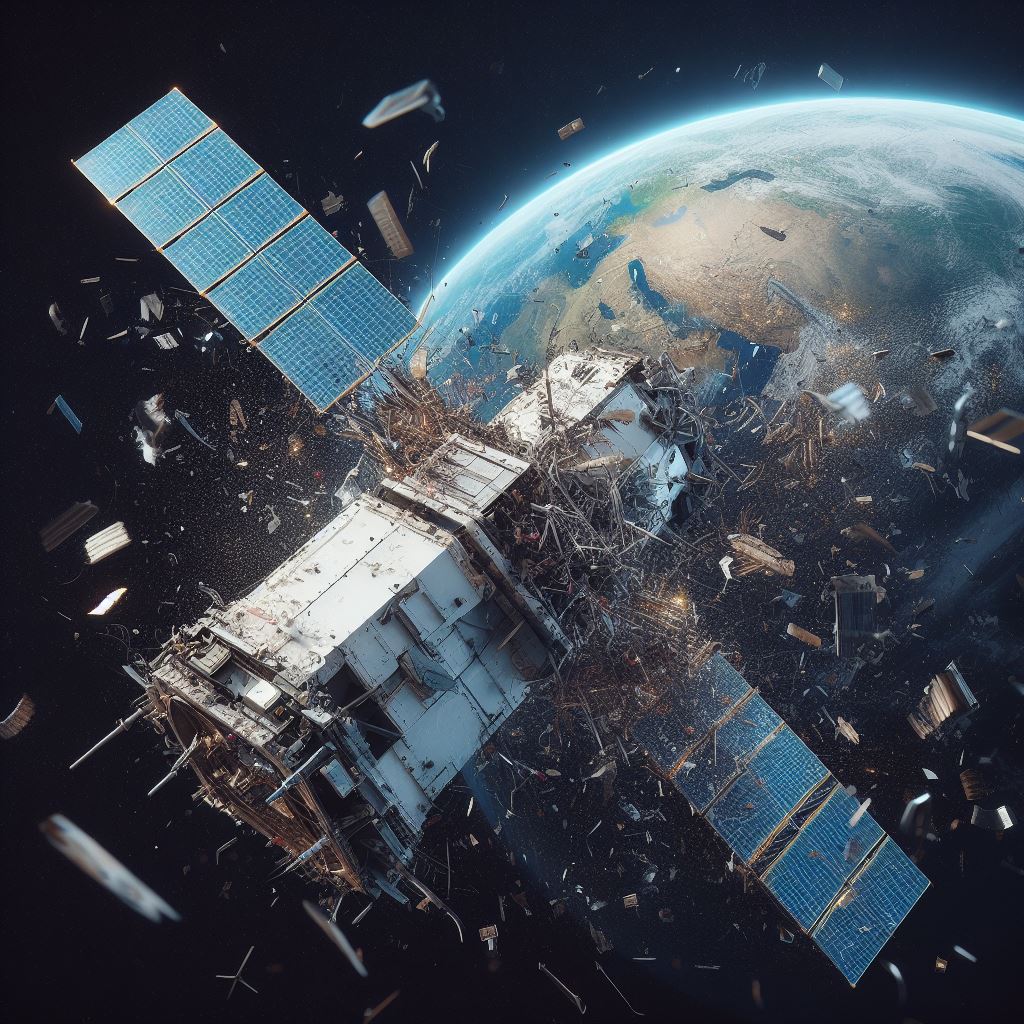
COSMOS 2251 DEB
Alternative Name
deb Kosmos-2251
Type
Status
Owner
KVR
Country
Russia
Constellation
N/A
Related Satellites
Major Events
N/A
Length
0
Diameter
0
Span
0
Dry Mass
0
Launch Mass
0
Shape
N/A
Radar Cross Section
0.014
Visual Magnitude
Unknown
Color
Unknown
Material Composition
Unknown
Payload
Unknown
Purpose
Unknown
Mission
Unknown
Manufacturer
Unknown
Life Expectancy
Unknown
Bus
Unknown
Configuration
Unknown
Motor
Unknown
Equipment
Unknown
Power System
Unknown
ADCS
Unknown
Transmitter Frequency
Unknown
Learn more about satellites and other related topics.
A brief journey through the evolution of space stations, delving into Russia's Mir, the International Space Station, China's Tiangong, and envisioning the future of orbital habitats.
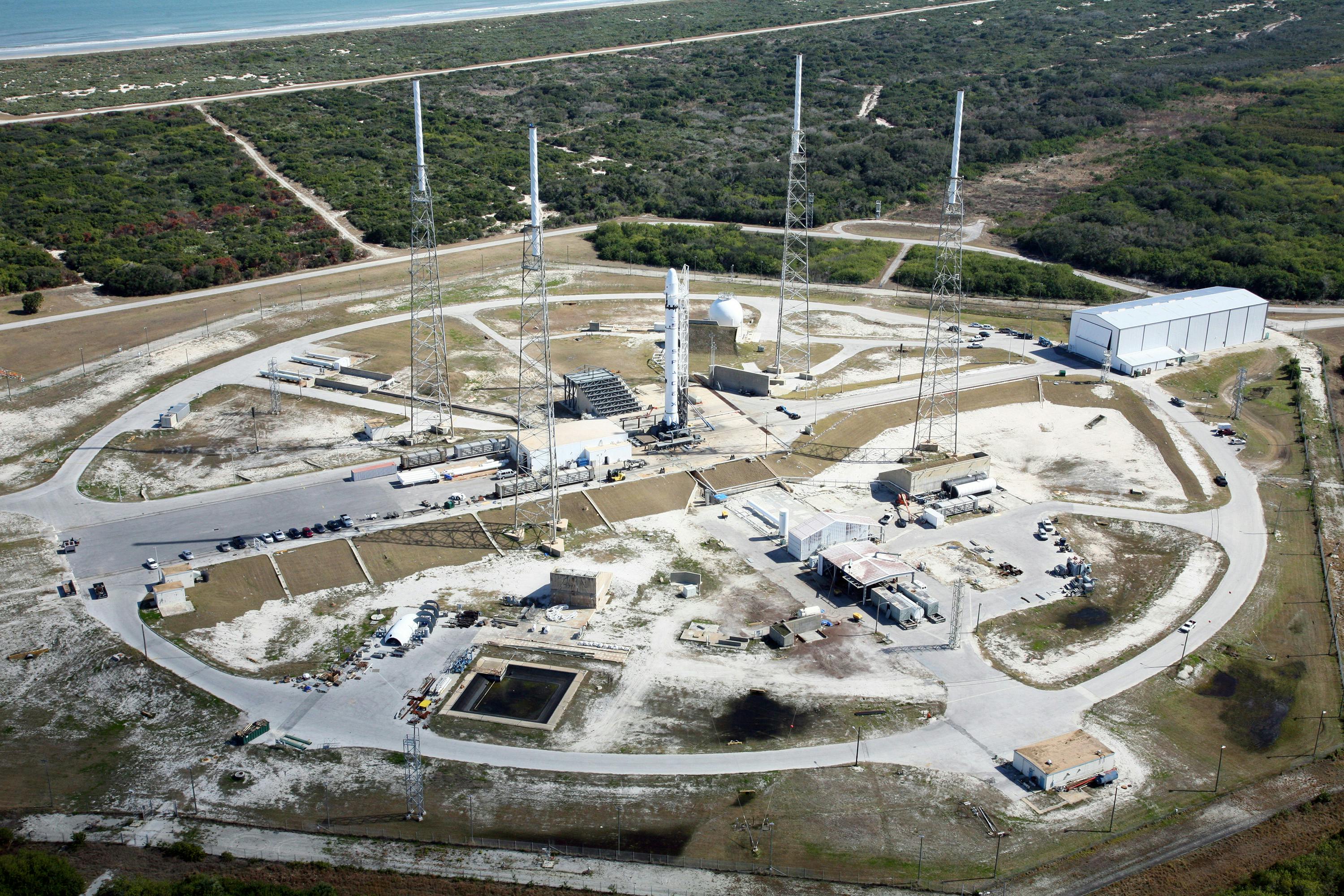
SpaceX's pivotal role in setting a new global launch record and the upcoming launch of the Thuraya 4-NGS satellite are spotlighted today.

SpaceX engineers are overhauling Starbase launch infrastructure for Block 3 Starships as Falcon 9 prepares another Starlink batch run.
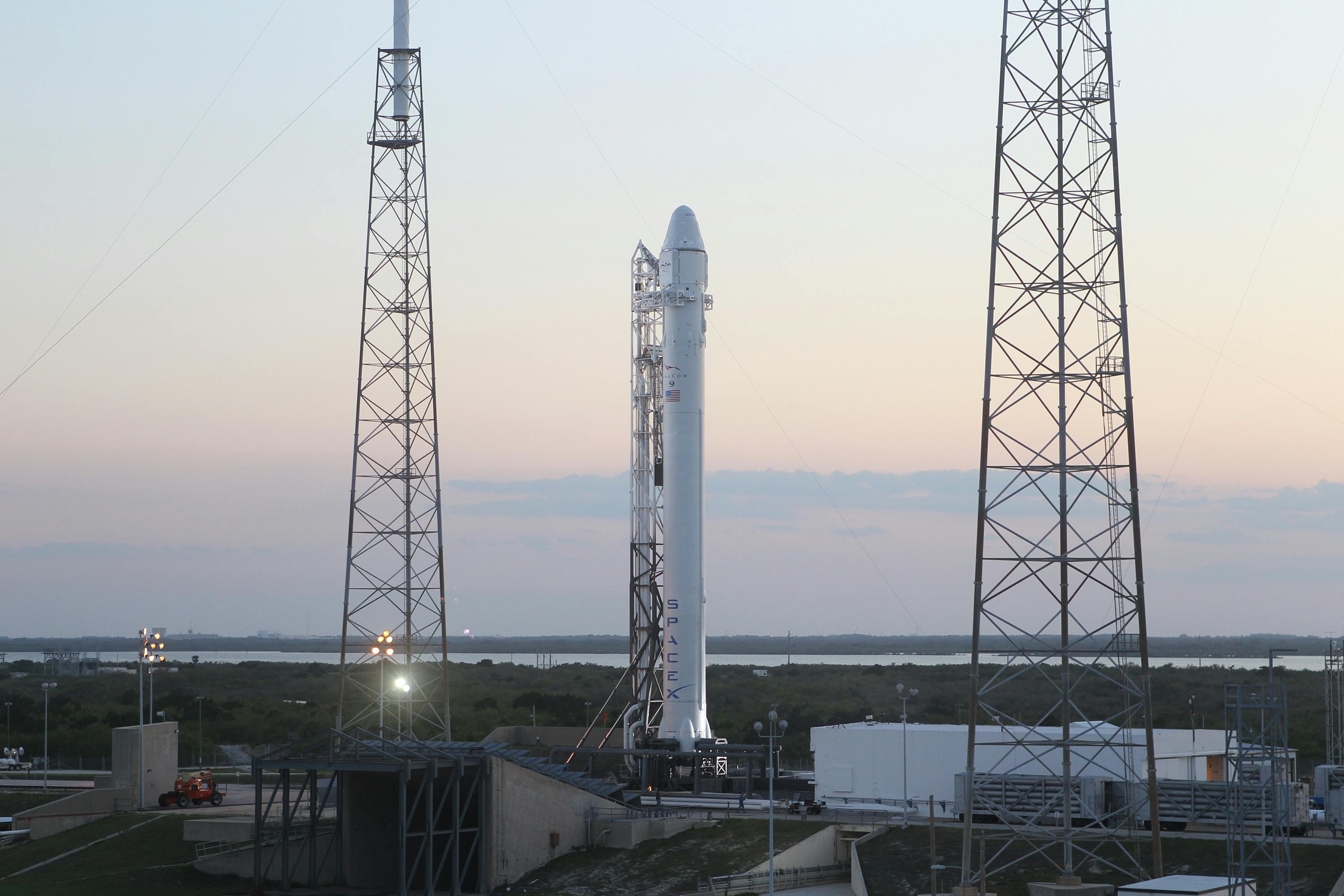
SpaceX continues to expand its Starlink network with multiple launches and gains momentum in international markets, while revisiting launch tariffs and new regulations.

SpaceX concludes a wet dress rehearsal for Starship Flight 7, aiming for the largest rocket launch on January 15 after weather delays.
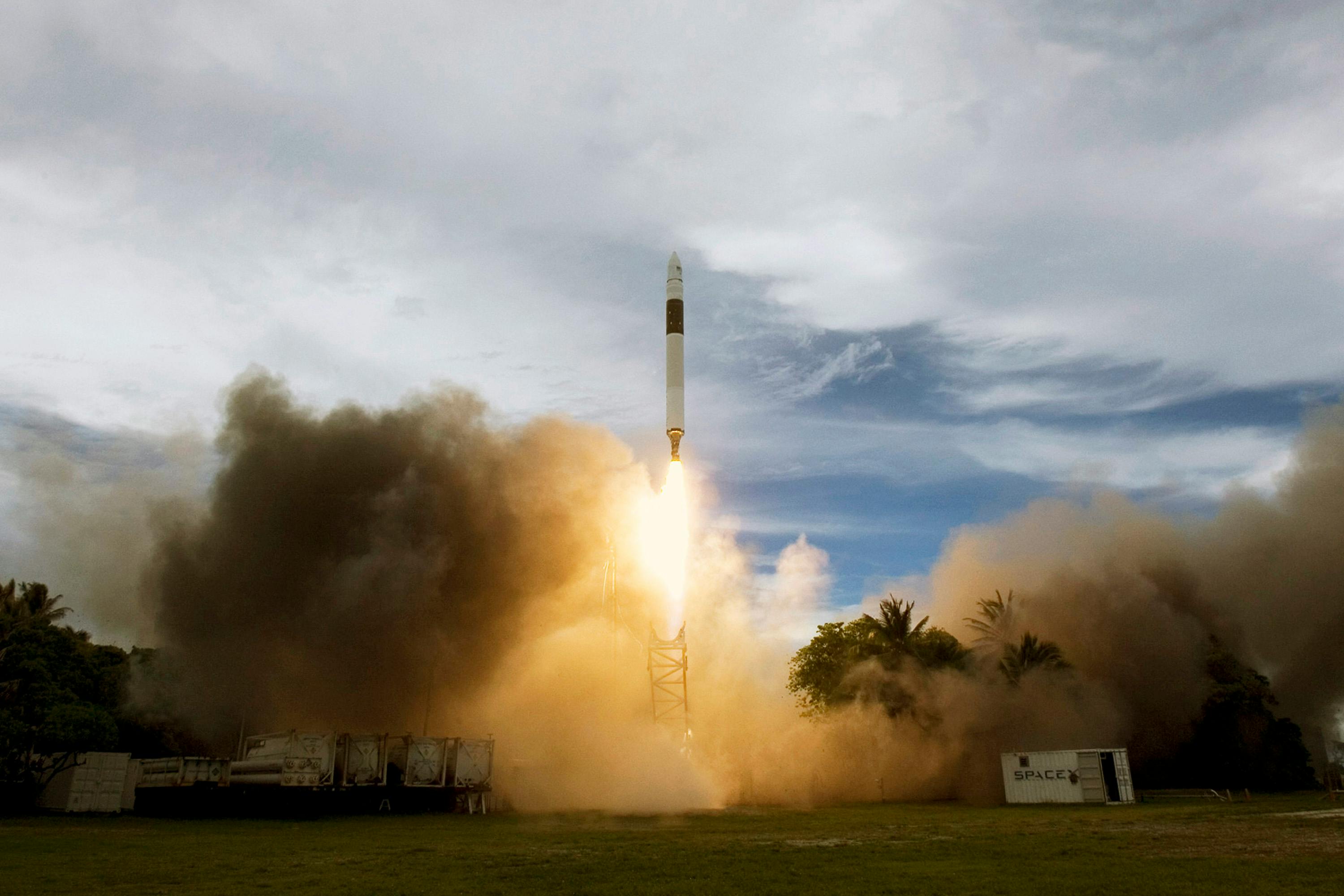
SpaceX faces a new lawsuit from Texas residents alleging Starship launches caused property damage, just as V3 flight preparations ramp up.

Today's Space Brief covers the latest developments in space debris detection, Ursa Major's defense push, and SpaceX's Starlink launch. Additionally, insights into microreactors for military bases, US Cyber Command updates, and gravitational wave discoveries are highlighted.

On April 22, 2026, the FAA published a final rule implementing per-launch user fees for commercial space transportation — the first time the U.S. government has charged payload-based fees for rocket launches. Starting at 25 cents per pound with a $30,000 cap, the fees are modest today. By 2033, they won't be.