

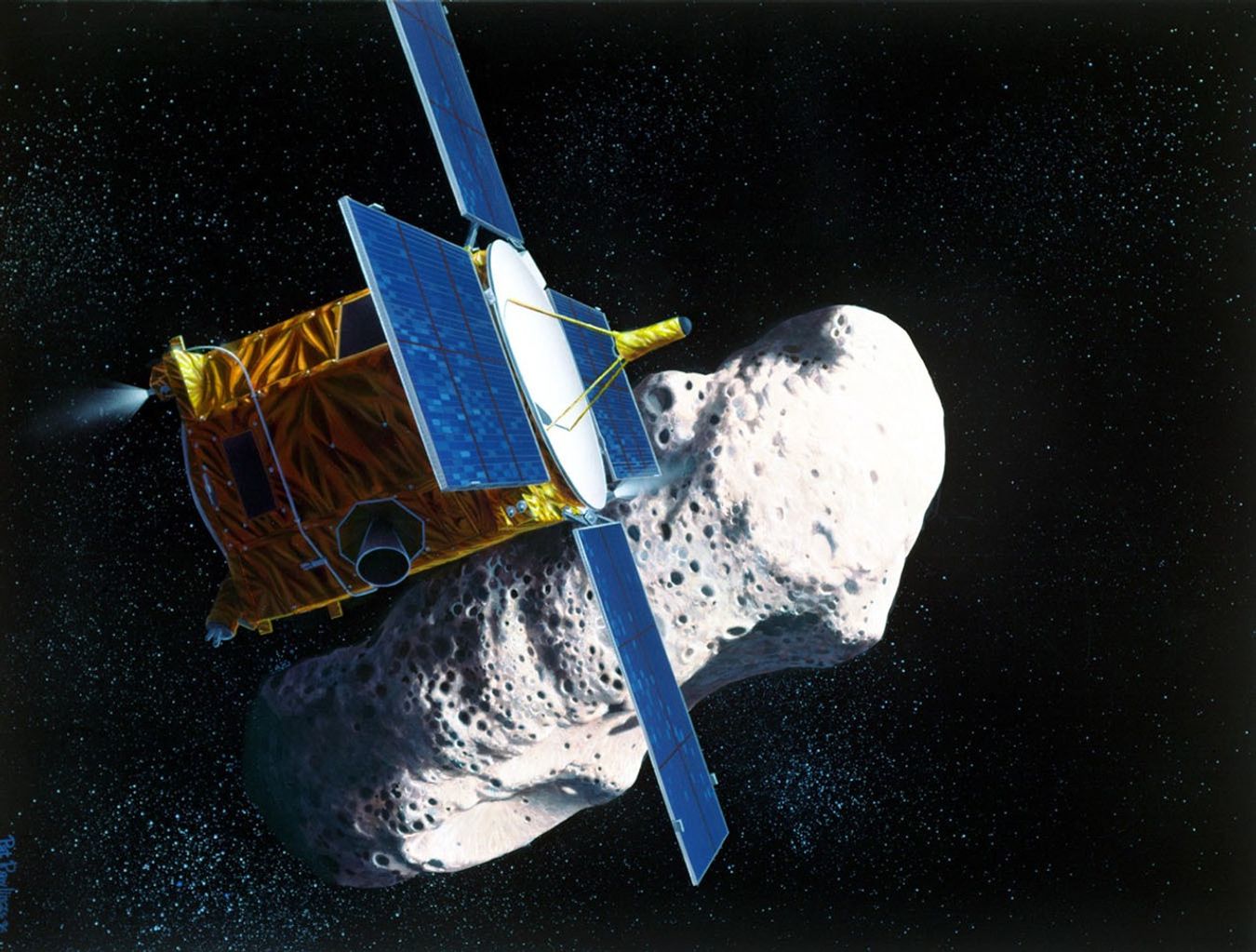
The Day Humanity First Touched an Asteroid
Twenty-four years ago, a spacecraft designed only to orbit made history with an improvised landing on asteroid Eros, marking humanitys first controlled touchdown on a small celestial body


Launch Date
August 27, 1962
Launch Site
Launch Pad
Unknown
Launch Vehicle
Unknown
NORAD ID
00375
International Designator
N/A
Decay Date
Unknown
Name
ATLAS AGENA B R/B
Alternative Name
Agena B 6902
Type
Status
Owner
MSFC
Country
United States
Constellation
N/A
Related Satellites
Major Events
N/A
Length
6.3
Diameter
1.5
Span
6.3
Dry Mass
715
Launch Mass
3050
Shape
Cyl
Radar Cross Section
0.0018
Visual Magnitude
Unknown
Color
Unknown
Material Composition
Unknown
Payload
Agena B 6902
Purpose
Unknown
Mission
Unknown
Manufacturer
LMSC
Life Expectancy
Unknown
Bus
Agena B
Configuration
Unknown
Motor
Unknown
Equipment
Unknown
Power System
Unknown
ADCS
Unknown
Transmitter Frequency
Unknown
Learn more about satellites and other related topics.
Twenty-four years ago, a spacecraft designed only to orbit made history with an improvised landing on asteroid Eros, marking humanitys first controlled touchdown on a small celestial body
Today's updates focus on significant developments in U.S. national security space launches, Army space training, potential shifts in satellite procurement strategies, and the Meteor 2-21 satellite.
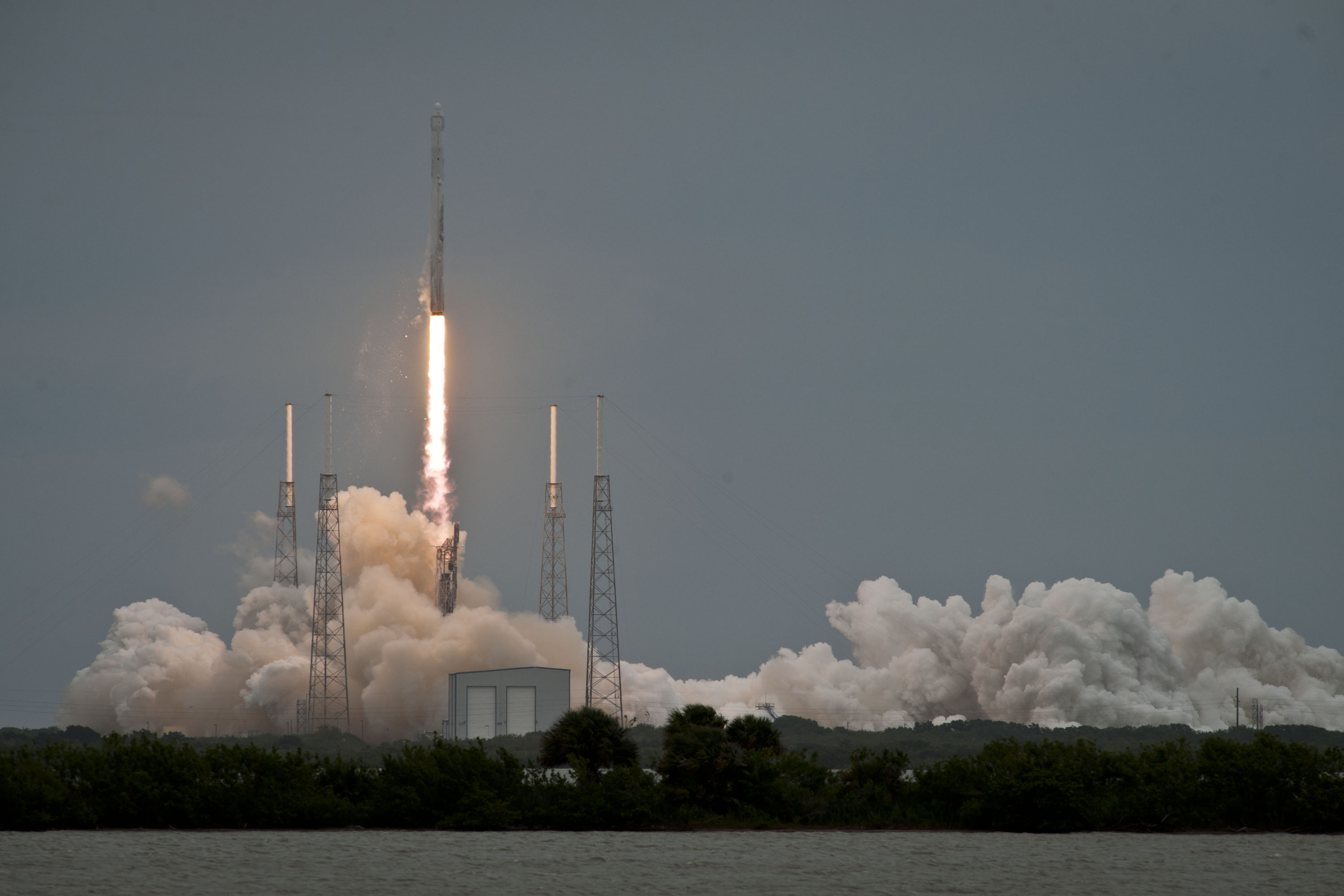
On April 18, 2014, a Falcon 9 first stage did something no orbital rocket had ever done before. It fired its engines on the way down, steered itself through the atmosphere using grid fins that did not yet exist, and touched the Atlantic Ocean softly enough to survive the impact. Nobody recovered it. The data was the whole point.

Today's briefing covers Rocket Lab's plans following a record-breaking year, efforts to recover NASA's MAVEN orbiter, and the potential relocation of space shuttle Discovery.

Fourteen years ago, Space Shuttle Discovery thundered into orbit one last time, carrying a robot astronaut and capping a remarkable 27-year career that revolutionized space exploration
FAA documents expose SpaceX's Starfall reentry vehicle program, targeting in-space manufacturing support as the Starlink constellation holds 10,397 working satellites.
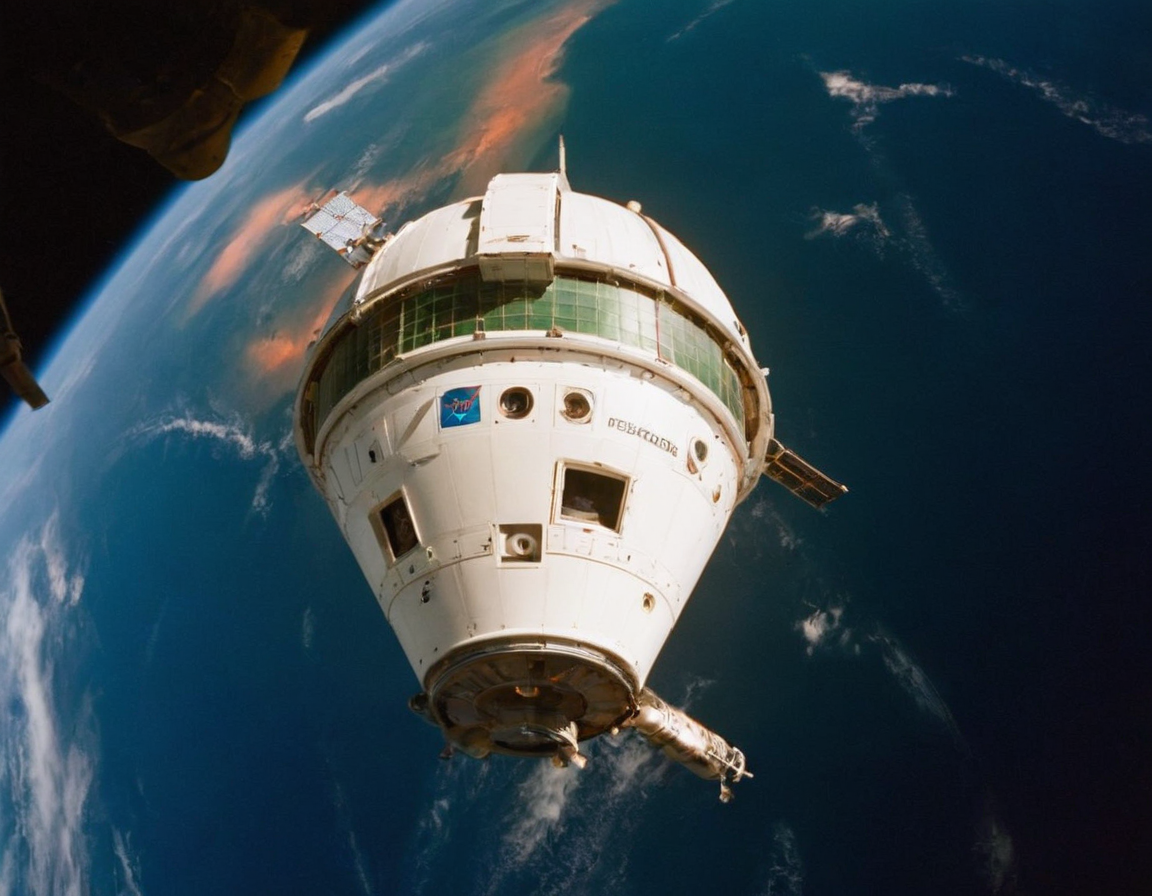
Boeing's Starliner spacecraft encounters thruster problems and helium leaks during its first crewed mission, potentially delaying the return of NASA astronauts from the International Space Station.
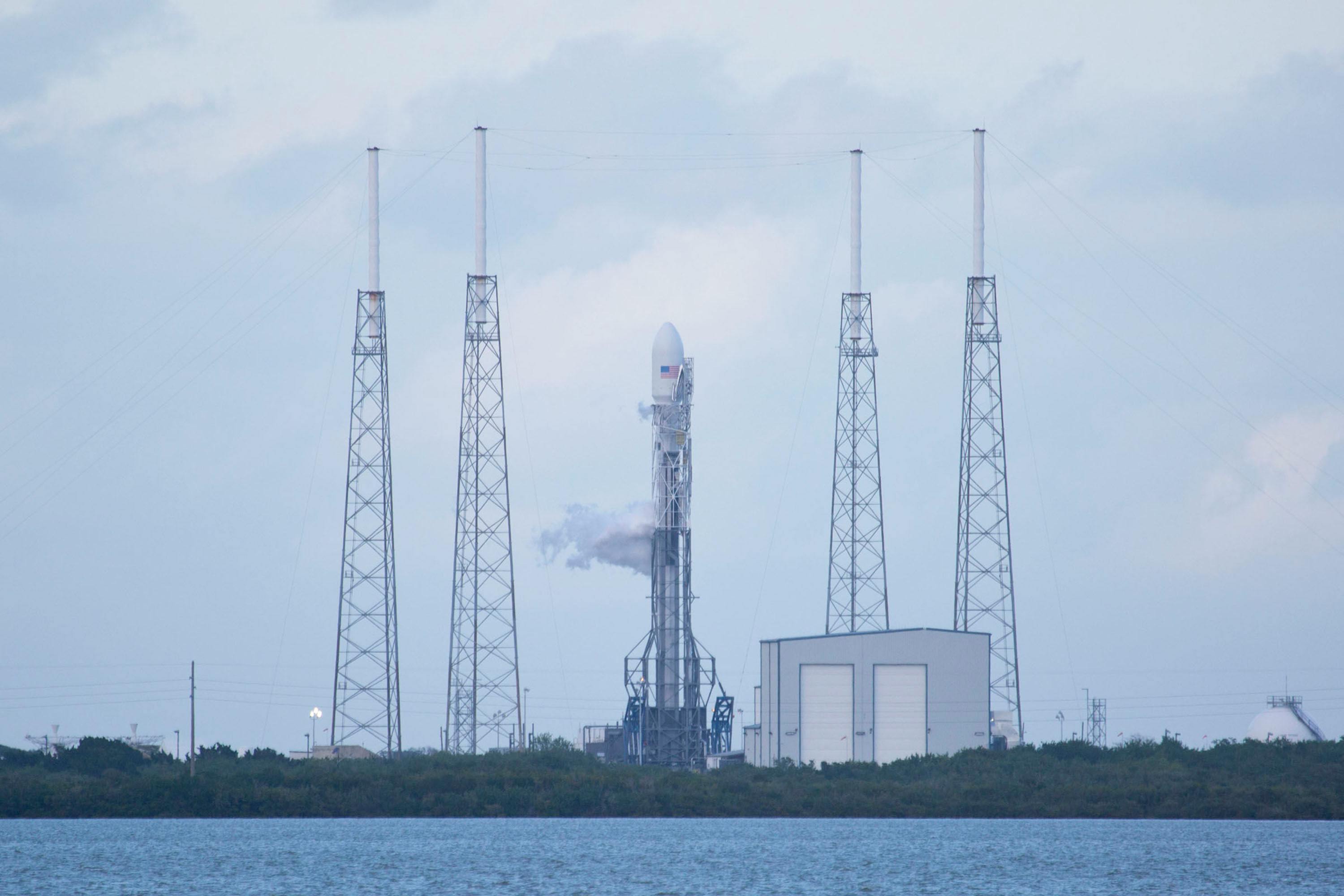
SpaceX cancels Texas land-swap deal amid growing Starship presence and launches 20 Starlink satellites using the 400th Falcon 9 rocket.