FENGYUN 1C DEB (37473)

COSPAR: 1999-025EJT | Alt Name: deb FY-1C
DECAYED

Image
FENGYUN 1C DEB Satellite Image
Additional Sources
Launch Details

Launch Date

May 10, 1999

Launch Site

TAISC

Launch Pad

LC7

Launch Vehicle

Chang Zheng 4B

Orbital Elements

NORAD ID

37473

International Designator

1999-025EJT

Decay Date

11/1/2024

Basic Satellite Info

Name

FENGYUN 1C DEB

Alternative Name

deb FY-1C

Type

Debris

Status

Space Junk

Owner

CASC

Country

China

Constellation

N/A

Related Satellites

Major Events

N/A

Summary
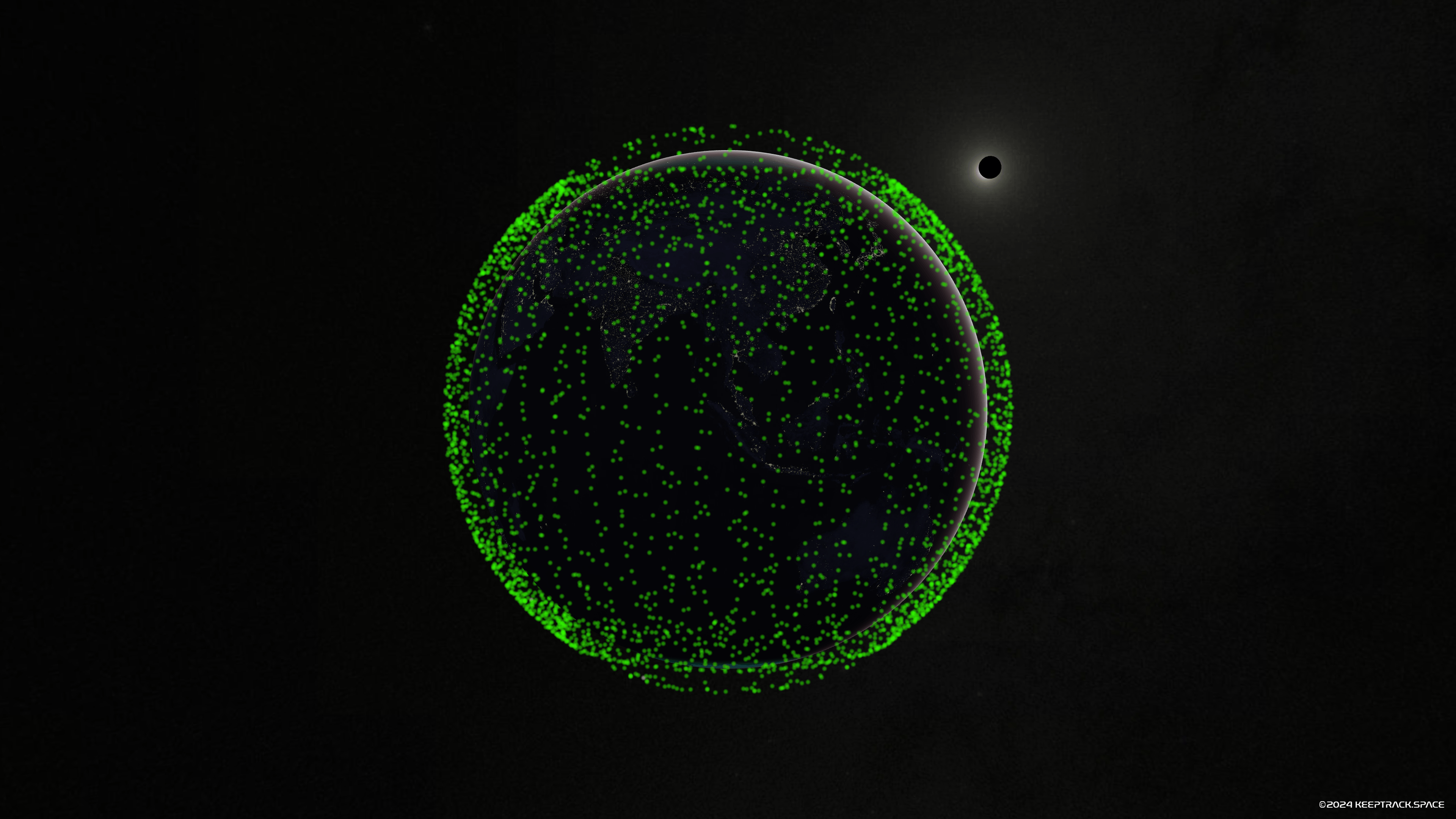
Space debris, also known as space junk, encompasses all non-functional objects orbiting Earth such as defunct satellites, spent rocket stages, and fragments from collisions or disintegrations. Over time, this debris can accumulate and create an increasingly hazardous environment in orbit. Even tiny fragments, traveling at extremely high velocities, can inflict significant damage on operational satellites and spacecraft. If left unmanaged, the density of debris raises the risk of catastrophic collisions and further fragmentation, compounding the problem and threatening the safety and sustainability of space activities.
Physical Characteristics

Length

0

Diameter

0

Span

0

Dry Mass

0

Launch Mass

0

Shape

N/A

Radar Cross Section

0.0113

Visual Magnitude

Unknown

Color

Unknown

Material Composition

Unknown

Technical Details

Payload

Unknown

Purpose

Unknown

Mission

Unknown

Manufacturer

Unknown

Life Expectancy

Unknown

Bus

Unknown

Configuration

Unknown

Motor

Unknown

Equipment

Unknown

Power System

Unknown

ADCS

Unknown

Transmitter Frequency

Unknown

Satellite Articles

View All Posts »

Learn more about satellites and other related topics.

Starlink Satellites Dominate Earth's Orbit

Starlink Satellites Dominate Earth's Orbit

SpaceX's Starlink constellation has grown at an astonishing rate, now accounting for over 20% of all trackable objects in orbit. With plans for tens of thousands more, Starlink is on the cusp of forever changing the landscape of Earth's near-space environment.

Space Force Forecasts 25 Extra Heavy-Lift Missions Through 2029 | KeepTrack Space Brief

Space Force Forecasts 25 Extra Heavy-Lift Missions Through 2029 | KeepTrack Space Brief

Space Force projects 25 additional high-energy missions in 2027–2029 window, straining capacity at Vulcan and Falcon Heavy. Capacity constraints will drive military-NASA prioritization debates.

Pentagon Gives Anthropic Friday Deadline on AI Policy, Vulcan Still Grounded | KeepTrack Space Brief

Pentagon Gives Anthropic Friday Deadline on AI Policy, Vulcan Still Grounded | KeepTrack Space Brief

Pentagon gives Anthropic Friday deadline to loosen military AI policy. Space Force keeps Vulcan grounded over booster issue. Funding boost speeds missile-tracking satellites.

SpaceX Accuses Amazon of Debris Violations at FCC | KeepTrack X Report

SpaceX Accuses Amazon of Debris Violations at FCC | KeepTrack X Report

SpaceX filed an FCC complaint against Amazon over orbital debris violations as Starship V3 gets a maiden voyage date and a $178.5M Space Force deal lands.

Air Force One Gets Starlink, Astrobotic Acquired | KeepTrack Space Brief

Air Force One Gets Starlink, Astrobotic Acquired | KeepTrack Space Brief

Trump's interim Air Force One—a $400M Boeing 747-8—equipped with Starlink for presidential communications. First confirmed LEO constellation use for White House comms.

Space Brief 25 Oct 2025

Space Brief 25 Oct 2025

Today's brief covers significant growth forecasts for global defense satellite communications, the integration of hypersonic missiles, cyber authority expansion in the Army, and more pivotal military developments.

Space Brief 21 Aug 2024

Space Brief 21 Aug 2024

Recent Starlink launches, autonomous navigation for satellite swarms, major funding for asteroid mining, and insights into NASA's various projects and developments.

Artemis 2 Crew First Lunar-Bound Humans Since 1972 | KeepTrack Space Brief

Artemis 2 Crew First Lunar-Bound Humans Since 1972 | KeepTrack Space Brief

Artemis 2 Orion carries first humans toward the Moon in 53 years. Spacecraft in good health after trans-lunar injection; lunar flyby observation plan due April 6.