USA 229 DEB (37391)

COSPAR: 2011-014B | Alt Name: USA 229 P/L 2
DECAYED

Image
USA 229 DEB Satellite Image
Additional Sources
Launch Details

Launch Date

April 15, 2011

Launch Site

AFWTR

Launch Pad

SLC3E

Launch Vehicle

Atlas V 411

Orbital Elements

NORAD ID

37391

International Designator

2011-014B

Decay Date

Unknown

Basic Satellite Info

Name

USA 229 DEB

Alternative Name

USA 229 P/L 2

Type

Debris

Status

Space Junk

Owner

NROC/USN

Country

United States

Constellation

N/A

Related Satellites

Major Events

N/A

Summary
Space debris, also known as space junk, encompasses all non-functional objects orbiting Earth such as defunct satellites, spent rocket stages, and fragments from collisions or disintegrations. Over time, this debris can accumulate and create an increasingly hazardous environment in orbit. Even tiny fragments, traveling at extremely high velocities, can inflict significant damage on operational satellites and spacecraft. If left unmanaged, the density of debris raises the risk of catastrophic collisions and further fragmentation, compounding the problem and threatening the safety and sustainability of space activities.
Physical Characteristics

Length

2

Diameter

2

Span

2

Dry Mass

1000

Launch Mass

1000

Shape

Cyl

Radar Cross Section

Unknown

Visual Magnitude

Unknown

Color

Unknown

Material Composition

Unknown

Technical Details

Payload

INTRUDER 10

Purpose

Ocean Surveillance, ELINT

Mission

Ocean Surveillance, ELINT

Manufacturer

LMSSD

Life Expectancy

Unknown

Bus

NOSS-3

Configuration

?

Motor

?

Equipment

?

Power System

Solar arrays, batteries

ADCS

Unknown

Transmitter Frequency

Unknown

Satellite Articles

View All Posts »

Learn more about satellites and other related topics.

The Day the Soviets Built a World in Orbit

The Day the Soviets Built a World in Orbit

Forty years ago today, the USSR launched a 20-ton aluminum cylinder into low Earth orbit and called it 'Peace.' Over the next 15 years, Mir would host 104 people from 12 countries, survive a fire and a collision, and quietly teach humanity how to live in space.

Space Brief 28 Jul 2025

Space Brief 28 Jul 2025

Today's highlights include SpaceX's rapid Starlink launches, insights into China's Mars sample return mission, and ULA's future launch plans. Also, a new Space Force general takes the reins of the U.S. missile defense program.

X Report 1 Jul 2025

X Report 1 Jul 2025

SpaceX gears up for an exciting July with a doubleheader launch planned for the east coast and ongoing advancements in Starlink technology.

Pentagon Pulls the Plug on GPS OCX | The $8 Billion Ground System That Never Worked

Pentagon Pulls the Plug on GPS OCX | The $8 Billion Ground System That Never Worked

On April 17, 2026, the U.S. Space Force officially cancelled the Next Generation Operational Control System after sixteen years of development, cost overruns, and testing failures. The $8 billion program was supposed to unlock the military's encrypted GPS signal. Instead, the satellites are flying with capabilities the ground can't command.

SpaceX Launches 29 Starlink Satellites From Cape Canaveral | KeepTrack X Report

SpaceX Launches 29 Starlink Satellites From Cape Canaveral | KeepTrack X Report

SpaceX deploys 29 Starlink satellites from Cape Canaveral on the Starlink 6-100 mission. Falcon 9 lifted off at 6:31 p.m. EST continuing SpaceX's dominant satellite internet market position.

Lagrange Points

Lagrange Points

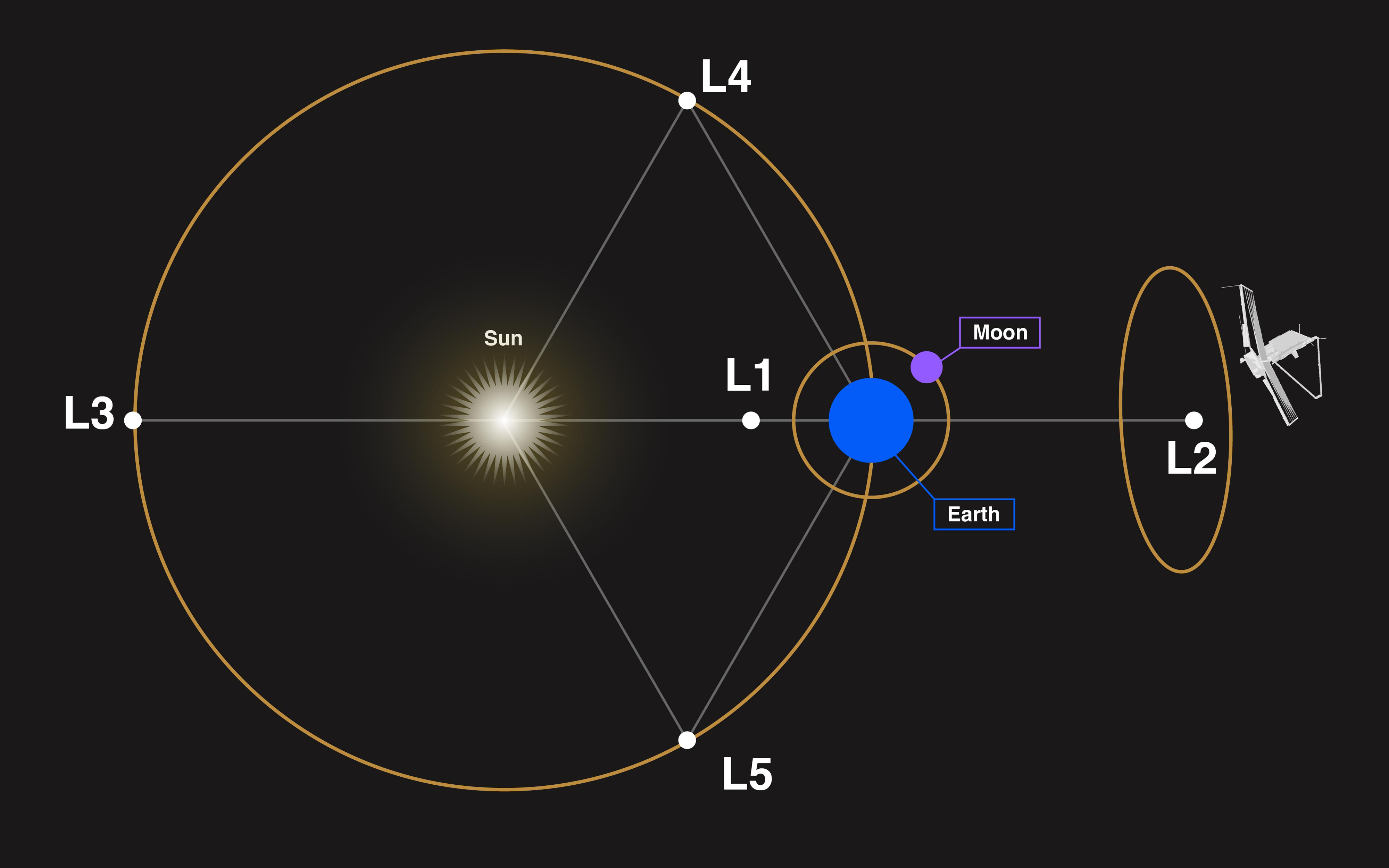
Five spots in the Earth-Sun system where the gravitational tug of two massive bodies and the pull of circular motion all cancel out, creating gravitational parking spaces where spacecraft can sit for decades with almost no fuel.

Space Brief 6 Dec 2024

Space Brief 6 Dec 2024

Today's brief covers various military applications of climate-monitoring satellites, new defense strategies against unmanned threats, and the potential impacts of geopolitical tensions on orbit.

X Report 13 Aug 2025

X Report 13 Aug 2025

SpaceX continues to innovate as it nears peak Falcon 9 launch rates while refining technologies pivotal for future Mars missions.