


Space Brief 6 May 2025
Today's brief covers a significant hypersonic flight by Stratolaunch, the US Space Force's missile warning upgrades, and major government space investments.


Launch Date
February 1, 2011
Launch Site
PLMSC
Launch Pad
LC133/3
Launch Vehicle
Rokot
NORAD ID
37362
International Designator
2011-005A
Decay Date
7/15/2013
Name
GEO-IK 2
Alternative Name
Geo-IK-2 No. 11
Type
Status
Owner
TSVS
Country
Russia
Constellation
N/A
Related Satellites
Major Events
N/A
Length
3
Diameter
1.3
Span
3
Dry Mass
900
Launch Mass
900
Shape
Cyl + 2 Pan
Radar Cross Section
3.5689
Visual Magnitude
Unknown
Color
Unknown
Material Composition
Unknown
Payload
Musson-2 No. 11
Purpose
Geodesy
Mission
Geodesy
Manufacturer
RESH
Life Expectancy
Unknown
Bus
Geo-IK-2 14F31
Configuration
3-Axis stabilized Uragan-M bus ?
Motor
Unknown
Equipment
SADKO radar altimeter, Laser retro reflectors, GLONASS and GPS receiver
Power System
2 deployable solar arrays, batteries
ADCS
Unknown
Transmitter Frequency
Unknown
Learn more about satellites and other related topics.
Today's brief covers a significant hypersonic flight by Stratolaunch, the US Space Force's missile warning upgrades, and major government space investments.
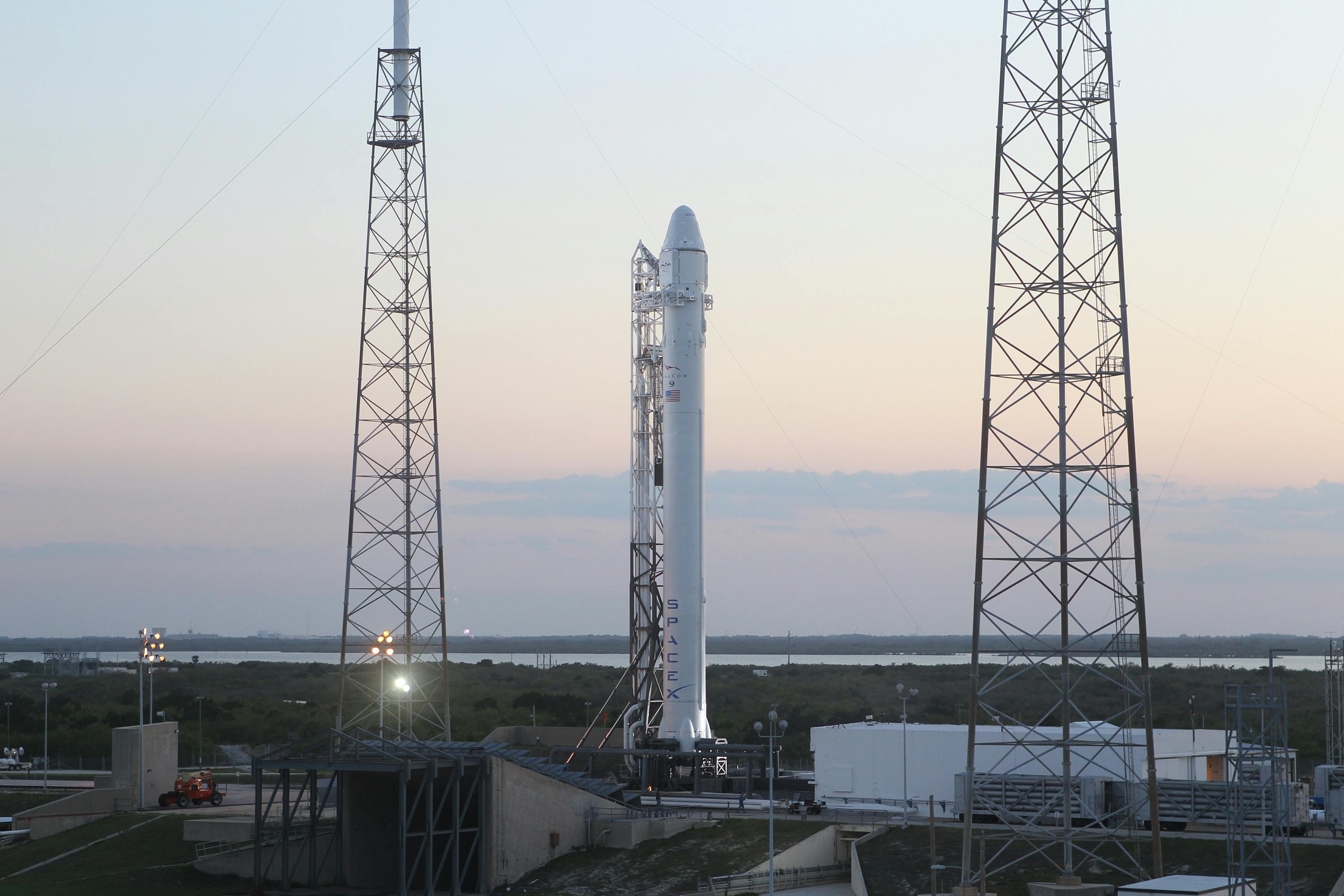
SpaceX successfully launched its 300th Starlink mission, deploying 24 new satellites to further expand its internet service coverage worldwide.

Today's update highlights Boeing's challenges with the Starliner, Europe's IRIS2 constellation advancement, China's CAS Space's global ambitions, and vivid new telescope images of cosmic events.
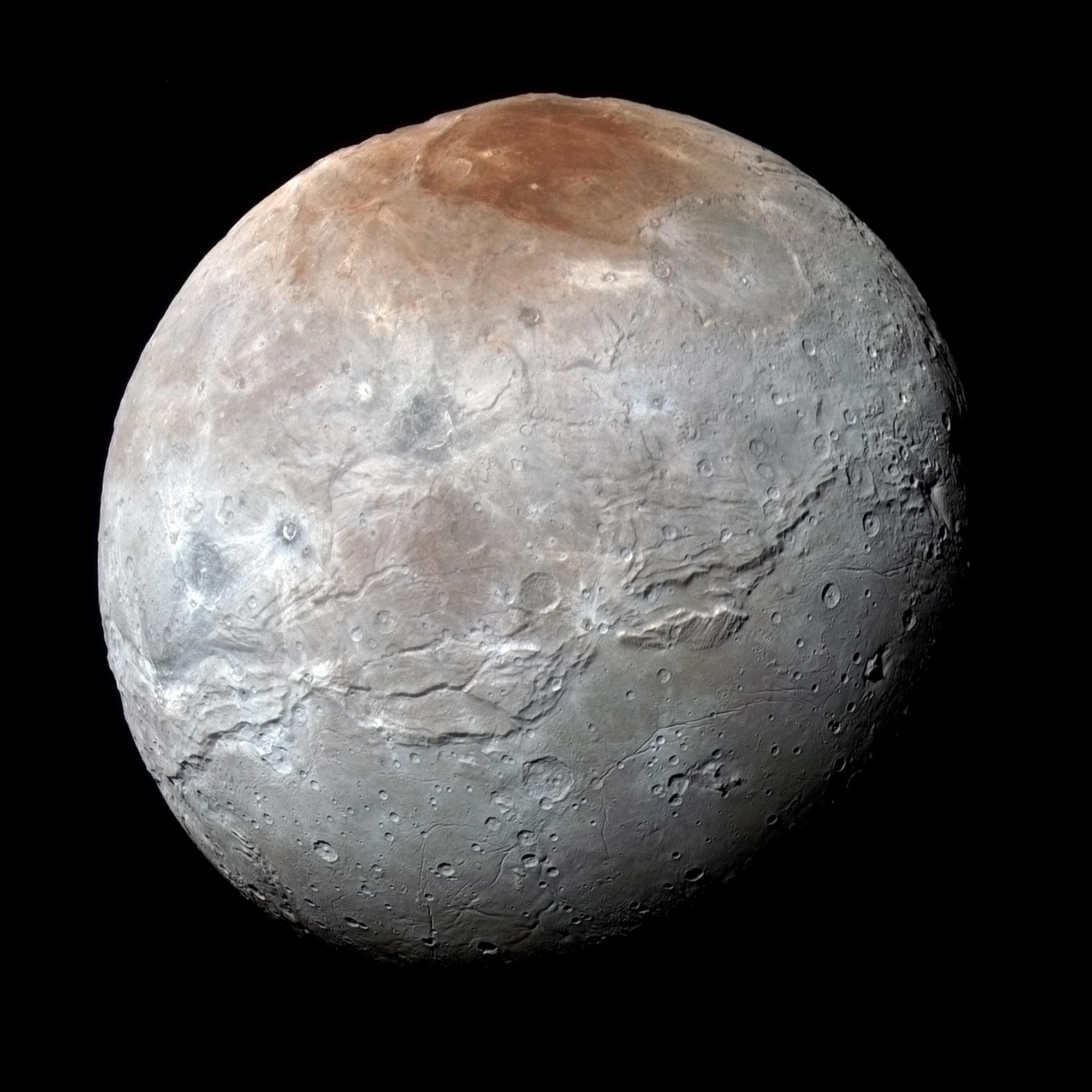
On 22 June 1978, an astronomer at the U.S. Naval Observatory looked at photographic plates that had been stamped 'image defective' and noticed a small bump on the side of Pluto. The bump was a moon, and finding it finally let astronomers weigh a planet that had fooled them for half a century.
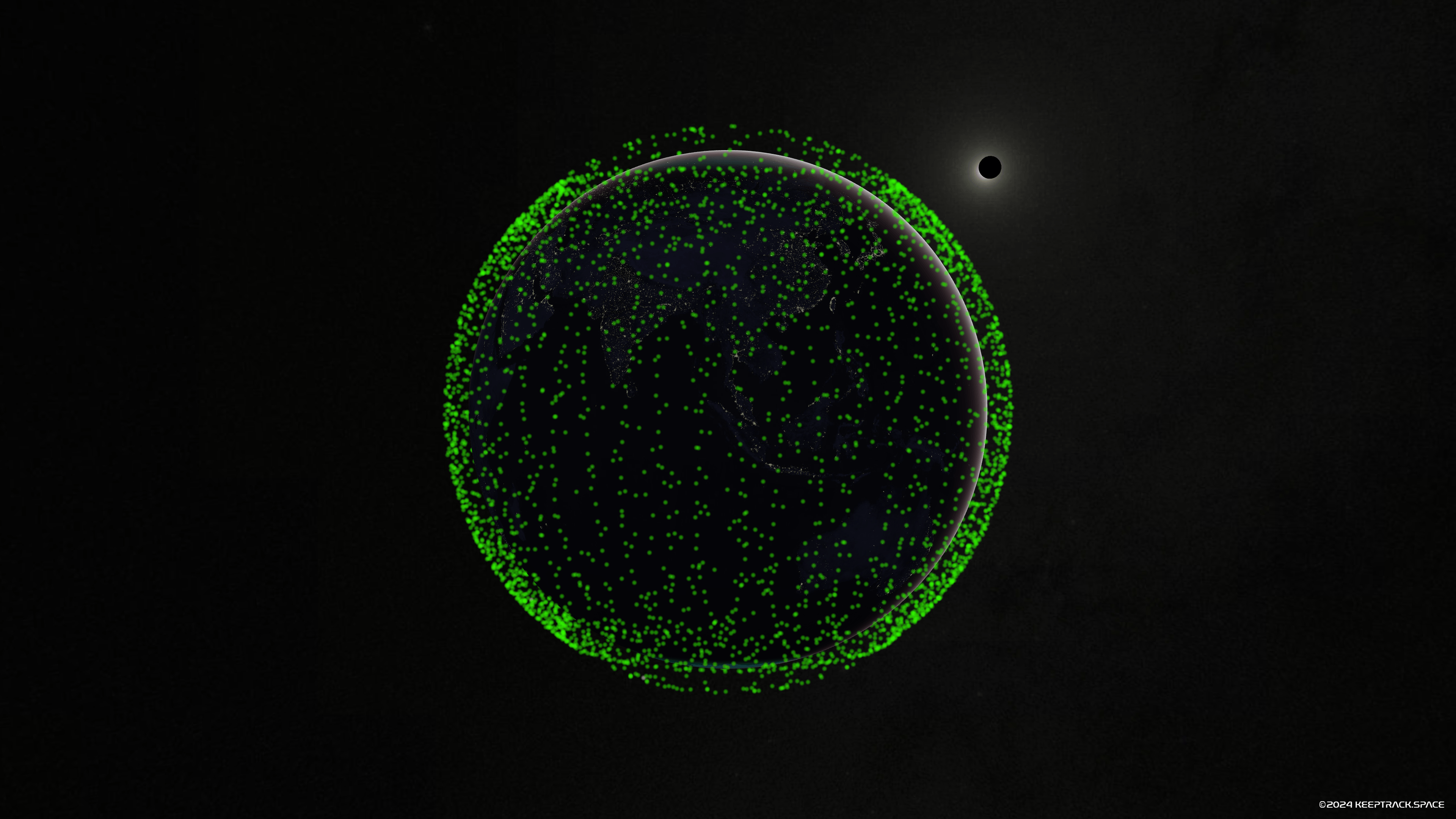
SpaceX's Starlink constellation has grown at an astonishing rate, now accounting for over 20% of all trackable objects in orbit. With plans for tens of thousands more, Starlink is on the cusp of forever changing the landscape of Earth's near-space environment.

Major challenges emerged with SpaceX's next-generation Starship booster testing, while Starlink deployments continued with successful launches.
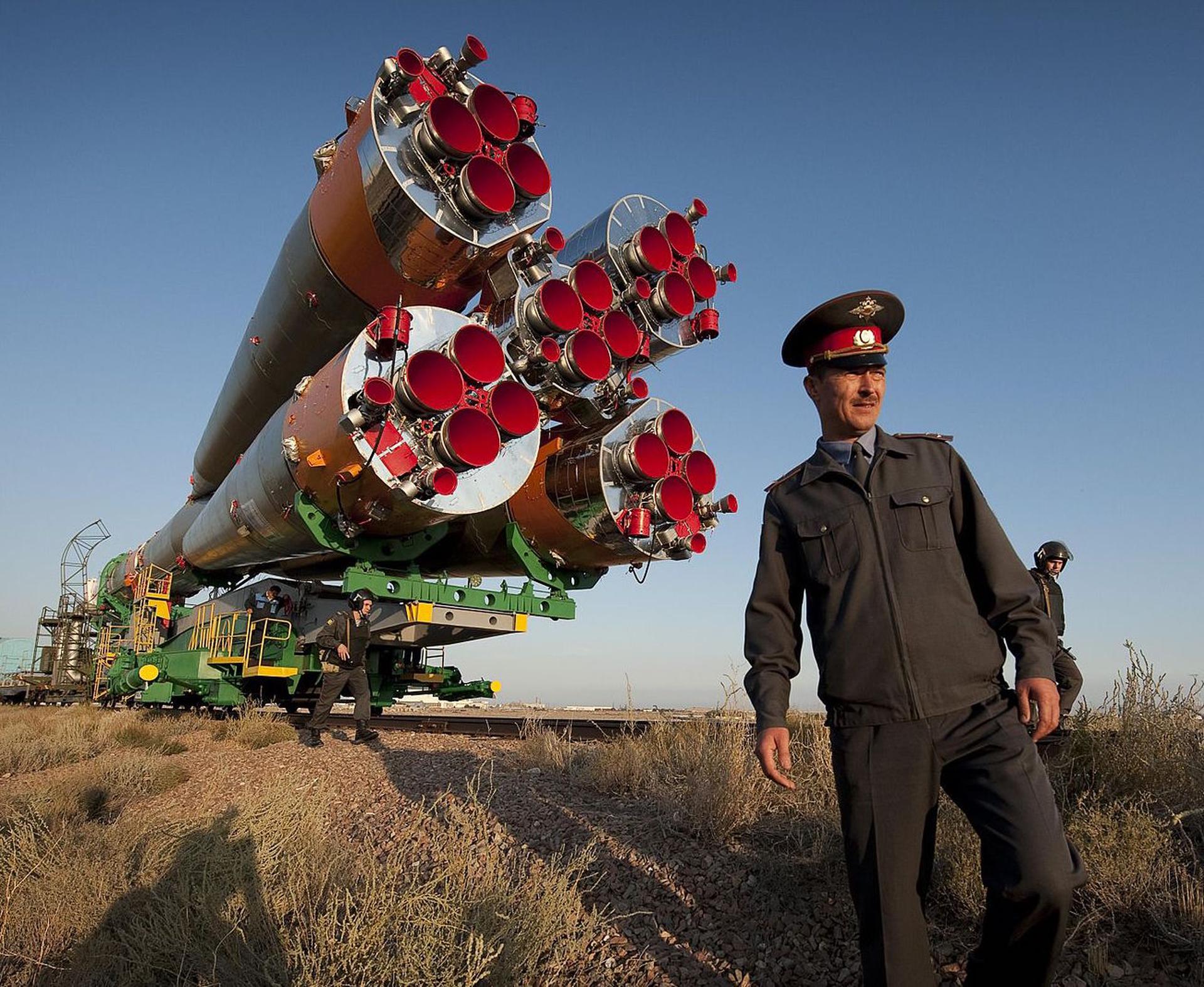
Long March 2C launches four PIESAT-2 radar satellites, Gilmour Space secures Australia's first orbital launch permit, NASA extends ISS cargo contracts through 2030, ESA and Arianespace face industry crossroads.
Today's Space Brief covers key developments including U.S. Space Force tech accelerator, SpaceX veterans' startup funding, ULA's expected dominance in national security missions, and new satellite activity.