

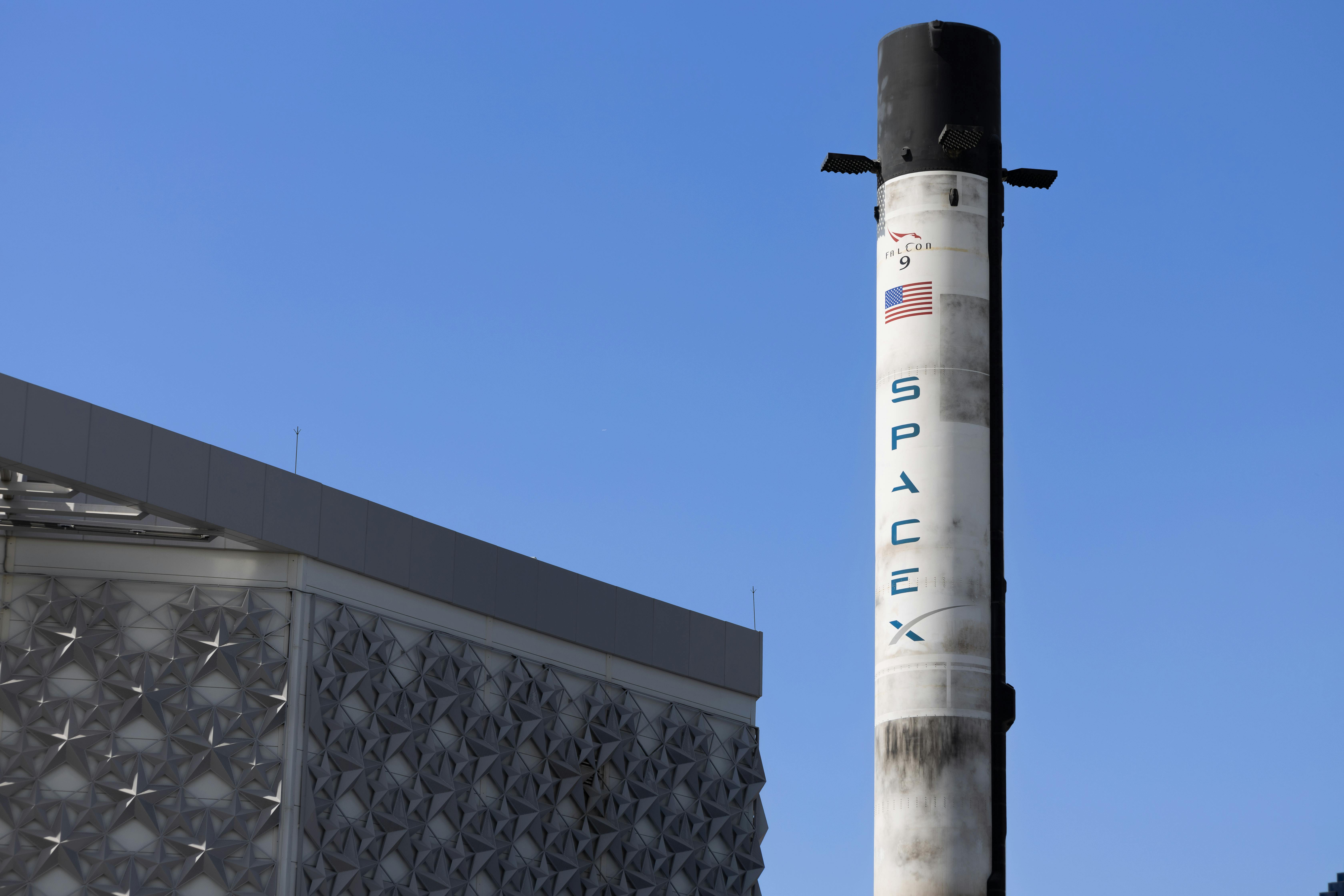
X Report 19 Apr 2025
SpaceX faces regulatory review for Bahamian rocket landings, positions itself for a major government contract, and a new Star Wars Lego set adds to the fun!


Launch Date
January 22, 2011
Launch Site
TANSC
Launch Pad
Y2
Launch Vehicle
H-IIB
NORAD ID
37351
International Designator
2011-003A
Decay Date
3/30/2011
Name
HTV-2 (KOUNOTORI 2)
Alternative Name
Kounotori 2 gouki
Type
Status
Owner
JAXA
Country
Japan
Constellation
N/A
Related Satellites
Major Events
N/A
Length
9.8
Diameter
4.4
Span
9.8
Dry Mass
8700
Launch Mass
16000
Shape
Cyl
Radar Cross Section
17.2216
Visual Magnitude
Unknown
Color
Unknown
Material Composition
Unknown
Payload
HTV 2
Purpose
Supply
Mission
Supply
Manufacturer
MHITO
Life Expectancy
30 days
Bus
HTV
Configuration
Unknown
Motor
R-4D x 4
Equipment
Unknown
Power System
Solar cells (body mounted), batteries
ADCS
Unknown
Transmitter Frequency
Unknown
Learn more about satellites and other related topics.
SpaceX faces regulatory review for Bahamian rocket landings, positions itself for a major government contract, and a new Star Wars Lego set adds to the fun!

Falcon Heavy flew for the first time in eighteen months on April 29, 2026, expending its center core to push Viasat's final ViaSat-3 satellite toward geostationary orbit. The mission is a flagship rocket doing what only it can still do, for an operator betting six tons of high-throughput hardware on a market Starlink is rapidly redefining.
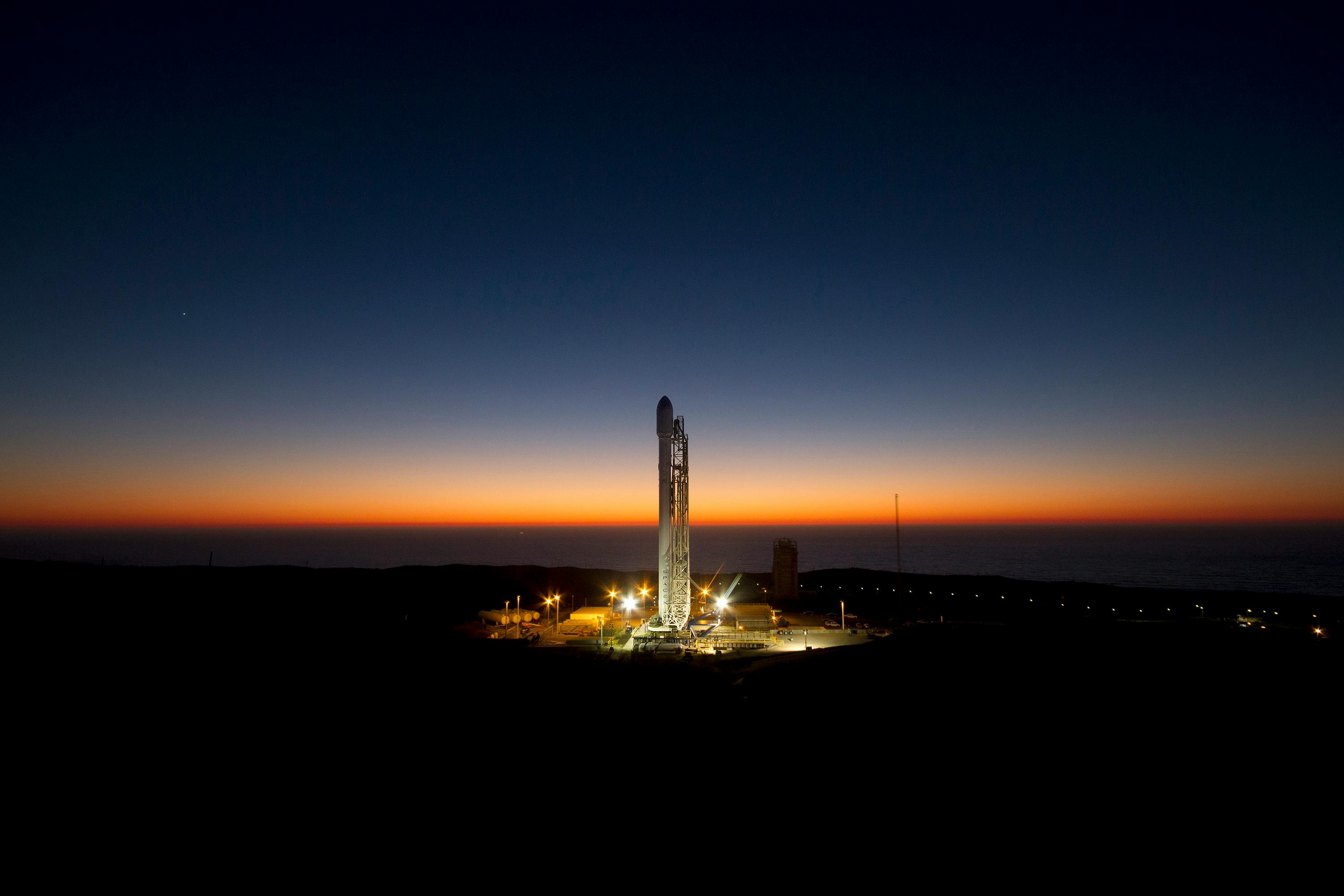
SpaceX accelerates Block 3 Starship pad work at Starbase as Russia preps Soyuz-5 debut alongside Falcon 9 internet satellite launches.

Discover key developments in space defense and military operations, including new leadership for Space Force's 'Golden Dome,' SpaceX's contract for a military SATCOM network, and increased Israeli-Iranian missile activity.
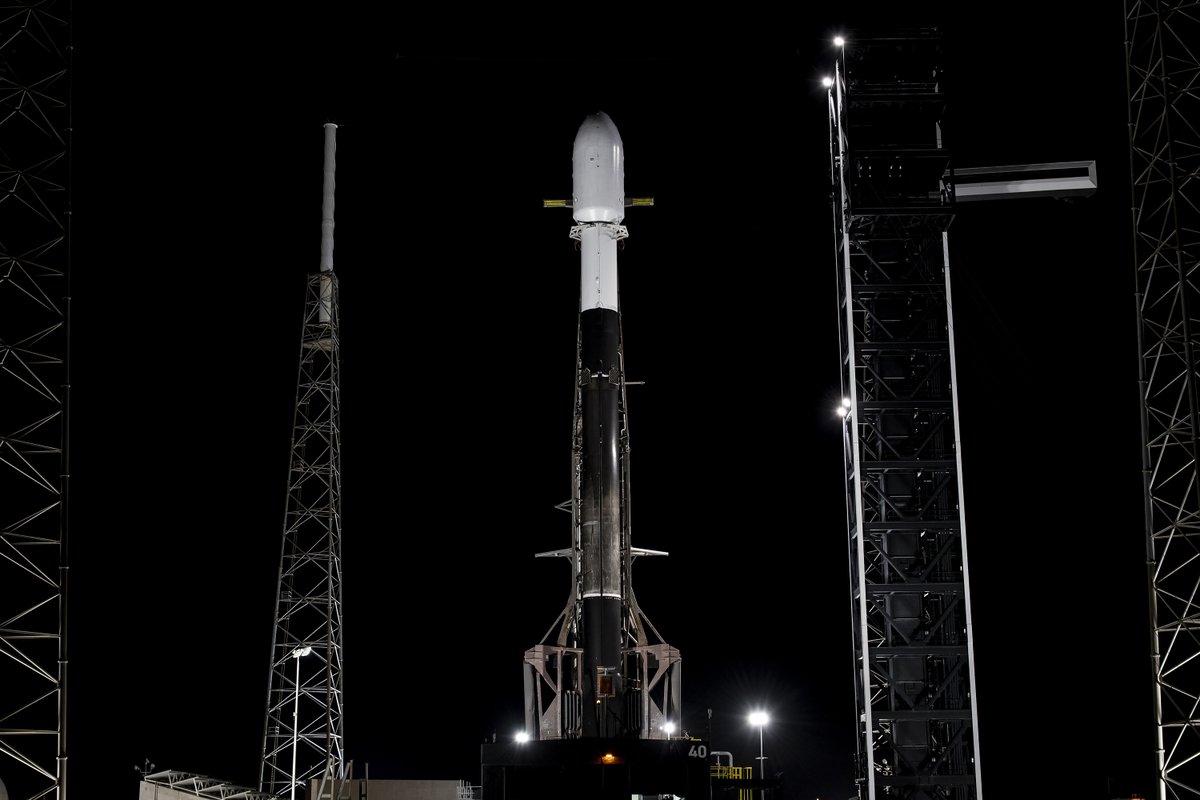
SpaceX launches its 1,500th Starlink satellite of 2026 as shares jump 19% on Nasdaq debut day. Musk targets $1 trillion in annual revenue by 2030.

Elon Musk provided updates on the anticipated Starship Flight 10, along with insights on SpaceX's progress at Cape Canaveral. Key developments include target timelines for upcoming launches and ongoing efforts in Starship's development.

Today's brief covers major developments including the introduction of BAHA drones, increased defense spending by Estonia, and consequential announcements on military budgets impacting space-related activities.
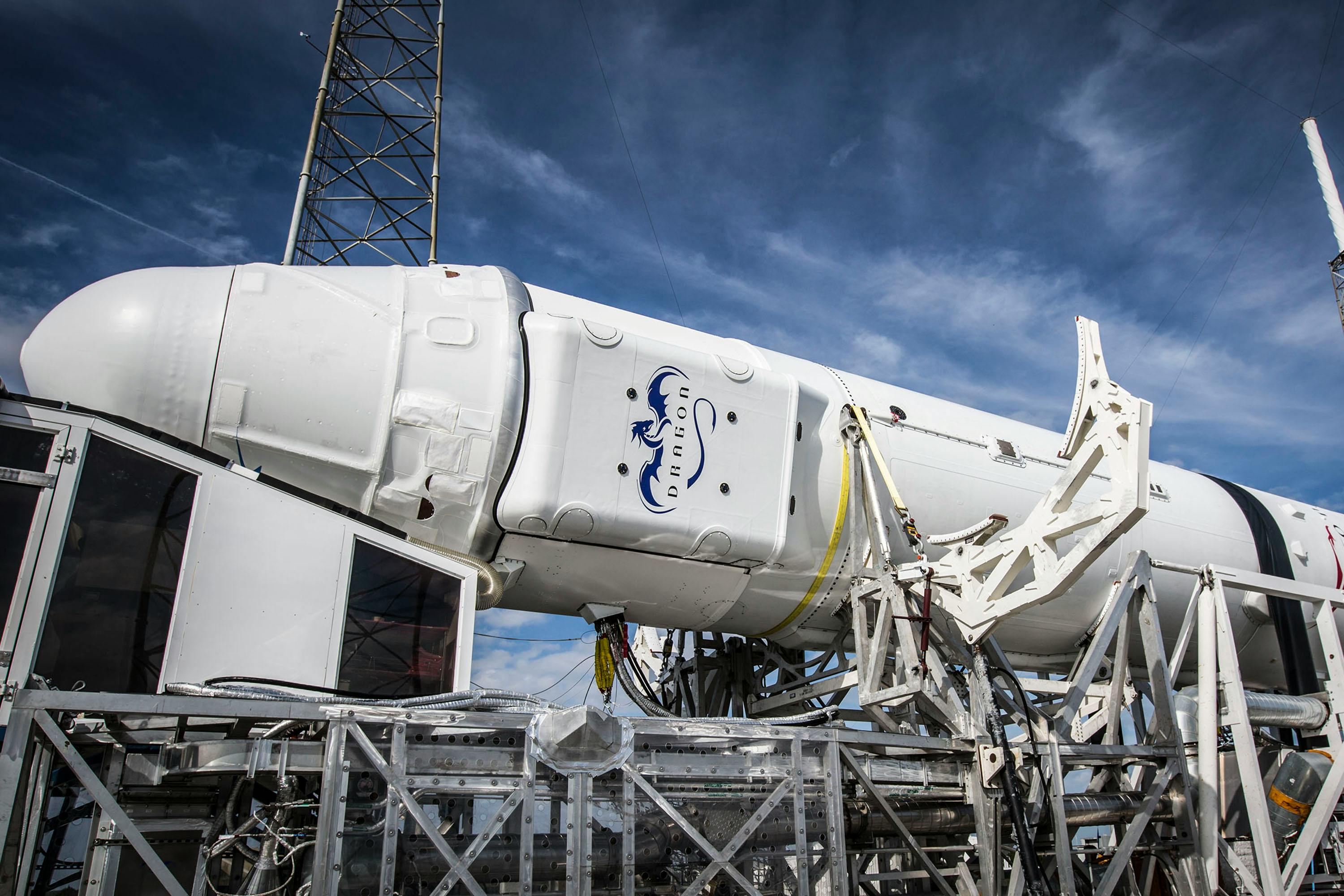
A second Starlink satellite malfunction in just over three months has generated on-orbit debris, raising fresh questions about SpaceX's 10,151-strong working constellation.