ELEKTRO-L 1 (GOMS 2) (37344)

COSPAR: 2011-001A | Alt Name: Elektro-L No. 1

Image
ELEKTRO-L 1 (GOMS 2) Satellite Image
Additional Sources
Launch Details

Launch Date

January 20, 2011

Launch Pad

LC45/1

Launch Vehicle

Zenit-3SLBF

Orbital Elements

NORAD ID

37344

International Designator

2011-001A

Epoch

Sat, 04 Jul 2026 04:46:10 GMT

Apogee

Calculating...

Perigee

Calculating...

Inclination

9.72°

Right Ascension

54.33°

Eccentricity

Calculating...

Argument of Perigee

35.63°

Period

1437.72 min

Mean Motion

1.00 rev/day

Latitude

Calculating...

Longitude

Calculating...

Altitude

Calculating...

Velocity

Calculating...

Polar Plot
3D Visualization
Basic Satellite Info

Name

ELEKTRO-L 1 (GOMS 2)

Alternative Name

Elektro-L No. 1

Type

Payload

Status

Non-operational

Owner

RGMS/NPOL

Country

Russia

Constellation

N/A

Related Satellites

Major Events

N/A

Latest TLEs
1 37344U 11001A   26185.19873796  .00000012  00000-0  00000-0 0  9999
2 37344   9.7217  54.3298 0004329  35.6346 145.2747  1.00158901 56652

Source: Celestrak

Summary
ELEKTRO-L 1 (GOMS 2), also known as Elektro-L No. 1, is a meteorology satellite launched by Russia on January 20, 2011, from the TYMSC launch site using the Zenit-3SLBF launch vehicle. The spacecraft has dimensions of 2 meters in length and diameter, with a span of 10 meters due to its deployable solar array, and a dry mass of 1180 kilograms. It was manufactured by NPO Lavochkin (NPOL) and is owned by the Russian Federal Space Agency (RGMS/NPOL). The satellite operates on a mission for meteorology purposes and has an expected lifetime of 10 years.
Physical Characteristics

Length

2

Diameter

2

Span

10

Dry Mass

1180

Launch Mass

1620

Shape

Box + Pan + Ant

Radar Cross Section

47.6126

Visual Magnitude

Unknown

Color

Unknown

Material Composition

Unknown

Technical Details

Payload

Elektro-L

Purpose

Meteorology

Mission

Meteorology

Manufacturer

NPOL

Life Expectancy

10 years

Bus

Navigator

Configuration

Navigator-Bus

Motor

Unknown

Equipment

Unknown

Power System

Deployable solar array, batteries

ADCS

Unknown

Transmitter Frequency

Unknown

Map
This tool will help you track the satellite's position and predict its upcoming passes over your location. Simply input the coordinates or click the geolocation button to get started.
Next Pass
Azimuth Elevation Time (Local)
Start Azimuth
Max Elevation
Stop Azimuth
Time Until
Pass Duration

Satellite Articles

View All Posts »

Learn more about satellites and other related topics.

SpaceX Preps First February Starlink Launch, Orbital Data Centers Gain Traction | KeepTrack X Report

SpaceX Preps First February Starlink Launch, Orbital Data Centers Gain Traction | KeepTrack X Report

SpaceX readies Starlink 17-32 launch of 25 satellites from Vandenberg. Orbital data center economics draw attention from Musk and Bezos. 9,614 Starlink sats on orbit.

Pentagon Orders 30,000 One-Way Drones; Sierra Space Raises $550M | KeepTrack Space Brief

Pentagon Orders 30,000 One-Way Drones; Sierra Space Raises $550M | KeepTrack Space Brief

Pentagon to order 30,000 attritable drones within days via Gauntlet competition. Meanwhile, Sierra Space closes $550M Series C funding round for national security spaceplane applications.

Artemis II

Artemis II

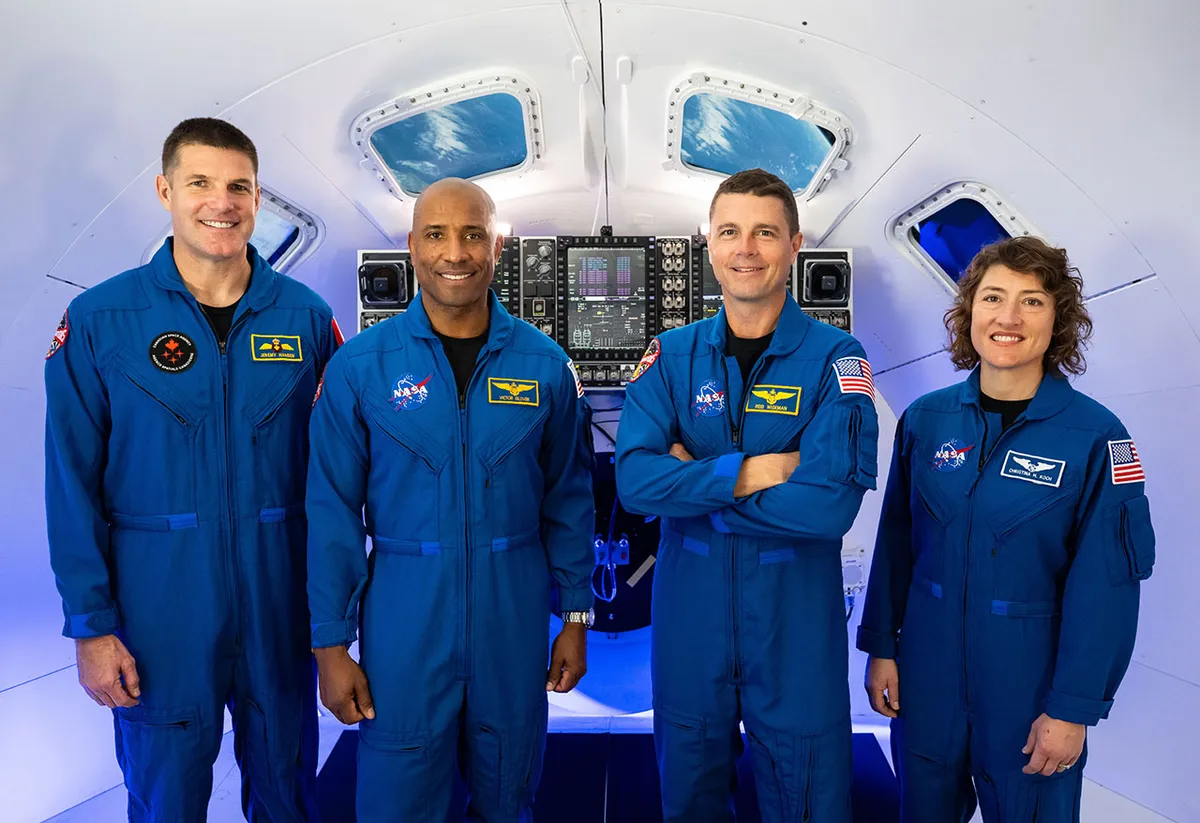
Four astronauts, a patched-together heat shield, and a $50 billion question: whether NASA can still send humans beyond low Earth orbit. Tomorrow, we find out.

ULA Launches 29 Amazon Kuiper Satellites; Falcon Heavy Returns | KeepTrack Space Brief

ULA Launches 29 Amazon Kuiper Satellites; Falcon Heavy Returns | KeepTrack Space Brief

ULA's Atlas V deployed 29 Amazon Kuiper LEO satellites on April 27. Falcon Heavy returns this week with ViaSat-3 F3. Six orbital launches scheduled across three continents.

Space Brief 7 Mar 2025

Space Brief 7 Mar 2025

Key insights from the latest SpaceX Starship breakup, the establishment of a new satellite mobile service, and enhancing America's missile shield capabilities through satellites.

Space Brief 1 Apr 2025

Space Brief 1 Apr 2025

Today's brief covers the U.S. Space Force's orbital carrier initiative, ULA Vulcan's approval for military launches, Rocket Lab's new contract with the Space Force, integrated data layers for military command, and advances in tactical surveillance.

Space Brief 22 Dec 2025

Space Brief 22 Dec 2025

Today's highlights include Rocket Lab's record year, setbacks in Japanese space endeavors, secure communication advancements in orbit, and more updates on martian expeditions.

Artemis 2 Crew Arrives for April 1 Lunar Flyby Launch | KeepTrack Space Brief

Artemis 2 Crew Arrives for April 1 Lunar Flyby Launch | KeepTrack Space Brief

Artemis 2 astronauts arrive at KSC for April 1 launch. Four-person crew will fly lunar free-return trajectory, first crewed lunar mission since Apollo 17 in 1972.