

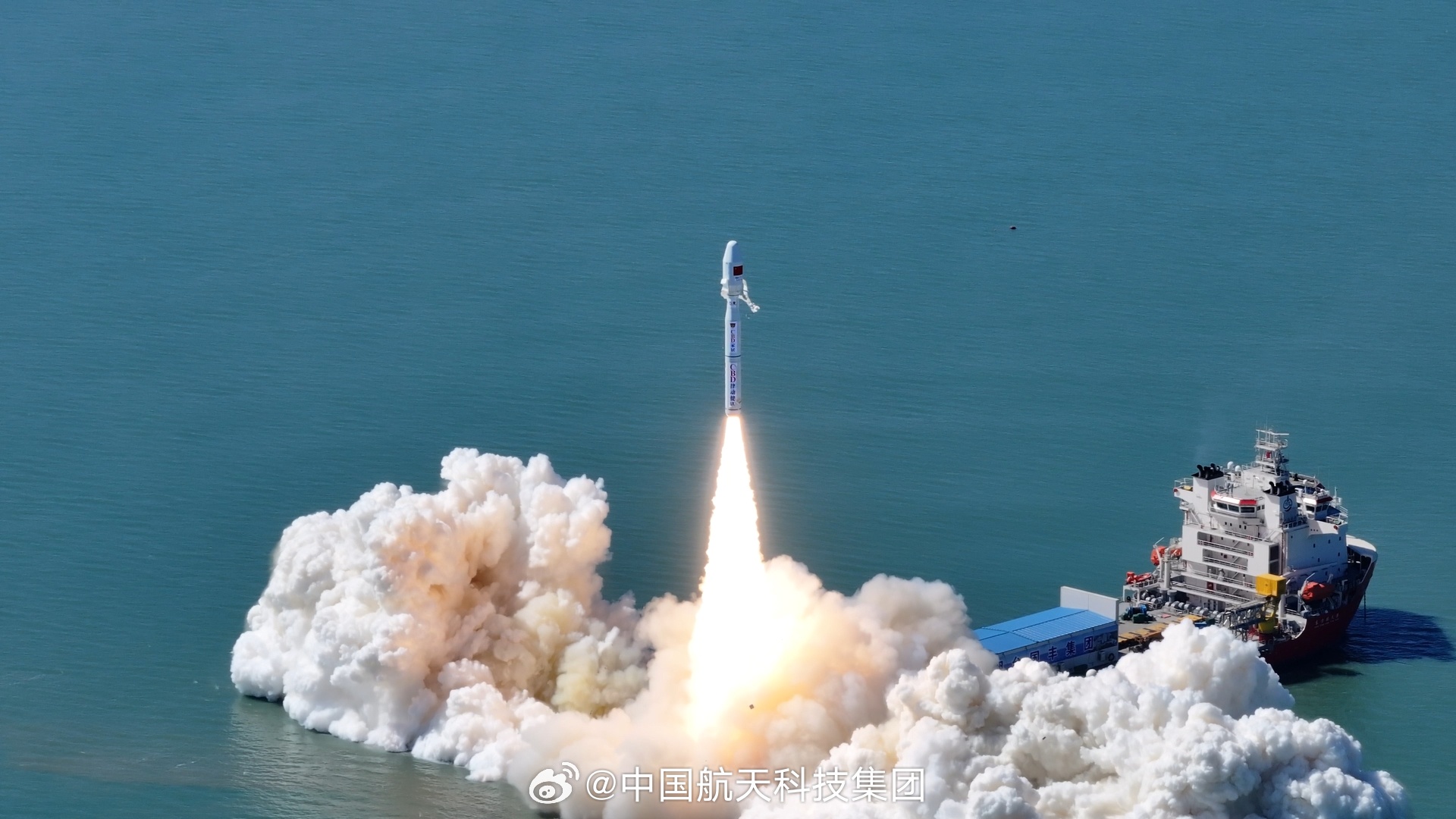
Artemis 2 Crew Returns After 50-Year Lunar Milestone | KeepTrack Space Brief
Artemis 2 splashdown marks first crewed lunar flyby since Apollo 17 in 1972. Four astronauts completed historic mission, validating systems for Artemis 3 landing attempt.


Launch Date
November 20, 2010
Launch Site
KODAK
Launch Pad
LP1
Launch Vehicle
Minotaur IV
NORAD ID
37222
International Designator
2010-062A
Decay Date
Unknown
Name
STPSAT-2 (USA 217)
Alternative Name
STPSat-2
Type
Status
Owner
AFSMC
Country
United States
Constellation
N/A
Related Satellites
Major Events
N/A
Length
1
Diameter
0.6
Span
3
Dry Mass
135
Launch Mass
135
Shape
Box + 2 Pan
Radar Cross Section
Unknown
Visual Magnitude
Unknown
Color
Unknown
Material Composition
Unknown
Payload
STP-SIV
Purpose
Technology
Mission
Technology
Manufacturer
AEROAC/BALL
Life Expectancy
1 year
Bus
Astro200/BCP-100
Configuration
Astro-200
Motor
Unknown
Equipment
2 SPEX, ODTML (#2); iMESA-R, J-CORE, SSU, SWATS, TCTE, De-Orbit Module (#3)
Power System
3 deployable solar arrays, batteries
ADCS
Unknown
Transmitter Frequency
Unknown
Learn more about satellites and other related topics.
Artemis 2 splashdown marks first crewed lunar flyby since Apollo 17 in 1972. Four astronauts completed historic mission, validating systems for Artemis 3 landing attempt.
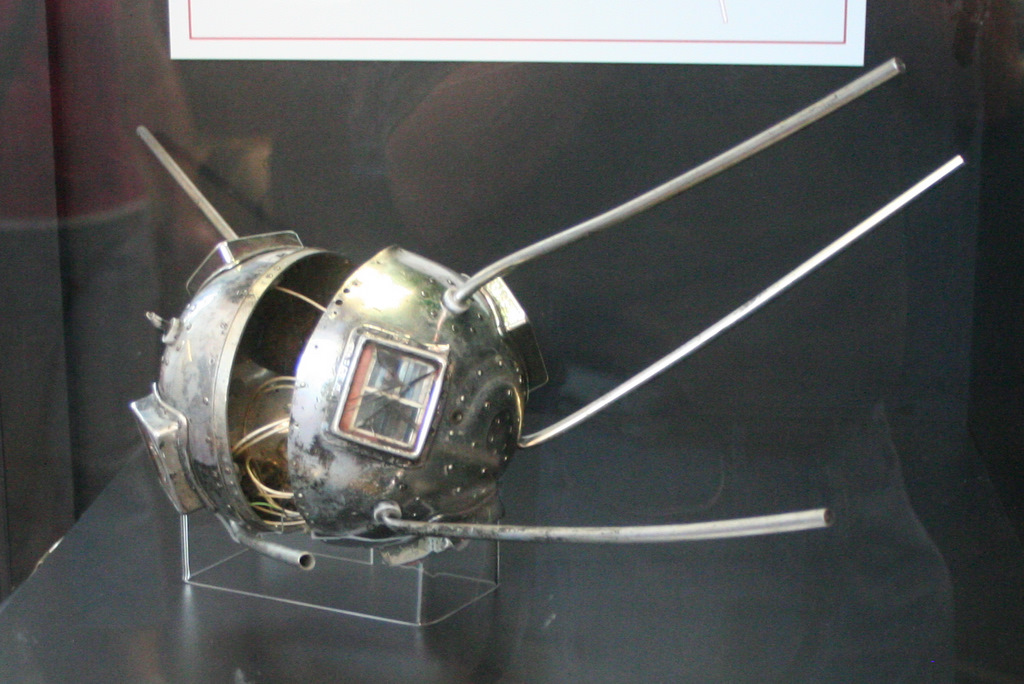
Sixty-eight years ago, America's first satellite exploded on the launchpad in front of the entire world. But from the ashes of Vanguard TV-3 came the determination that would eventually win the Space Race.
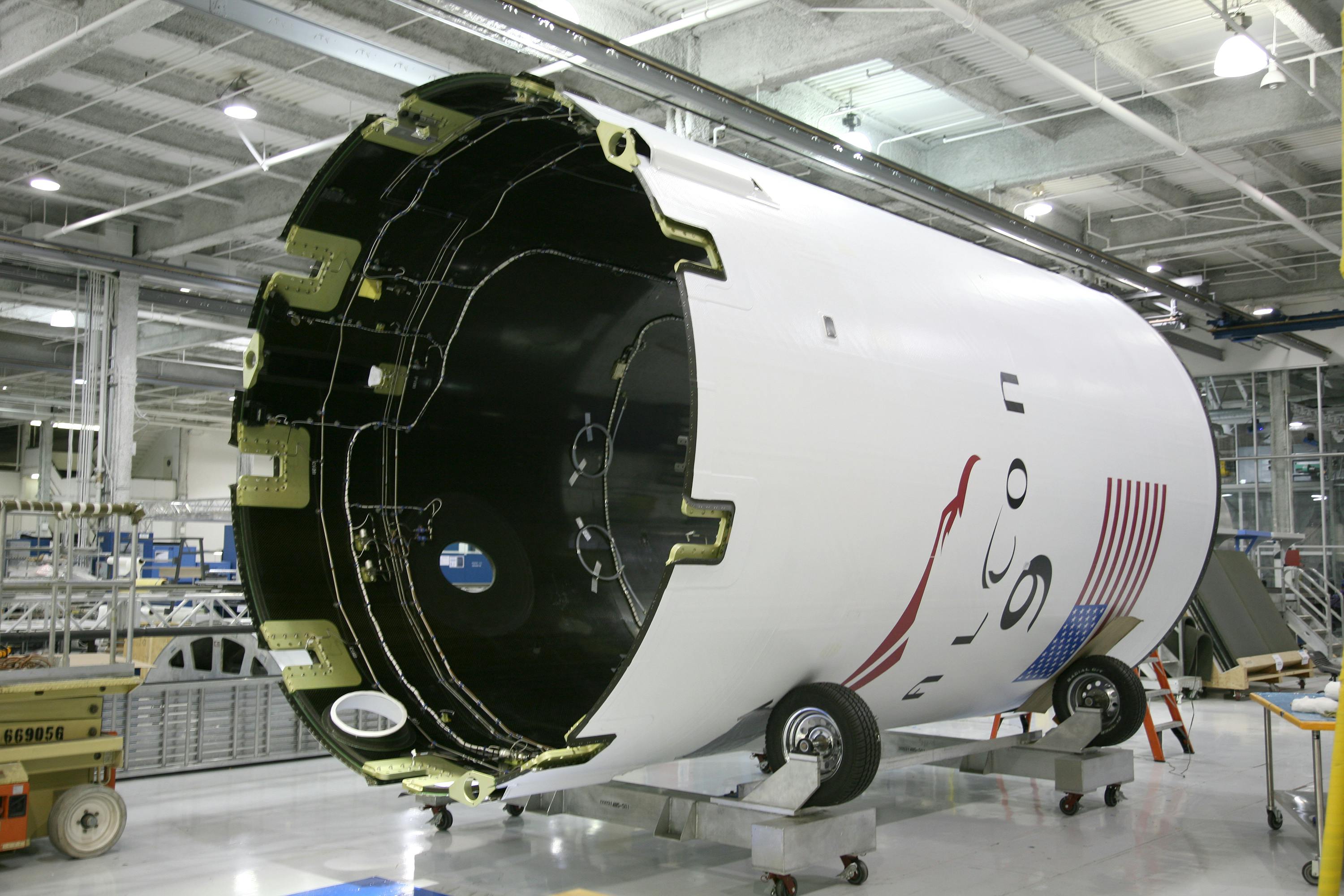
SpaceX flew a Falcon 9 booster for a record 35th time on July 10, deploying 29 Starlink satellites as direct-to-cell tech expands to pet collars.

Delve into the latest on military AI leadership debates, Wedgetail funding increases, and the Army's Short Range Reconnaissance Program advancements. Explore how these developments influence satellite tracking and defense initiatives.
Today's brief covers the launch of the X-37B, cutting-edge quantum navigation systems, and the future of space-based military technology. Discover the role of SpaceX and the advancements in inertial navigation.
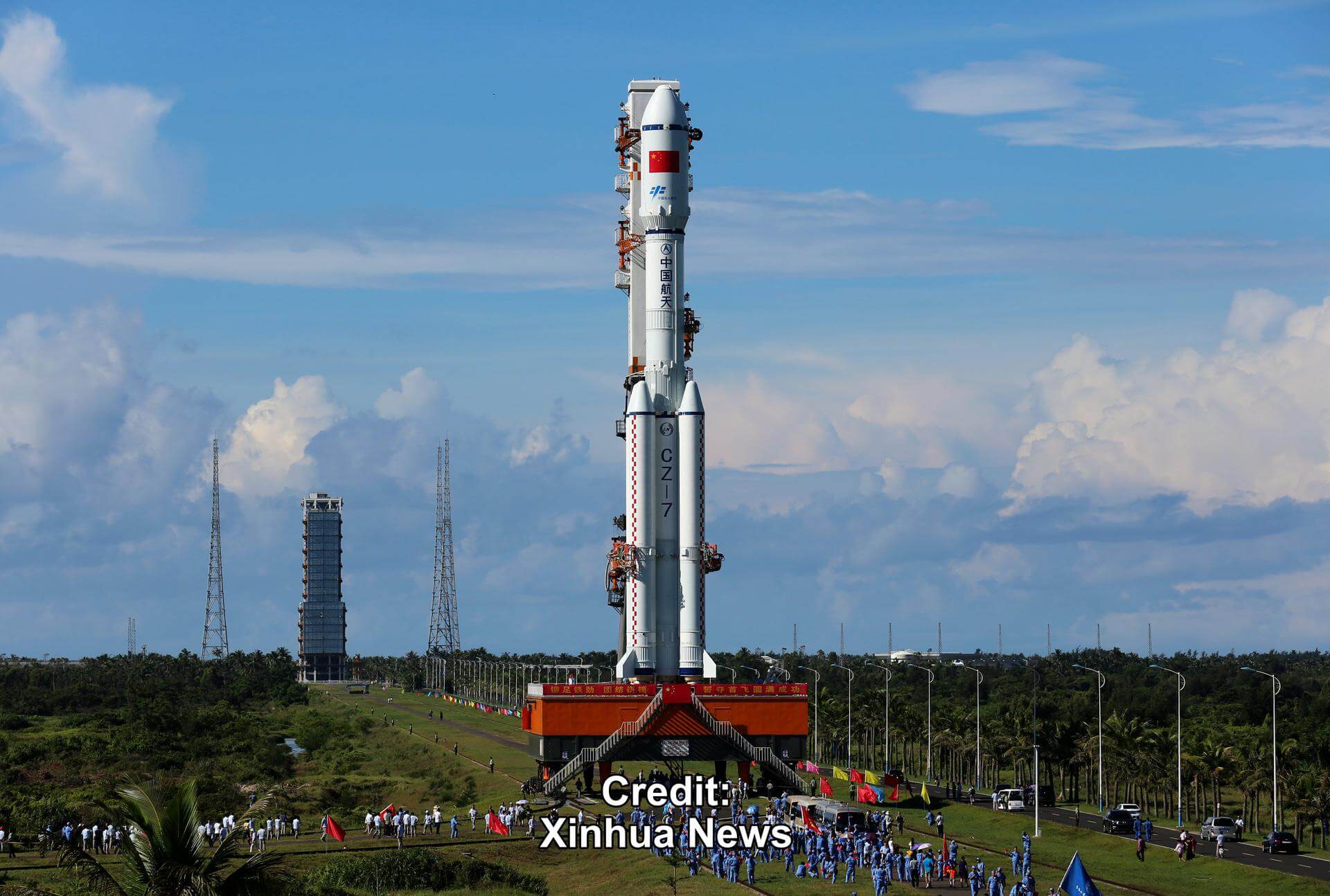
Today's key topics include the halting of the U.S. Air Force's rocket landing pad plans, the Space Force's shift to a flexible satellite strategy, delays in Australia's Eris 1 rocket launch, and the controversial cut of satellite sea-ice data to climate scientists.
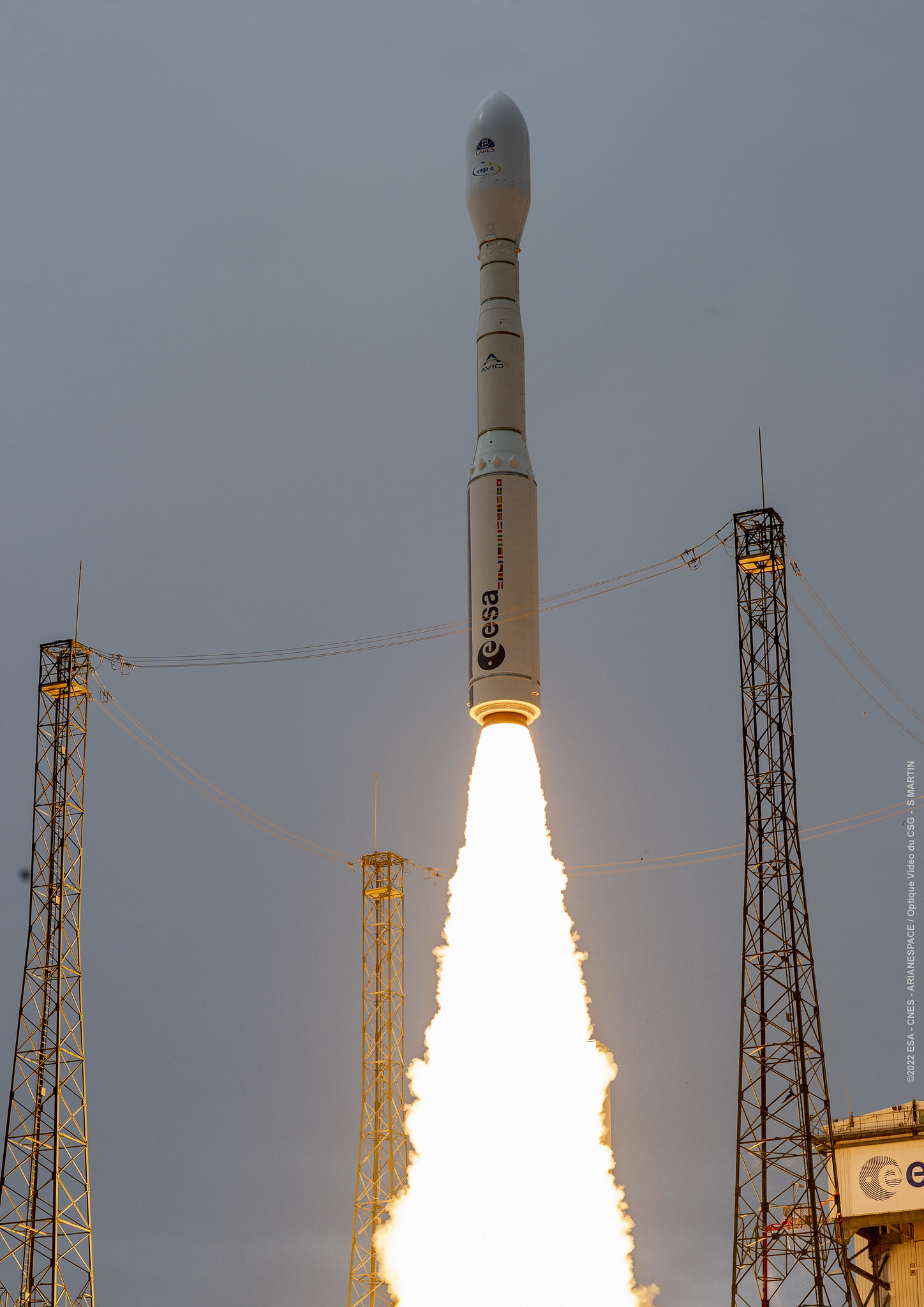
Today's space brief covers SpaceX's new contract with the U.S. Space Force, multiple Starlink launches, Rocket Lab's rapid launch success, and the final mission of Japan's H-IIA rocket.

We forecast how many satellites could be in orbit by 2030 and what capabilities we can expect.