COSMOS 2251 DEB (37111)

COSPAR: 1993-036BGH | Alt Name: deb Kosmos-2251
DECAYED

Image
COSMOS 2251 DEB Satellite Image
Additional Sources
Launch Details

Launch Date

June 16, 1993

Launch Site

PLMSC

Launch Pad

LC132/1

Launch Vehicle

Kosmos 11K65M

Orbital Elements

NORAD ID

37111

International Designator

1993-036BGH

Decay Date

2/27/2022

Basic Satellite Info

Name

COSMOS 2251 DEB

Alternative Name

deb Kosmos-2251

Type

Debris

Status

Space Junk

Owner

KVR

Country

Russia

Constellation

N/A

Related Satellites

Major Events

N/A

Summary
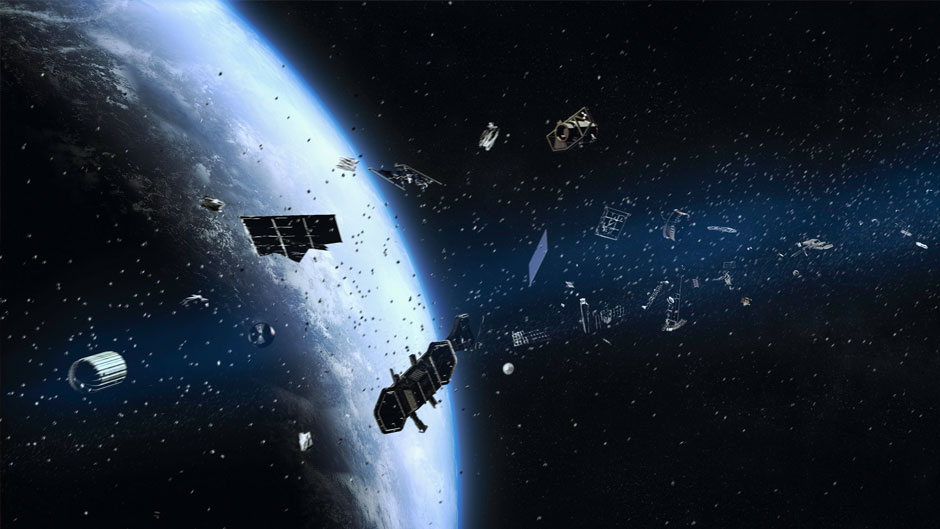
Space debris, also known as space junk, encompasses all non-functional objects orbiting Earth such as defunct satellites, spent rocket stages, and fragments from collisions or disintegrations. Over time, this debris can accumulate and create an increasingly hazardous environment in orbit. Even tiny fragments, traveling at extremely high velocities, can inflict significant damage on operational satellites and spacecraft. If left unmanaged, the density of debris raises the risk of catastrophic collisions and further fragmentation, compounding the problem and threatening the safety and sustainability of space activities.
Physical Characteristics

Length

0

Diameter

0

Span

0

Dry Mass

0

Launch Mass

0

Shape

N/A

Radar Cross Section

0.0137

Visual Magnitude

Unknown

Color

Unknown

Material Composition

Unknown

Technical Details

Payload

Unknown

Purpose

Unknown

Mission

Unknown

Manufacturer

Unknown

Life Expectancy

Unknown

Bus

Unknown

Configuration

Unknown

Motor

Unknown

Equipment

Unknown

Power System

Unknown

ADCS

Unknown

Transmitter Frequency

Unknown

Satellite Articles

View All Posts »

Learn more about satellites and other related topics.

The Afternoon a Blurry Smudge Turned Pluto Into a Double Planet

The Afternoon a Blurry Smudge Turned Pluto Into a Double Planet

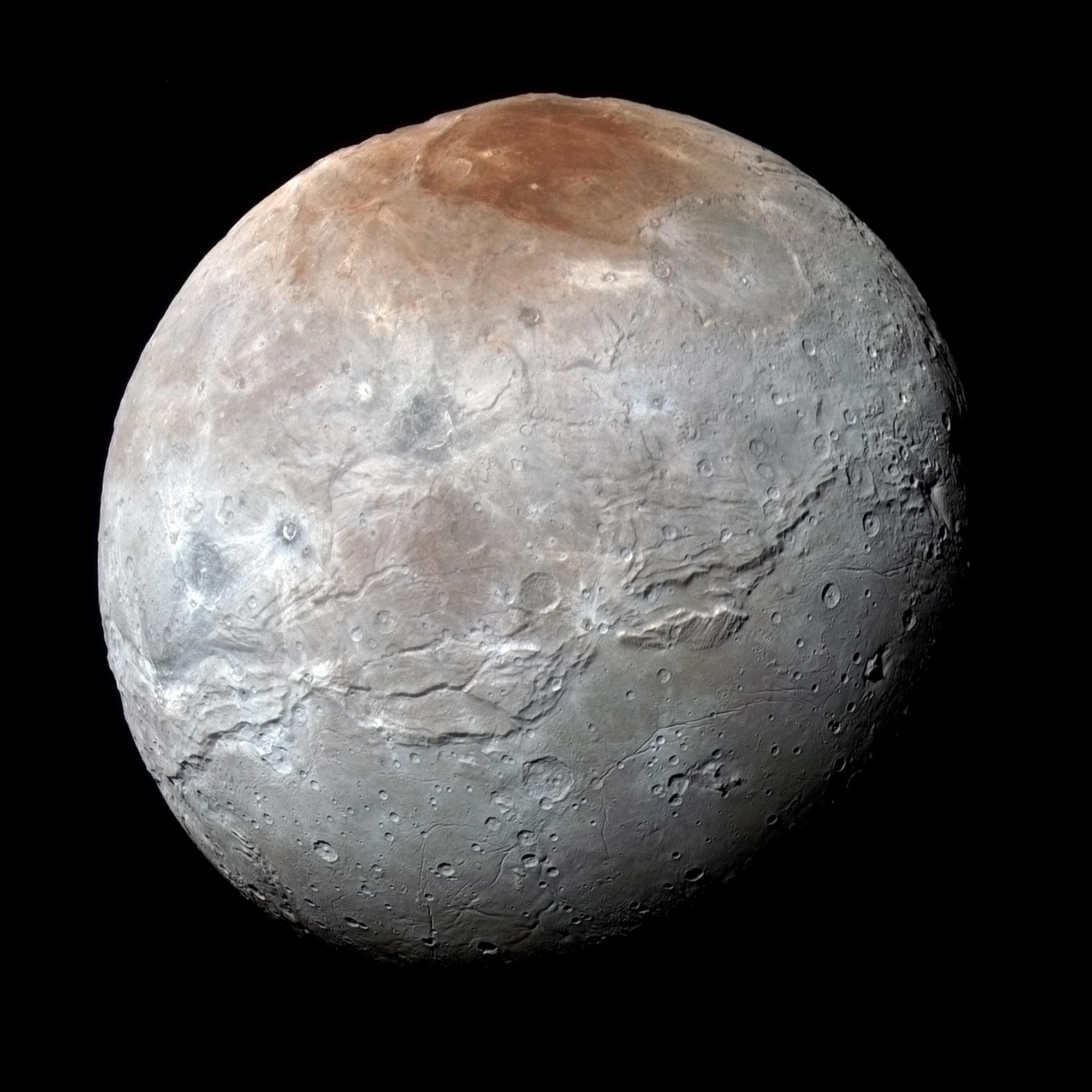
On 22 June 1978, an astronomer at the U.S. Naval Observatory looked at photographic plates that had been stamped 'image defective' and noticed a small bump on the side of Pluto. The bump was a moon, and finding it finally let astronomers weigh a planet that had fooled them for half a century.

X Report 7 Dec 2024

X Report 7 Dec 2024

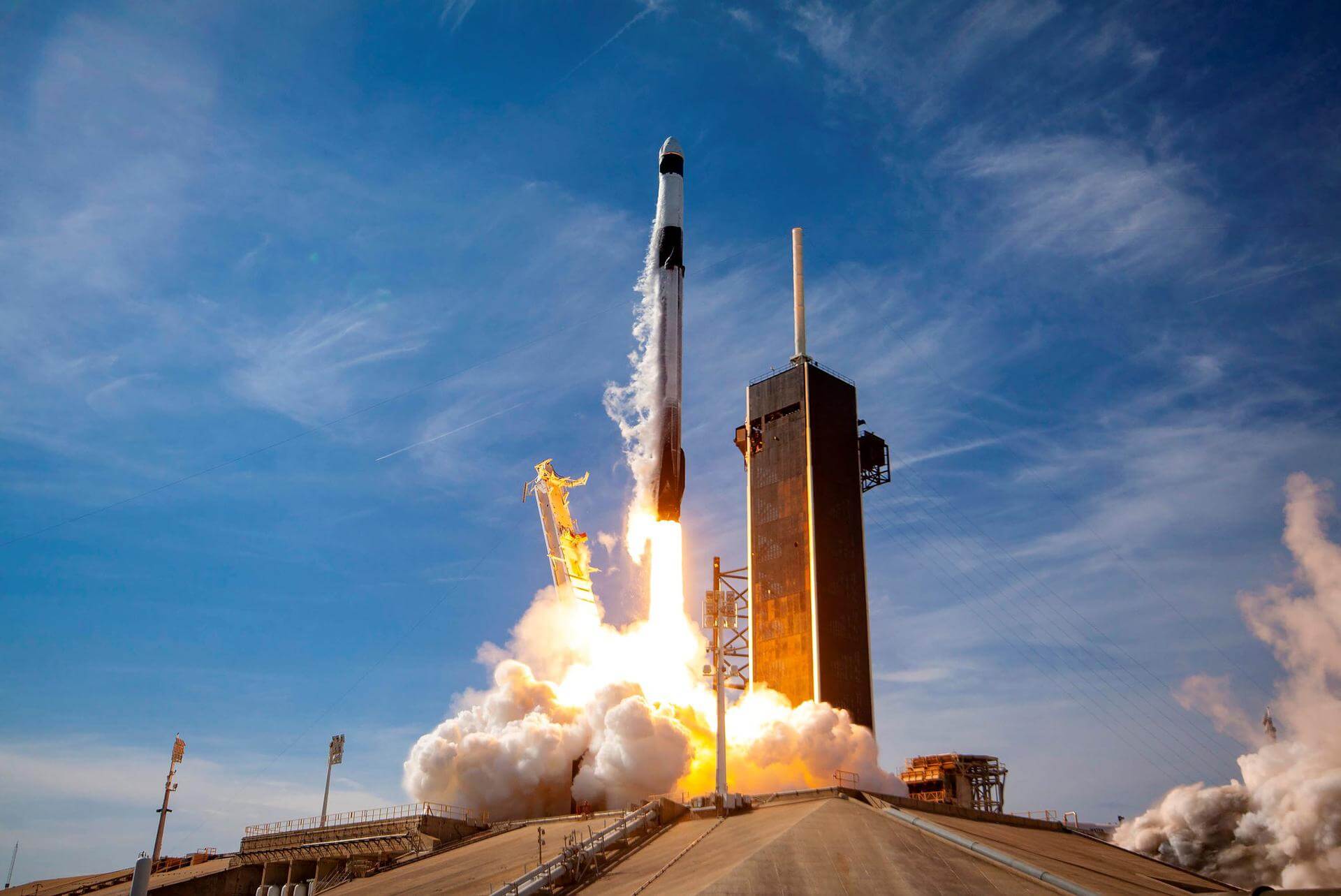
SpaceX celebrates 300 successful booster landings, further solidifying its dominance in reusable rocket technology.

Golden Dome Missile Shield Costs Up to $1.2T Over 20 Years | KeepTrack Space Brief

Golden Dome Missile Shield Costs Up to $1.2T Over 20 Years | KeepTrack Space Brief

CBO estimates Golden Dome national missile shield at $1.2 trillion over 20 years. Space-based intercept layer could add thousands of satellites to tracked orbital regimes.

STS-51B | Three-Tenths of a Second from Disaster

STS-51B | Three-Tenths of a Second from Disaster

Forty years ago today, Challenger lifted off LC-39A on a science mission that nobody outside Morton-Thiokol would call dangerous. Years later, after the orbiter and seven other astronauts were gone, investigators looked at the recovered boosters from STS-51B and realized the crew had come within a fraction of a second of dying first. This is the story of the launch that should have been a warning.

Space Brief 13 May 2025

Space Brief 13 May 2025

China expands its classified satellite series, Space Force advances cloud-based ground station marketplaces, and the Pentagon grows its satellite network partner list. Highlighting new roles for sensor technology in tracking space debris.

X Report 29 Apr 2025

X Report 29 Apr 2025

SpaceX achieves a significant milestone with its 250th Starlink mission, and Starlink eyes expansion into South Korea amid rising global demand for satellite internet. Meanwhile, Amazon's Project Kuiper launches its first operational mission, marking increased competition for Starlink.

The End of Free Skies | FAA Starts Charging for Rocket Launches

The End of Free Skies | FAA Starts Charging for Rocket Launches

On April 22, 2026, the FAA published a final rule implementing per-launch user fees for commercial space transportation — the first time the U.S. government has charged payload-based fees for rocket launches. Starting at 25 cents per pound with a $30,000 cap, the fees are modest today. By 2033, they won't be.

Space Brief 7 May 2025

Space Brief 7 May 2025

Today's briefing focuses on key developments in military space activities, technological advancements, and strategic challenges faced by the U.S. in space dominance. Notably, the Space Force is expanding its missile warning capabilities, and significant funding discussions are underway.