

X Report 5 Apr 2025
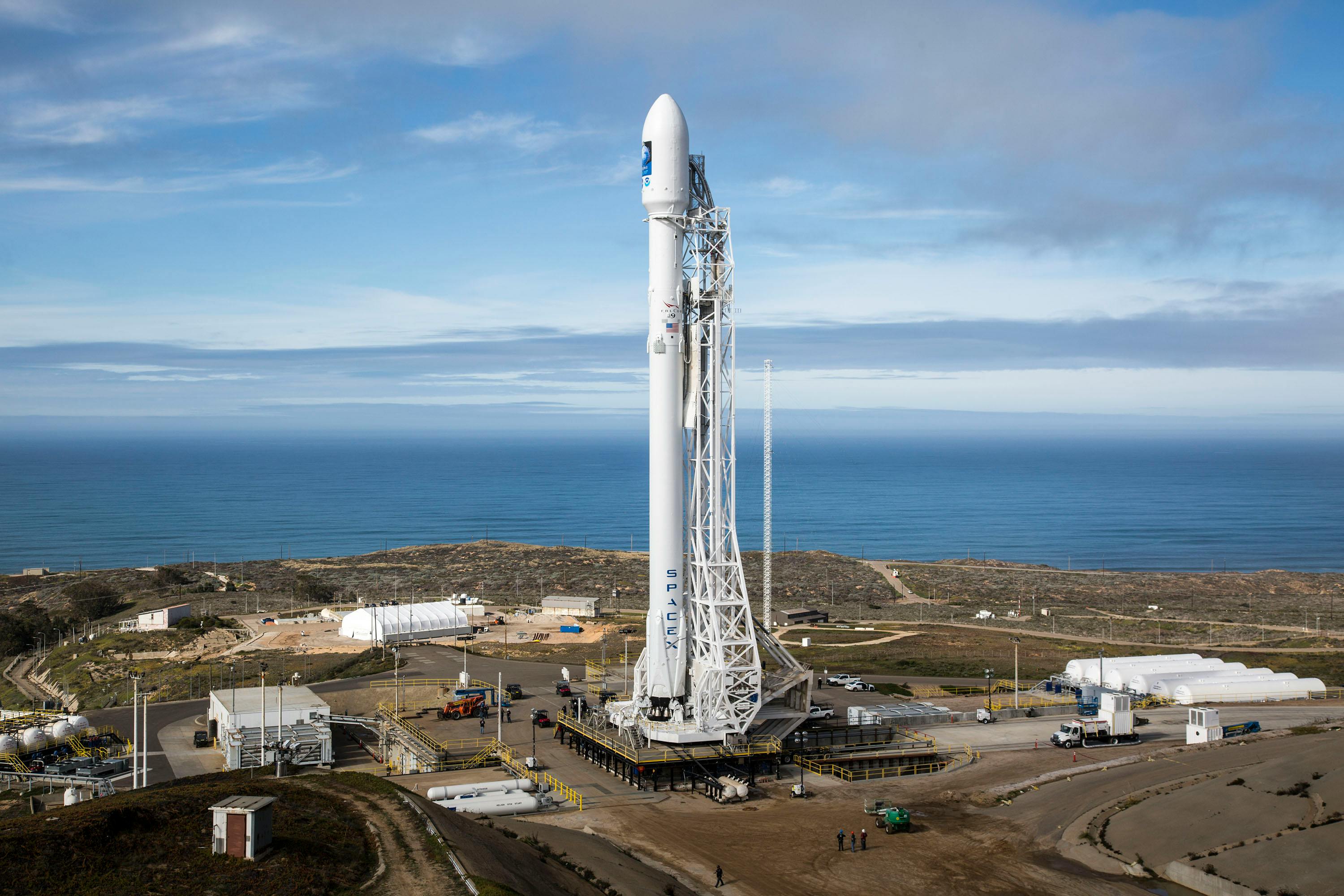
SpaceX secures major U.S. military contracts, Fram2 concludes historic mission, and preparations for another Starlink launch.


Launch Date
June 16, 1993
Launch Site
PLMSC
Launch Pad
LC132/1
Launch Vehicle
Kosmos 11K65M
NORAD ID
37103
International Designator
1993-036BFZ
Decay Date
10/21/2023
Name
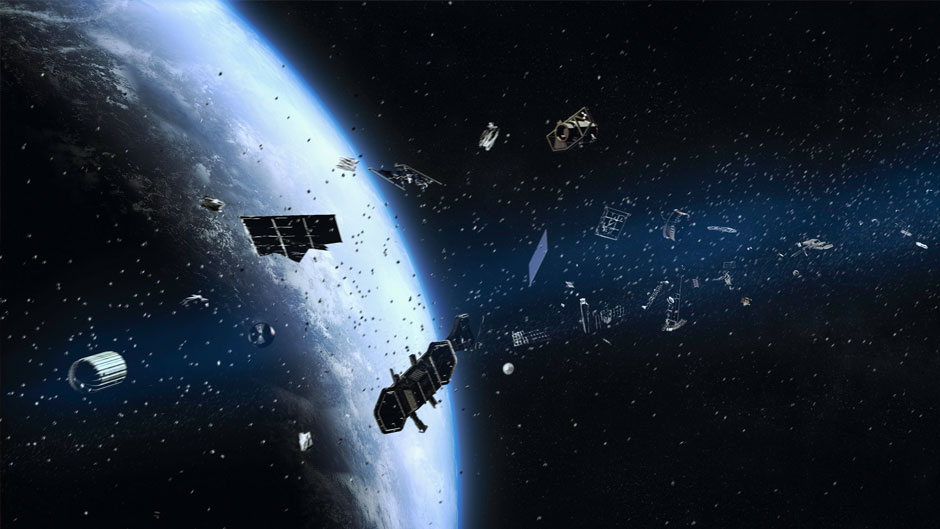
COSMOS 2251 DEB
Alternative Name
deb Kosmos-2251
Type
Status
Owner
KVR
Country
Russia
Constellation
N/A
Related Satellites
Major Events
N/A
Length
0
Diameter
0
Span
0
Dry Mass
0
Launch Mass
0
Shape
N/A
Radar Cross Section
0.0126
Visual Magnitude
Unknown
Color
Unknown
Material Composition
Unknown
Payload
Unknown
Purpose
Unknown
Mission
Unknown
Manufacturer
Unknown
Life Expectancy
Unknown
Bus
Unknown
Configuration
Unknown
Motor
Unknown
Equipment
Unknown
Power System
Unknown
ADCS
Unknown
Transmitter Frequency
Unknown
Learn more about satellites and other related topics.
SpaceX secures major U.S. military contracts, Fram2 concludes historic mission, and preparations for another Starlink launch.

German defense giant Rheinmetall may bid for laser-comm firm Mynaric, challenging Rocket Lab's plans. SpaceX sets Falcon 9 reuse record. Juno reveals Europa ice sheet data.

Starlink restrictions reportedly hit Moscow's drone coordination and frontline comms. SpaceX and xAI enter Pentagon's $100M drone contest. Sentinel ICBM to clear key review this year.
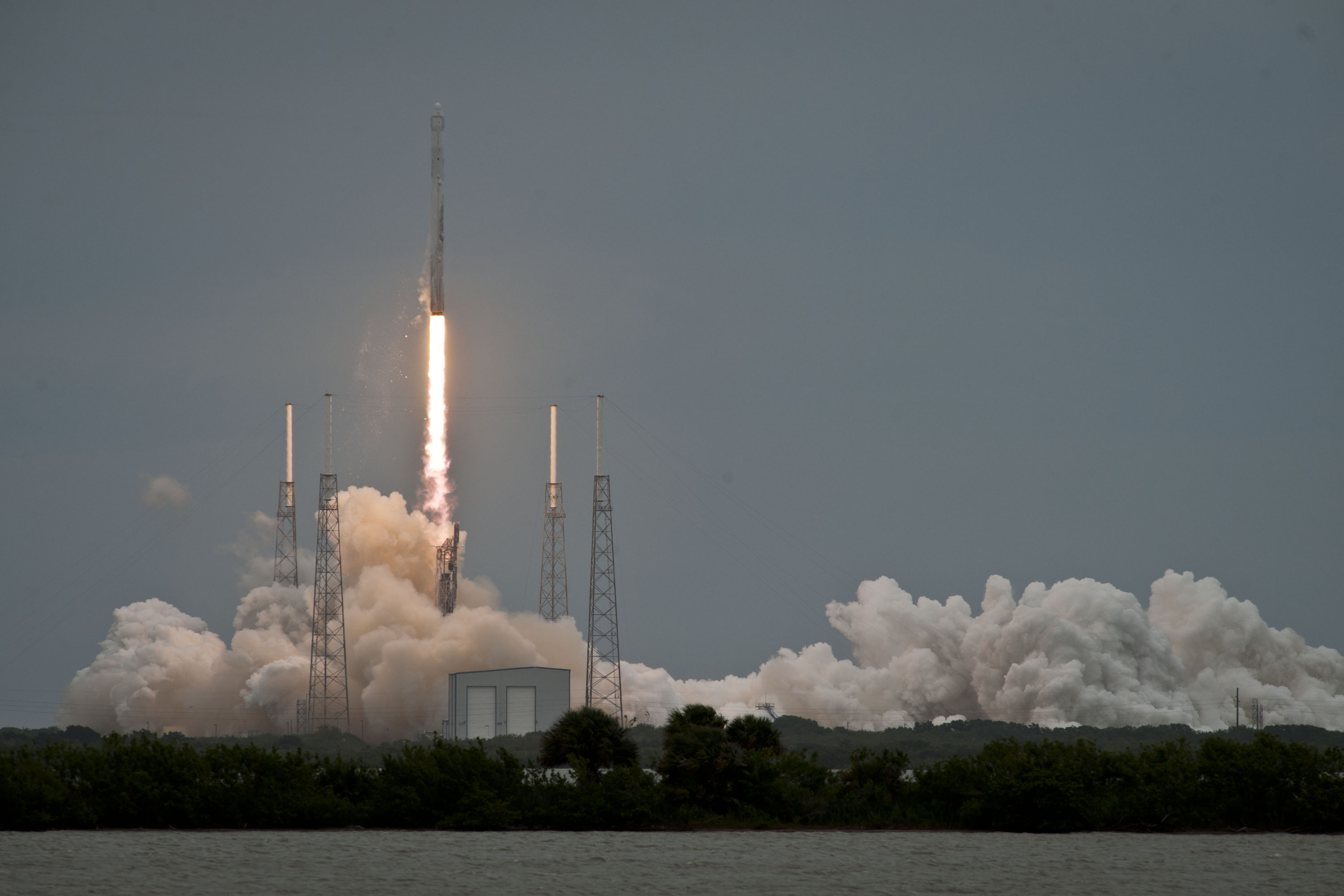
On April 18, 2014, a Falcon 9 first stage did something no orbital rocket had ever done before. It fired its engines on the way down, steered itself through the atmosphere using grid fins that did not yet exist, and touched the Atlantic Ocean softly enough to survive the impact. Nobody recovered it. The data was the whole point.

SpaceX publicly confirmed 2 Starshield government satellites launched from Vandenberg on June 6, a rare disclosure for the classified Starlink variant.
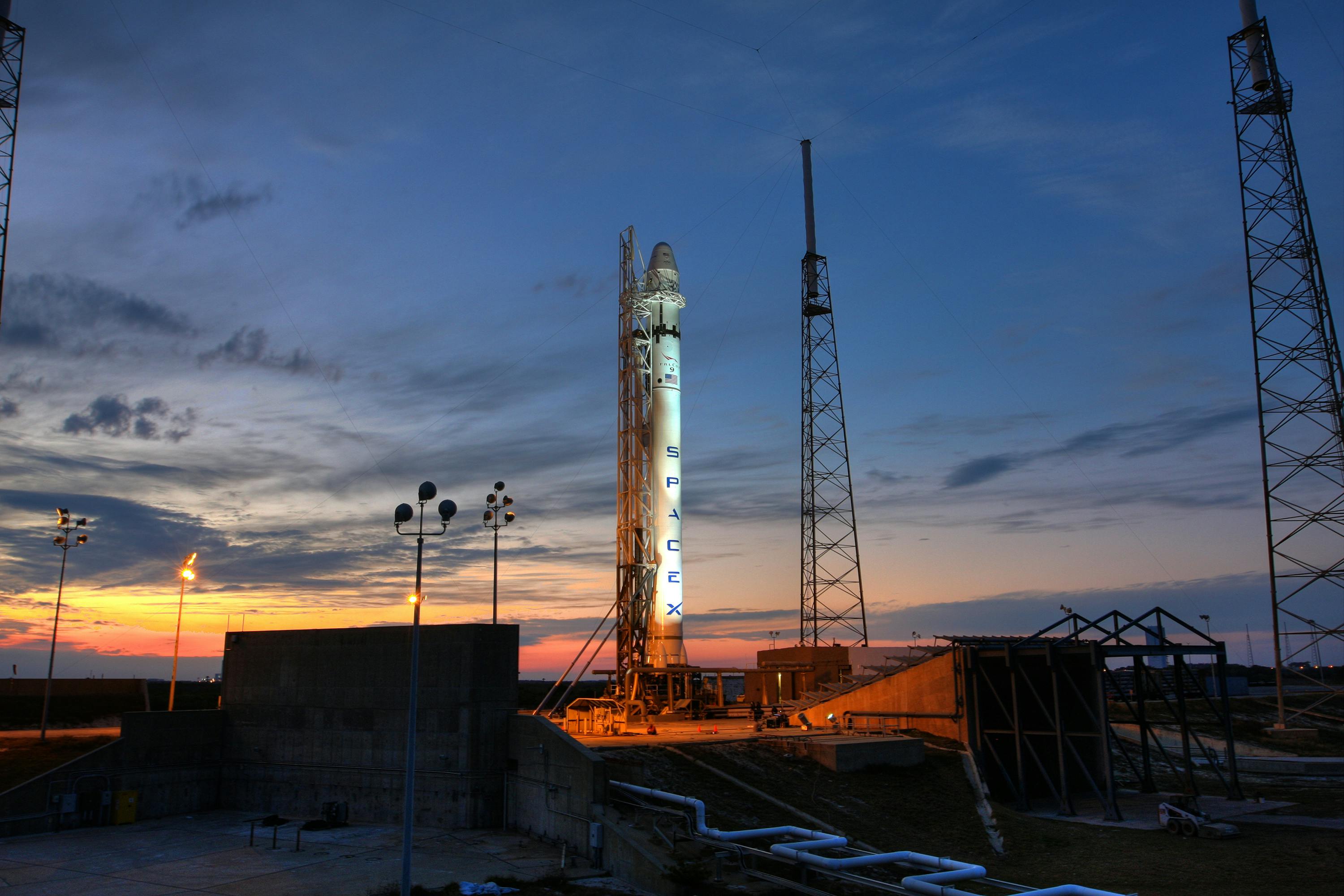
Important updates include SpaceX's $19 billion spectrum deal with EchoStar, a successful super heavy booster test, and recent setbacks in launching due to poor weather.
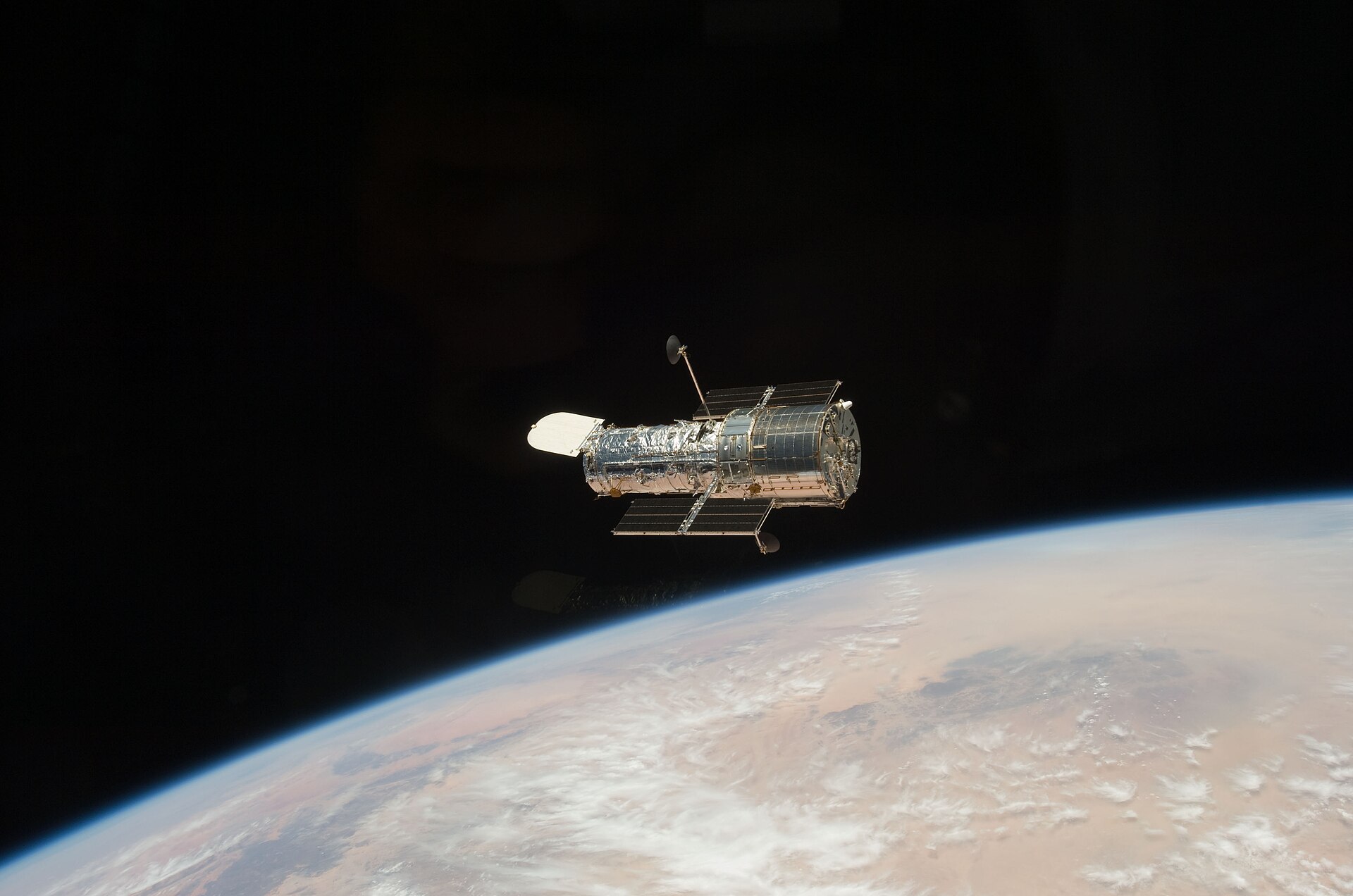
On April 25, 1990, the Space Shuttle Discovery's robotic arm lifted a 11,110-kilogram barrel of mirrors and instruments out of the payload bay and released it into orbit. Six weeks later, the first images came back badly out of focus. The Hubble Space Telescope had been ground to the wrong prescription, and America had just spent $2.5 billion on what the press was calling a 'technoturkey.'
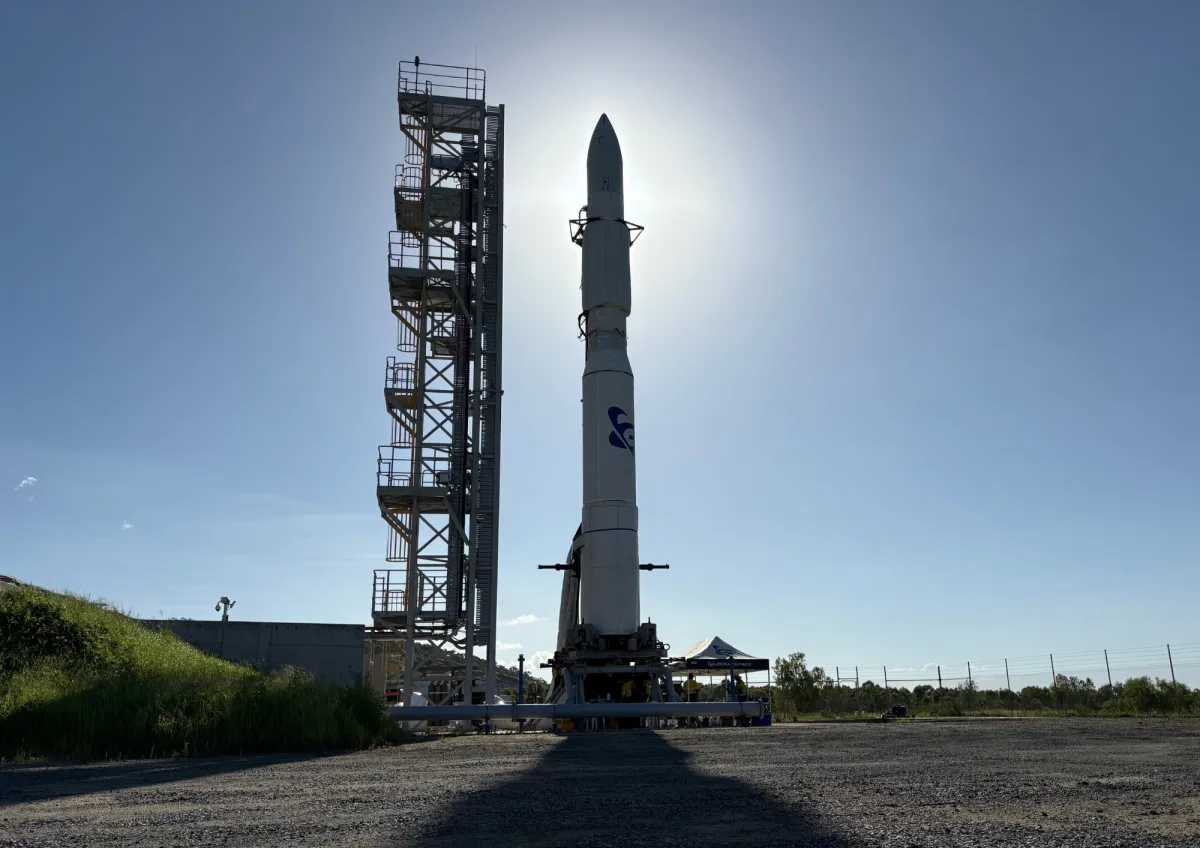
Dive into the latest developments including U.S. national security launch contracts, penalties for drone violations at military bases, and emerging European launch providers.