

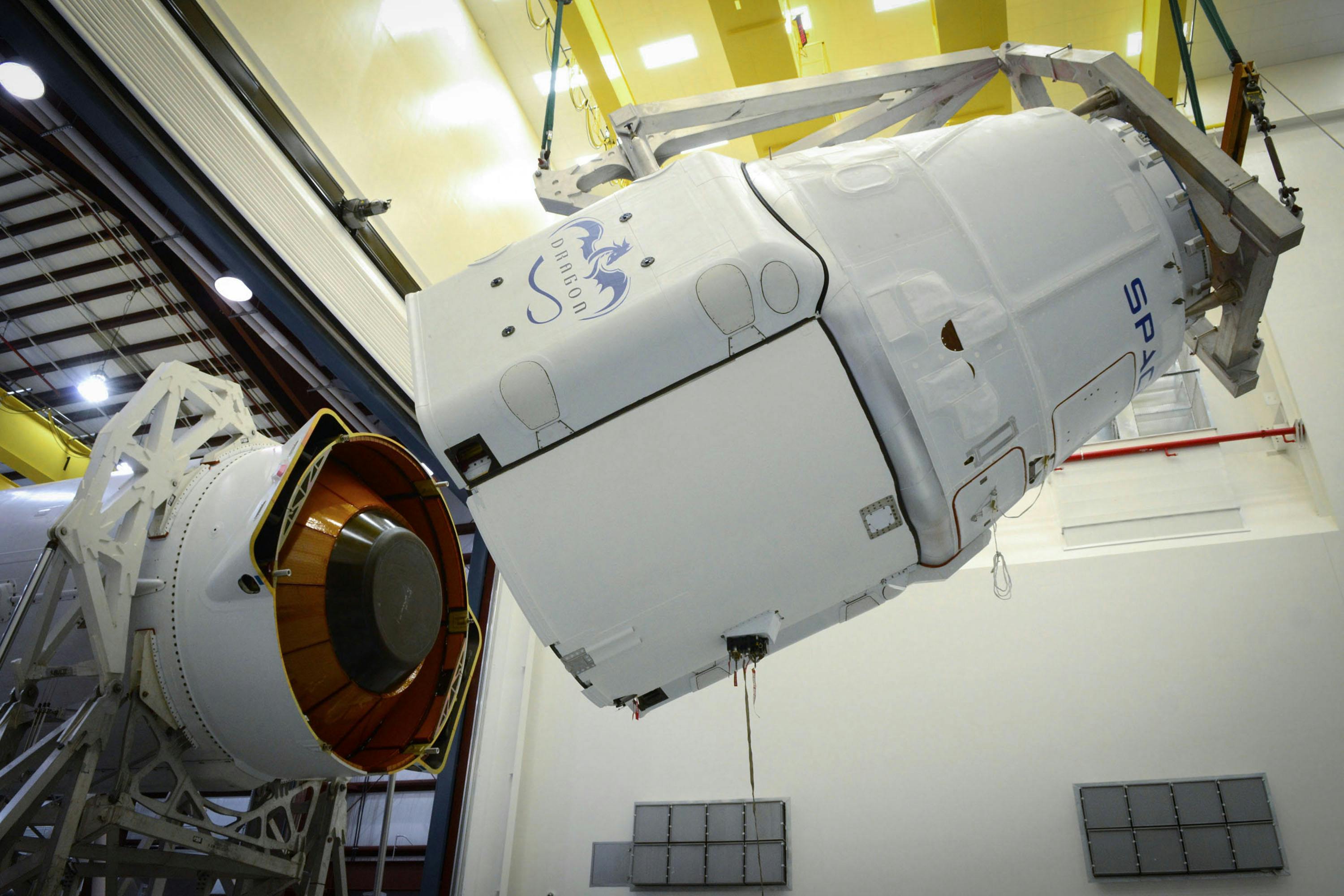
ESA Buys Dedicated Crew Dragon Mission for 4 Astronauts | KeepTrack X Report
ESA is purchasing a dedicated SpaceX Crew Dragon flight to send 4 European astronauts to the ISS ahead of the station's planned retirement.


Launch Date
June 16, 1993
Launch Site
PLMSC
Launch Pad
LC132/1
Launch Vehicle
Kosmos 11K65M
NORAD ID
37092
International Designator
1993-036BFN
Decay Date
2/28/2023
Name
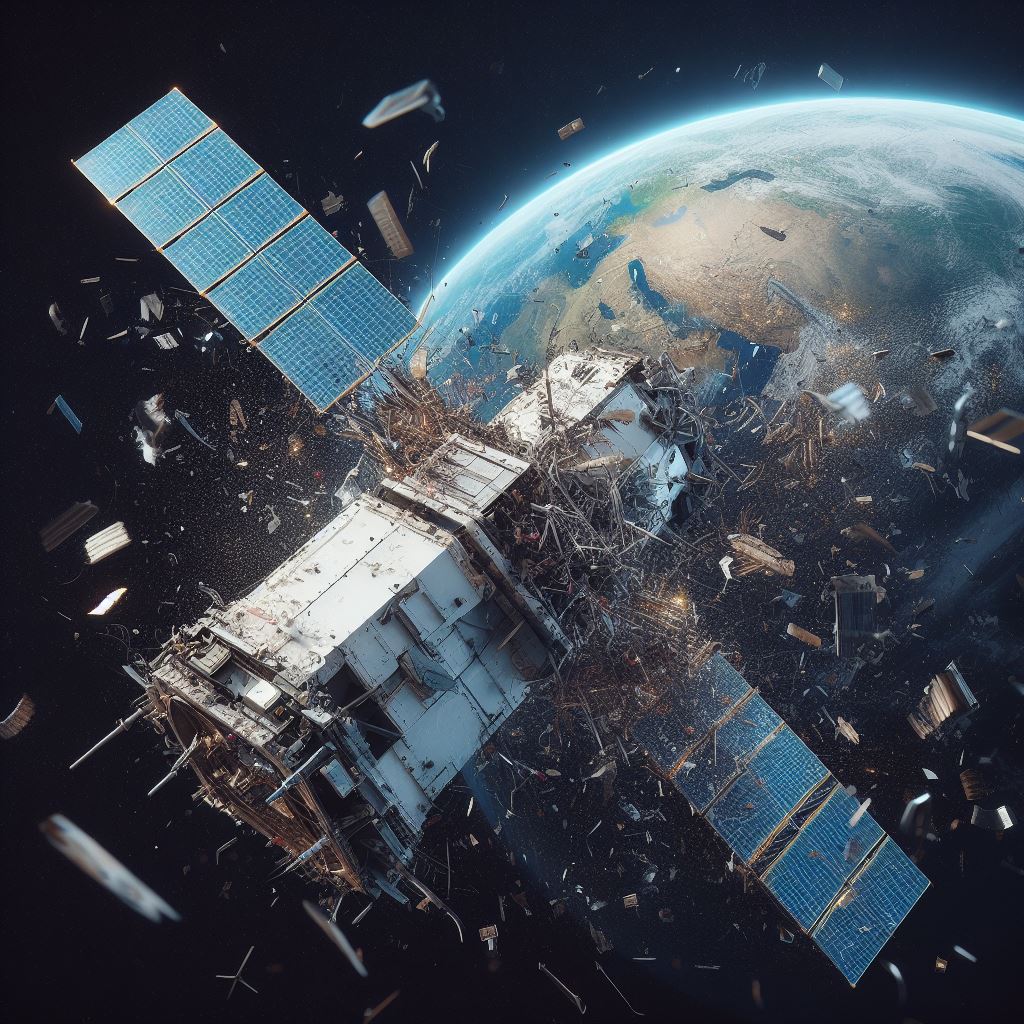
COSMOS 2251 DEB
Alternative Name
deb Kosmos-2251
Type
Status
Owner
KVR
Country
Russia
Constellation
N/A
Related Satellites
Major Events
N/A
Length
0
Diameter
0
Span
0
Dry Mass
0
Launch Mass
0
Shape
N/A
Radar Cross Section
0.0152
Visual Magnitude
Unknown
Color
Unknown
Material Composition
Unknown
Payload
Unknown
Purpose
Unknown
Mission
Unknown
Manufacturer
Unknown
Life Expectancy
Unknown
Bus
Unknown
Configuration
Unknown
Motor
Unknown
Equipment
Unknown
Power System
Unknown
ADCS
Unknown
Transmitter Frequency
Unknown
Learn more about satellites and other related topics.
ESA is purchasing a dedicated SpaceX Crew Dragon flight to send 4 European astronauts to the ISS ahead of the station's planned retirement.
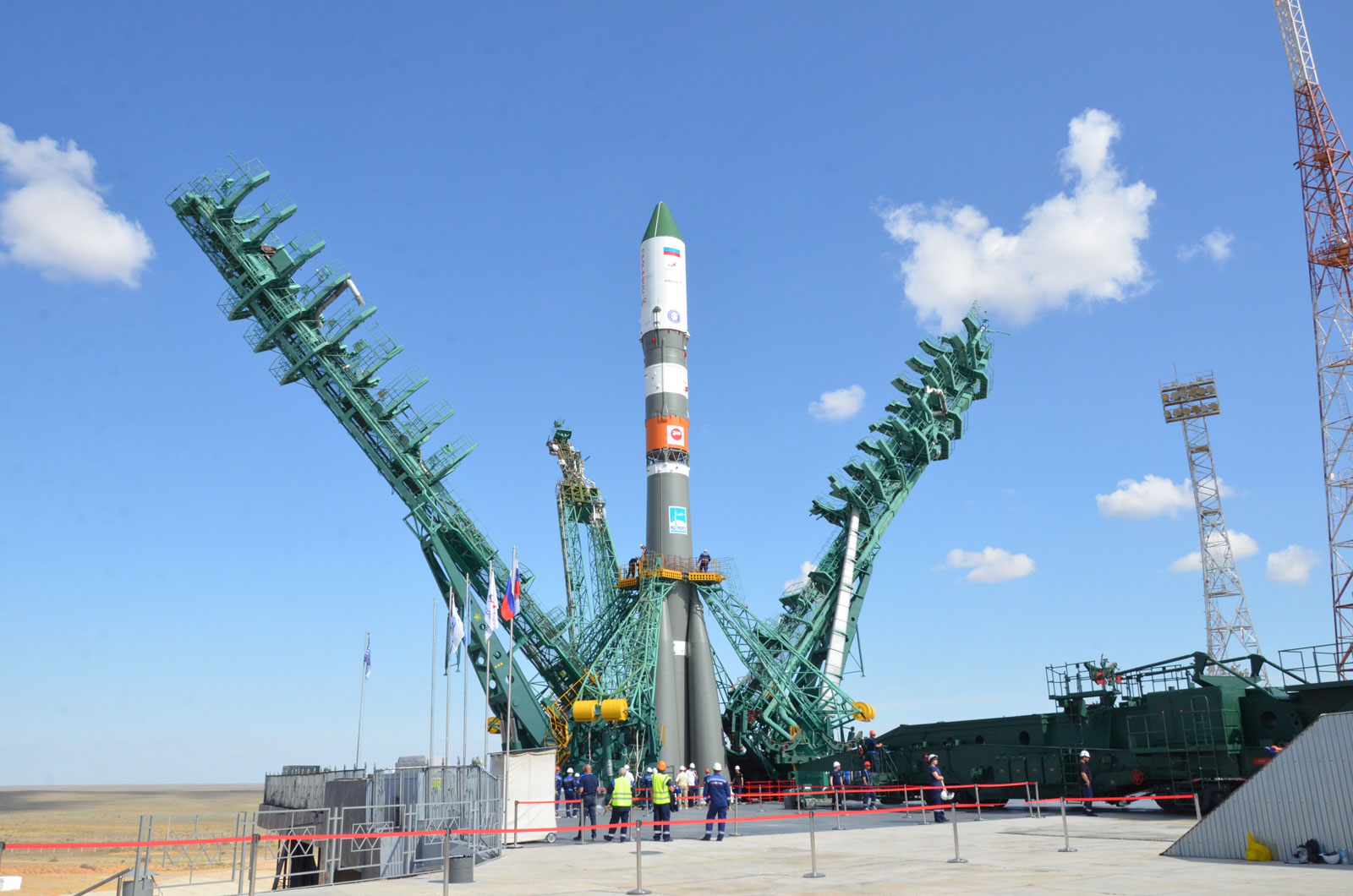
Today's highlights include a record-breaking event at the International Space Station, significant funding for hypersonic missile production, and several key military developments impacting space strategy.
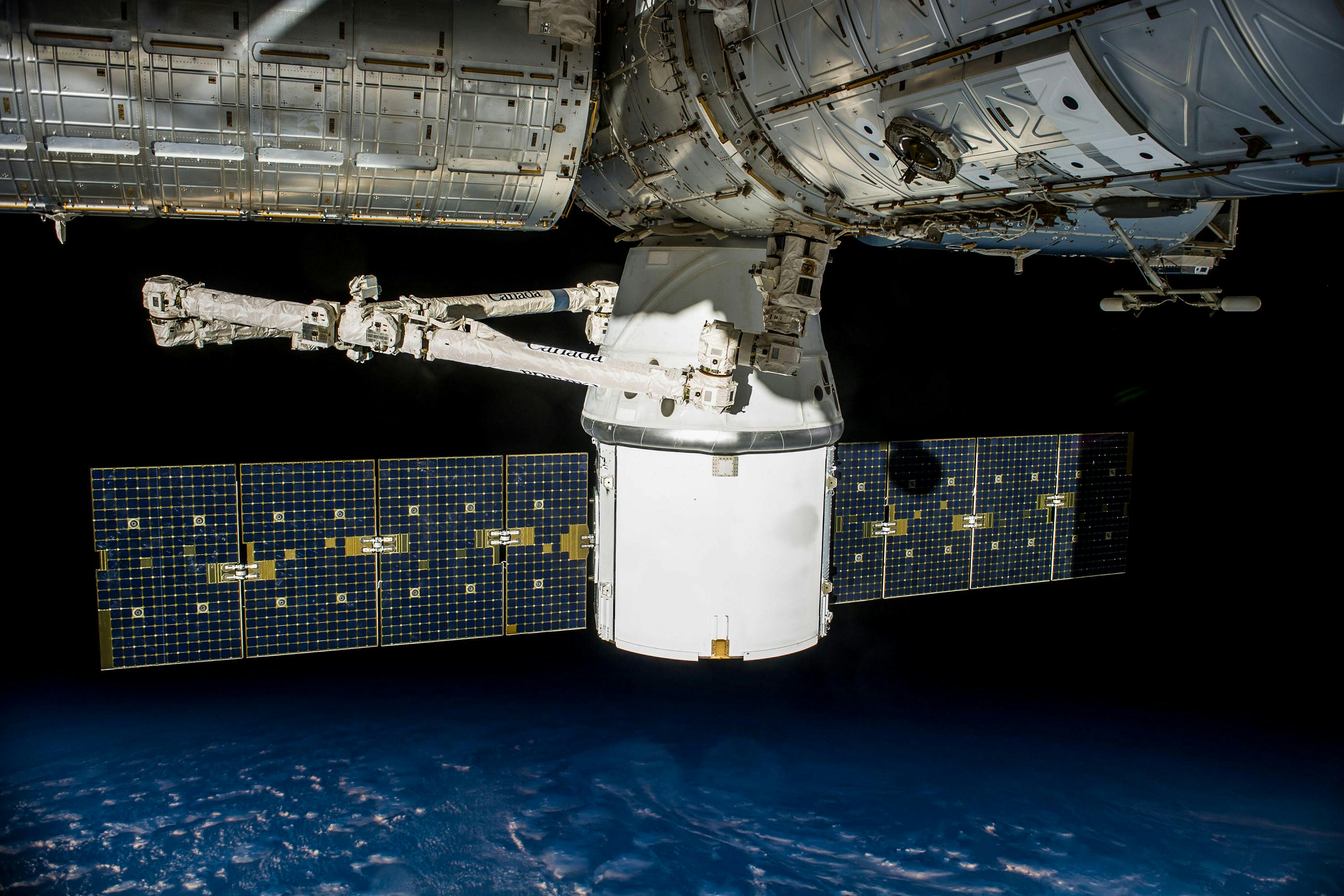
SpaceX prepares for Bandwagon-2 rideshare mission launch, while FAA updates license for Starship's next flight; Crew Dragon mission faces delays.

Today's key topics include delays in Vulcan's national security launches, a significant network upgrade contract for the Space Force, and military interest in SpaceX's Starship.

ESA-China SMILE spacecraft successfully launched from Kourou to image Earth's magnetosphere. First continuous global views of solar wind interaction now in orbit.
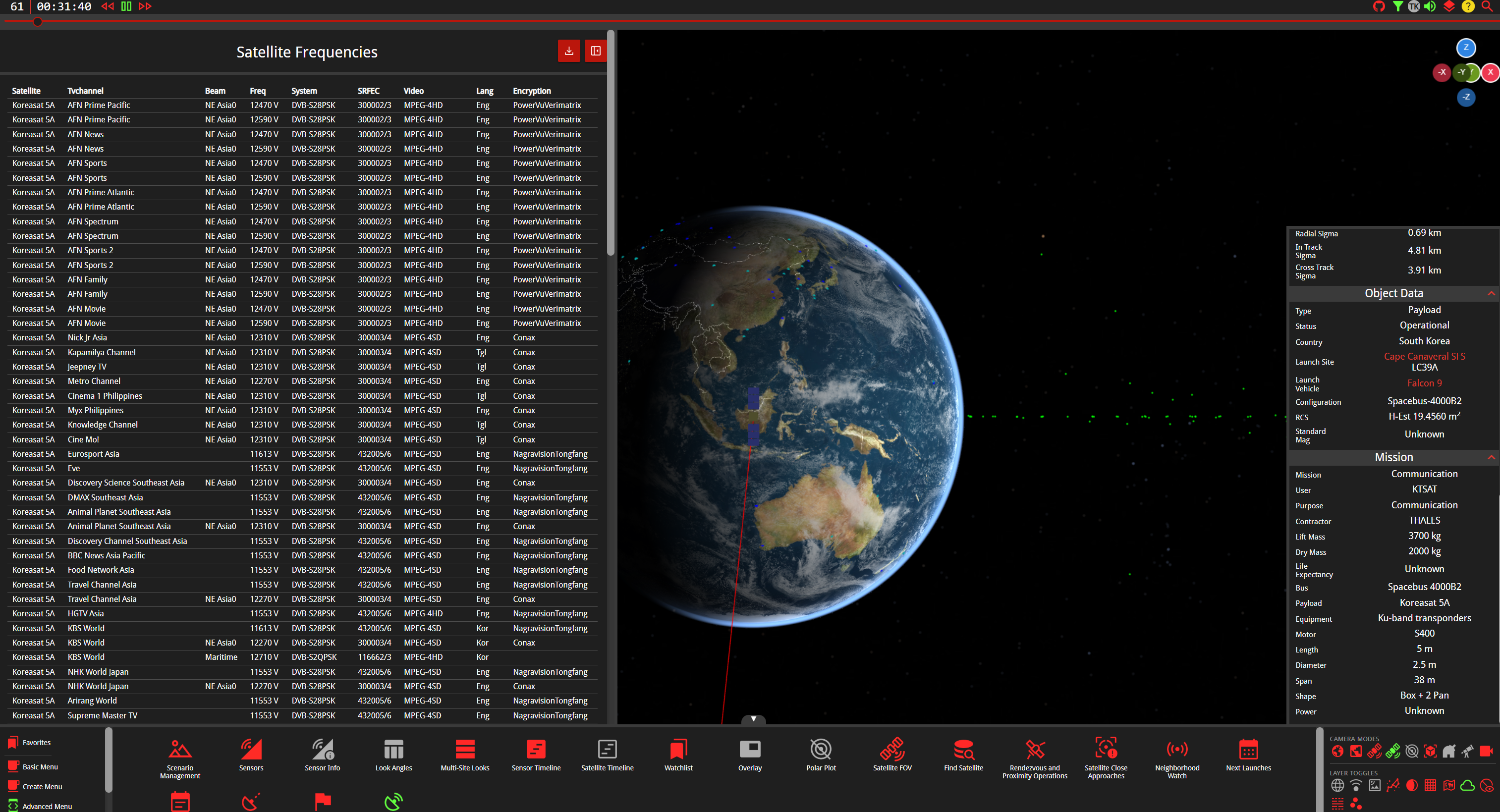
The frequency band that brought satellite TV to small dishes on rooftops and revolutionized direct-to-home broadcasting

SpaceX successfully launched the NROL-48 mission, growing the National Reconnaissance Office's satellite fleet. Additionally, NASA introduced ten new astronaut candidates, increasing female representation in its ranks.
U.S. Space Force increased Andromeda contract ceiling to $6.2 billion for next-generation space situational awareness satellites replacing GSSAP and SILENTBARKER programs.