


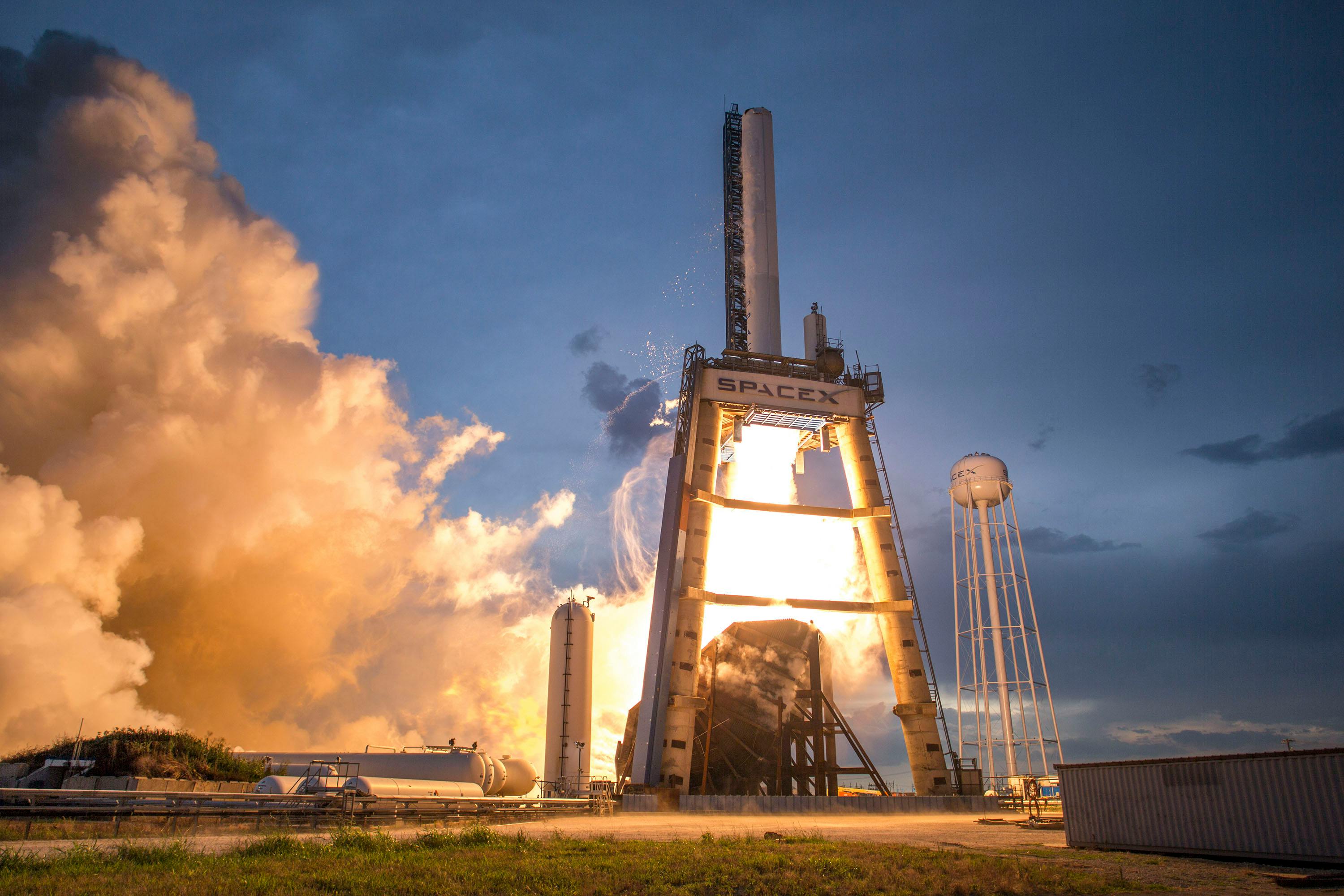
X Report 2 Dec 2024
SpaceX continues its Starship testing while advancing Starlink deployments, and collaborates on satellite missions with industry partners.



Launch Date
May 10, 1999
Launch Site
TAISC
Launch Pad
LC7
Launch Vehicle
Chang Zheng 4B
NORAD ID
37017
International Designator
1999-025ECZ
Epoch
Thu, 02 Jul 2026 02:16:43 GMT
Apogee
Calculating...
Perigee
Calculating...
Inclination
98.81°
Right Ascension
139.15°
Eccentricity
Calculating...
Argument of Perigee
124.16°
Period
99.80 min
Mean Motion
14.43 rev/day
Latitude
Calculating...
Longitude
Calculating...
Altitude
Calculating...
Velocity
Calculating...
Name
FENGYUN 1C DEB
Alternative Name
deb FY-1C
Type
Status
Owner
CASC
Country
China
Constellation
N/A
Related Satellites
Major Events
N/A
1 37017U 99025ECZ 26183.09494667 .00004258 00000-0 81374-3 0 9993
2 37017 98.8094 139.1498 0275392 124.1643 238.5988 14.42954219640635
Source: Celestrak
Length
0
Diameter
0
Span
0
Dry Mass
0
Launch Mass
0
Shape
N/A
Radar Cross Section
0.0089
Visual Magnitude
Unknown
Color
Unknown
Material Composition
Unknown
Payload
Unknown
Purpose
Unknown
Mission
Unknown
Manufacturer
Unknown
Life Expectancy
Unknown
Bus
Unknown
Configuration
Unknown
Motor
Unknown
Equipment
Unknown
Power System
Unknown
ADCS
Unknown
Transmitter Frequency
Unknown
Learn more about satellites and other related topics.
SpaceX continues its Starship testing while advancing Starlink deployments, and collaborates on satellite missions with industry partners.

SpaceX continues to ramp up its operations with the launch of 29 more Starlink satellites, while significant upgrades at its Starbase facility signify ambitious future plans.
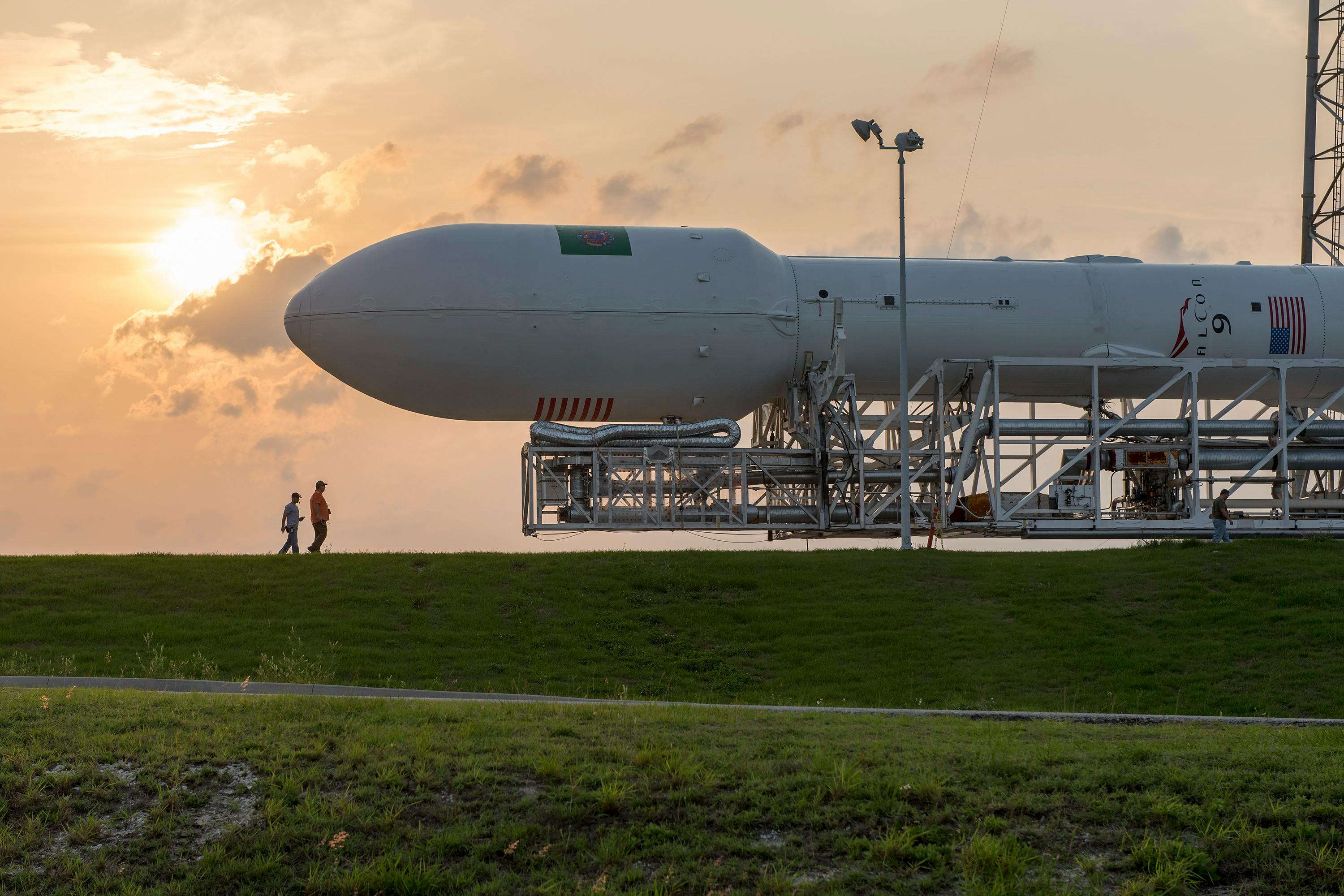
SpaceX prepares for another Starlink launch while facing potential C-band spectrum challenges.
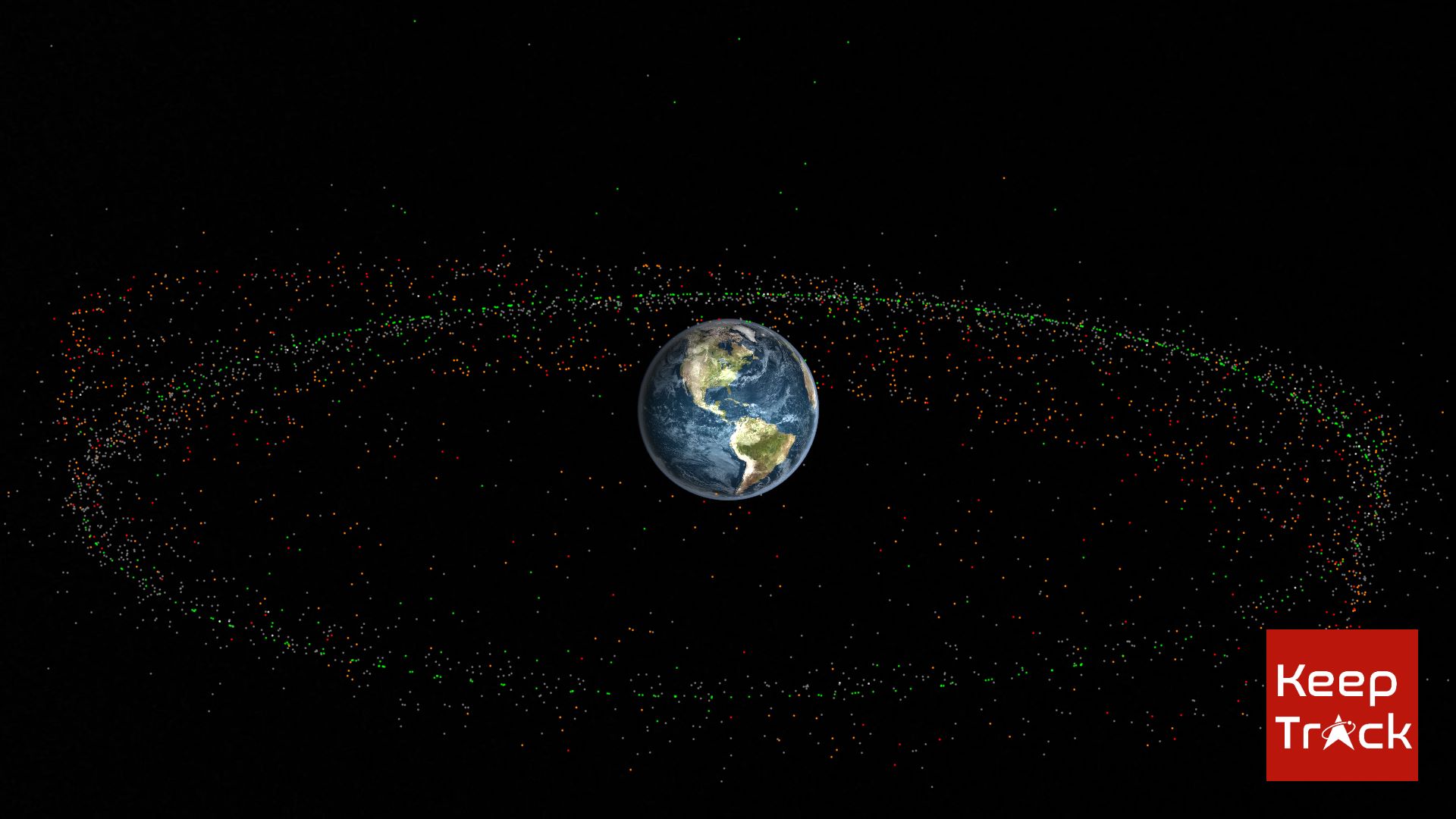
Understanding the unique orbital sweet spot that keeps satellites perfectly positioned above Earth

Starship Flight 13 launches first Starlink V3 satellites as SpaceX nears 10,839 working satellites in orbit across the Starlink fleet.
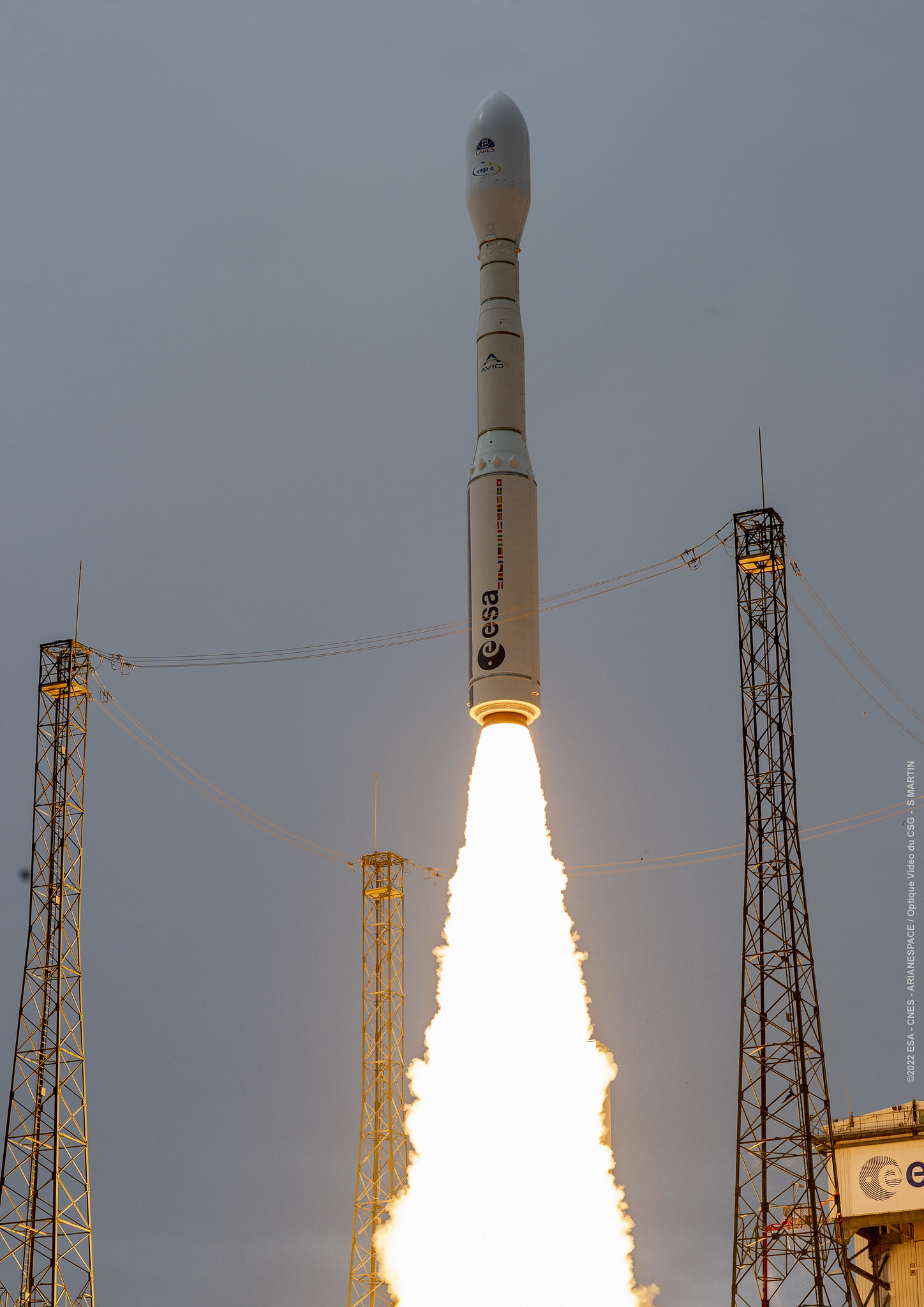
Today's highlights include a space debris incident involving China's spacecraft, development advancements for military space missions, and a notable setback for SpaceX's Starship booster.
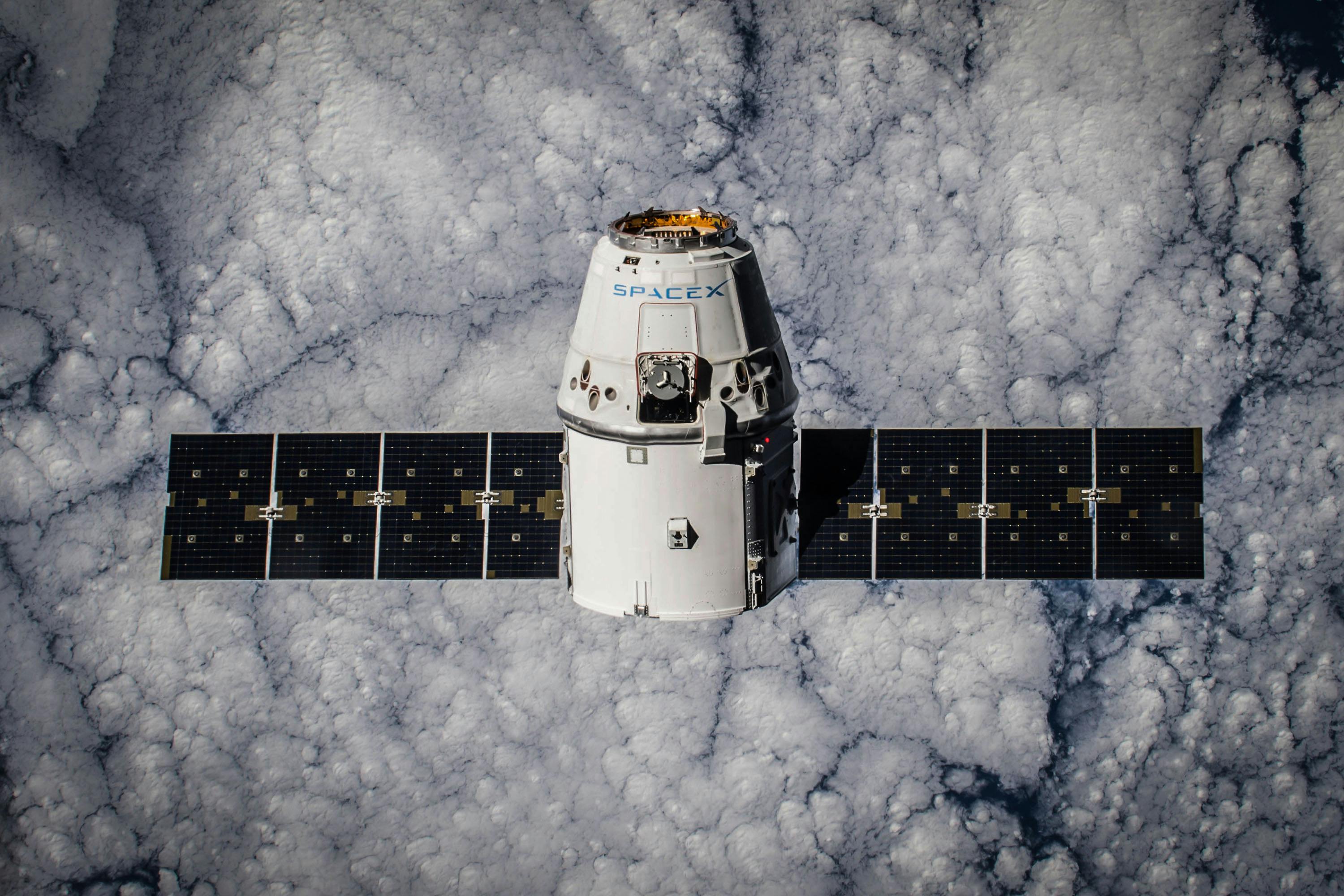
SpaceX progresses with Starship developments and sets sights on NASA's upcoming 3D sky-mapping satellite launch.

ULA's Vulcan remains grounded after February in-flight GEM 63XL booster anomaly. Northrop Grumman completed successful static fire test, but investigation ongoing with no return-to-flight date.