


$4.16B Space Force Contract Goes to SpaceX, X Report 30 May 2026
SpaceX wins a $4.16B US Space Force contract for an airborne threat tracking satellite network. Starlink holds 10,413 satellites in orbit, 10,397 working.


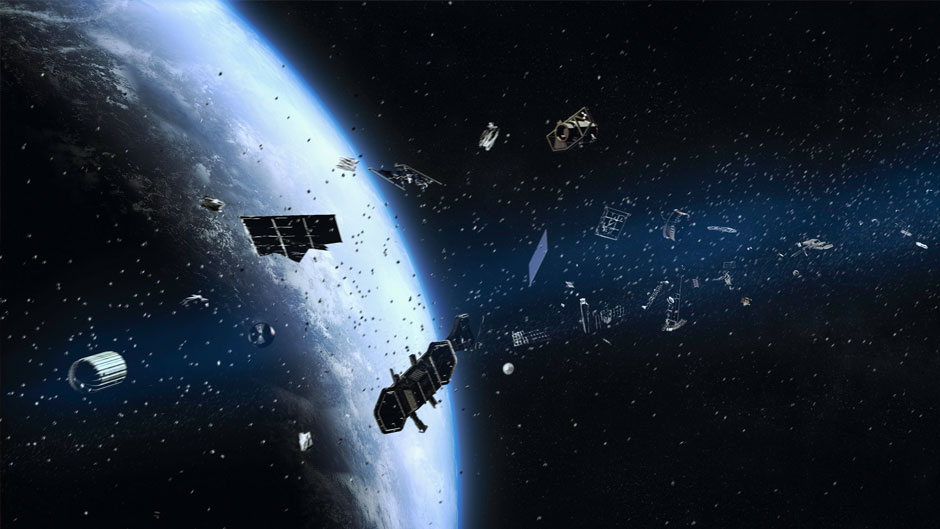
Launch Date
May 10, 1999
Launch Site
TAISC
Launch Pad
LC7
Launch Vehicle
Chang Zheng 4B
NORAD ID
37003
International Designator
1999-025ECK
Epoch
Sat, 04 Jul 2026 07:04:47 GMT
Apogee
Calculating...
Perigee
Calculating...
Inclination
98.83°
Right Ascension
205.90°
Eccentricity
Calculating...
Argument of Perigee
321.56°
Period
103.11 min
Mean Motion
13.97 rev/day
Latitude
Calculating...
Longitude
Calculating...
Altitude
Calculating...
Velocity
Calculating...
Name
FENGYUN 1C DEB
Alternative Name
deb FY-1C
Type
Status
Owner
CASC
Country
China
Constellation
N/A
Related Satellites
Major Events
N/A
1 37003U 99025ECK 26185.29499602 .00000671 00000-0 49649-3 0 9990
2 37003 98.8293 205.8952 0094793 321.5633 53.5451 13.96581494634983
Source: Celestrak
Length
0
Diameter
0
Span
0
Dry Mass
0
Launch Mass
0
Shape
N/A
Radar Cross Section
0.0149
Visual Magnitude
Unknown
Color
Unknown
Material Composition
Unknown
Payload
Unknown
Purpose
Unknown
Mission
Unknown
Manufacturer
Unknown
Life Expectancy
Unknown
Bus
Unknown
Configuration
Unknown
Motor
Unknown
Equipment
Unknown
Power System
Unknown
ADCS
Unknown
Transmitter Frequency
Unknown
Learn more about satellites and other related topics.
SpaceX wins a $4.16B US Space Force contract for an airborne threat tracking satellite network. Starlink holds 10,413 satellites in orbit, 10,397 working.

Today's highlights: China's Long March 12 boosts lunar ambitions, SpaceX supports NRO's satellite infrastructure, Firefly prepares lunar mission, and NASA partners with SpaceX for Titan exploration.

In today's update, SpaceX successfully launched 28 Starlink satellites from Vandenberg, while Italy grapples with its satellite strategy amid rising reliance on Starlink services.
Today's highlights include significant data release from NASA's Atmospheric Waves Experiment, SpaceX's dual launches of Crew-10 and Starlink satellites, and intriguing findings from the arctic ice studies.
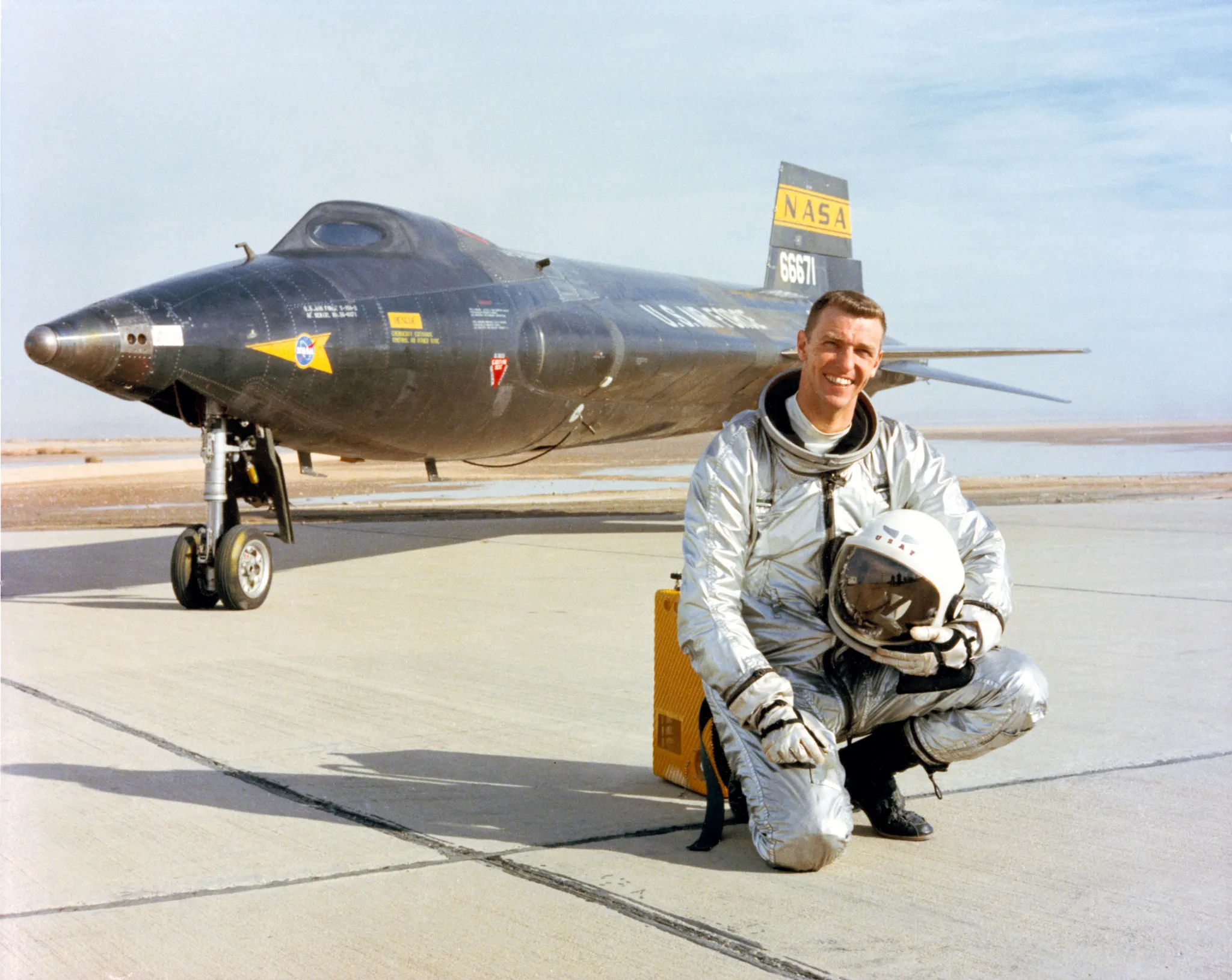
On 29 June 1965, a young Air Force test pilot rode a rocket-powered airplane to 280,600 feet above the California desert. He landed ten minutes later as the youngest person ever to earn astronaut wings.
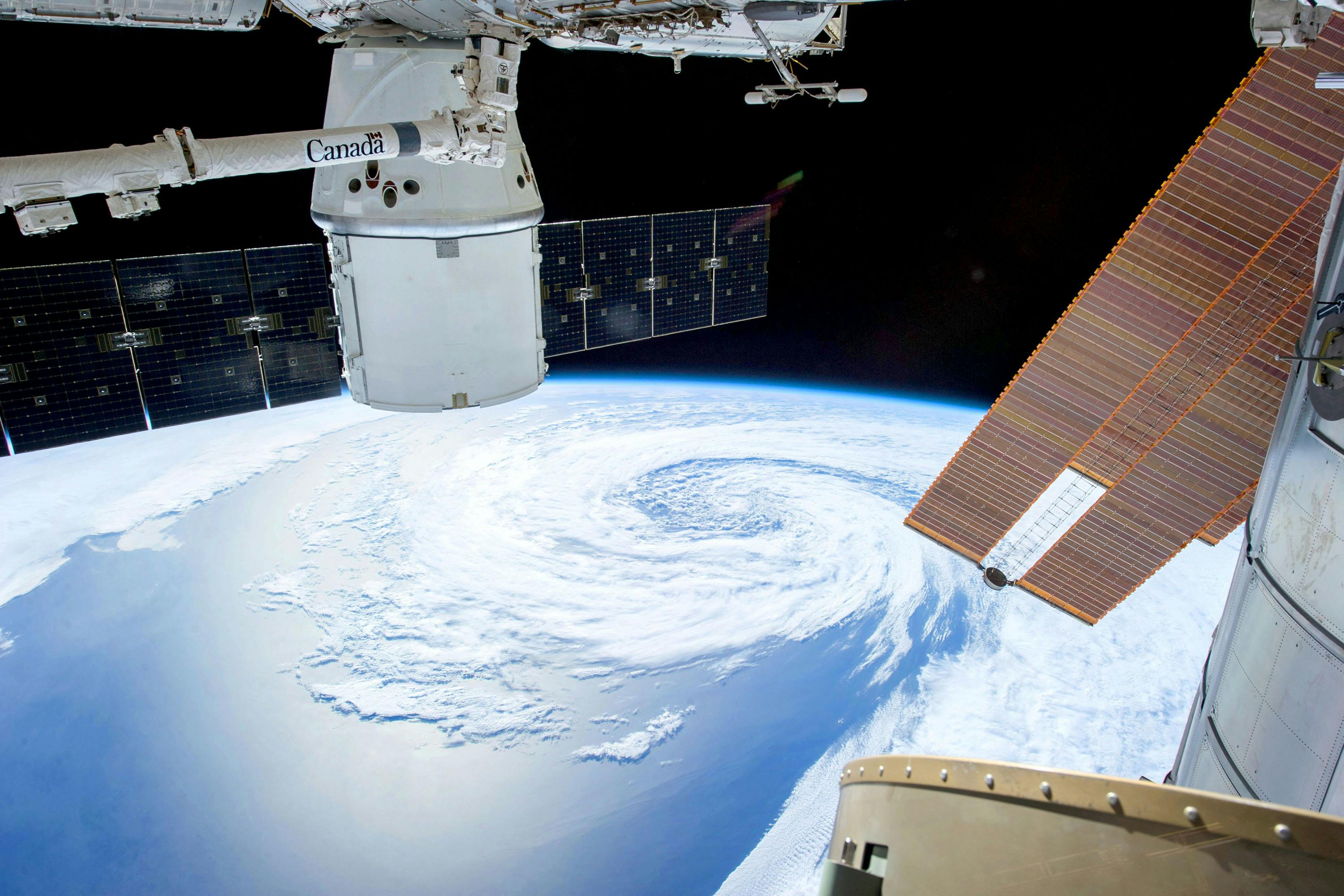
SpaceX successfully rotates Crew-9 and Crew-10 on the ISS and launches new Starlink satellites with direct-to-cell capability.
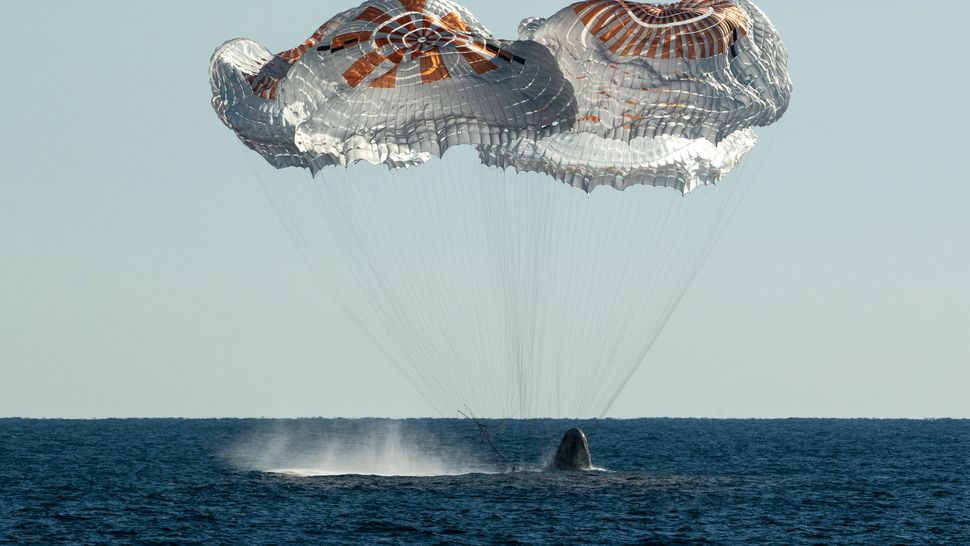
Today's highlights include Crew-8's return amid weather delays, new space tourism announcements by Deep Blue Aerospace, and Europe's efforts to combat space debris. Plus, another successful SpaceX launch and the ESA backed Zero Debris Charter gains international traction.
Today's briefing focuses on key developments in military space activities, technological advancements, and strategic challenges faced by the U.S. in space dominance. Notably, the Space Force is expanding its missile warning capabilities, and significant funding discussions are underway.