

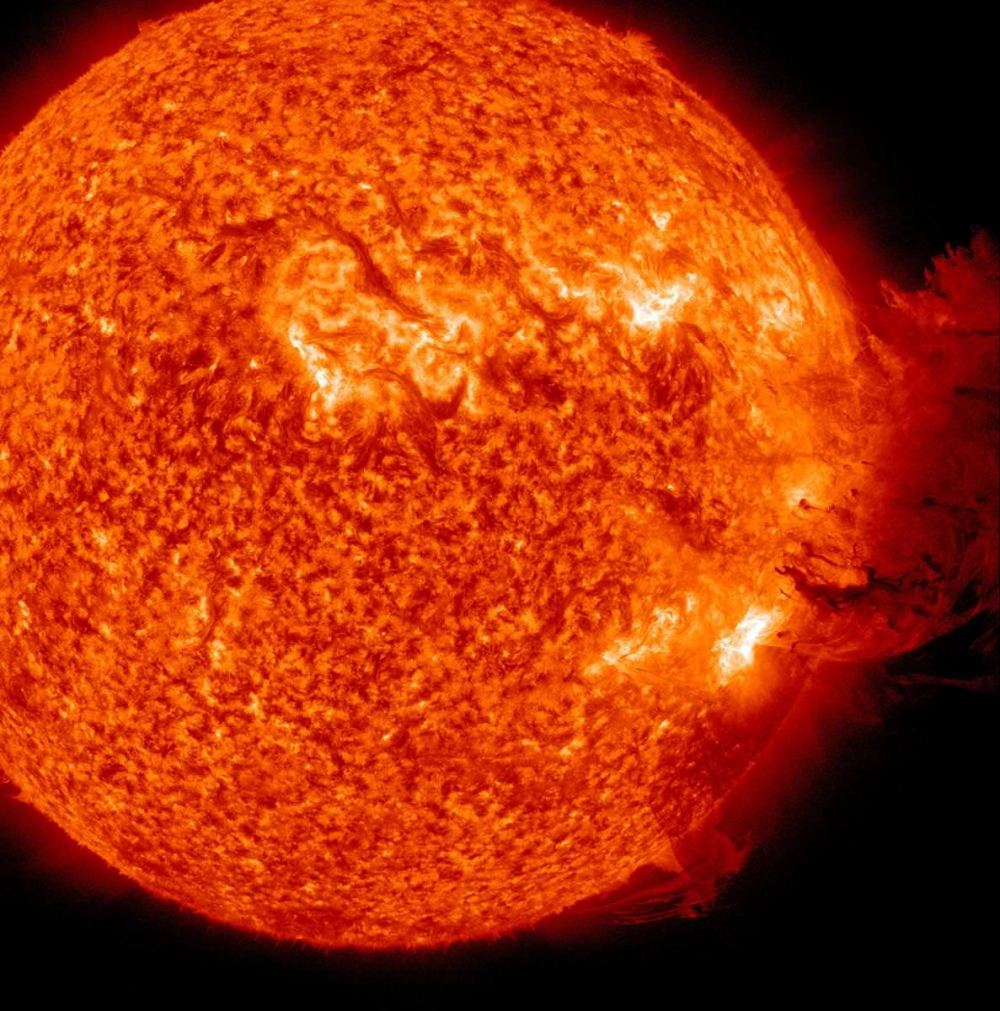
The Day Humanity Gained New Eyes on the Sun
Fifteen years ago, NASA launched its most advanced solar observatory, revolutionizing our understanding of our star and transforming space weather prediction



Launch Date
October 31, 1979
Launch Site
PLMSC
Launch Pad
LC43/4
Launch Vehicle
Vostok 8A92M
NORAD ID
36917
International Designator
1979-095BJ
Decay Date
3/27/2014
Name
METEOR 2-5 DEB
Alternative Name
deb Meteor-2
Type
Status
Owner
KVR
Country
Russia
Constellation
N/A
Related Satellites
Major Events
N/A
Length
0
Diameter
0
Span
0
Dry Mass
0
Launch Mass
0
Shape
N/A
Radar Cross Section
0.0005
Visual Magnitude
Unknown
Color
Unknown
Material Composition
Unknown
Payload
Unknown
Purpose
Unknown
Mission
Unknown
Manufacturer
Unknown
Life Expectancy
Unknown
Bus
Unknown
Configuration
Unknown
Motor
Unknown
Equipment
Unknown
Power System
Unknown
ADCS
Unknown
Transmitter Frequency
Unknown
Learn more about satellites and other related topics.
Fifteen years ago, NASA launched its most advanced solar observatory, revolutionizing our understanding of our star and transforming space weather prediction

FCC approves 7,500 additional Starlink Gen2 satellites. Space Force awards SpaceX $739M for nine national security launches. NASA plans Crew-11 medical evacuation from ISS on January 14.

Blue Origin's New Glenn suffered a damaging anomaly during hotfire testing at Launch Complex 36, grounding the heavy-lift rocket indefinitely with no return-to-flight timeline announced.

Busy activities in space: SpaceX's series of Starlink launches dominate the week, while Vega C successfully deploys Earth science satellites.
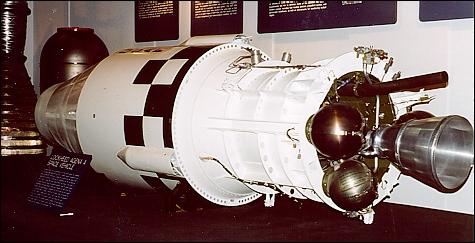
Sixty-six years ago, a Thor-Agena rocket thundered into the California sky carrying Discoverer 1, the first satellite attempt at polar orbit and the secret vanguard of Americas space reconnaissance program
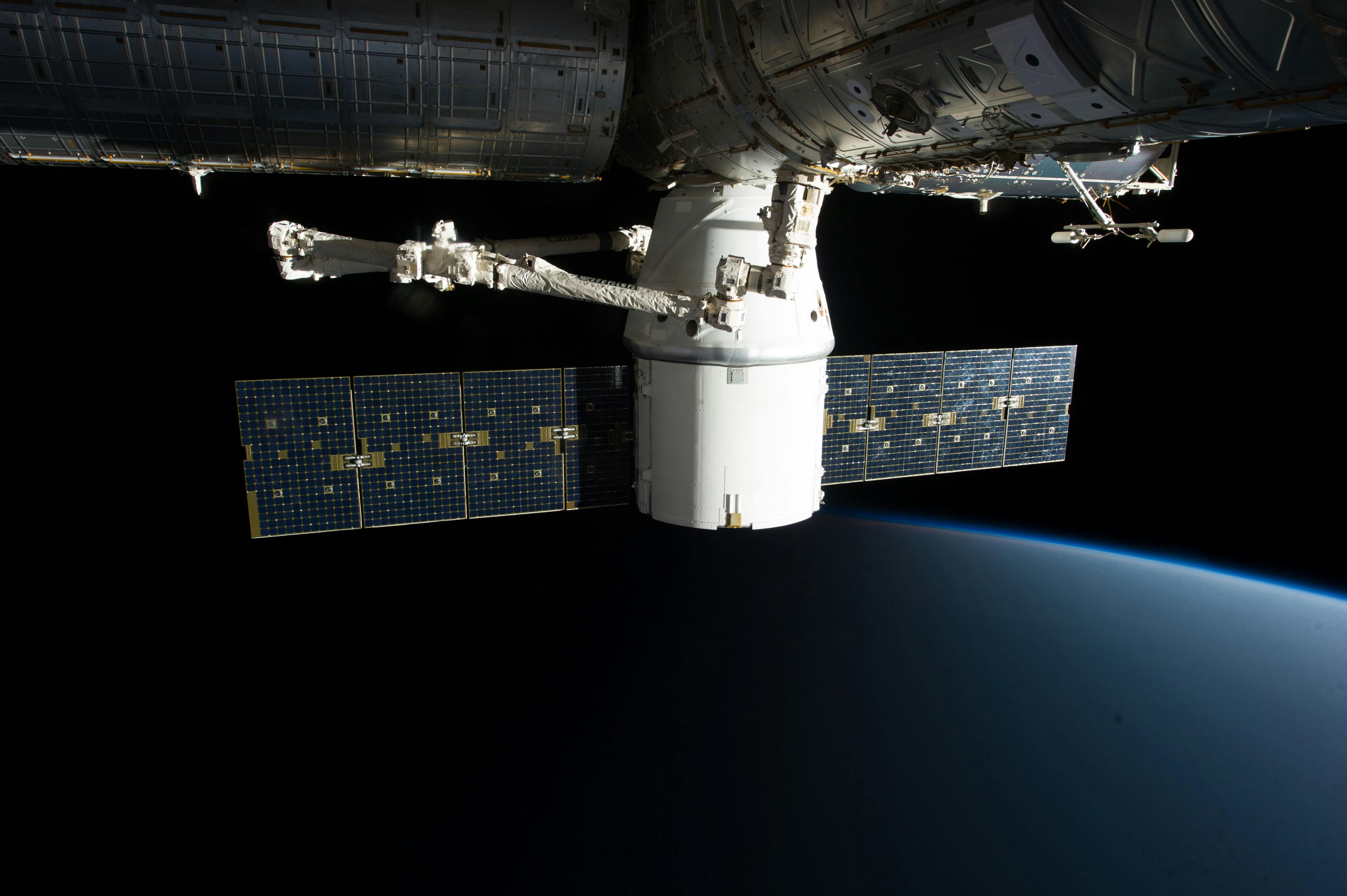
Starship V3 completes its first full-duration static fire in April 2026, with Flight 12 targeting May. Dual Falcon 9s push Starlink to 10,242 working.

Today's Space Brief highlights major developments including NASA's Dream Chaser contract modifications, Germany's significant investment in space capabilities, and advancements in hybrid satcom technology.
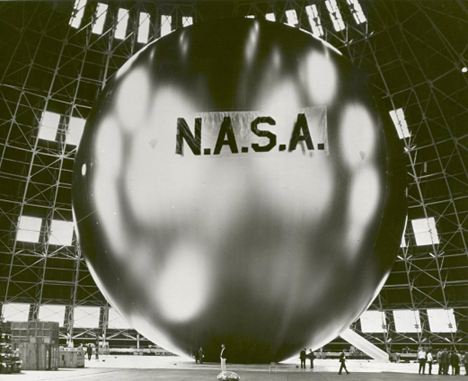
When a 135-foot inflatable mirror bounced a radio signal from England to Russia, it became the first joint US-Soviet space venture - and changed how we think about satellite communication.