


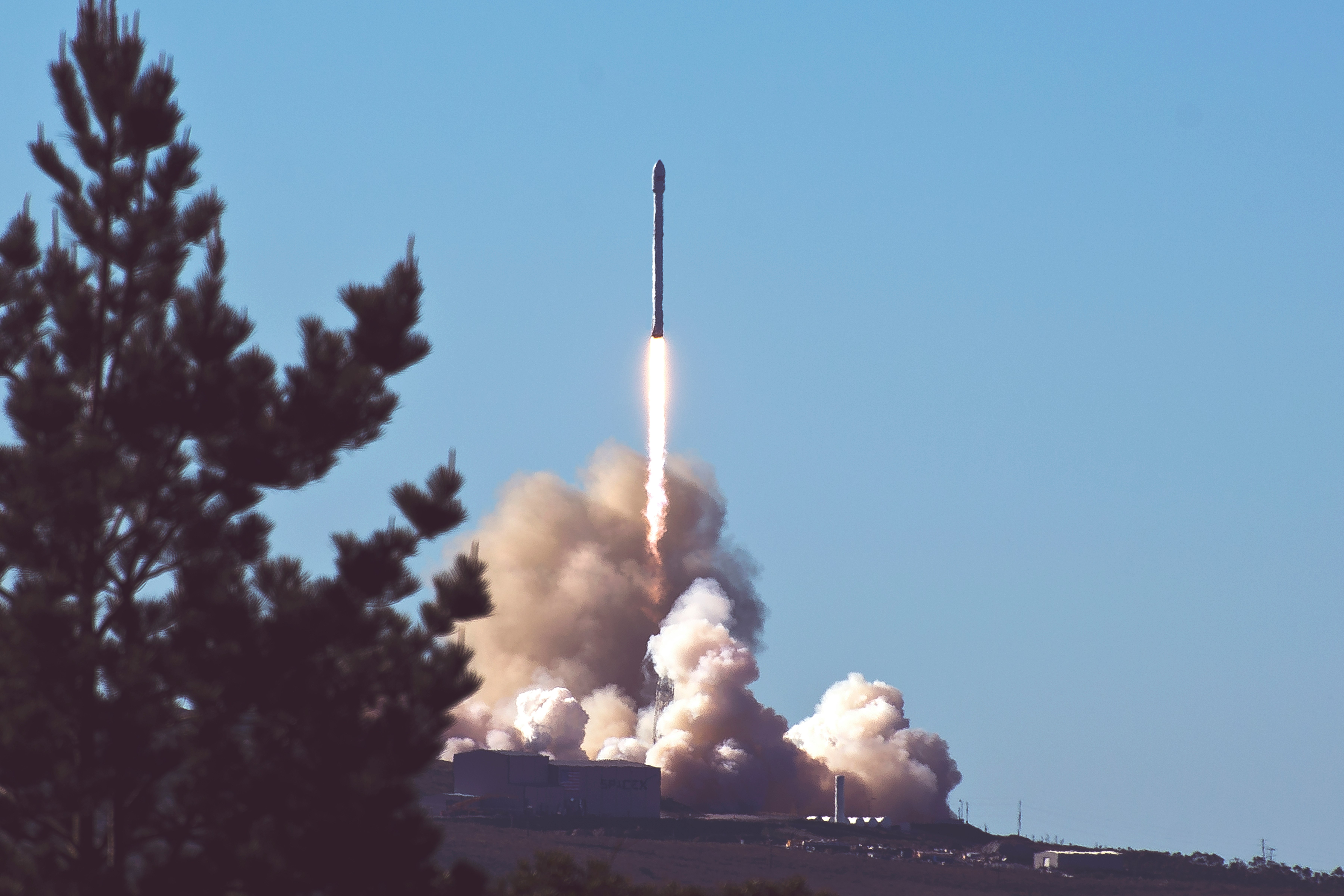
X Report 28 Dec 2024
SpaceX wraps up a stellar year with Starship achievements and prepares for a lunar triple-shot in 2025.



Launch Date
March 25, 1982
Launch Site
PLMSC
Launch Pad
LC32/1
Launch Vehicle
Tsiklon-3
NORAD ID
36863
International Designator
1982-025BA
Epoch
Fri, 03 Jul 2026 19:24:24 GMT
Apogee
Calculating...
Perigee
Calculating...
Inclination
82.53°
Right Ascension
214.39°
Eccentricity
Calculating...
Argument of Perigee
77.76°
Period
101.10 min
Mean Motion
14.24 rev/day
Latitude
Calculating...
Longitude
Calculating...
Altitude
Calculating...
Velocity
Calculating...
Name
METEOR 2-8 DEB
Alternative Name
deb Meteor-2
Type
Status
Owner
KVR
Country
USSR
Constellation
N/A
Related Satellites
Major Events
N/A
1 36863U 82025BA 26184.80862032 .00004019 00000-0 17327-2 0 9999
2 36863 82.5250 214.3870 0011071 77.7598 282.4824 14.24315824123682
Source: Celestrak
Length
0
Diameter
0
Span
0
Dry Mass
0
Launch Mass
0
Shape
N/A
Radar Cross Section
0.0109
Visual Magnitude
Unknown
Color
Unknown
Material Composition
Unknown
Payload
Unknown
Purpose
Unknown
Mission
Unknown
Manufacturer
Unknown
Life Expectancy
Unknown
Bus
Unknown
Configuration
Unknown
Motor
Unknown
Equipment
Unknown
Power System
Unknown
ADCS
Unknown
Transmitter Frequency
Unknown
Learn more about satellites and other related topics.
SpaceX wraps up a stellar year with Starship achievements and prepares for a lunar triple-shot in 2025.
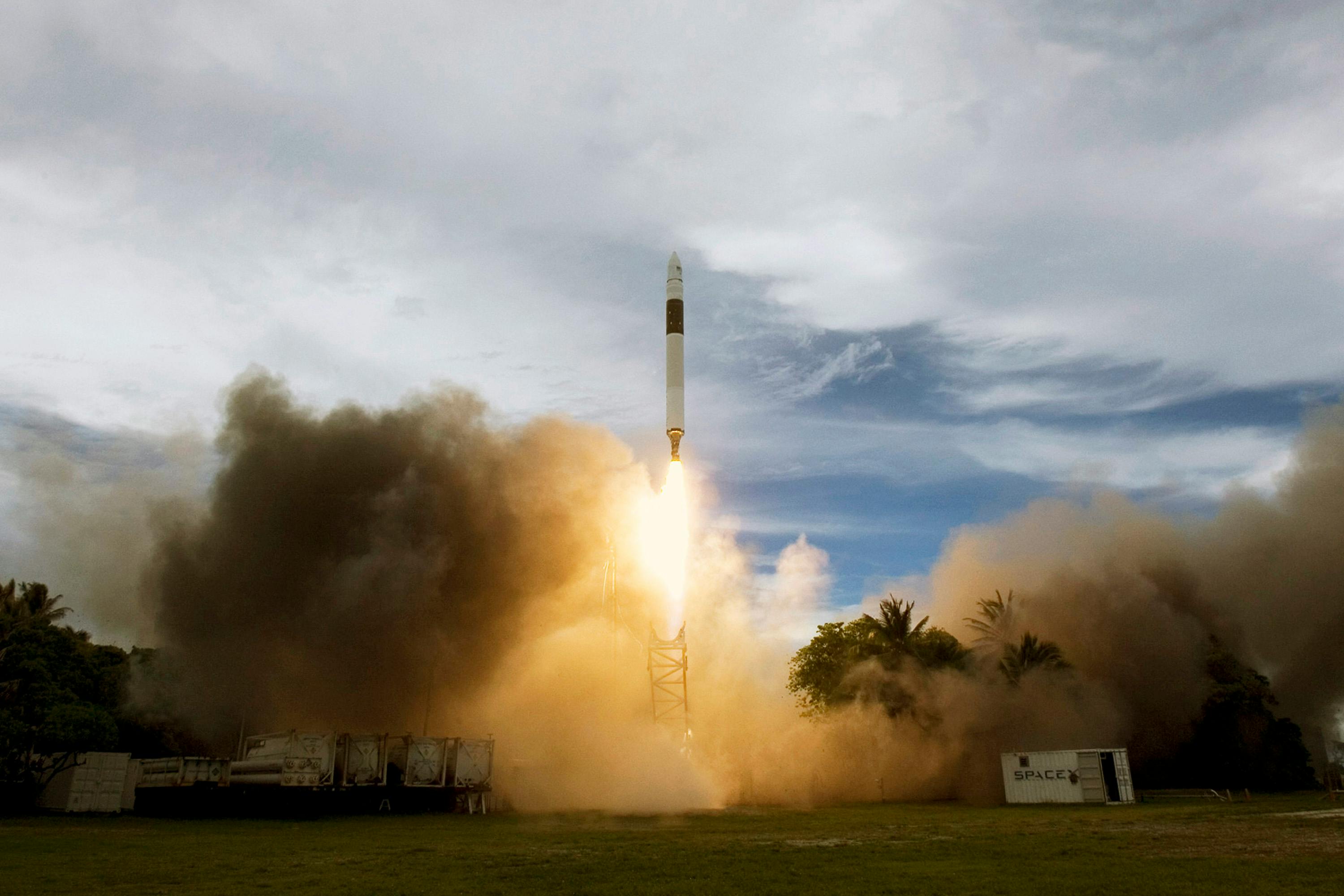
SpaceX wraps up a record-breaking year with an impressive launch count, while the Starship program looks to make significant advancements in 2025.

Key updates include a potential delay for the Starship lunar lander, successful static fire tests for Ship 38, and the latest Starlink satellite launch plans.
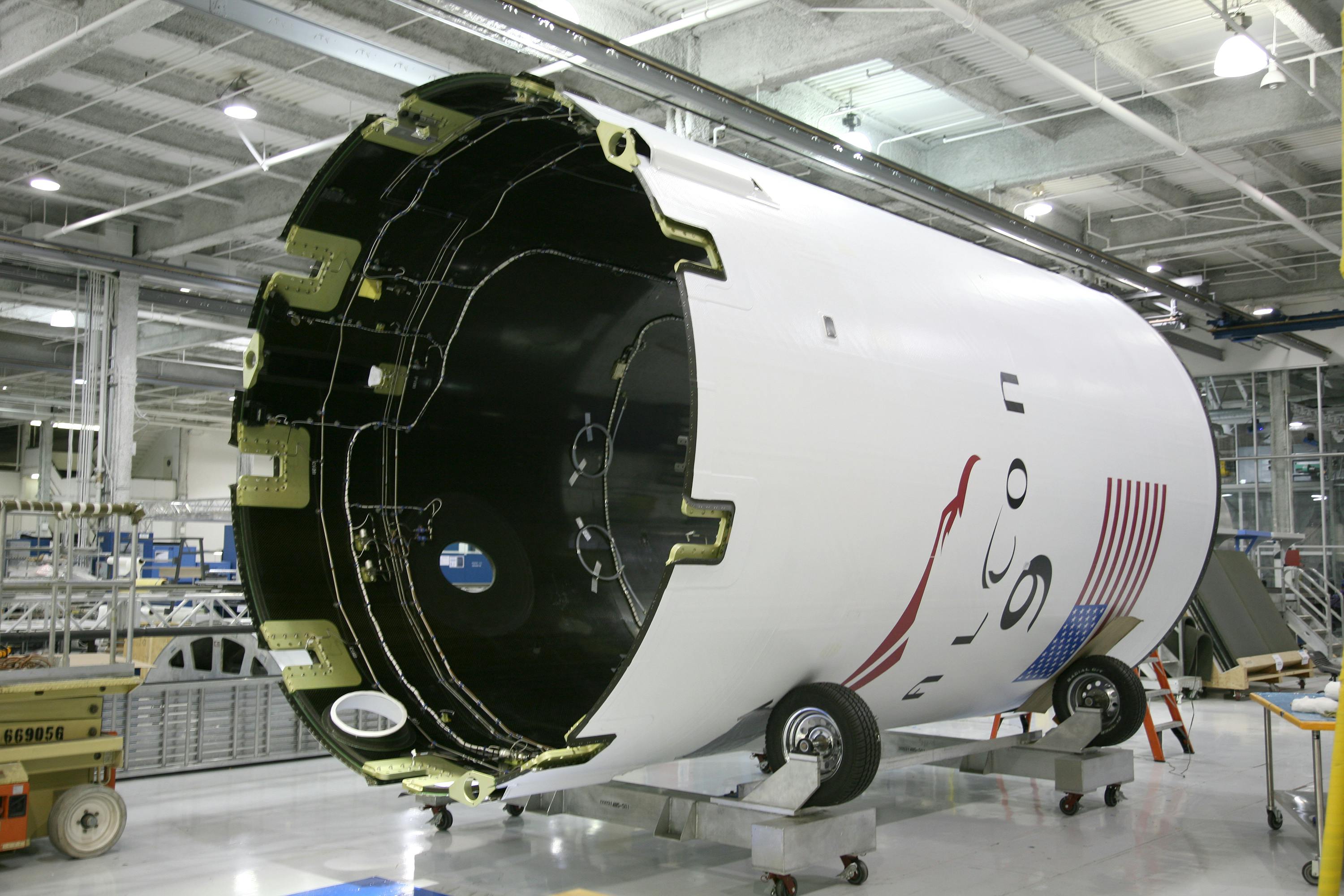
Starship V3's maiden flight is delayed as SpaceX rolls Booster 19 to Pad 2 for Flight 9, while Falcon 9 completes its 30th mission of 2026.
SpaceX flew a Falcon 9 booster for a record 35th time on July 10, deploying 29 Starlink satellites as direct-to-cell tech expands to pet collars.
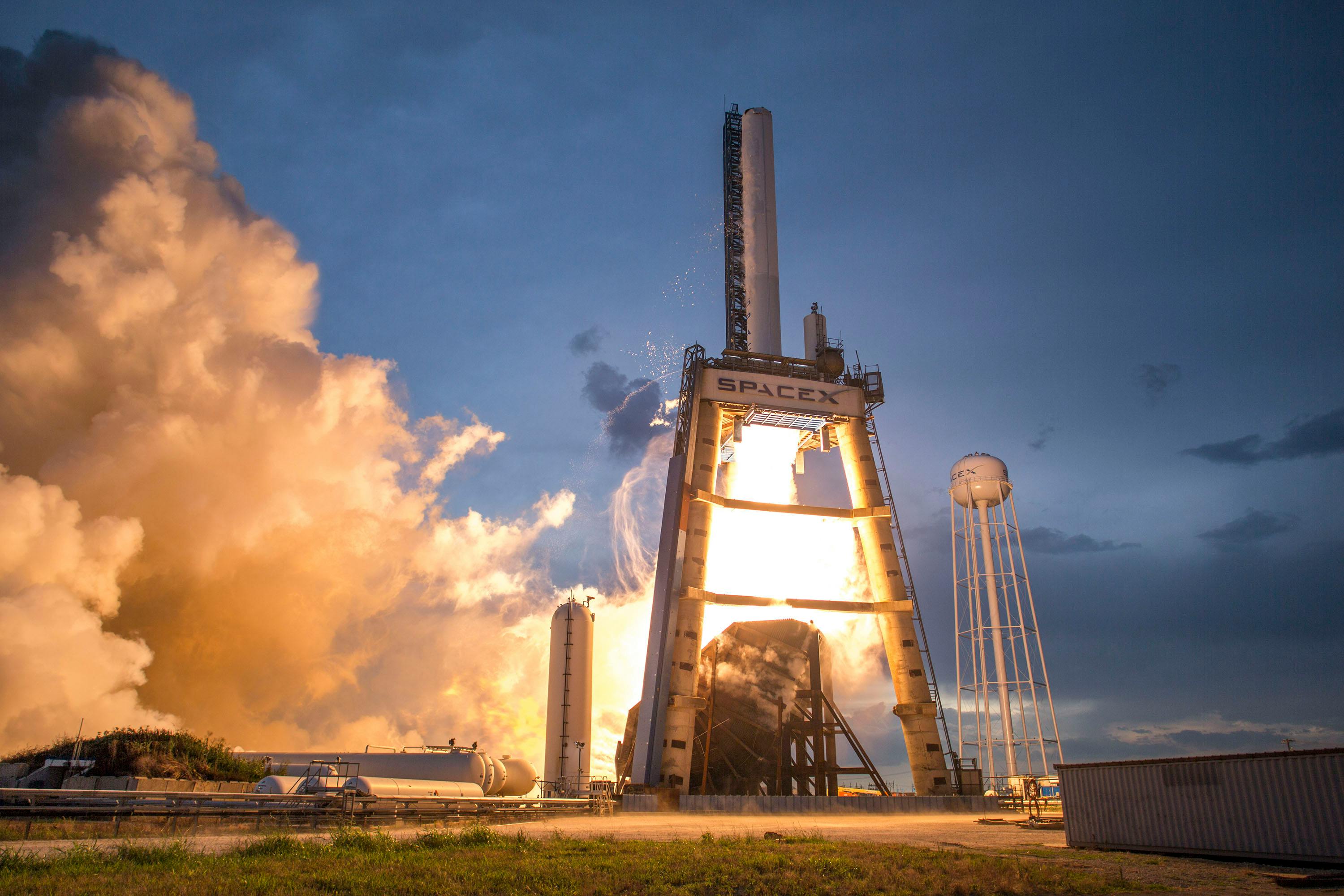
SpaceX completes multiple successful launches, enhancing its Starlink constellation with new satellites while resolving personnel issues related to Crew 12.
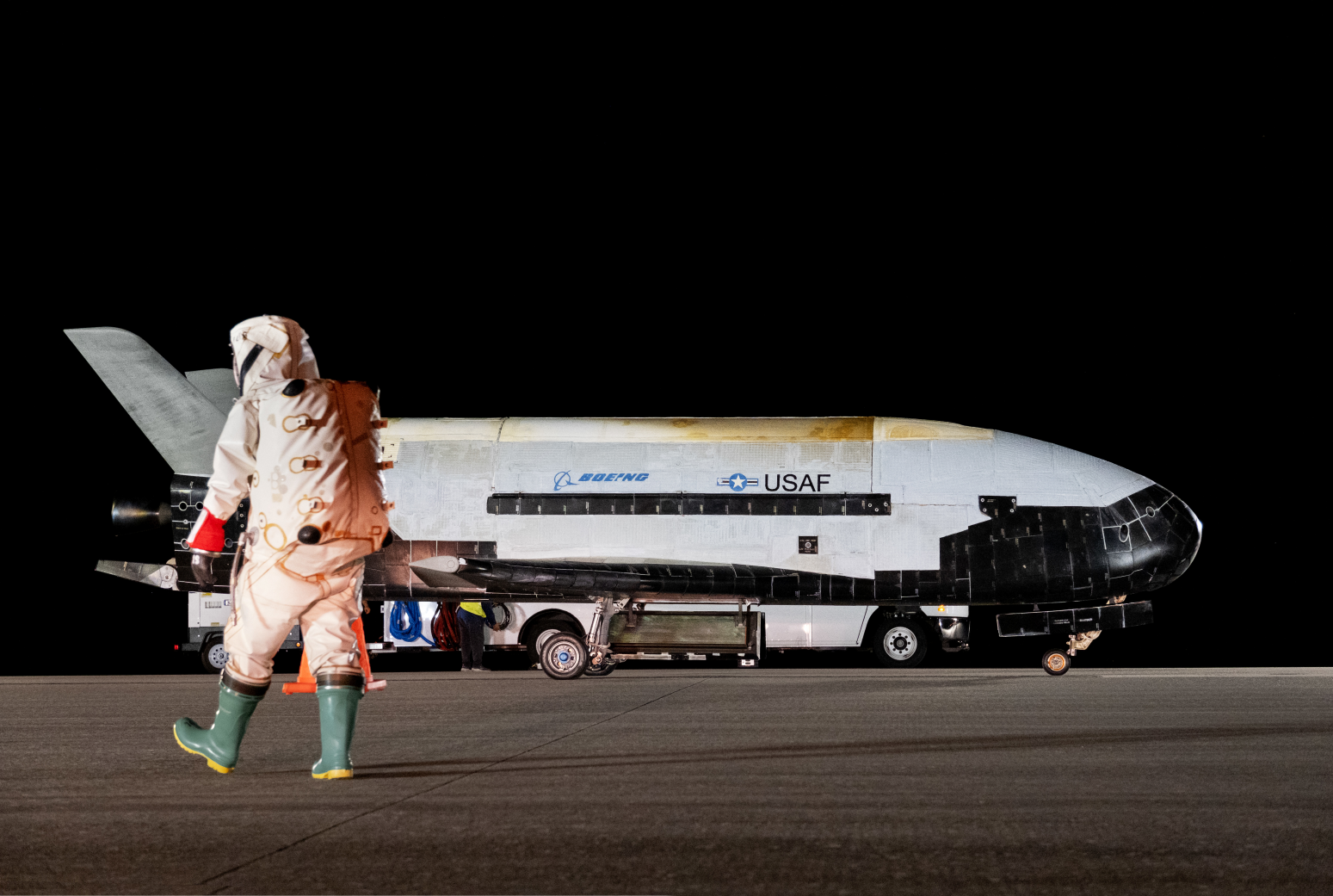
On April 22, 2010, an Atlas V lifted off from Cape Canaveral carrying a reusable robotic spaceplane so secret that the Air Force would not even confirm its mission duration. It came back 224 days later, lighter, quieter, and more operational than anyone outside Washington had expected. Fifteen years later, the X-37B is still flying, and the military still will not say what it does.

Falcon Heavy flew for the first time in eighteen months on April 29, 2026, expending its center core to push Viasat's final ViaSat-3 satellite toward geostationary orbit. The mission is a flagship rocket doing what only it can still do, for an operator betting six tons of high-throughput hardware on a market Starlink is rapidly redefining.