


Space Brief 7 Oct 2025
Explore the latest in satellite communications with Cubic's new terminals, strategic acquisitions by Firefly, China's IoT satellite achievements, and key military updates.


Launch Date
July 12, 2010
Launch Site
SRILR
Launch Pad
FLP
Launch Vehicle
PSLV
NORAD ID
36797
International Designator
2010-035C
Epoch
Sat, 04 Jul 2026 04:24:02 GMT
Apogee
Calculating...
Perigee
Calculating...
Inclination
98.09°
Right Ascension
85.03°
Eccentricity
Calculating...
Argument of Perigee
8.18°
Period
96.16 min
Mean Motion
14.97 rev/day
Latitude
Calculating...
Longitude
Calculating...
Altitude
Calculating...
Velocity
Calculating...
Name
AISSAT 1
Alternative Name
AISSAT-1
Type
Status
Owner
NSC
Country
Norway
Constellation
N/A
Related Satellites
Major Events
N/A
1 36797U 10035C 26185.18335871 .00002851 00000-0 25030-3 0 9998
2 36797 98.0891 85.0257 0008902 8.1790 351.9575 14.97431451866767
Source: Celestrak
Length
0.2
Diameter
0.2
Span
1
Dry Mass
6
Launch Mass
6
Shape
Box + Ant + Ant
Radar Cross Section
0.109
Visual Magnitude
Unknown
Color
Unknown
Material Composition
Unknown
Payload
AISSAT-1
Purpose
Traffic monitoring
Mission
Traffic monitoring
Manufacturer
UTIAS
Life Expectancy
3 years
Bus
GNB
Configuration
Gryphon Bus (GNB)
Motor
Unknown
Equipment
AIS-receiver
Power System
Solar cells, batteries
ADCS
Unknown
Transmitter Frequency
Unknown
Learn more about satellites and other related topics.
Explore the latest in satellite communications with Cubic's new terminals, strategic acquisitions by Firefly, China's IoT satellite achievements, and key military updates.
Today's brief covers Blue Origin’s new defense launch contracts, the ISS launch of a Navy SEAL astronaut, Sierra Space’s GPS security advancements for the U.S. Space Force, and the Space Force's 'Orbital Watch' initiative.

Twenty years ago, an Atlas rocket carrying a classified payload lifted off from Cape Canaveral, marking the end of a revolutionary spacecraft design that helped launch America into the Space Age
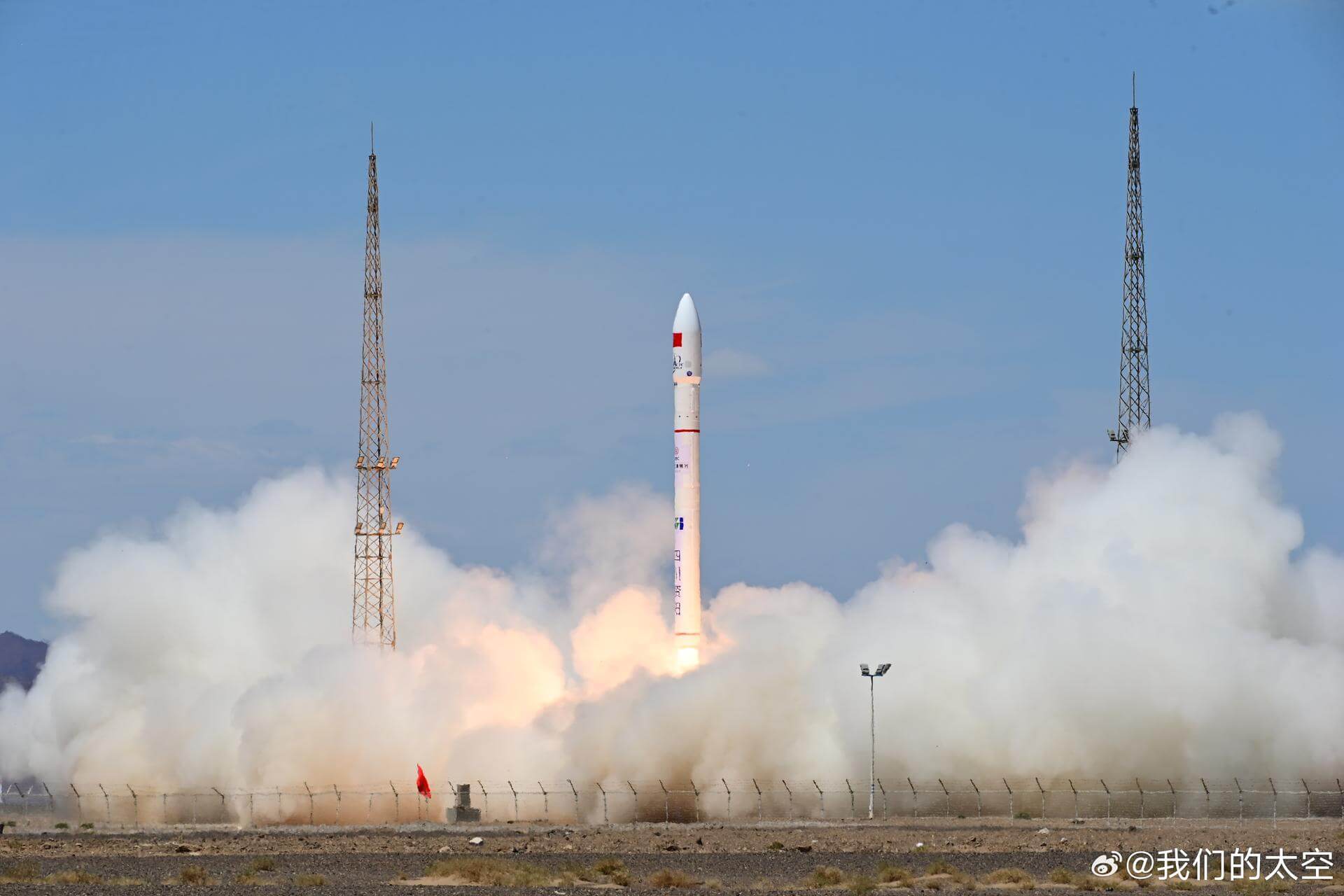
Today's Space Brief covers imminent launches, new developments in space technology, and strategic military contributions to satellite defense systems.

SpaceX's latest Starlink satellite launch boosts their constellation and Starship development progresses steadily.
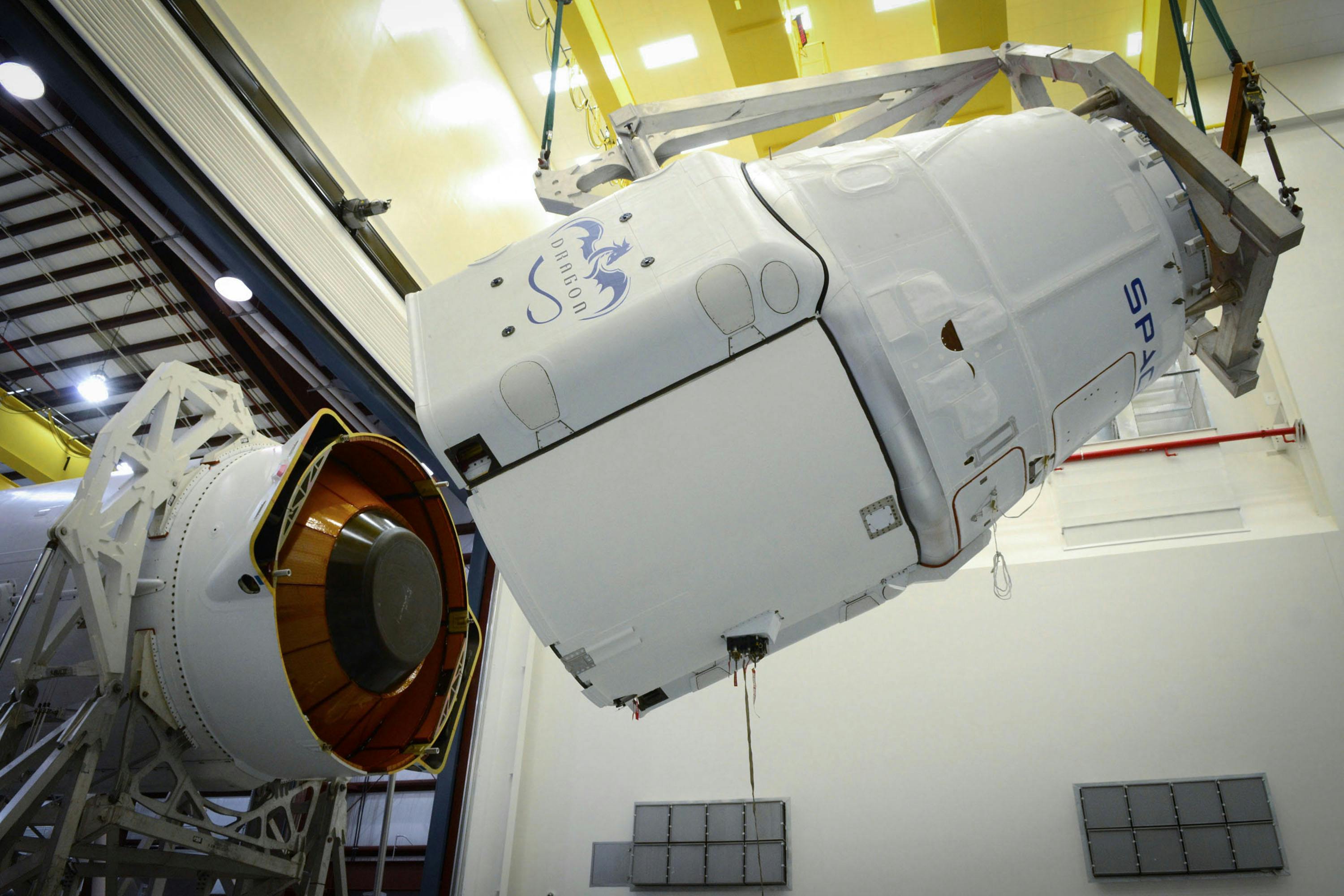
SpaceX gears up for Starship Flight 8 amidst Starlink's growing presence in global internet markets.
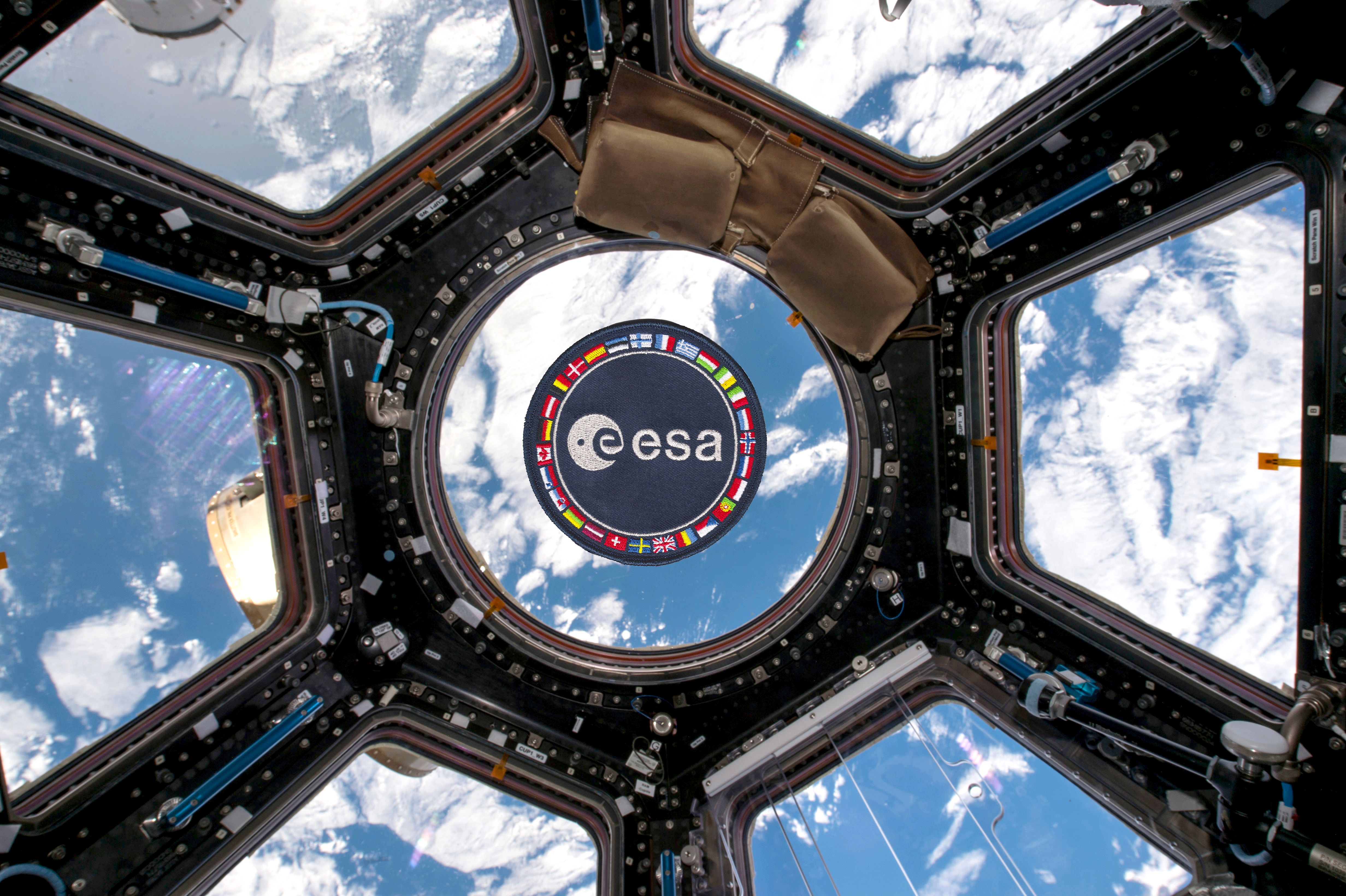
Today's highlights include advances in space tracking technology by the US Space Force, SpaceX's infrastructure expansion, and a spectacular birthday landing on Earth. Additionally, we spotlight a significant exoplanetary discovery and satellite updates.

As the largest and most powerful rocket ever built, it's designed for full reusability and rapid launch turnaround. SpaceX claims it could carry over 100 tons to low Earth orbit at a fraction of current costs.