


X Report 29 Mar 2025
Starlink gains ground in geopolitical shifts, while SpaceX makes progress on next-gen facilities and prepares for Crew-11 mission to ISS.


Launch Date
July 10, 2010
Launch Site
Launch Pad
LC200/39
Launch Vehicle
Proton-M/Briz-M
NORAD ID
36792
International Designator
2010-034A
Epoch
Sat, 04 Jul 2026 04:46:03 GMT
Apogee
Calculating...
Perigee
Calculating...
Inclination
0.03°
Right Ascension
287.42°
Eccentricity
Calculating...
Argument of Perigee
148.50°
Period
1436.12 min
Mean Motion
1.00 rev/day
Latitude
Calculating...
Longitude
Calculating...
Altitude
Calculating...
Velocity
Calculating...
Name
ECHOSTAR 15
Alternative Name
Echostar XV
Type
Status
Owner
DISH
Country
United States
Constellation
N/A
Related Satellites
Major Events
N/A
1 36792U 10034A 26185.19865130 .00000012 00000-0 00000-0 0 9993
2 36792 0.0323 287.4201 0002500 148.5010 159.0089 1.00270281 58496
Source: Celestrak
Length
5.6
Diameter
2.8
Span
31
Dry Mass
3000
Launch Mass
5521
Shape
Box + 2 Pan
Radar Cross Section
6.3096
Visual Magnitude
Unknown
Color
Unknown
Material Composition
Unknown
Payload
Echostar 15
Purpose
Communication (Direct Broadcasting)
Mission
Communication (Direct Broadcasting)
Manufacturer
LOR
Life Expectancy
15 years
Bus
SSL-1300
Configuration
SSL-1300
Motor
R-4D-15-300
Equipment
32 Ku-band transponders
Power System
2 deployable solar arrays, batteries
ADCS
Unknown
Transmitter Frequency
Unknown
Learn more about satellites and other related topics.
Starlink gains ground in geopolitical shifts, while SpaceX makes progress on next-gen facilities and prepares for Crew-11 mission to ISS.
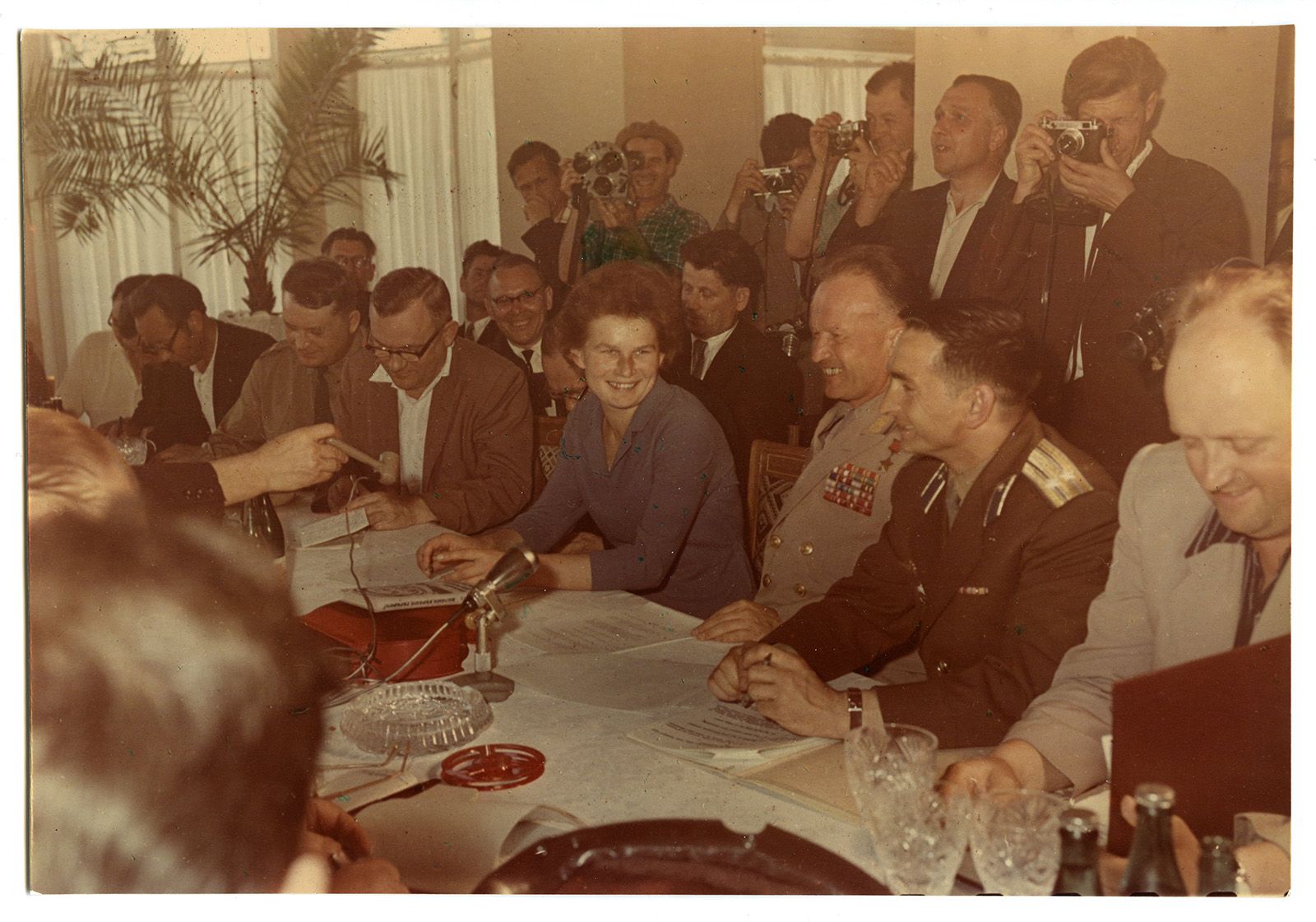
On 16 June 1963, a 26-year-old former textile worker named Valentina Tereshkova launched aboard Vostok 6 and spent nearly three days alone in orbit. She flew 48 times around the Earth, longer than every American astronaut combined, and spotted a dangerous flaw in her descent program that ground controllers had missed.

ULA's Vulcan rocket grounded, imperiling Space Force WGS-11 communications satellite and Next-Gen OPIR missile warning payload. Both missions lack backup launch options.
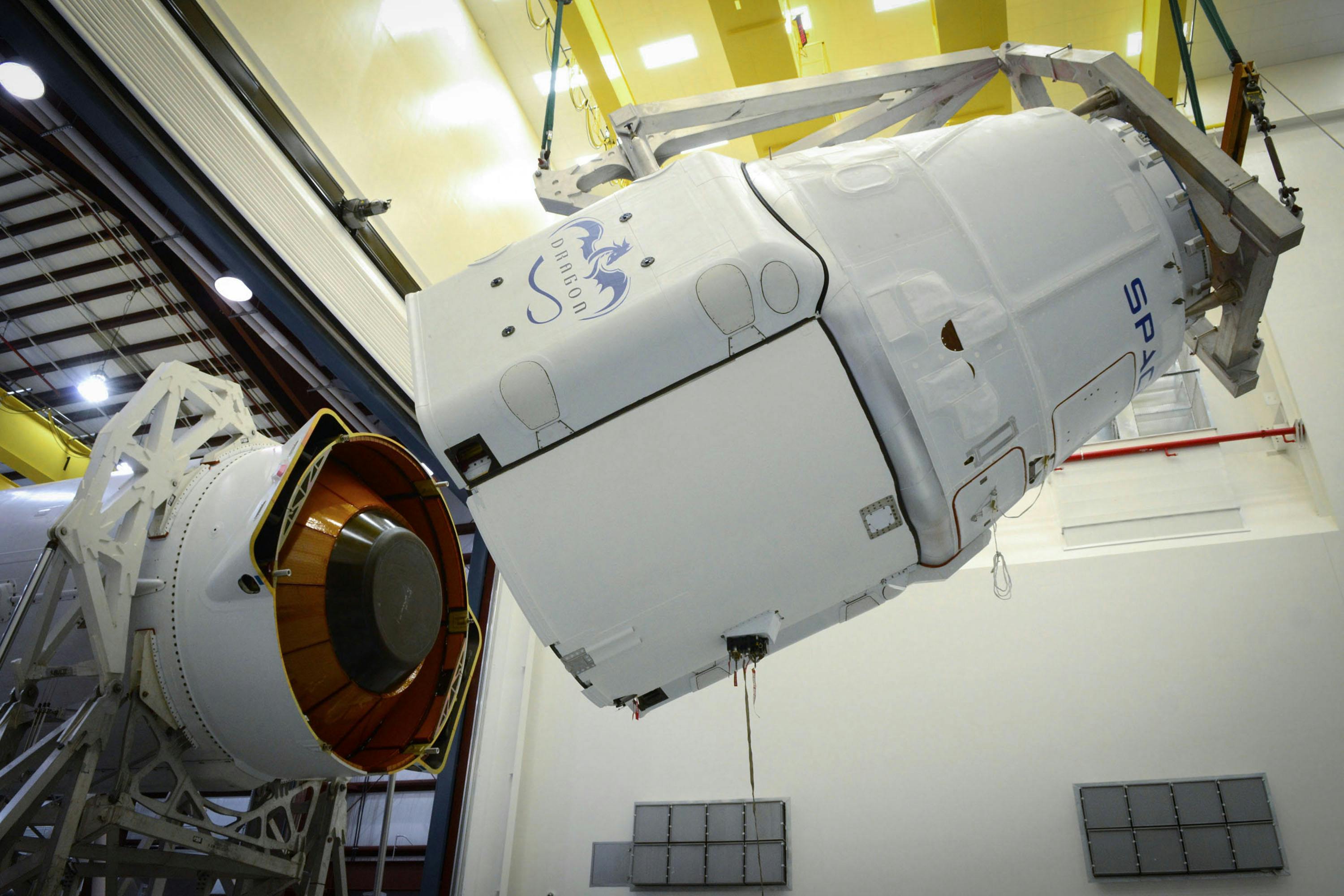
SpaceX advances with Starship, gains FCC approval for new services, and predicts a future shift in spacecraft dominance.

Today's brief covers the latest in satellite launches, military implications in space funding, and notable reentry delays.
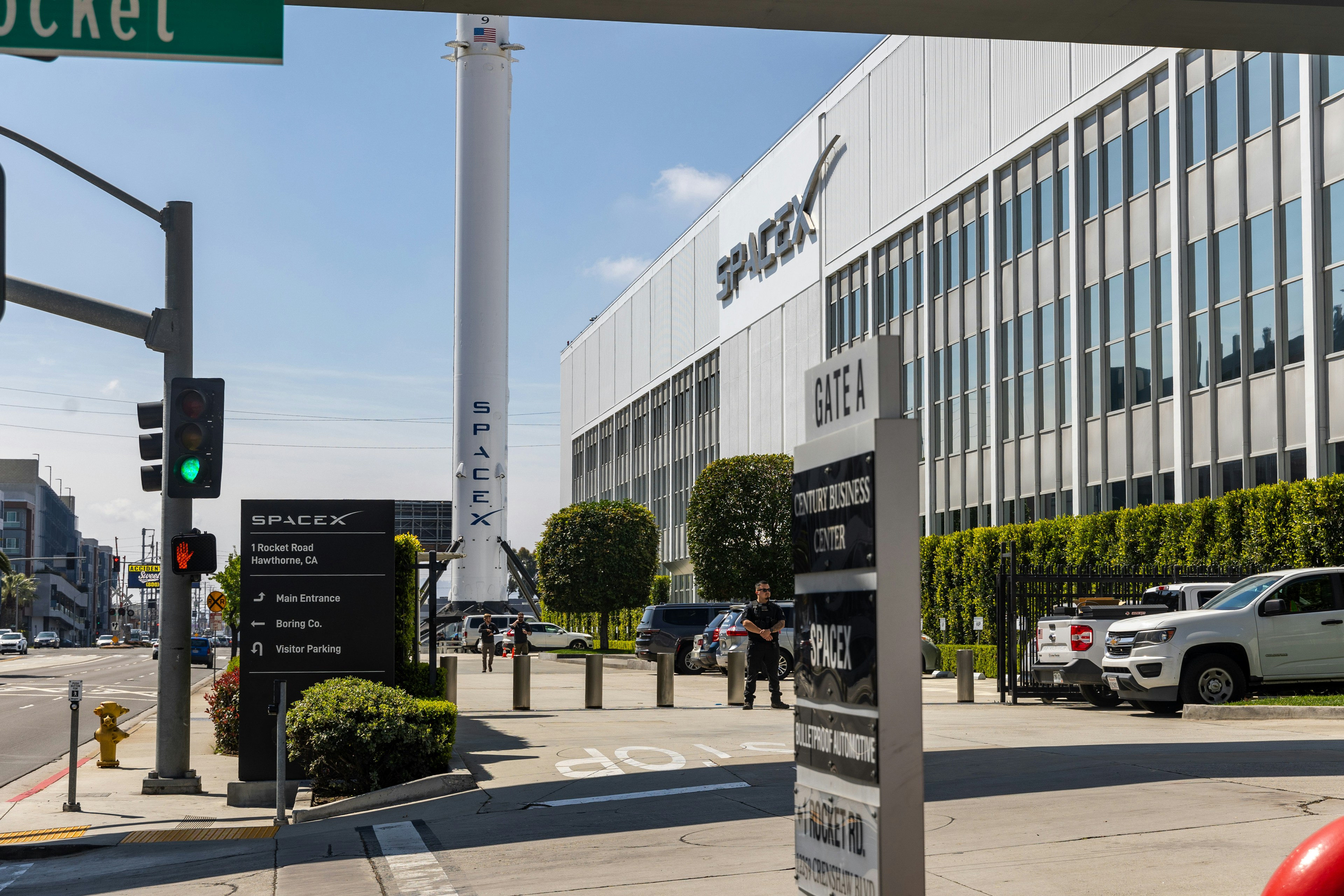
SpaceX continues to make strides with its Starship program while successfully launching another batch of Starlink satellites into orbit, enhancing global internet coverage.
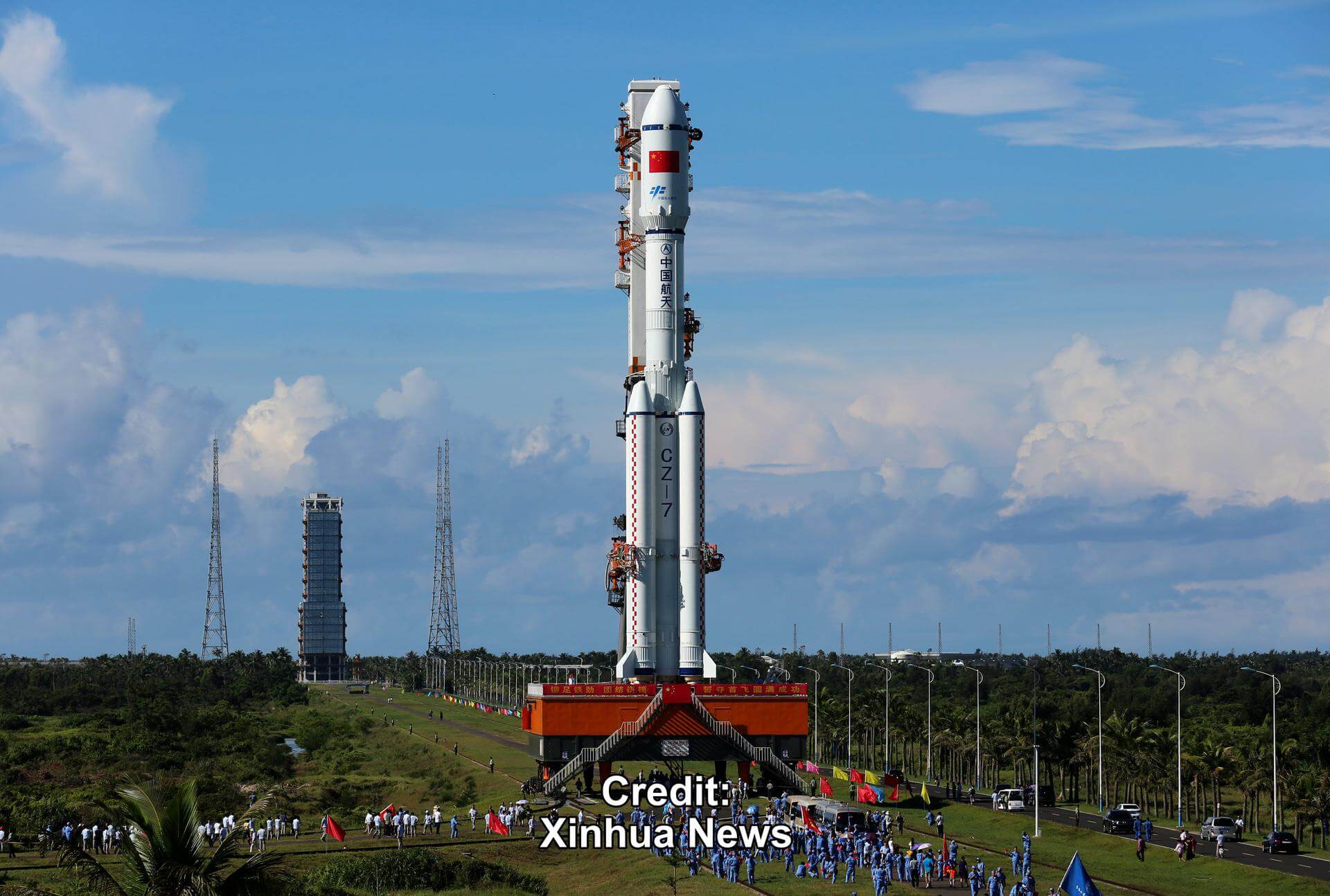
Today's key topics include the halting of the U.S. Air Force's rocket landing pad plans, the Space Force's shift to a flexible satellite strategy, delays in Australia's Eris 1 rocket launch, and the controversial cut of satellite sea-ice data to climate scientists.

SpaceX's Falcon Heavy flew for the first time in 18 months on April 29, while Starlink hit 51 Falcon 9 launches in 2026 with 10,280 satellites working.