

Space Brief 5 Jul 2025
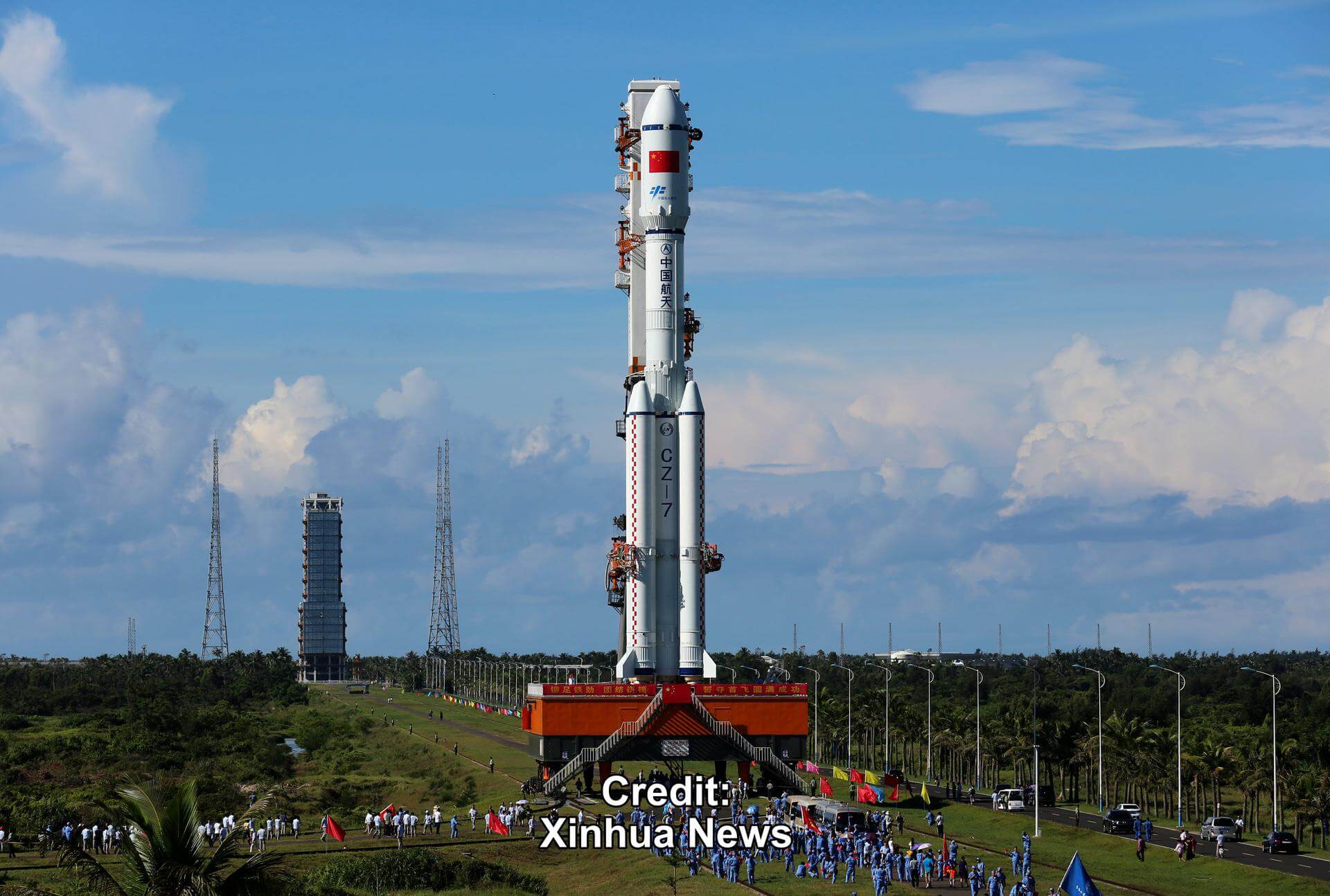
Today's space highlights include China's first classified Shiyan-28B launch, Boeing's major satellite contract, new NASA budget allocations, and plans for shuttle Discovery's relocation.



Launch Date
August 11, 2009
Launch Site
Launch Pad
LC200/39
Launch Vehicle
Proton-M/Briz-M
NORAD ID
36777
International Designator
2009-042AG
Decay Date
7/24/2010
Name
BREEZE-M DEB
Alternative Name
deb Briz-M DTB
Type
Status
Owner
KHRR
Country
Russia
Constellation
N/A
Related Satellites
Major Events
N/A
Length
0
Diameter
0
Span
0
Dry Mass
0
Launch Mass
0
Shape
N/A
Radar Cross Section
0.0244
Visual Magnitude
Unknown
Color
Unknown
Material Composition
Unknown
Payload
Unknown
Purpose
Unknown
Mission
Unknown
Manufacturer
KHRR
Life Expectancy
Unknown
Bus
Unknown
Configuration
Unknown
Motor
Unknown
Equipment
Unknown
Power System
Unknown
ADCS
Unknown
Transmitter Frequency
Unknown
Learn more about satellites and other related topics.
Today's space highlights include China's first classified Shiyan-28B launch, Boeing's major satellite contract, new NASA budget allocations, and plans for shuttle Discovery's relocation.

Today's key topics include delays in Vulcan's national security launches, a significant network upgrade contract for the Space Force, and military interest in SpaceX's Starship.

Intel joins Terafab, Elon Musk's Austin AI chip complex, to supply SpaceX and Tesla as Falcon 9 prepares a Cygnus ISS run.
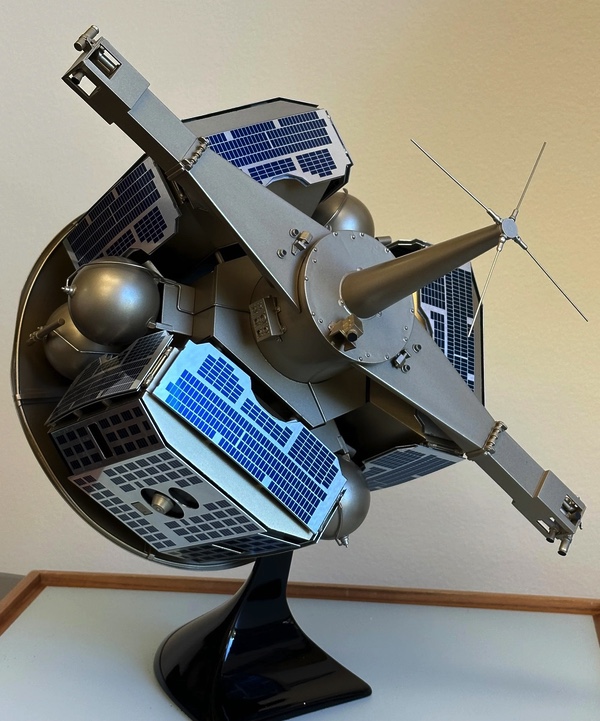
Forty-two years ago, an Atlas H rocket climbed into the California sky carrying four objects that would help the U.S. Navy track every Soviet warship on the planet - a mission so secret that even the satellites' true name wasn't declassified until 2023

ULA launches the final Atlas 5 551 configuration—its heaviest variant with 5 solid boosters—carrying Amazon's Project Kuiper satellite to low Earth orbit from Cape Canaveral.
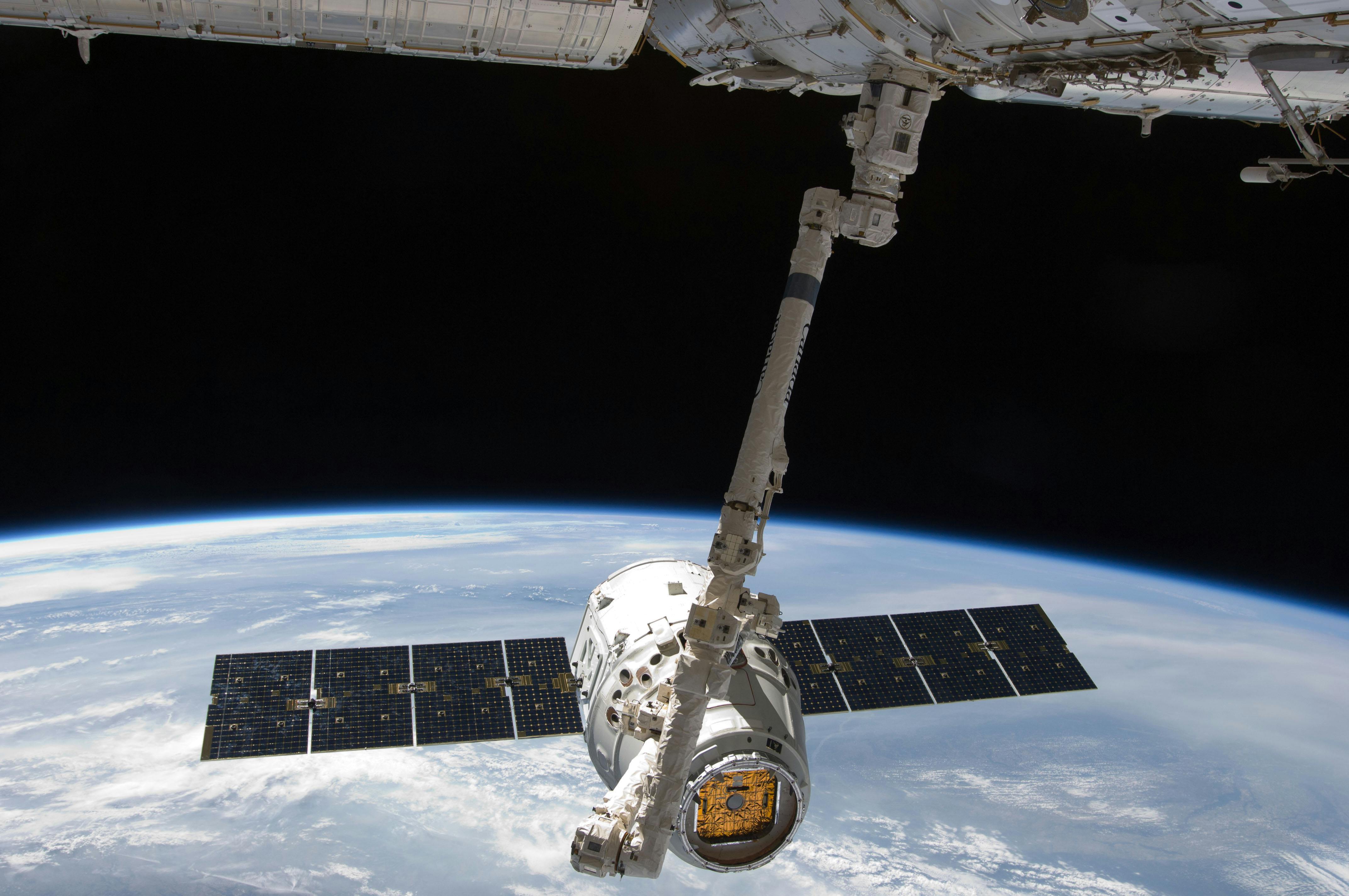
SpaceX prepares for Starship Flight 8 with successful booster static fire; Starlink continues its expansion.
Space Force contracts Viasat and SES for $437M Protected Tactical Satcom-Global program. Four new GEO satellites replace vulnerable single-satellite systems.
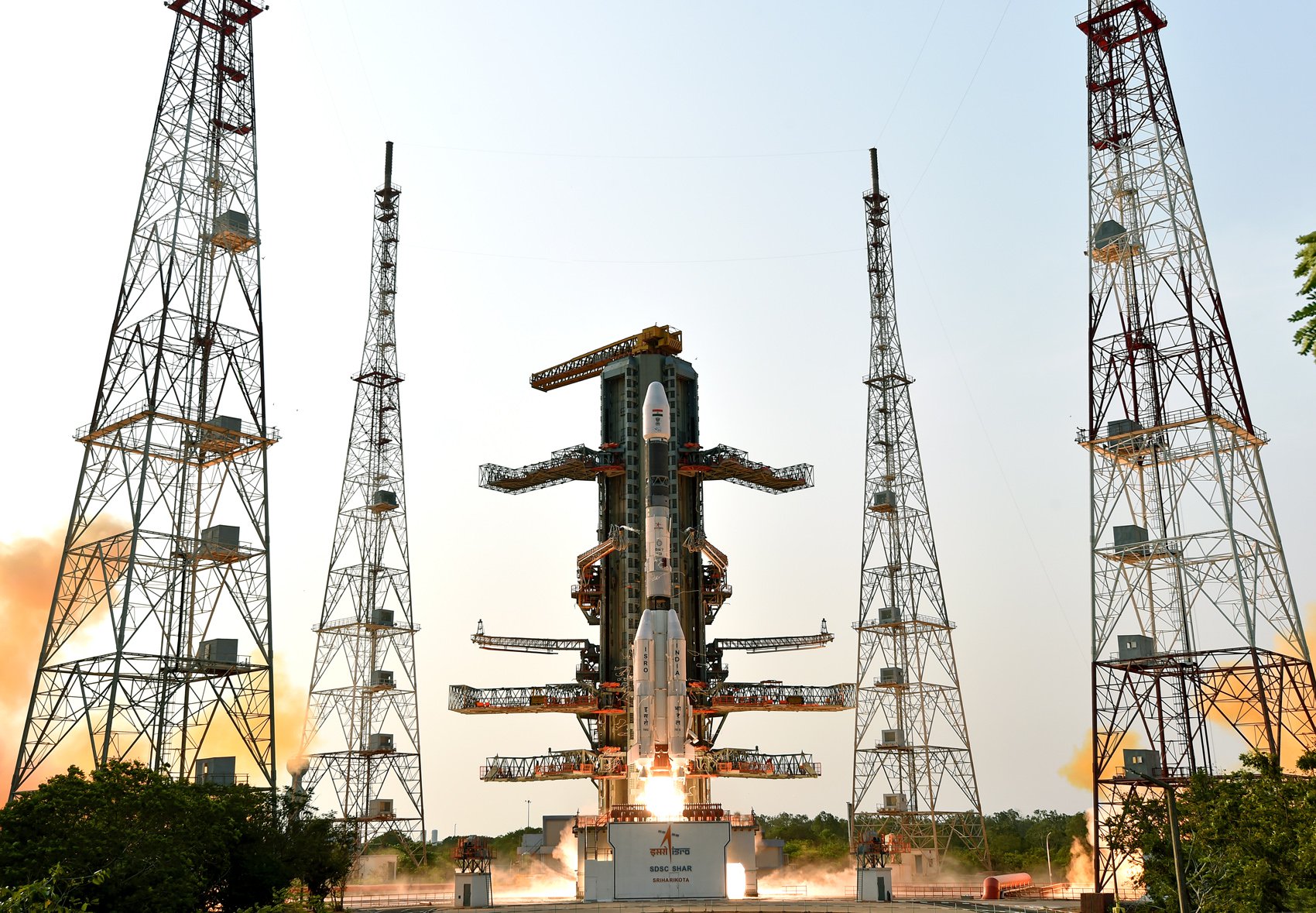
Today's brief covers new military space funding, intriguing scientific discoveries, and defense contracts impacting global military strategies.