


Space Brief 2 Dec 2025
Today's brief covers China's classified Shijian-28 satellite launch, AI-designed spacecraft records, and upcoming global launch activities.



Launch Date
October 20, 1968
Launch Site
Launch Pad
LC90/20
Launch Vehicle
Tsiklon-2A
NORAD ID
03677
International Designator
1968-091AC
Decay Date
5/29/1980
Name
COSMOS 249 DEB
Alternative Name
deb Kosmos-249
Type
Status
Owner
PKO
Country
USSR
Constellation
N/A
Related Satellites
Major Events
N/A
Length
0
Diameter
0
Span
0
Dry Mass
0
Launch Mass
0
Shape
N/A
Radar Cross Section
0.0681
Visual Magnitude
Unknown
Color
Unknown
Material Composition
Unknown
Payload
Unknown
Purpose
Unknown
Mission
Unknown
Manufacturer
Unknown
Life Expectancy
Unknown
Bus
Unknown
Configuration
Unknown
Motor
Unknown
Equipment
Unknown
Power System
Unknown
ADCS
Unknown
Transmitter Frequency
Unknown
Learn more about satellites and other related topics.
Today's brief covers China's classified Shijian-28 satellite launch, AI-designed spacecraft records, and upcoming global launch activities.
Today's highlights include SpaceX's 300th Starlink launch, NASA re-establishing contact with a TRACERS satellite, and budget concerns impacting the commercial remote sensing industry.

Starship testing progresses at the Cape; Lynk Global secures funding amidst rising satellite competition.

Today's brief covers developments in space traffic management, the X-37B spaceplane's upcoming mission, and satellite interference with radio telescopes.
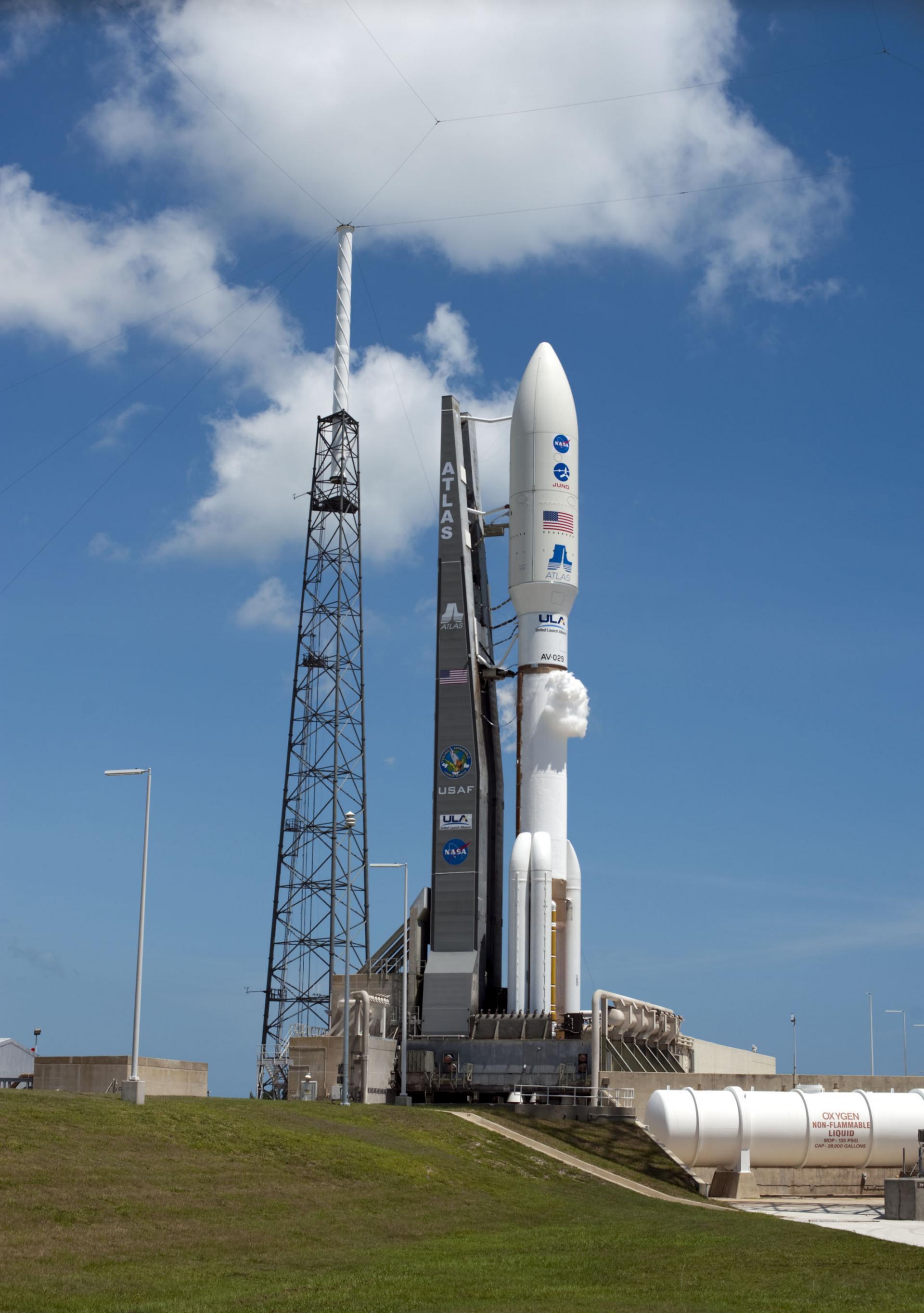
Today's brief covers the redeployment of decommissioned missile technologies to orbital duties, Germany's plans for a sovereign communications network, and fresh developments in hypersonic testing through Rocket Lab.
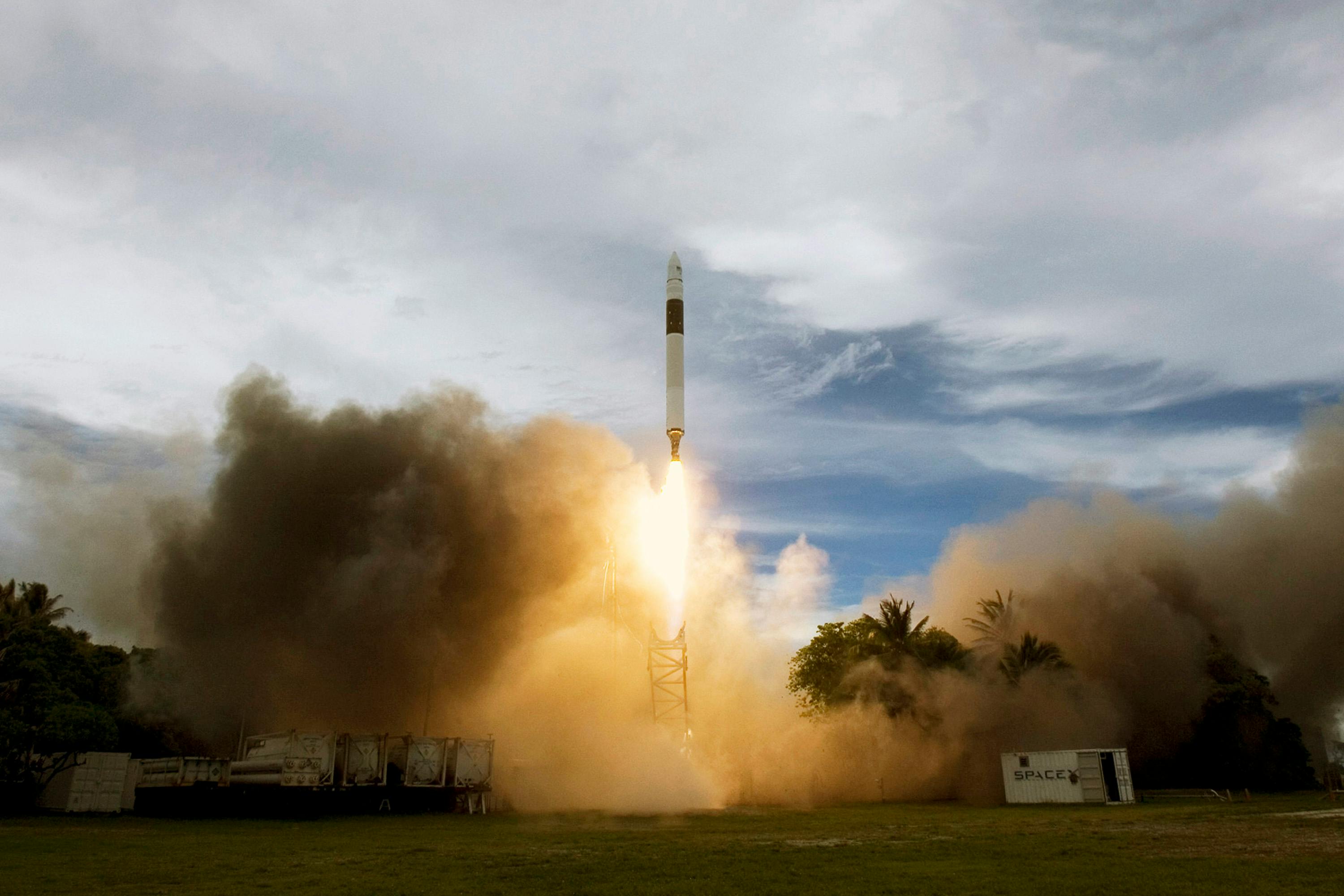
SpaceX successfully launched 28 Starlink satellites while EchoStar enhances its stake in the company through a $2.6 billion spectrum deal, amid growing demands for space domain awareness.

SpaceX launches diabetes research mission to ISS; EU considers SES for Starlink support; Amazon's Kuiper enters satellite race.
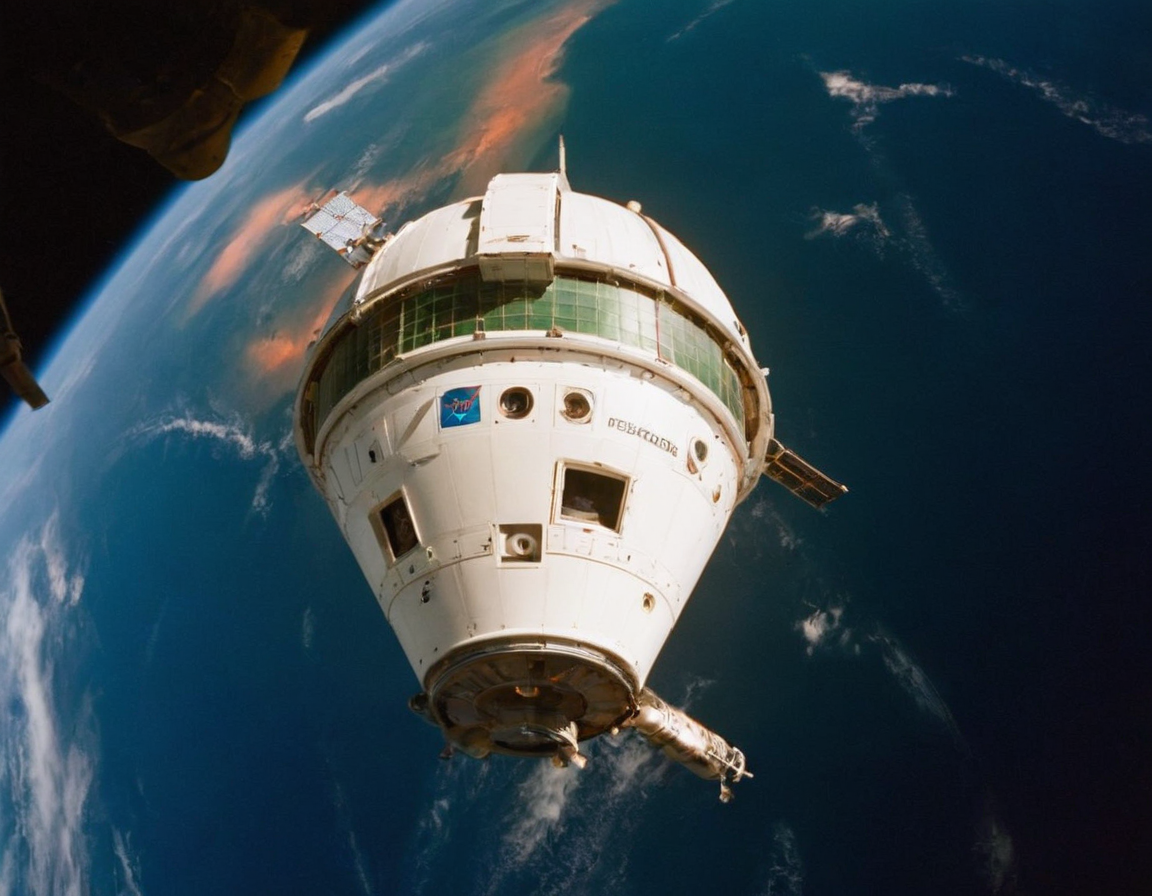
Boeing's Starliner spacecraft encounters thruster problems and helium leaks during its first crewed mission, potentially delaying the return of NASA astronauts from the International Space Station.