


Space Brief 2 Jul 2025
Explore today's major events in space, including military advancements in satellite tracking, new missile defenses, and significant defense funding decisions.



Launch Date
May 10, 1999
Launch Site
TAISC
Launch Pad
LC7
Launch Vehicle
Chang Zheng 4B
NORAD ID
36685
International Designator
1999-025DZF
Decay Date
10/14/2025
Name
FENGYUN 1C DEB
Alternative Name
deb FY-1C
Type
Status
Owner
CASC
Country
China
Constellation
N/A
Related Satellites
Major Events
N/A
Length
0
Diameter
0
Span
0
Dry Mass
0
Launch Mass
0
Shape
N/A
Radar Cross Section
0.0137
Visual Magnitude
Unknown
Color
Unknown
Material Composition
Unknown
Payload
Unknown
Purpose
Unknown
Mission
Unknown
Manufacturer
Unknown
Life Expectancy
Unknown
Bus
Unknown
Configuration
Unknown
Motor
Unknown
Equipment
Unknown
Power System
Unknown
ADCS
Unknown
Transmitter Frequency
Unknown
Learn more about satellites and other related topics.
Explore today's major events in space, including military advancements in satellite tracking, new missile defenses, and significant defense funding decisions.

SpaceX makes headlines with record-breaking launch operations, while plans for an IPO signal major changes in the company's trajectory and could inspire industry-wide movements.

Today's Space Brief covers pivotal updates in military space capabilities, defense acquisitions, the UK's nuclear enhancements, and Boeing's financial challenges.
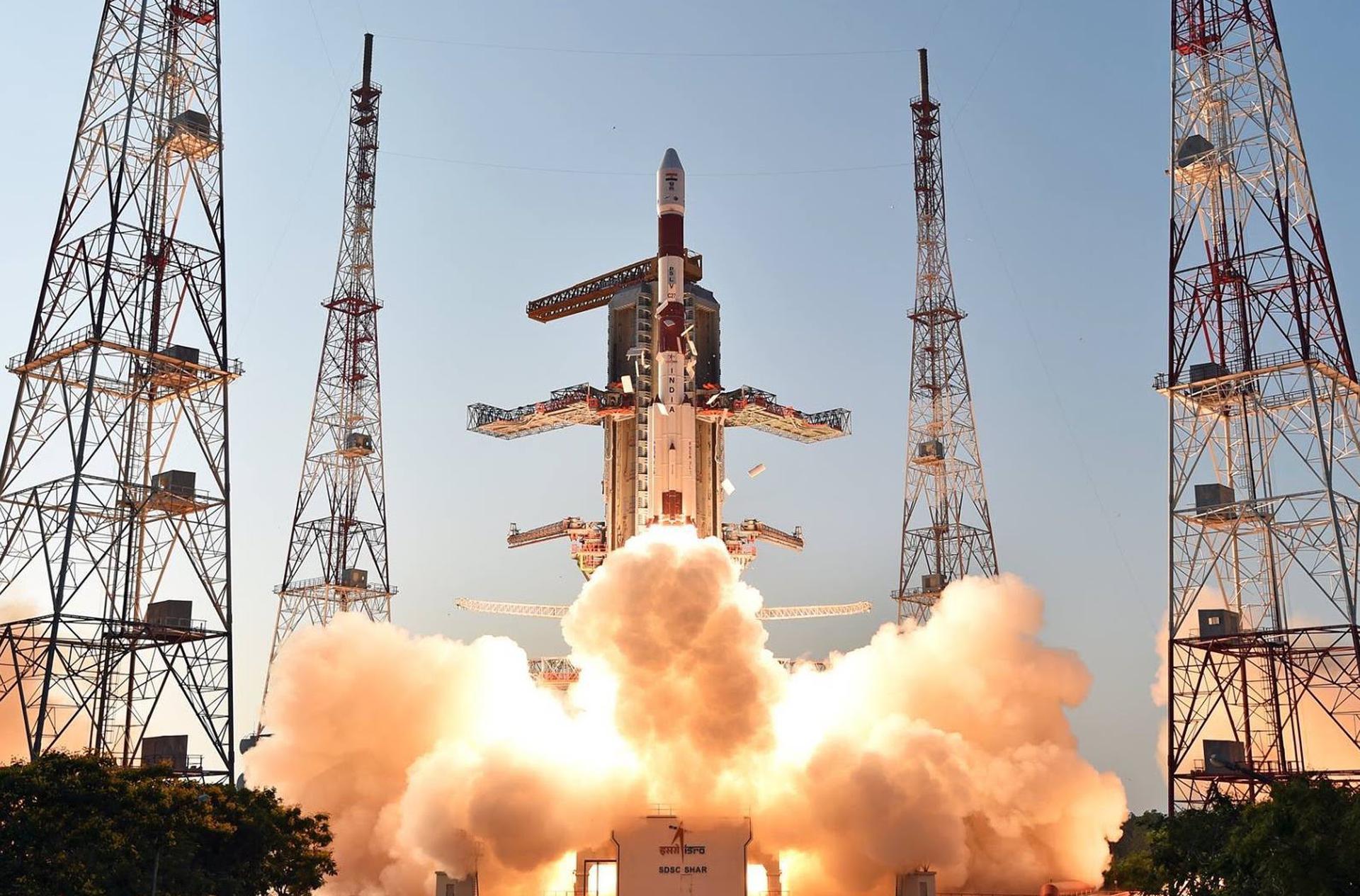
Today's highlights include China's latest satellite launches, Blue Origin's expansion plans, and Purdue University's groundbreaking suborbital mission with Virgin Galactic.
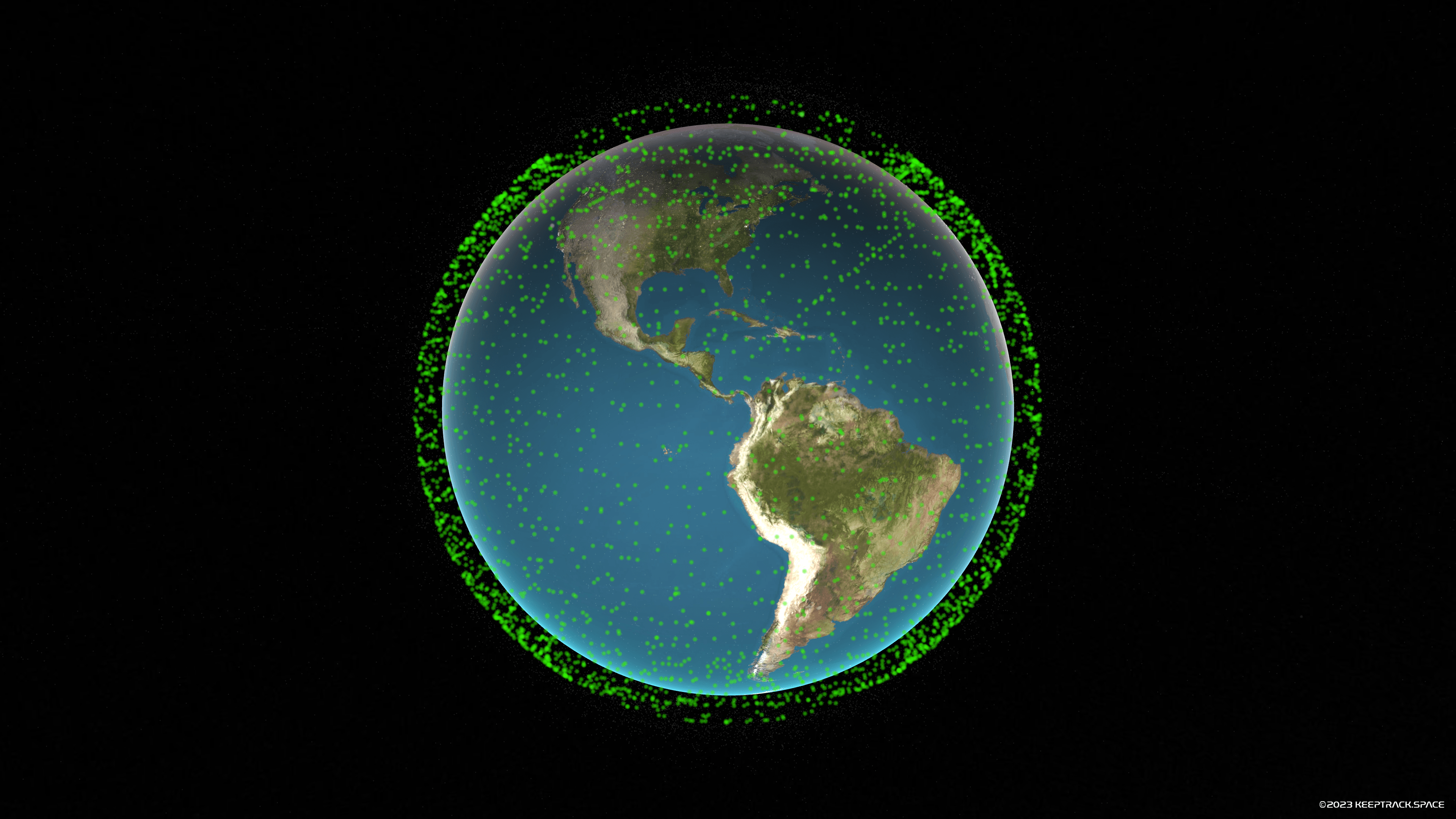
The U.S. Federal Communications Commission reaffirms its decision to deny SpaceX's Starlink unit $885.5 million in rural broadband subsidies, impacting the company's plans for expanding internet access.
Congress passes FY2026 spending bill reinstating NASA funding. Slingshot Aerospace wins $27M Space Force contract for AI satellite training. Portal Space selects Atomic-6 debris shield for 2026 mission.
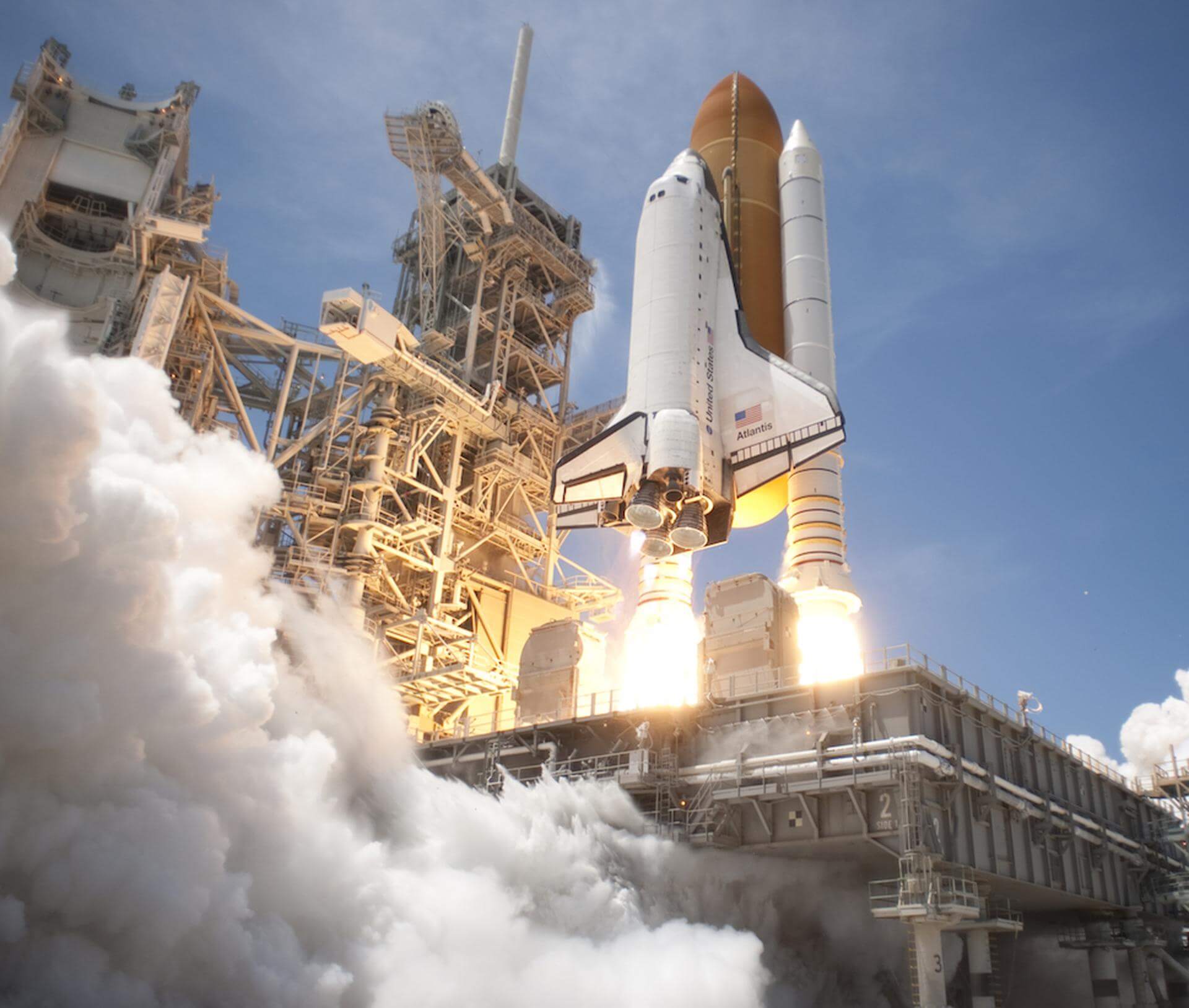
ESA's Proba-3 spacecraft lost contact last month following on-orbit anomaly. Mission requires both satellites in precise formation for solar corona science. Recovery status uncertain.
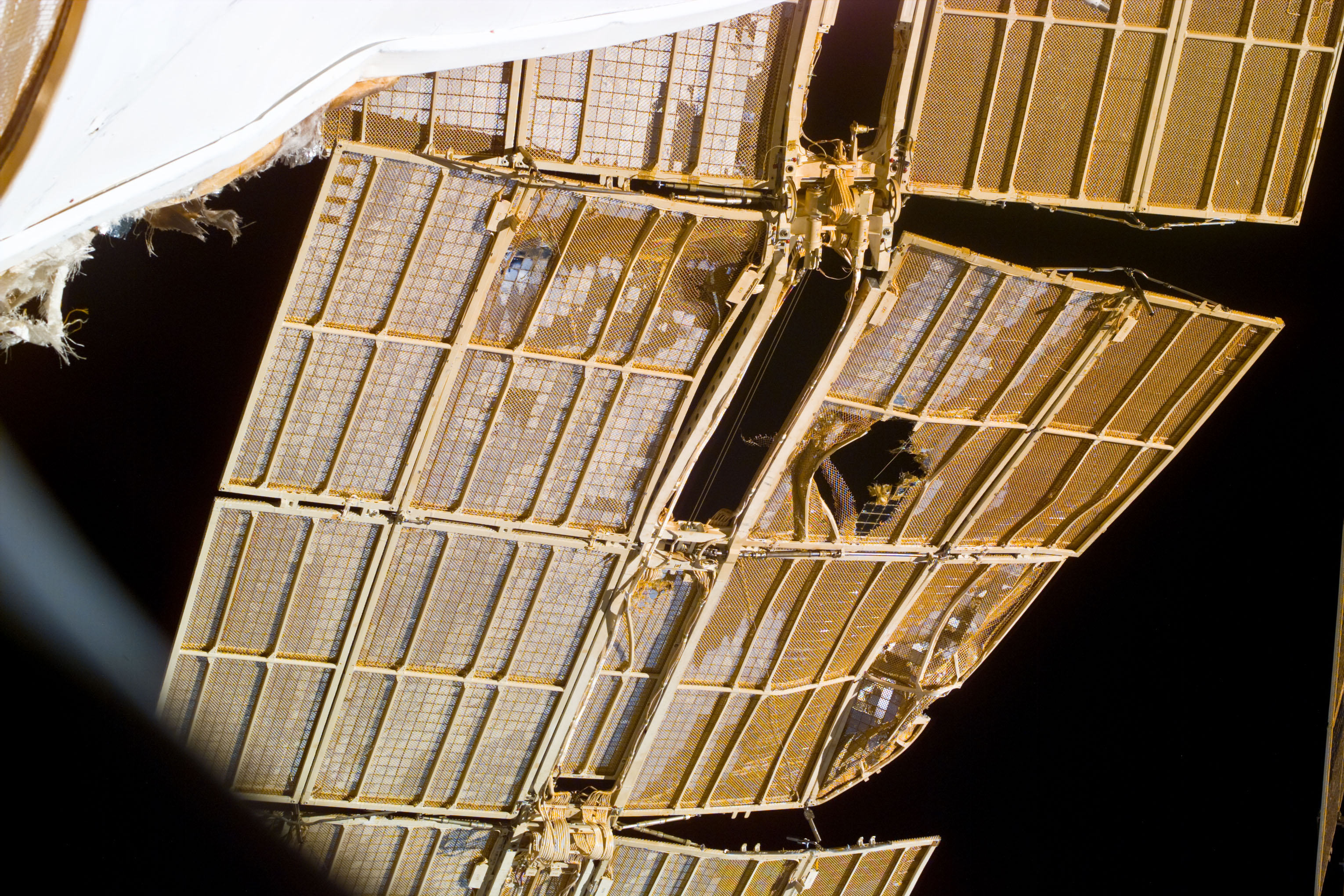
On 25 June 1997, a seven-ton cargo ship under hand control drifted into Mir's Spektr module, breached the hull, and left three crew members listening to their air hiss into space. It remains the worst collision in the history of human spaceflight.