FENGYUN 1C DEB (36669)

COSPAR: 1999-025DYP | Alt Name: deb FY-1C
DECAYED

Image
FENGYUN 1C DEB Satellite Image
Additional Sources
Launch Details

Launch Date

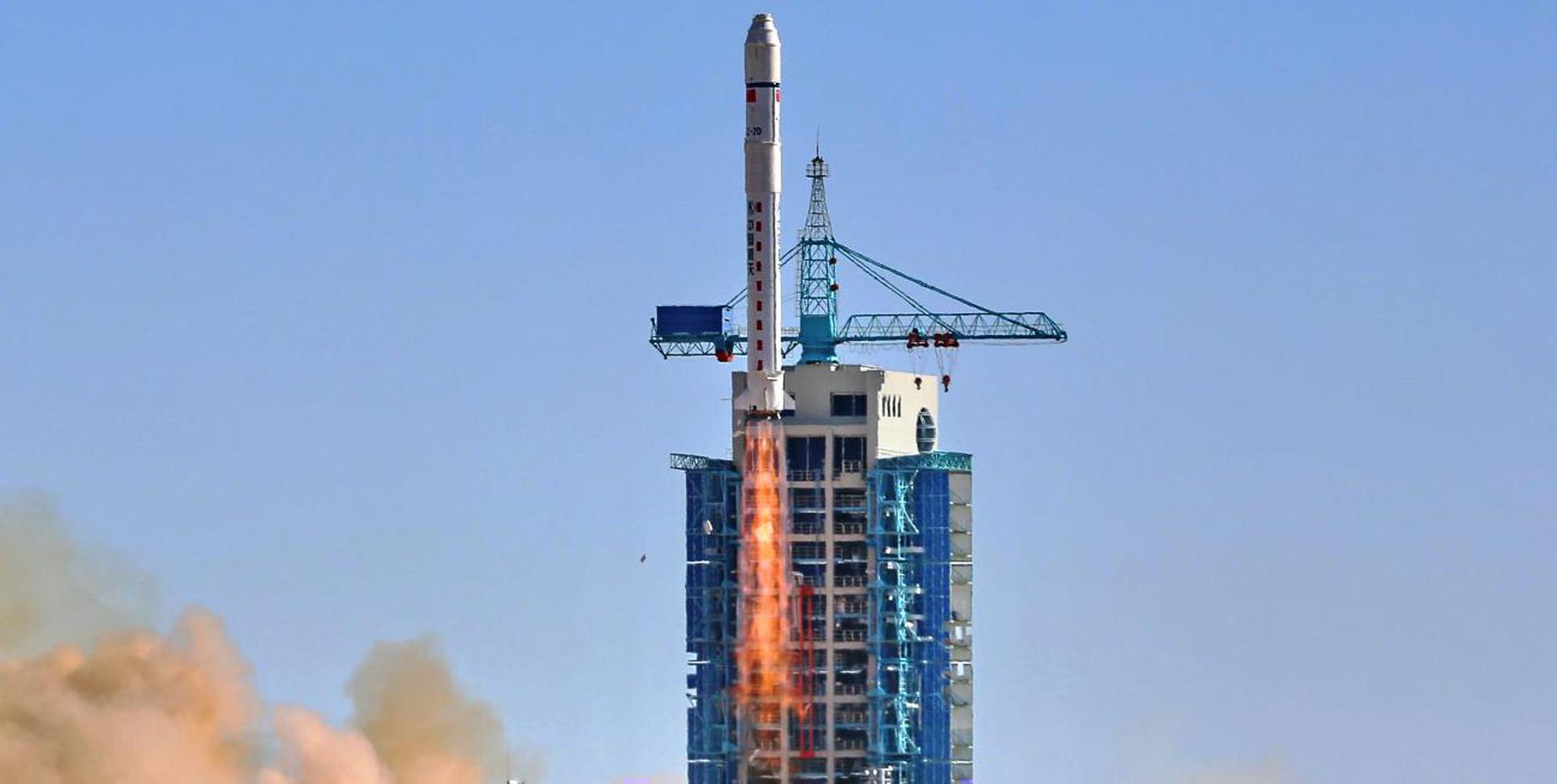
May 10, 1999

Launch Site

TAISC

Launch Pad

LC7

Launch Vehicle

Chang Zheng 4B

Orbital Elements

NORAD ID

36669

International Designator

1999-025DYP

Decay Date

3/23/2016

Basic Satellite Info

Name

FENGYUN 1C DEB

Alternative Name

deb FY-1C

Type

Debris

Status

Space Junk

Owner

CASC

Country

China

Constellation

N/A

Related Satellites

Major Events

N/A

Summary
Space debris, also known as space junk, encompasses all non-functional objects orbiting Earth such as defunct satellites, spent rocket stages, and fragments from collisions or disintegrations. Over time, this debris can accumulate and create an increasingly hazardous environment in orbit. Even tiny fragments, traveling at extremely high velocities, can inflict significant damage on operational satellites and spacecraft. If left unmanaged, the density of debris raises the risk of catastrophic collisions and further fragmentation, compounding the problem and threatening the safety and sustainability of space activities.
Physical Characteristics

Length

0

Diameter

0

Span

0

Dry Mass

0

Launch Mass

0

Shape

N/A

Radar Cross Section

0.0096

Visual Magnitude

Unknown

Color

Unknown

Material Composition

Unknown

Technical Details

Payload

Unknown

Purpose

Unknown

Mission

Unknown

Manufacturer

Unknown

Life Expectancy

Unknown

Bus

Unknown

Configuration

Unknown

Motor

Unknown

Equipment

Unknown

Power System

Unknown

ADCS

Unknown

Transmitter Frequency

Unknown

Satellite Articles

View All Posts »

Learn more about satellites and other related topics.

The Dog They Never Planned to Bring Home

The Dog They Never Planned to Bring Home

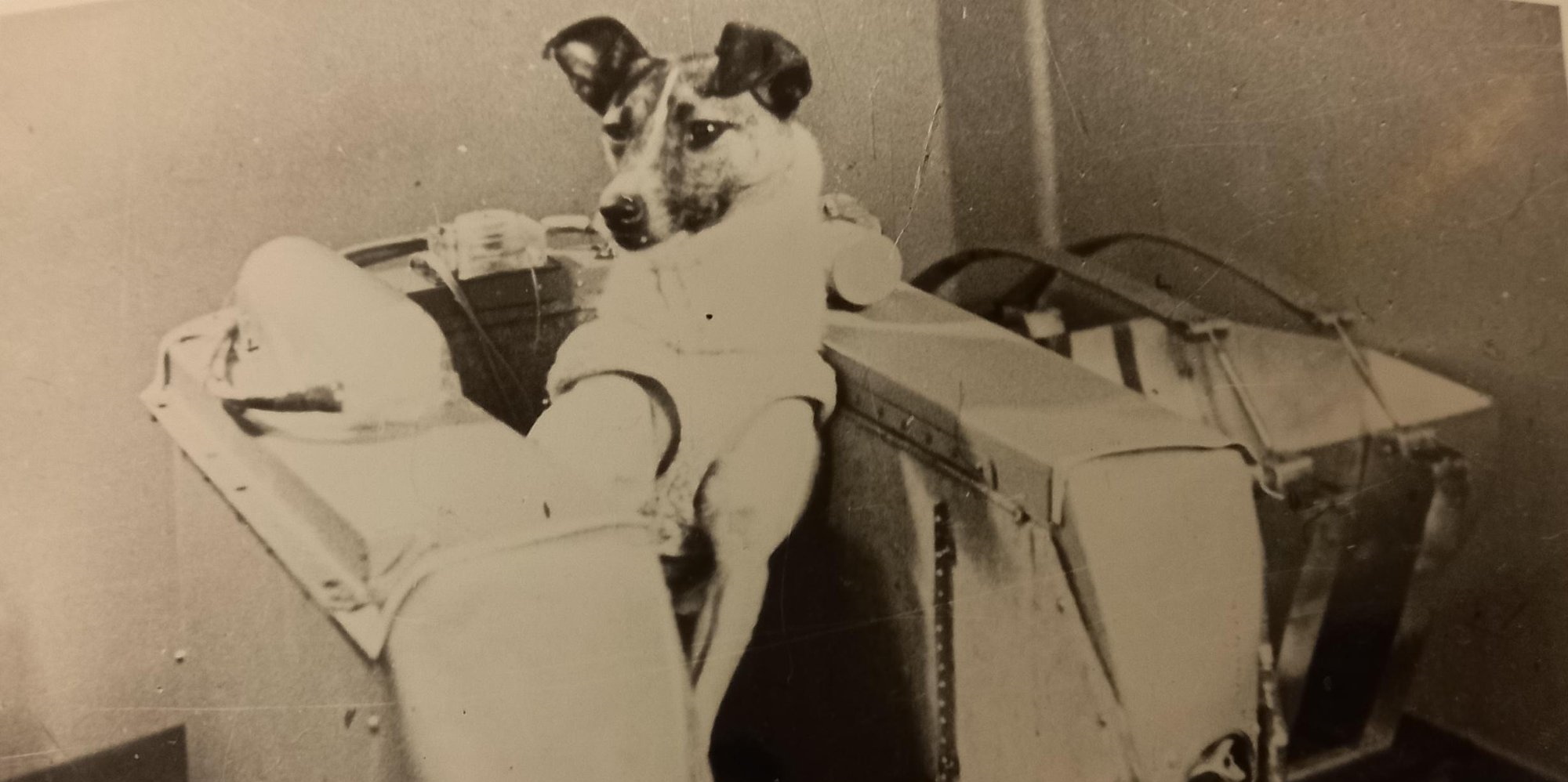
On April 14, 1958, Sputnik 2 burned up over the North Atlantic, carrying the remains of a stray dog from Moscow who had been dead for five months. The Soviet Union told the world she survived for days. It took forty-five years for the truth to come out.

X Report 23 Oct 2025

X Report 23 Oct 2025

SpaceX continues to break records with its Falcon 9 missions while facing public scrutiny from Elon Musk regarding NASA's leadership. Meanwhile, satellite spectrum battles heat up as Lynk Global and Omnispace prepare to merge.

Starship V3 Static Fire Ignites 33 Engines, X Report 15 Apr 2026

Starship V3 Static Fire Ignites 33 Engines, X Report 15 Apr 2026

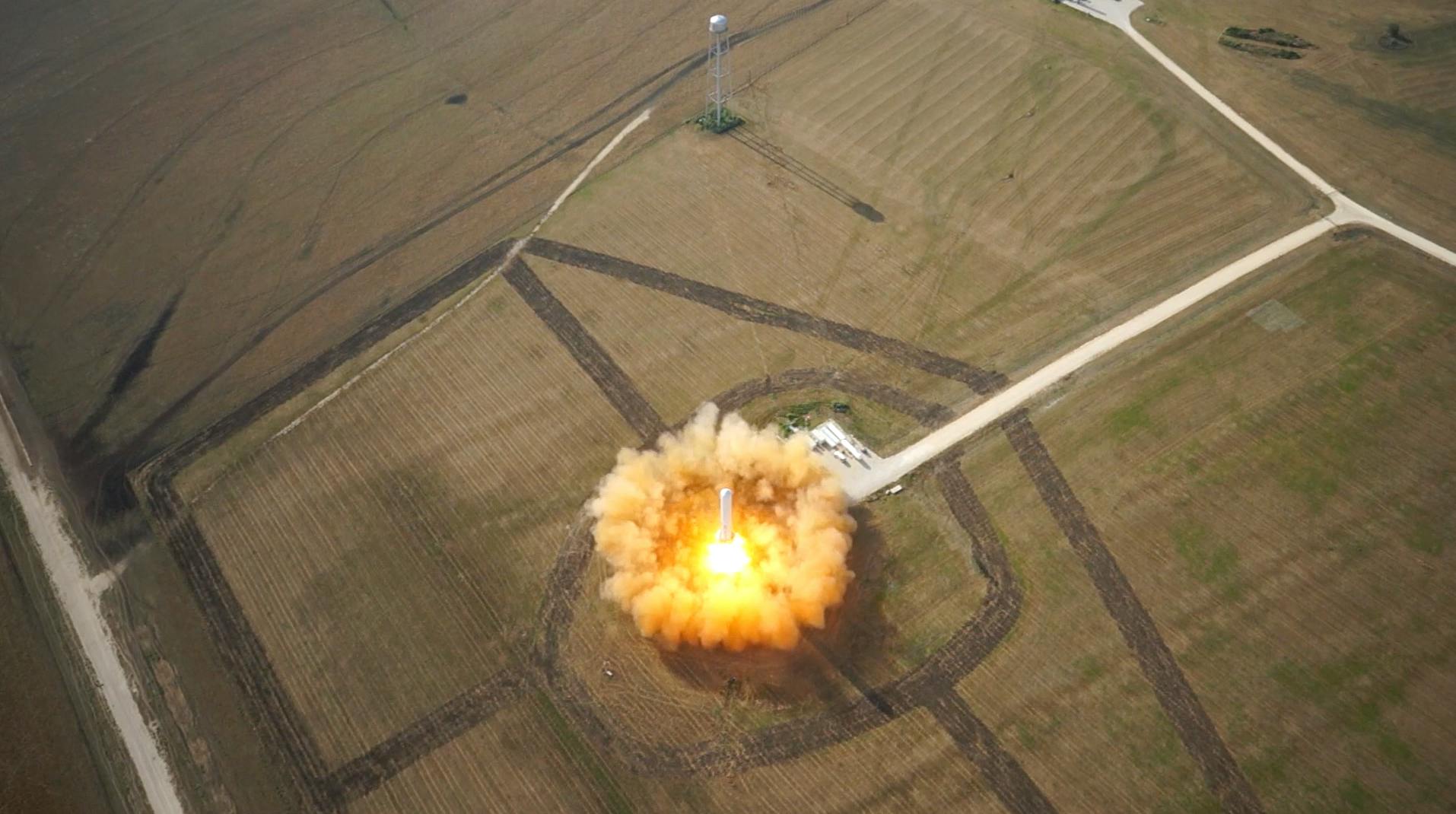
SpaceX fired all 33 Raptor 3 engines in the Starship V3 static fire at Starbase, clearing Flight 12. Plus 1,000 Starlink satellites launched in 2026.

Varda W-5 Reentry Lands in Australia, Senate Passes $839B Defense Bill | KeepTrack Space Brief

Varda W-5 Reentry Lands in Australia, Senate Passes $839B Defense Bill | KeepTrack Space Brief

Varda Space's W-5 mission lands safely in Australia. Leonardo DRS wins SDA Tracking Layer Tranche 3 infrared payload contract. Senate passes $839B defense bill.

Space Brief 20 Sep 2025

Space Brief 20 Sep 2025

Today's highlights include SpaceX's Starlink launch, NASA's revived lunar mission, and a spotlight on space-defense activities.

New Glenn Achieves First Booster Reuse on Mission 3 | KeepTrack Space Brief

New Glenn Achieves First Booster Reuse on Mission 3 | KeepTrack Space Brief

Blue Origin's New Glenn successfully reused its first stage booster for the first time on Mission 3, launching April 19. Booster reuse accelerates operational tempo.

The Day the Dyna-Soar Dream Died

The Day the Dyna-Soar Dream Died

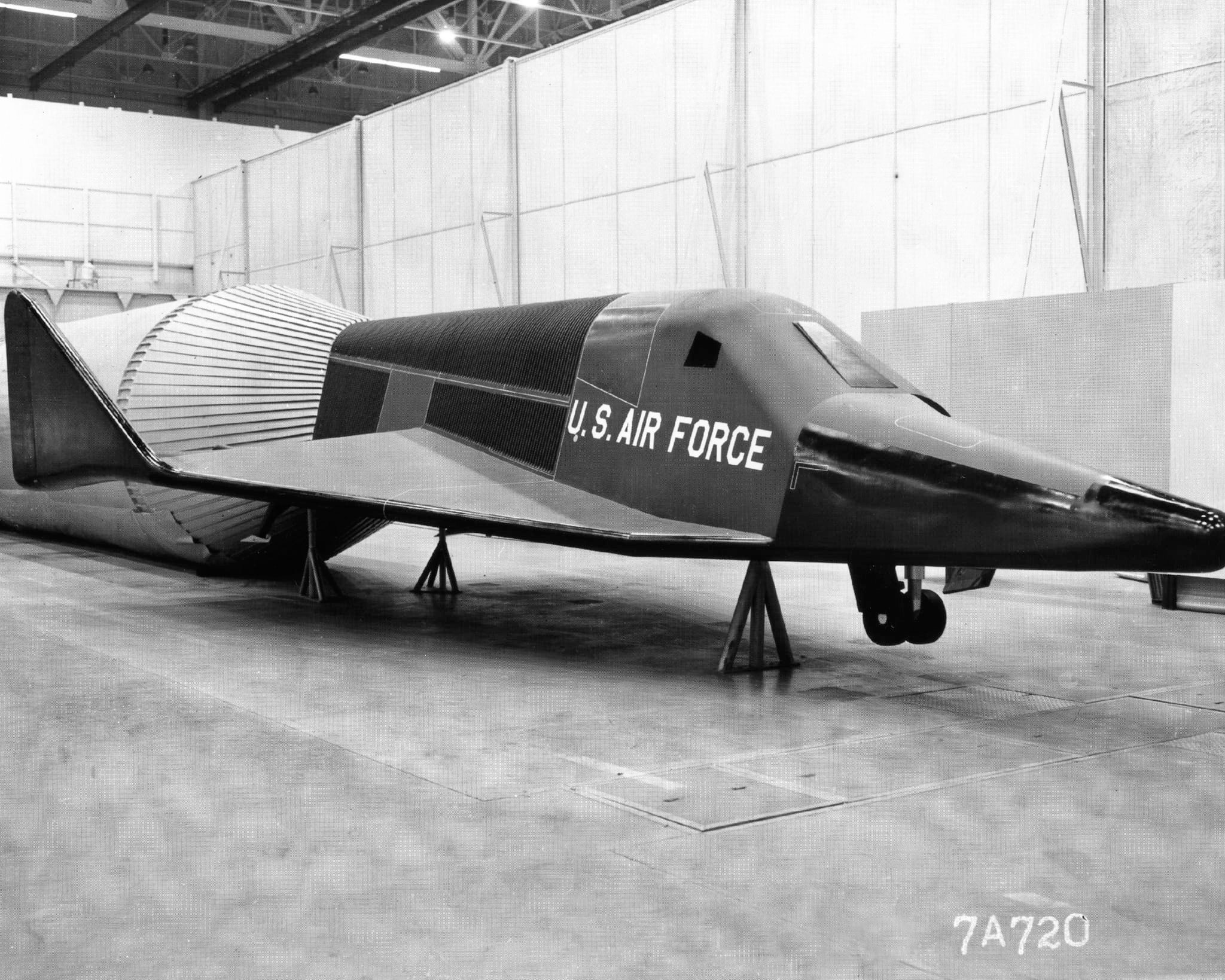
Exactly 62 years ago, Defense Secretary Robert McNamara ended the X-20 Dyna-Soar program, canceling one of the most ambitious spaceplane projects of the early Space Race - a vehicle that could have put aircraft in orbit decades before the Space Shuttle.

The Day Two Satellites Said Hello at 26,000 Miles Per Hour

The Day Two Satellites Said Hello at 26,000 Miles Per Hour

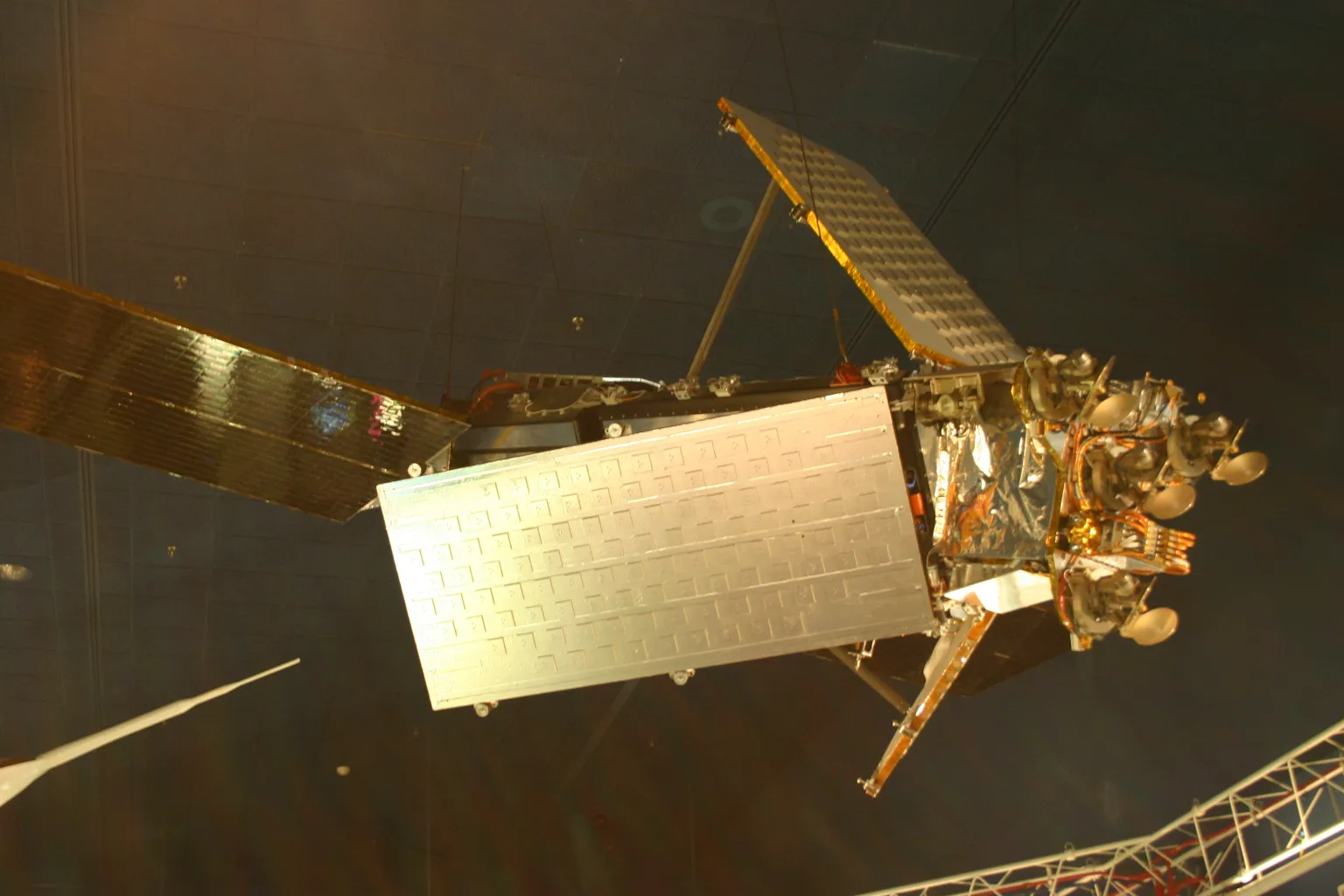
Seventeen years ago today, an operational American communications satellite and a dead Russian military relay crossed paths over Siberia. What happened next created more than 2,000 pieces of trackable debris - and fundamentally changed how the world thinks about space traffic.