FENGYUN 1C DEB (36653)

COSPAR: 1999-025DXX | Alt Name: deb FY-1C
DECAYED

Image
FENGYUN 1C DEB Satellite Image
Additional Sources
Launch Details

Launch Date

May 10, 1999

Launch Site

TAISC

Launch Pad

LC7

Launch Vehicle

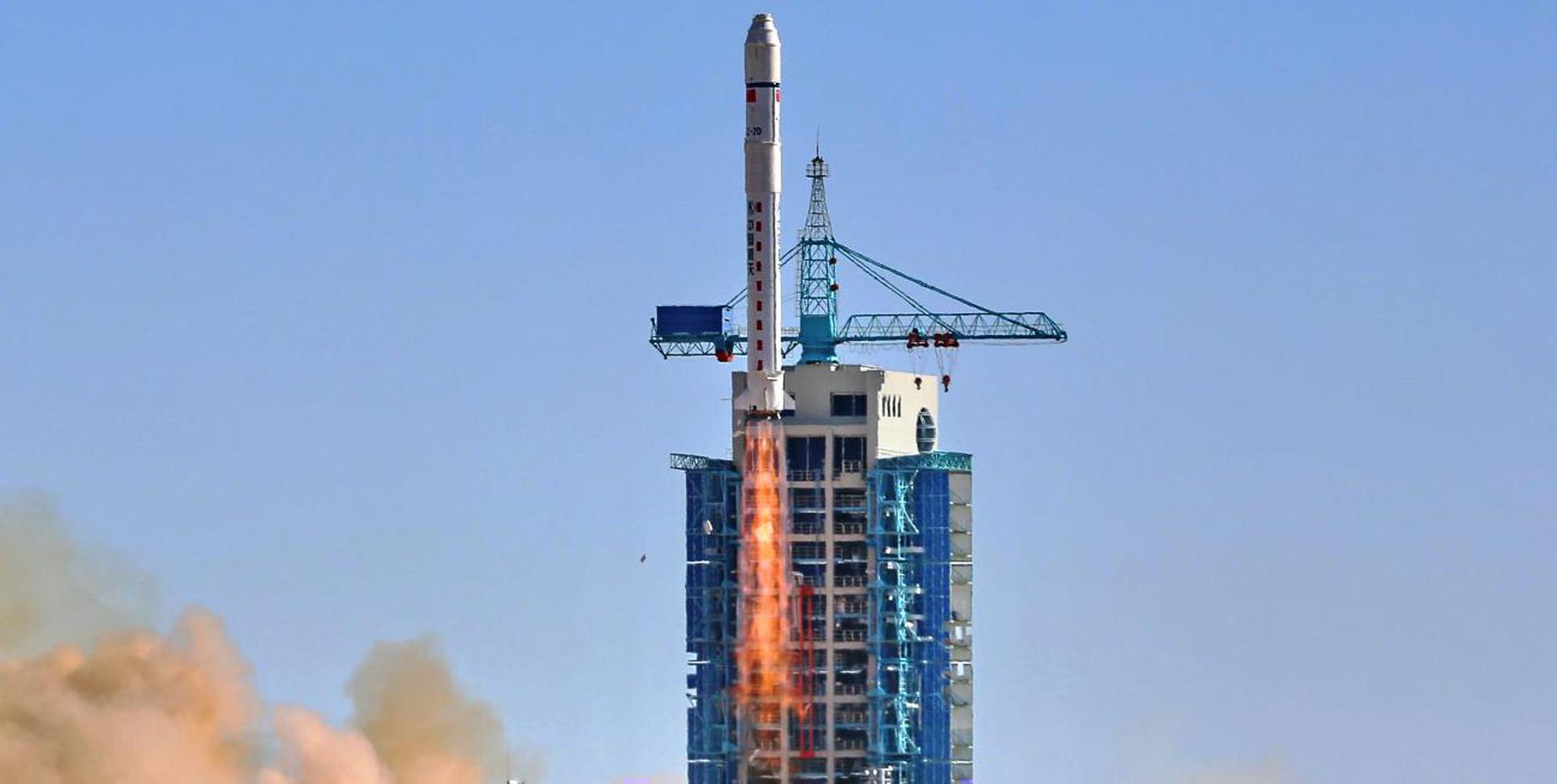
Chang Zheng 4B

Orbital Elements

NORAD ID

36653

International Designator

1999-025DXX

Decay Date

12/11/2014

Basic Satellite Info

Name

FENGYUN 1C DEB

Alternative Name

deb FY-1C

Type

Debris

Status

Space Junk

Owner

CASC

Country

China

Constellation

N/A

Related Satellites

Major Events

N/A

Summary
Space debris, also known as space junk, encompasses all non-functional objects orbiting Earth such as defunct satellites, spent rocket stages, and fragments from collisions or disintegrations. Over time, this debris can accumulate and create an increasingly hazardous environment in orbit. Even tiny fragments, traveling at extremely high velocities, can inflict significant damage on operational satellites and spacecraft. If left unmanaged, the density of debris raises the risk of catastrophic collisions and further fragmentation, compounding the problem and threatening the safety and sustainability of space activities.
Physical Characteristics

Length

0

Diameter

0

Span

0

Dry Mass

0

Launch Mass

0

Shape

N/A

Radar Cross Section

0.0098

Visual Magnitude

Unknown

Color

Unknown

Material Composition

Unknown

Technical Details

Payload

Unknown

Purpose

Unknown

Mission

Unknown

Manufacturer

Unknown

Life Expectancy

Unknown

Bus

Unknown

Configuration

Unknown

Motor

Unknown

Equipment

Unknown

Power System

Unknown

ADCS

Unknown

Transmitter Frequency

Unknown

Satellite Articles

View All Posts »

Learn more about satellites and other related topics.

The Telescope That Needed Glasses

The Telescope That Needed Glasses

On April 25, 1990, the Space Shuttle Discovery's robotic arm lifted a 11,110-kilogram barrel of mirrors and instruments out of the payload bay and released it into orbit. Six weeks later, the first images came back badly out of focus. The Hubble Space Telescope had been ground to the wrong prescription, and America had just spent $2.5 billion on what the press was calling a 'technoturkey.'


Air Force One Gets Starlink, Astrobotic Acquired | KeepTrack Space Brief

Air Force One Gets Starlink, Astrobotic Acquired | KeepTrack Space Brief

Trump's interim Air Force One—a $400M Boeing 747-8—equipped with Starlink for presidential communications. First confirmed LEO constellation use for White House comms.

Space Brief 17 Nov 2025

Space Brief 17 Nov 2025

Today's highlights include key advancements for the Dream Chaser, SpaceX's record launches, Moon mission crowding concerns, and updates in European space policy.

The Day Europe Changed the Game for Small Satellites

The Day Europe Changed the Game for Small Satellites

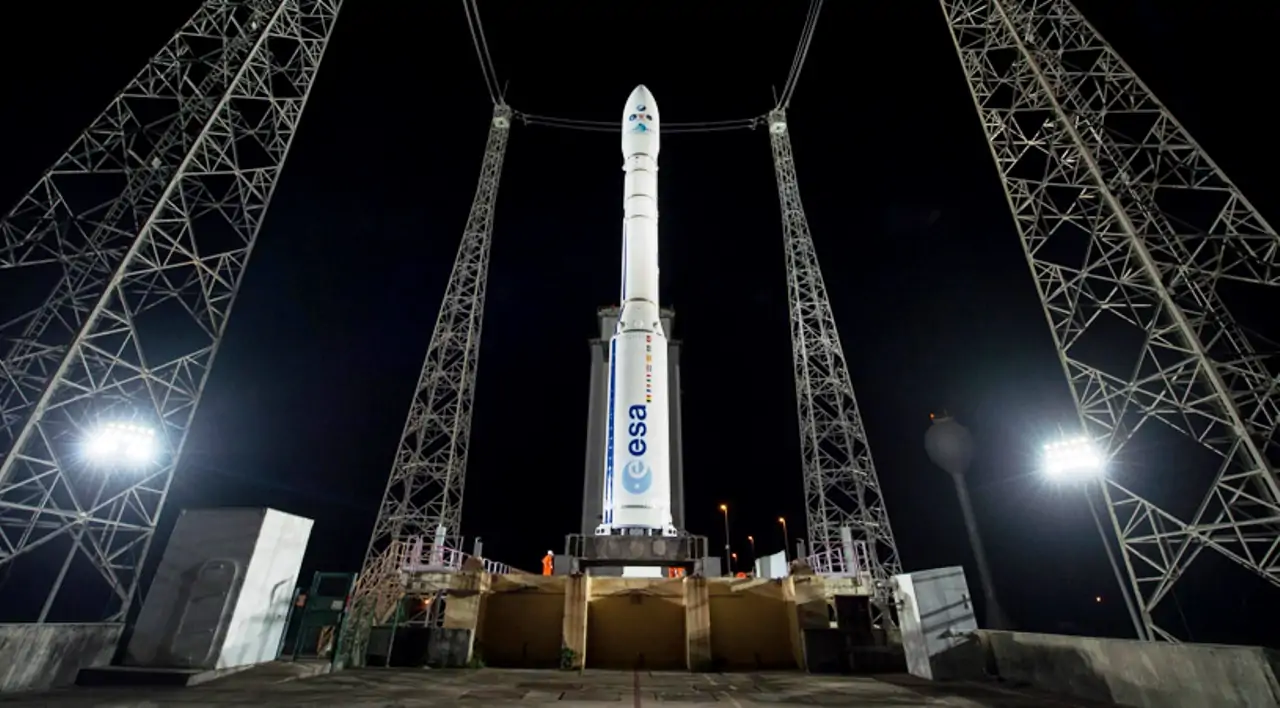
Thirteen years ago, a new rocket lifted off from the edge of the Amazon rainforest, marking Europe's entry into the small satellite launch market and carrying the dreams of university students across a continent

Space Brief 29 Sep 2025

Space Brief 29 Sep 2025

Today's Space Brief discusses significant military satellite launches, groundbreaking agreements for lunar nuclear power, and Italy's satellite strategy dilemma. Additionally, we cover the Dream Chaser's upcoming demonstration flight and new Pentagon contracts for rocket motor production.

LeoLabs and the Business of Watching Everything

LeoLabs and the Business of Watching Everything

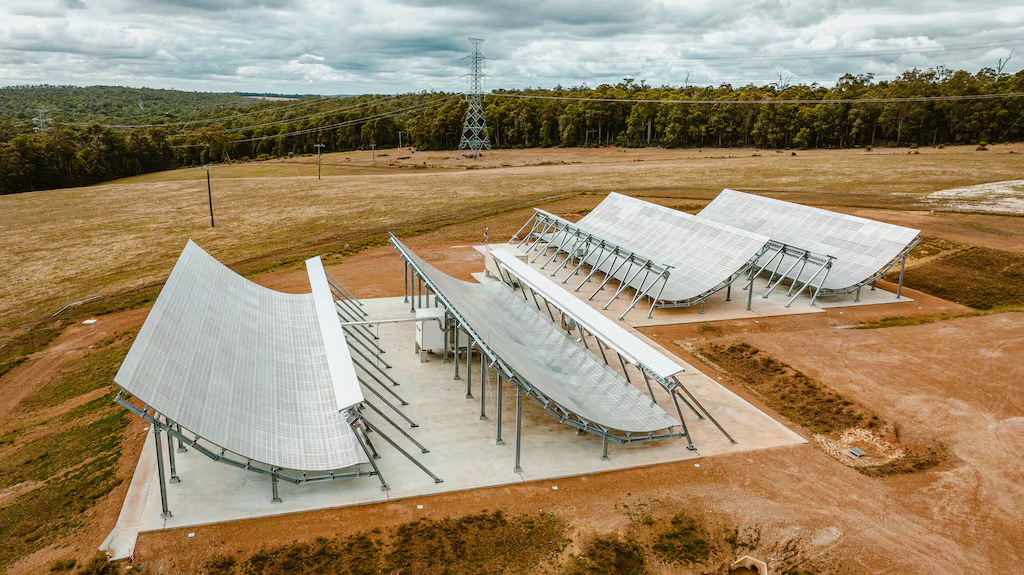
A startup built on Cold War-era radar science now tracks 25,000 objects in orbit - and the Pentagon can't get enough of it. But can its radars really compete with the Space Surveillance Network?

Space Brief 20 Sep 2025

Space Brief 20 Sep 2025

Today's highlights include SpaceX's Starlink launch, NASA's revived lunar mission, and a spotlight on space-defense activities.

Space Brief 4 Aug 2025

Space Brief 4 Aug 2025

Key developments in space today include significant satellite launches, advancements in space technology, and an exciting crewed suborbital flight. Highlights cover China's satellite internet progress, a promising innovation for solar cells, and recent SpaceX and Blue Origin activities.