

X Report 2 Feb 2025
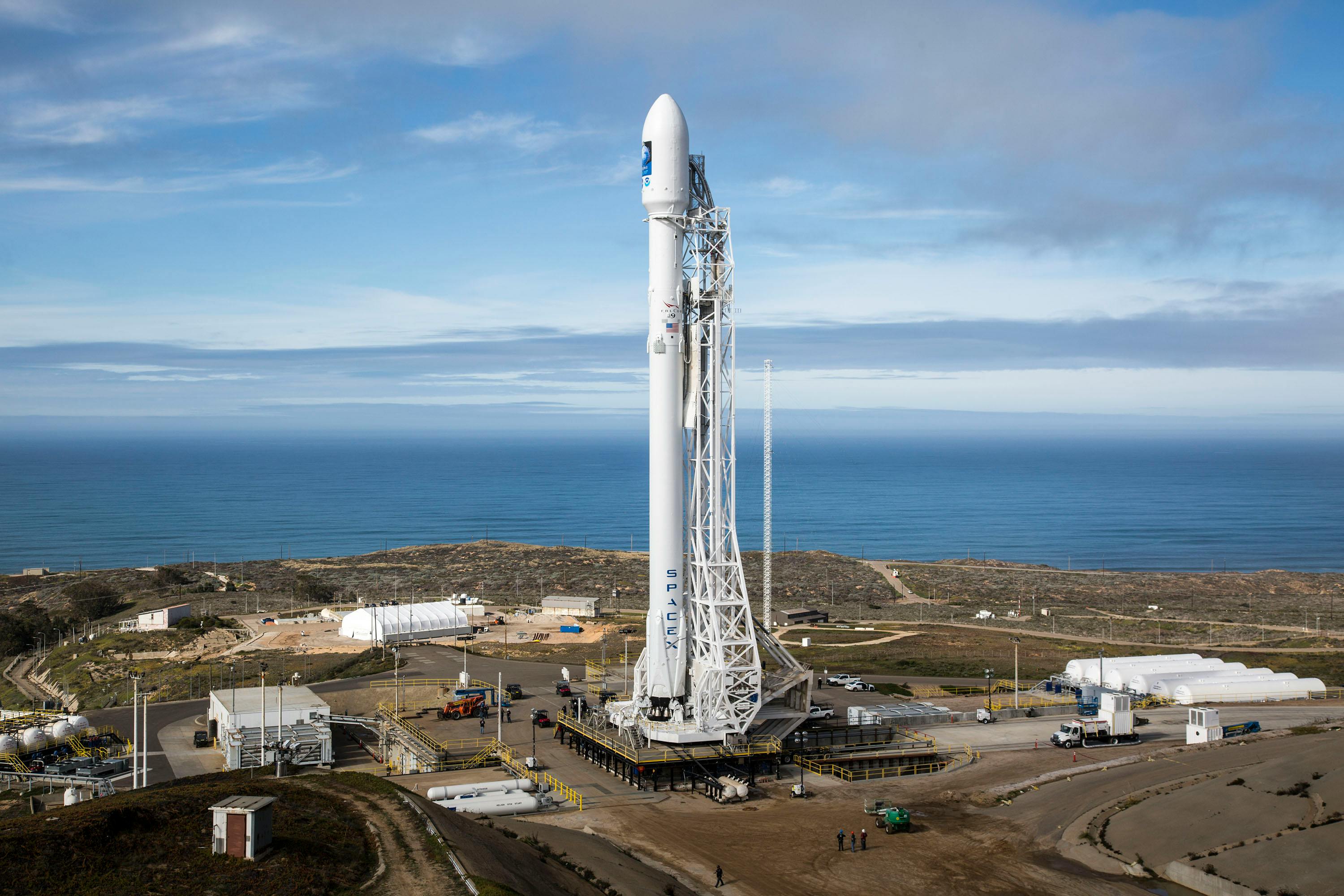
SpaceX successfully launched 43 Starlink satellites across two missions, marking significant achievements at Cape Canaveral and Vandenberg Space Force Bases.



Launch Date
May 10, 1999
Launch Site
TAISC
Launch Pad
LC7
Launch Vehicle
Chang Zheng 4B
NORAD ID
36648
International Designator
1999-025DXS
Decay Date
1/22/2021
Name
FENGYUN 1C DEB
Alternative Name
deb FY-1C
Type
Status
Owner
CASC
Country
China
Constellation
N/A
Related Satellites
Major Events
N/A
Length
0
Diameter
0
Span
0
Dry Mass
0
Launch Mass
0
Shape
N/A
Radar Cross Section
0.003
Visual Magnitude
Unknown
Color
Unknown
Material Composition
Unknown
Payload
Unknown
Purpose
Unknown
Mission
Unknown
Manufacturer
Unknown
Life Expectancy
Unknown
Bus
Unknown
Configuration
Unknown
Motor
Unknown
Equipment
Unknown
Power System
Unknown
ADCS
Unknown
Transmitter Frequency
Unknown
Learn more about satellites and other related topics.
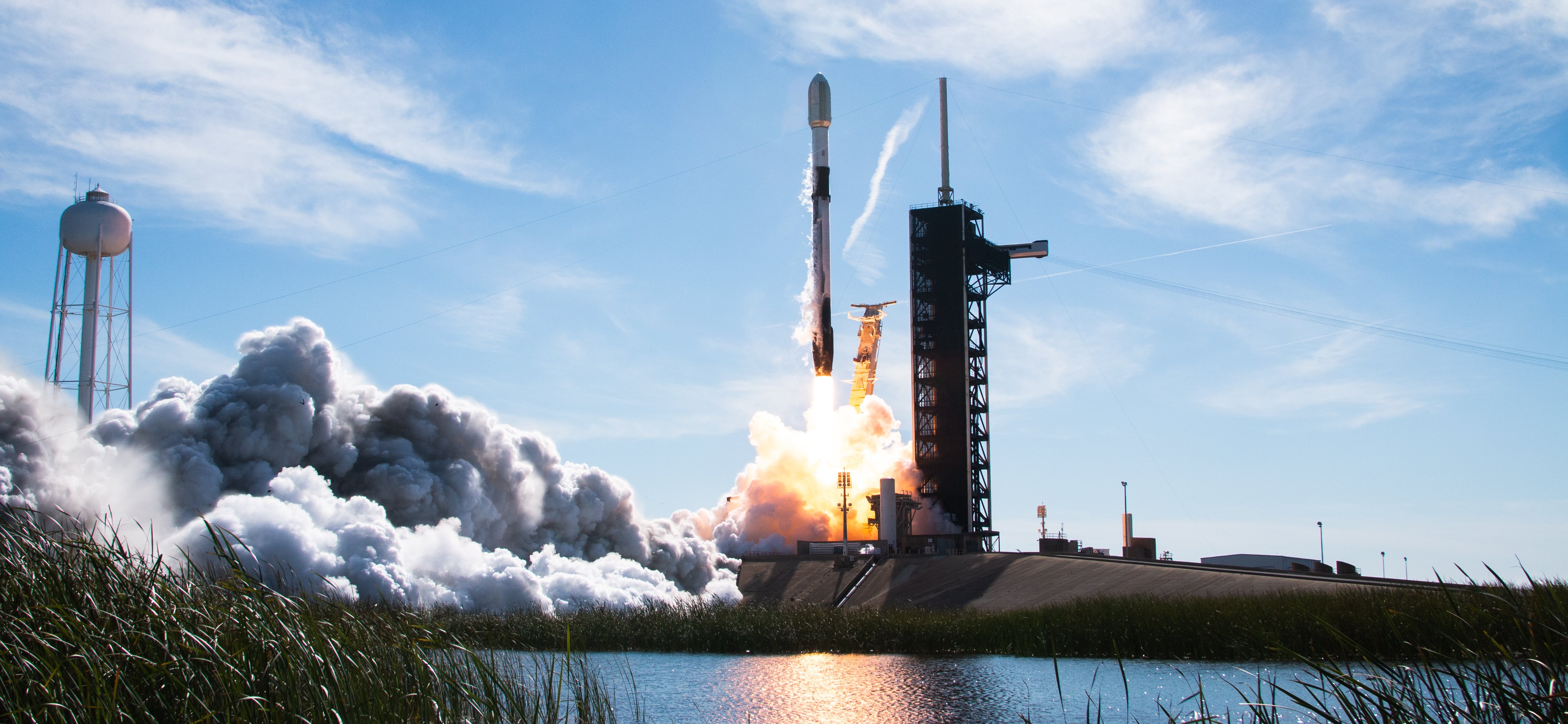
SpaceX successfully launched 43 Starlink satellites across two missions, marking significant achievements at Cape Canaveral and Vandenberg Space Force Bases.
Today's highlights include China's lunar collaboration with Russia, new insights from Magellan's Venus mission, and stunning 8K images of the sun.
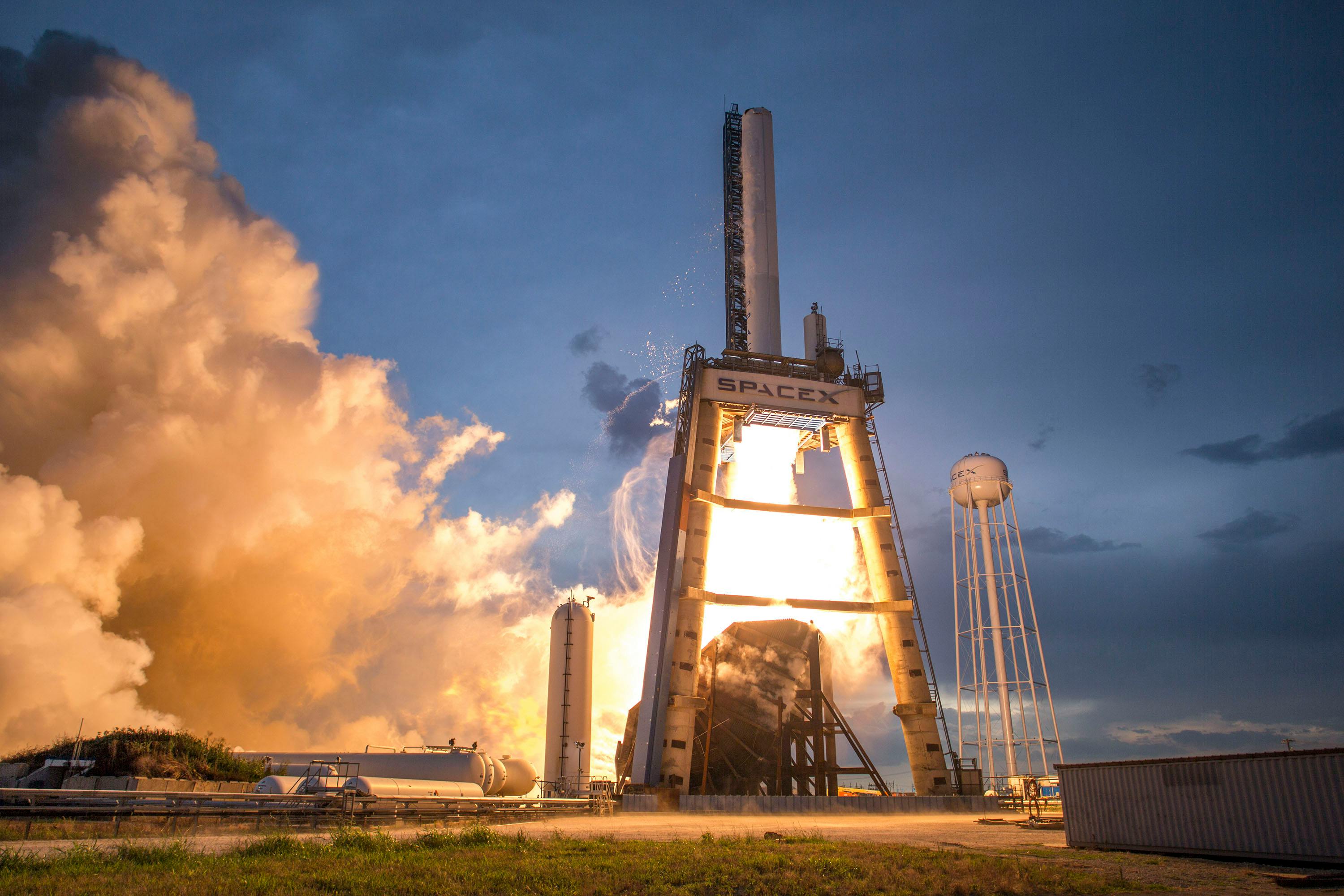
SpaceX completes multiple successful launches, enhancing its Starlink constellation with new satellites while resolving personnel issues related to Crew 12.
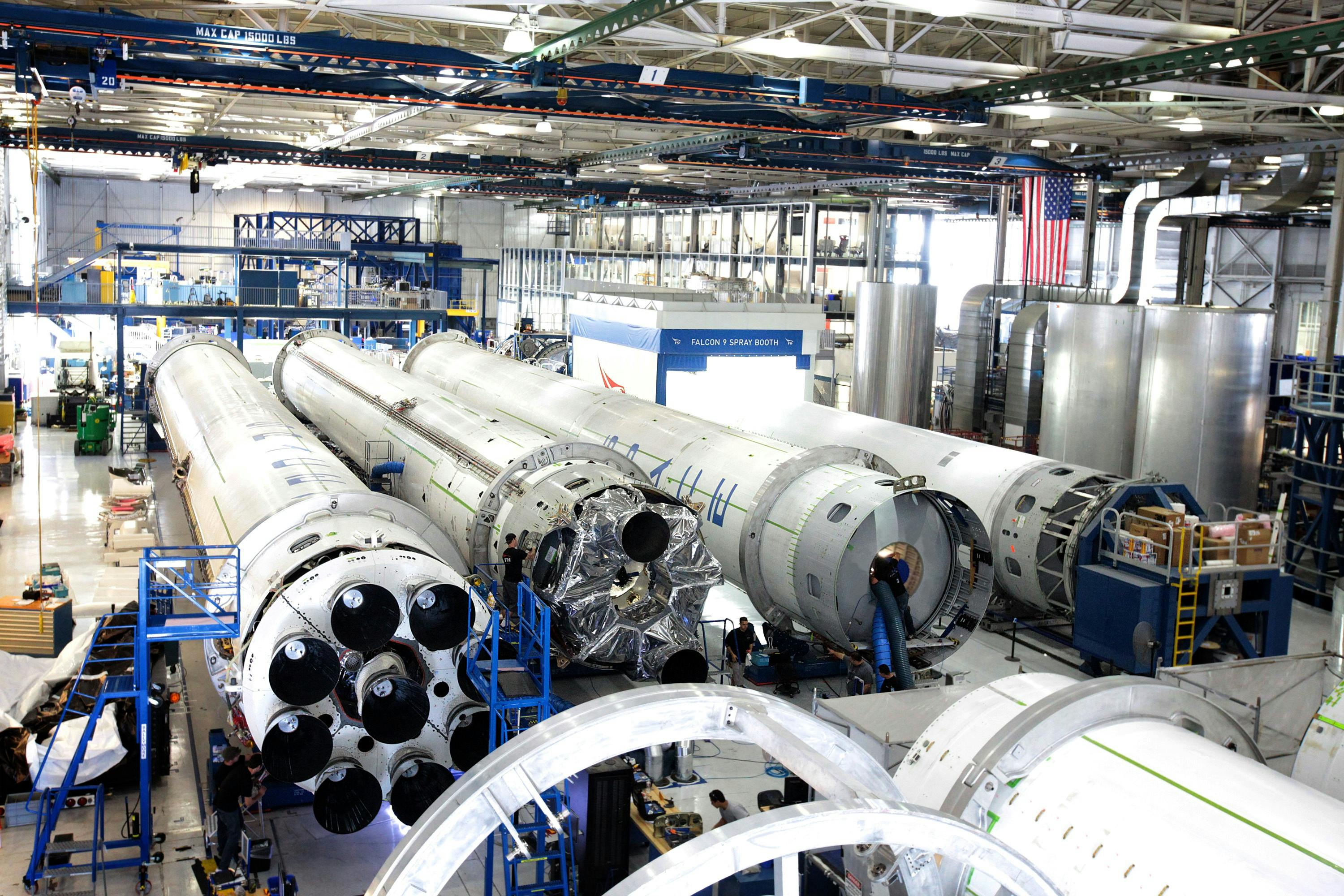
SpaceX unveils new space traffic management system for orbital coordination. Bahamas grants permission for rocket landings after Starship debris pause. Musk proposes lunar satellite catapult.

SpaceX surpassed 10,000 simultaneous Starlink satellites in orbit after Starlink 17-24 deployed 25 satellites from California. Milestone reached in under 7 years.
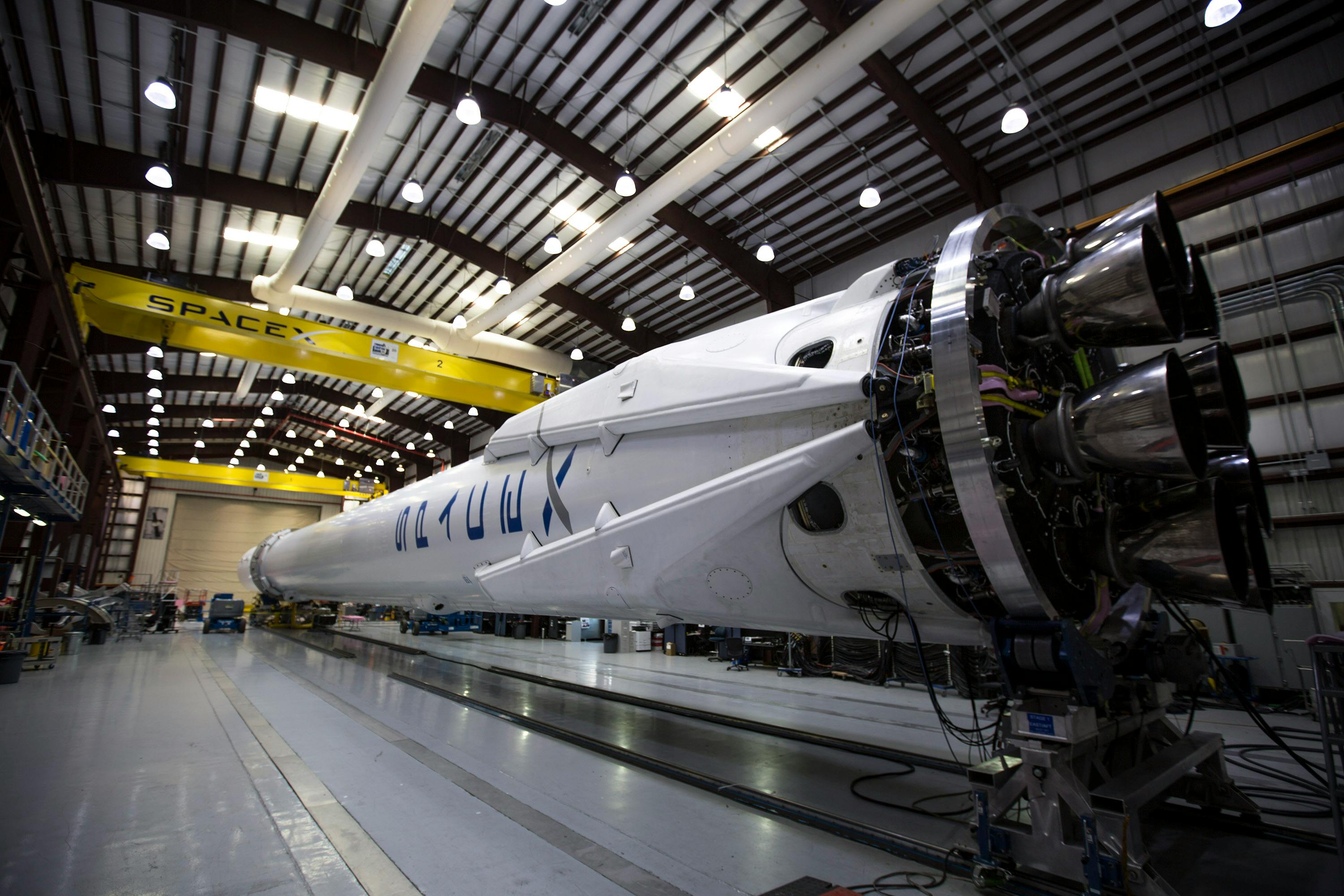
SpaceX's historic $75B IPO priced at $135/share launches SPCX on Nasdaq at a $1.77 trillion valuation — the largest IPO in history.

In 2024, China launched 68 orbital missions. In 2025, the number jumped to 97. In 2026, state media and Western analysts agree the target is 140 or more. Most of that growth is being driven by two state-backed mega-constellations, a half-dozen private launch companies hitting stride, and a deliberate national pivot toward commercial space. Beijing is no longer trying to catch SpaceX. It is trying to build an industrial base that outlasts one.

Historic launches mark a transformative week in aerospace, with major milestones achieved by Isar Aerospace, SpaceX, and Botswana's entry into space. Significant advancements in reusability and European capabilities highlight key developments.