IRIDIUM 33 DEB (36641)

COSPAR: 1997-051XB | Alt Name: deb Iridium 33
DECAYED

Image
IRIDIUM 33 DEB Satellite Image
Additional Sources
Launch Details

Launch Date

September 14, 1997

Launch Pad

LC81/23

Launch Vehicle

Proton-K/17S40

Orbital Elements

NORAD ID

36641

International Designator

1997-051XB

Decay Date

10/19/2014

Basic Satellite Info

Name

IRIDIUM 33 DEB

Alternative Name

deb Iridium 33

Type

Debris

Status

Space Junk

Owner

IRIDS

Country

United States

Constellation

N/A

Related Satellites

Major Events

N/A

Summary
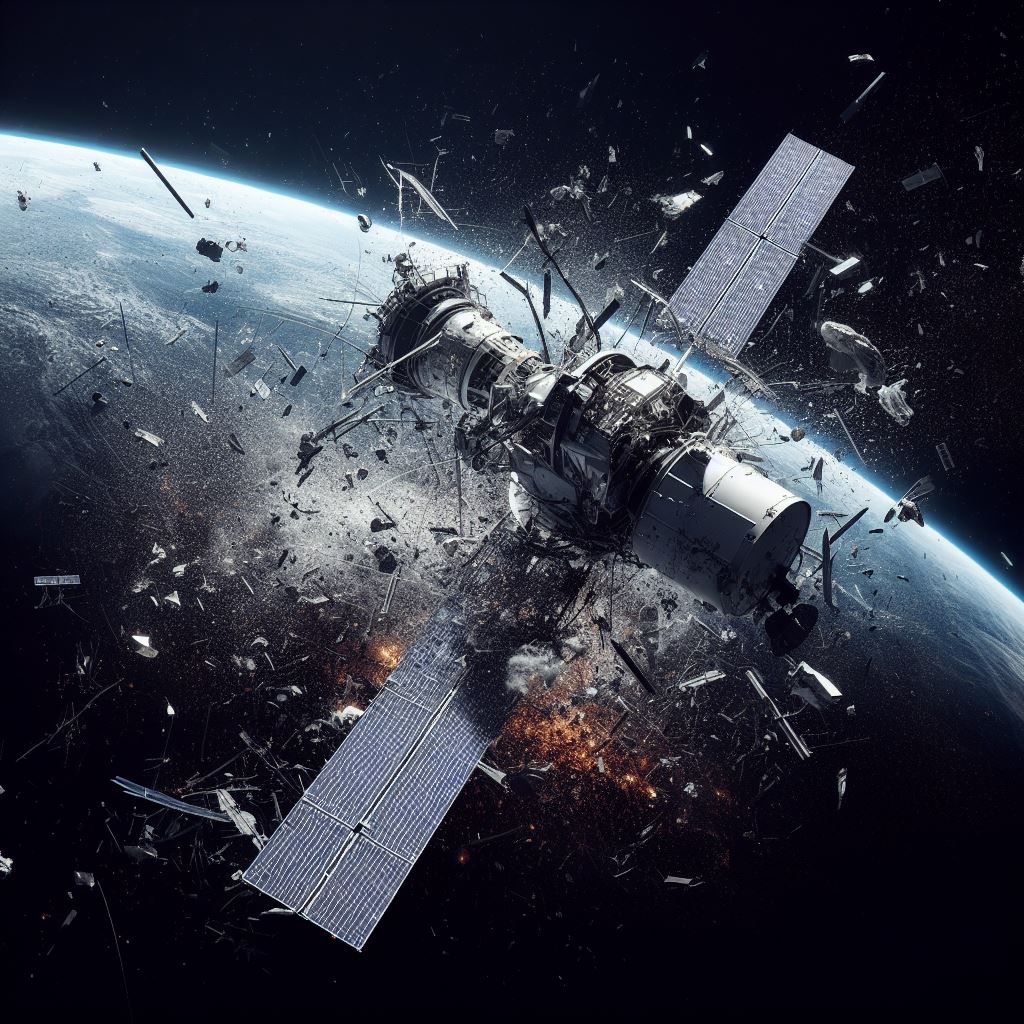
Space debris, also known as space junk, encompasses all non-functional objects orbiting Earth such as defunct satellites, spent rocket stages, and fragments from collisions or disintegrations. Over time, this debris can accumulate and create an increasingly hazardous environment in orbit. Even tiny fragments, traveling at extremely high velocities, can inflict significant damage on operational satellites and spacecraft. If left unmanaged, the density of debris raises the risk of catastrophic collisions and further fragmentation, compounding the problem and threatening the safety and sustainability of space activities.
Physical Characteristics

Length

0

Diameter

0

Span

0

Dry Mass

0

Launch Mass

0

Shape

N/A

Radar Cross Section

0.0014

Visual Magnitude

Unknown

Color

Unknown

Material Composition

Unknown

Technical Details

Payload

Unknown

Purpose

Unknown

Mission

Unknown

Manufacturer

Unknown

Life Expectancy

Unknown

Bus

Unknown

Configuration

Unknown

Motor

Unknown

Equipment

Unknown

Power System

Unknown

ADCS

Unknown

Transmitter Frequency

Unknown

Satellite Articles

View All Posts »

Learn more about satellites and other related topics.

Falcon 9 Returns to Flight, Crew-12 Targets Feb 11 Launch | KeepTrack X Report

Falcon 9 Returns to Flight, Crew-12 Targets Feb 11 Launch | KeepTrack X Report

Falcon 9 returns to flight with Starlink 17-33 mission after brief stand-down. Crew-12 astronaut launch confirmed for Feb 11. SpaceX shifts Dragon launches away from pad 39A.

Hayabusa | The Crippled Falcon That Carried an Asteroid Home

Hayabusa | The Crippled Falcon That Carried an Asteroid Home

Sixteen years ago today, a fireball tore across the Australian outback. Most of it was a dying Japanese spacecraft burning up after a seven-year ordeal. The bright dot racing ahead of the wreckage was a capsule holding the first grains of an asteroid ever returned to Earth.

X Report 19 Nov 2025

X Report 19 Nov 2025

SpaceX successfully launched another batch of Starlink satellites in a night mission, marking a significant return to evening launches post-regulations.

A Celebration of Earth Day | Photos of Home

A Celebration of Earth Day | Photos of Home

For 56 years, April 22 has been the day the world stops to look at itself. Before that was possible, someone had to invent the view. This is the story of how we first saw Earth from the outside, from a crashed V-2 camera in the New Mexico desert to the Blue Marble that still hangs on classroom walls.

Starlink Satellite Count Hits 10,087, X Report 22 Mar 2026

Starlink Satellite Count Hits 10,087, X Report 22 Mar 2026

How many Starlink satellites are in orbit in 2026? 10,087 working of 10,097 on orbit, 11,612 launched to date, per KeepTrack data.

Space Brief 5 Mar 2025

Space Brief 5 Mar 2025

Today's brief covers developments in US military space initiatives, advancements in missile technology, and notable military contractor activities.

Space Brief 29 Apr 2025

Space Brief 29 Apr 2025

Today's space brief covers significant advancements in military counter-drone capabilities, workforce challenges in the Navy related to DOGE budget cuts, and highlights Germany's rise in defense spending. We also shine a spotlight on the communications satellite INTELSAT 901.

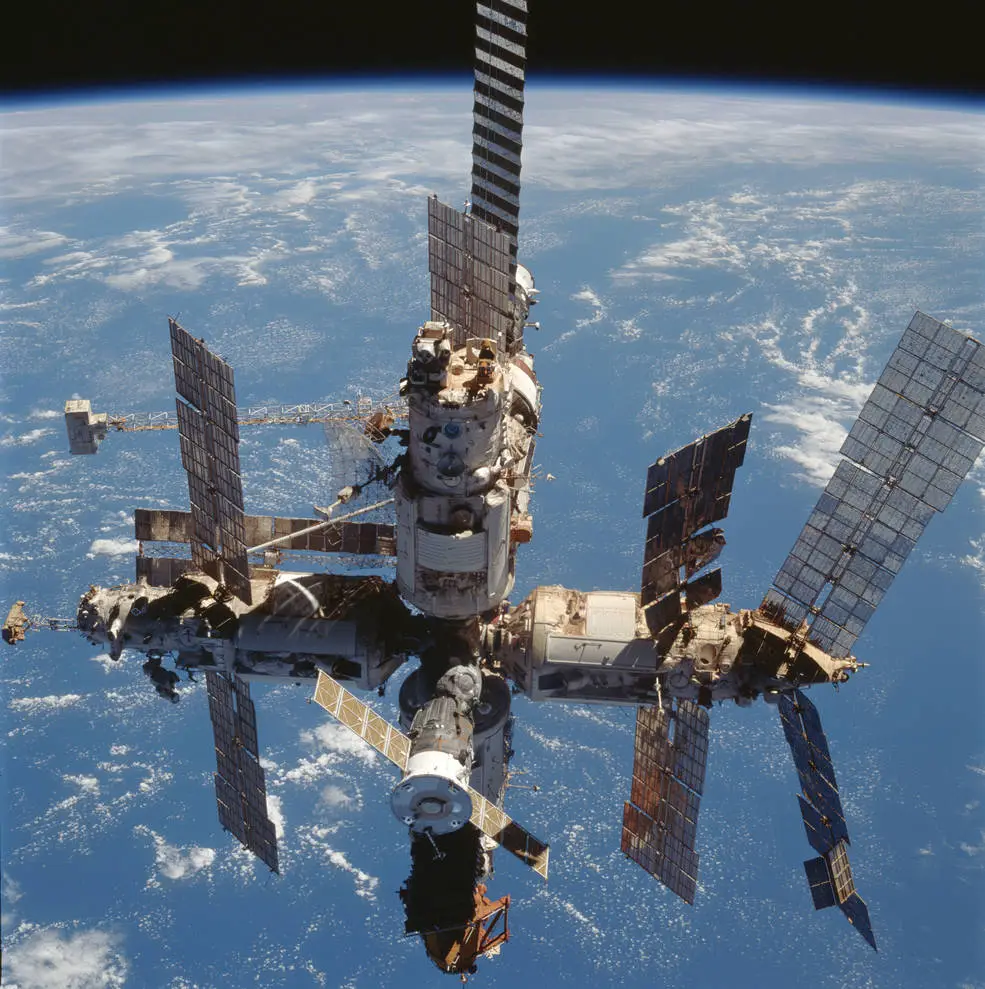
The Day Humanity's First Modular Space Station Reached Orbit

The Day Humanity's First Modular Space Station Reached Orbit

Thirty-nine years ago, a Proton rocket carried the core of the Mir space station into orbit, launching an unprecedented era of continuous human presence in space and international cooperation