BREEZE-M R/B (36593)

COSPAR: 2010-025B | Alt Name: Briz-M No. 99513

Image
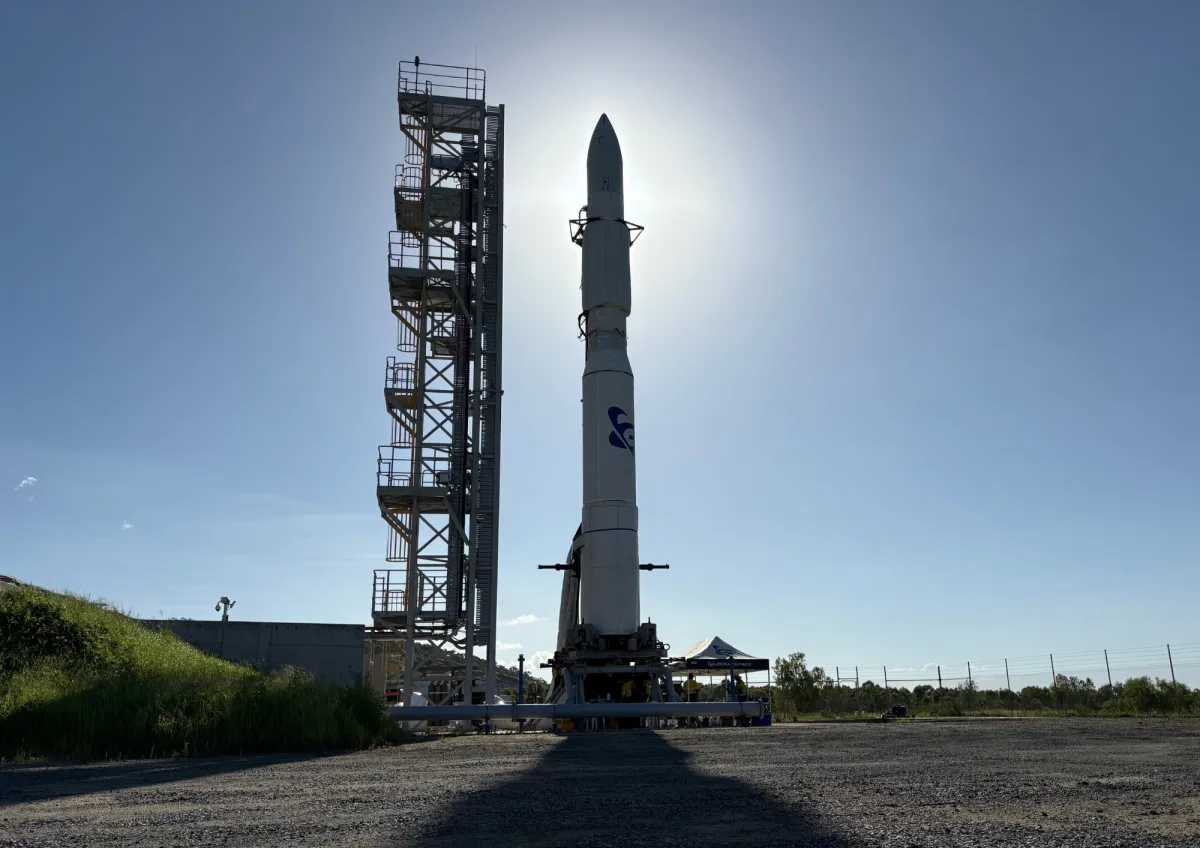
BREEZE-M R/B Satellite Image
Additional Sources
Launch Details

Launch Date

June 3, 2010

Launch Pad

LC200/39

Launch Vehicle

Proton-M/Briz-M

Orbital Elements

NORAD ID

36593

International Designator

2010-025B

Epoch

Sat, 04 Jul 2026 04:43:22 GMT

Apogee

Calculating...

Perigee

Calculating...

Inclination

19.33°

Right Ascension

50.15°

Eccentricity

Calculating...

Argument of Perigee

204.31°

Period

694.26 min

Mean Motion

2.07 rev/day

Latitude

Calculating...

Longitude

Calculating...

Altitude

Calculating...

Velocity

Calculating...

Polar Plot
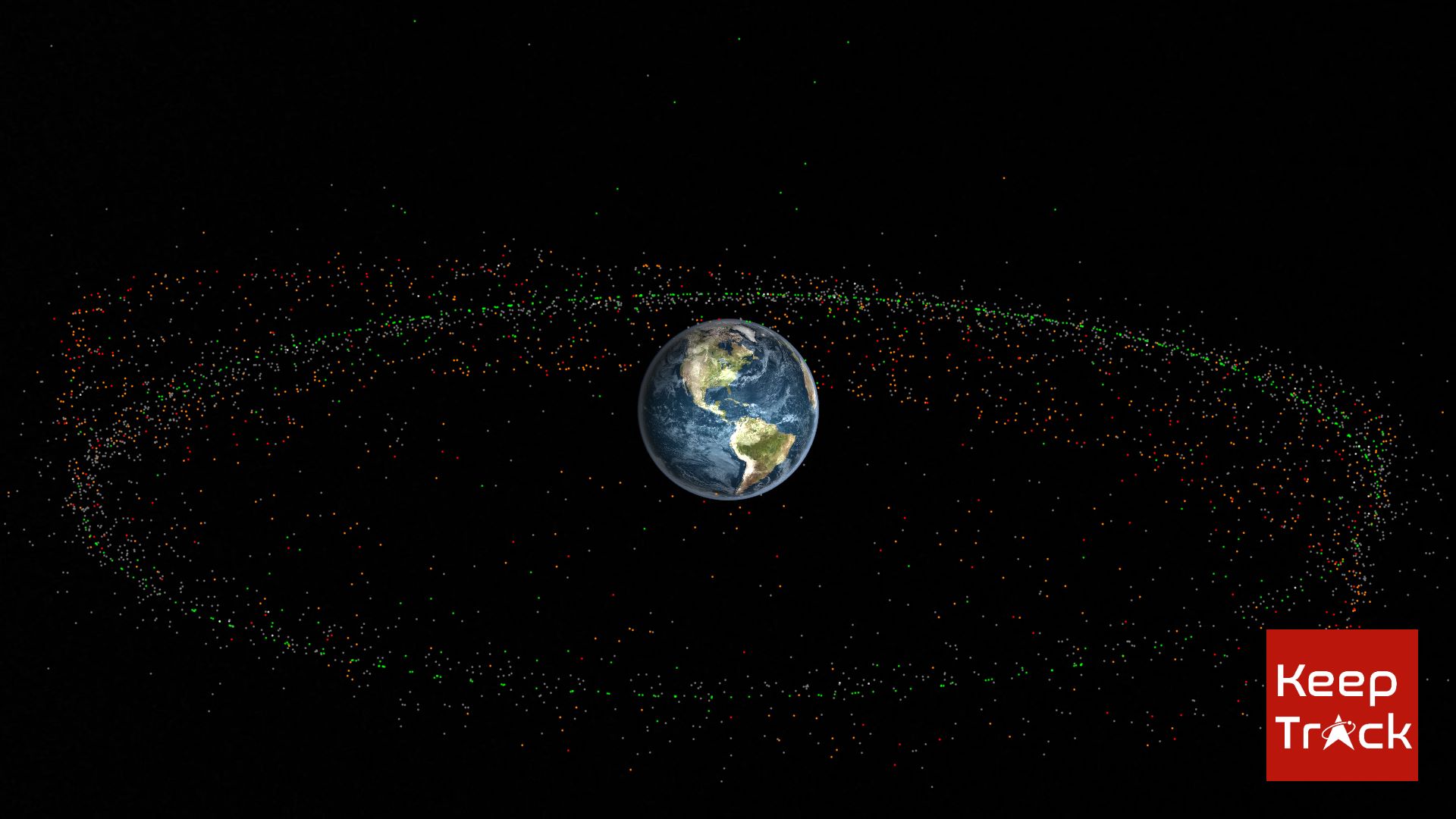
3D Visualization
Basic Satellite Info

Name

BREEZE-M R/B

Alternative Name

Briz-M No. 99513

Type

Rocket Body

Status

Space Junk

Owner

KHRR

Country

Russia

Constellation

N/A

Related Satellites

Major Events

N/A

Latest TLEs
1 36593U 10025B   26185.19679020  .00000033  00000-0  00000-0 0  9996
2 36593  19.3335  50.1540 5636088 204.3137   1.1633  2.07416264121531

Source: Celestrak

Summary
A rocket body, also commonly referred to as an upper stage or spent rocket stage, is the structural shell left behind after a rocket has delivered its payload to orbit. These large and often heavy pieces of space hardware can remain in orbit for years, posing significant collision hazards as part of the growing space debris problem. If left uncontrolled, rocket bodies have the potential to reenter Earth's atmosphere unpredictably, which can lead to falling debris in populated areas. Additionally, they risk colliding with operational satellites or the International Space Station, creating more debris and putting human life at risk.
Physical Characteristics

Length

2.6

Diameter

2.5

Span

2.6

Dry Mass

1600

Launch Mass

7500

Shape

Cyl

Radar Cross Section

8.497

Visual Magnitude

Unknown

Color

Unknown

Material Composition

Unknown

Technical Details

Payload

Briz-M

Purpose

Unknown

Mission

Unknown

Manufacturer

KHRR

Life Expectancy

Unknown

Bus

Briz

Configuration

Unknown

Motor

Unknown

Equipment

Unknown

Power System

Unknown

ADCS

Unknown

Transmitter Frequency

Unknown

Map
This tool will help you track the satellite's position and predict its upcoming passes over your location. Simply input the coordinates or click the geolocation button to get started.
Next Pass
Azimuth Elevation Time (Local)
Start Azimuth
Max Elevation
Stop Azimuth
Time Until
Pass Duration

Satellite Articles

View All Posts »

Learn more about satellites and other related topics.

Space Force Opens Secret Tracking Data to Commercial Firms | KeepTrack Space Brief

Space Force Opens Secret Tracking Data to Commercial Firms | KeepTrack Space Brief

Space Force shares classified tracking data with commercial firms. Falcon 9 reentry linked to upper-atmosphere lithium plume. SpaceX launches 54 Starlink sats in one day.

X Report 18 Feb 2025

X Report 18 Feb 2025

SpaceX prepares for a historic Falcon 9 landing attempt in The Bahamas, while also contributing to FAA air traffic control modernization.

X Report 21 Nov 2025

X Report 21 Nov 2025

SpaceX celebrates significant milestones with its 100th launch of the year, enhancing Starlink's coverage while preparing for an escalating Starship production cadence.

X Report 12 Dec 2025

X Report 12 Dec 2025

SpaceX makes headlines with record-breaking launch operations, while plans for an IPO signal major changes in the company's trajectory and could inspire industry-wide movements.

Space Brief 7 Mar 2025

Space Brief 7 Mar 2025

Key insights from the latest SpaceX Starship breakup, the establishment of a new satellite mobile service, and enhancing America's missile shield capabilities through satellites.

X Report 9 Dec 2025

X Report 9 Dec 2025

SpaceX successfully launched 29 Starlink satellites on the record-breaking 32nd flight of its Falcon 9 rocket. Elon Musk discusses a potential future as a Type II civilization, emphasizing the role of AI and satellite technology.

All 33 Raptor V3 Engines Ignite in Super Heavy Static Fire | KeepTrack X Report

All 33 Raptor V3 Engines Ignite in Super Heavy Static Fire | KeepTrack X Report

SpaceX ignited all 33 next-gen Raptor V3 engines on the Super Heavy booster at Starbase, Texas, marking a critical milestone toward the next Starship flight.

Geosynchronous Orbit (GEO)

Geosynchronous Orbit (GEO)

Understanding the unique orbital sweet spot that keeps satellites perfectly positioned above Earth