


X Report 23 Sep 2025
SpaceX successfully launched the NROL-48 mission, growing the National Reconnaissance Office's satellite fleet. Additionally, NASA introduced ten new astronaut candidates, increasing female representation in its ranks.


![BREEZE-M DEB [TANK] Satellite Image](/images/sat/deb3.jpg)
Launch Date
April 24, 2010
Launch Site
Launch Pad
LC200/39
Launch Vehicle
Proton-M/Briz-M
NORAD ID
36518
International Designator
2010-016C
Decay Date
11/8/2018
Name
BREEZE-M DEB [TANK]
Alternative Name
Briz-M DTB
Type
Status
Owner
KHRR
Country
Russia
Constellation
N/A
Related Satellites
Major Events
N/A
Length
2.1
Diameter
4
Span
4
Dry Mass
1000
Launch Mass
11900
Shape
Torus
Radar Cross Section
6.7411
Visual Magnitude
Unknown
Color
Unknown
Material Composition
Unknown
Payload
Briz-M torus tank
Purpose
Unknown
Mission
Unknown
Manufacturer
KHRR
Life Expectancy
Unknown
Bus
Briz tank
Configuration
Unknown
Motor
Unknown
Equipment
Unknown
Power System
Unknown
ADCS
Unknown
Transmitter Frequency
Unknown
Learn more about satellites and other related topics.
SpaceX successfully launched the NROL-48 mission, growing the National Reconnaissance Office's satellite fleet. Additionally, NASA introduced ten new astronaut candidates, increasing female representation in its ranks.
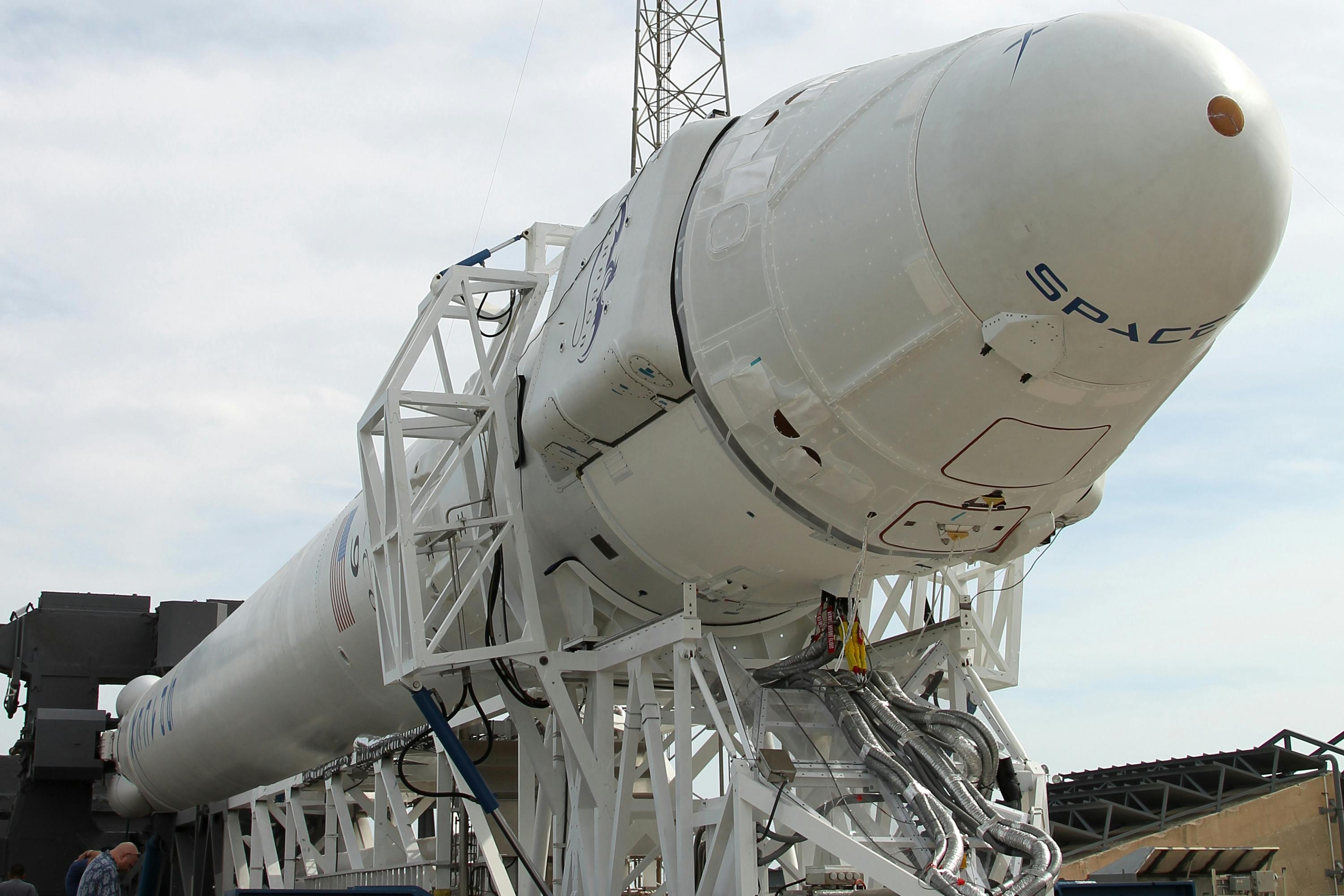
SpaceX progresses on Starship testing while Rocket Lab delays its Neutron rocket debut, potentially impacting the competitive landscape in space launches.

Keck Foundation team proposes first-ever graviton detector concept. Space Force shelves Resilient GPS program. China advances Long March 12B reusable rocket with static fire test at Jiuquan.

SpaceX experiences a setback with Starship Flight 8 while continuing its Starlink deployment efforts with a successful launch from California.
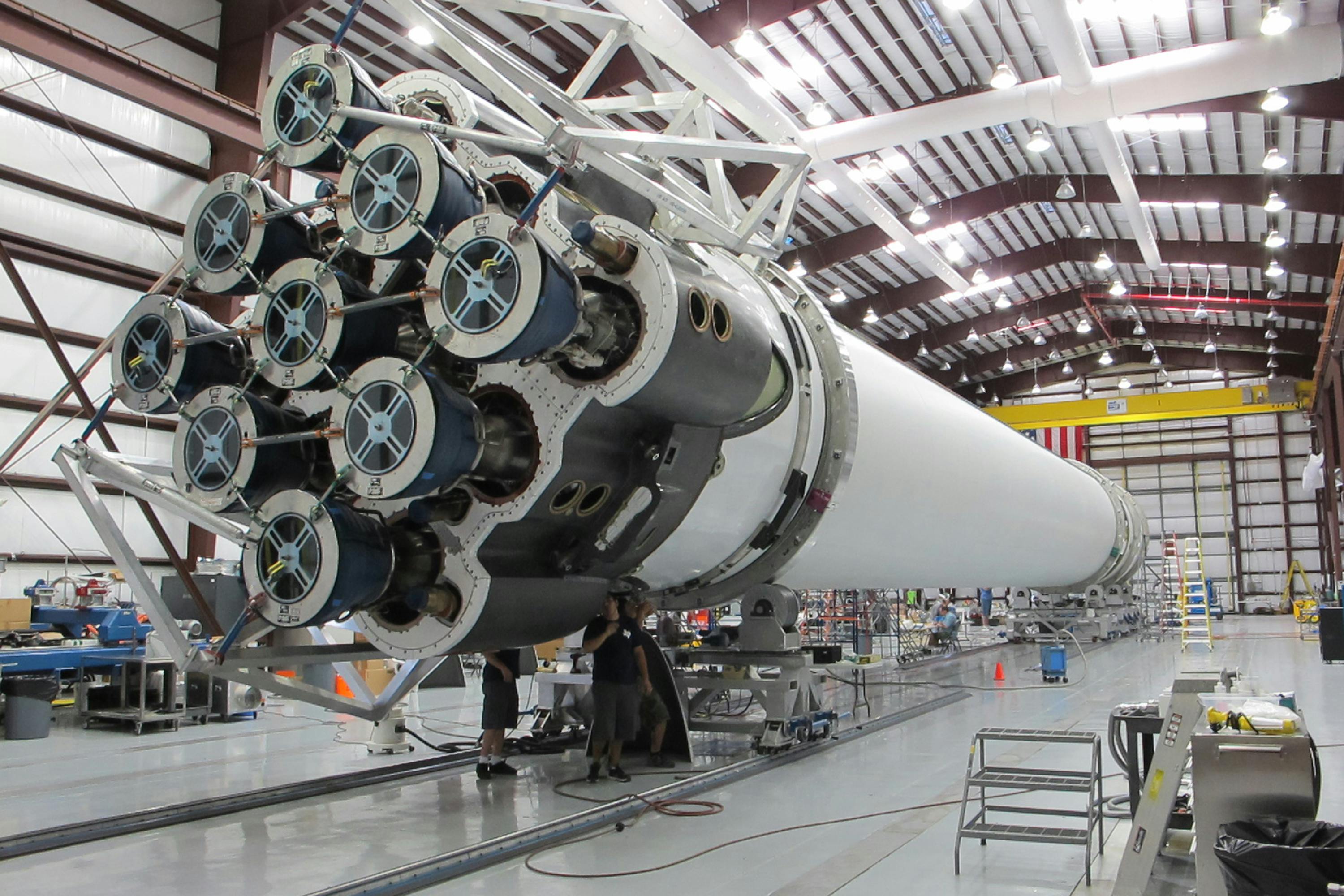
SpaceX makes strides with United States national security satellites, securing substantial spectrum for Starlink's direct-to-cell services, and preparing for future Starship developments.
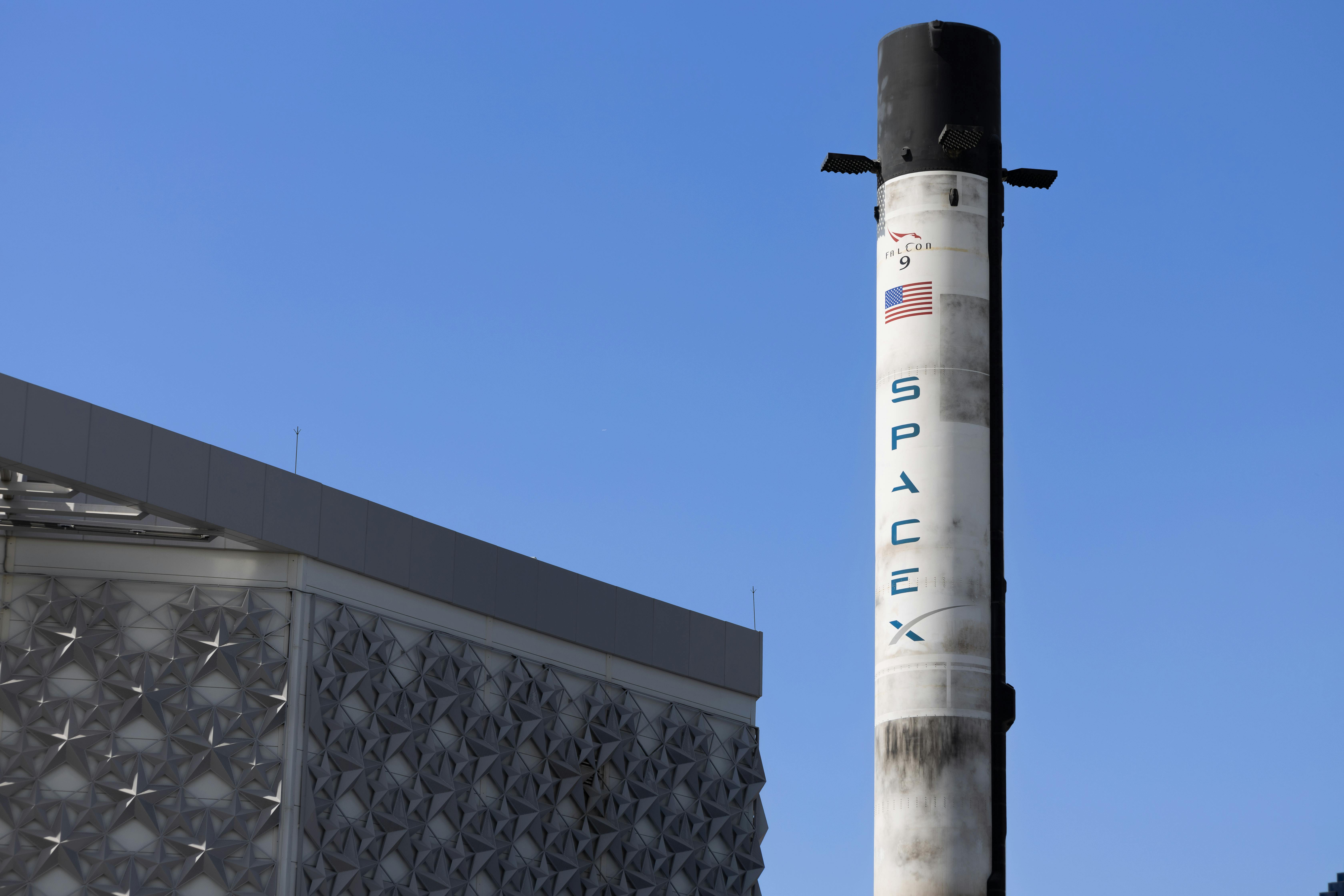
SpaceX targets its 600th Falcon 9 booster landing on Starlink 17-22, lofting 25 satellites from Vandenberg. Plus a 2028 SpaceX ride for ESA's Mars rover.

SpaceX's Starlink constellation has grown at an astonishing rate, now accounting for over 20% of all trackable objects in orbit. With plans for tens of thousands more, Starlink is on the cusp of forever changing the landscape of Earth's near-space environment.
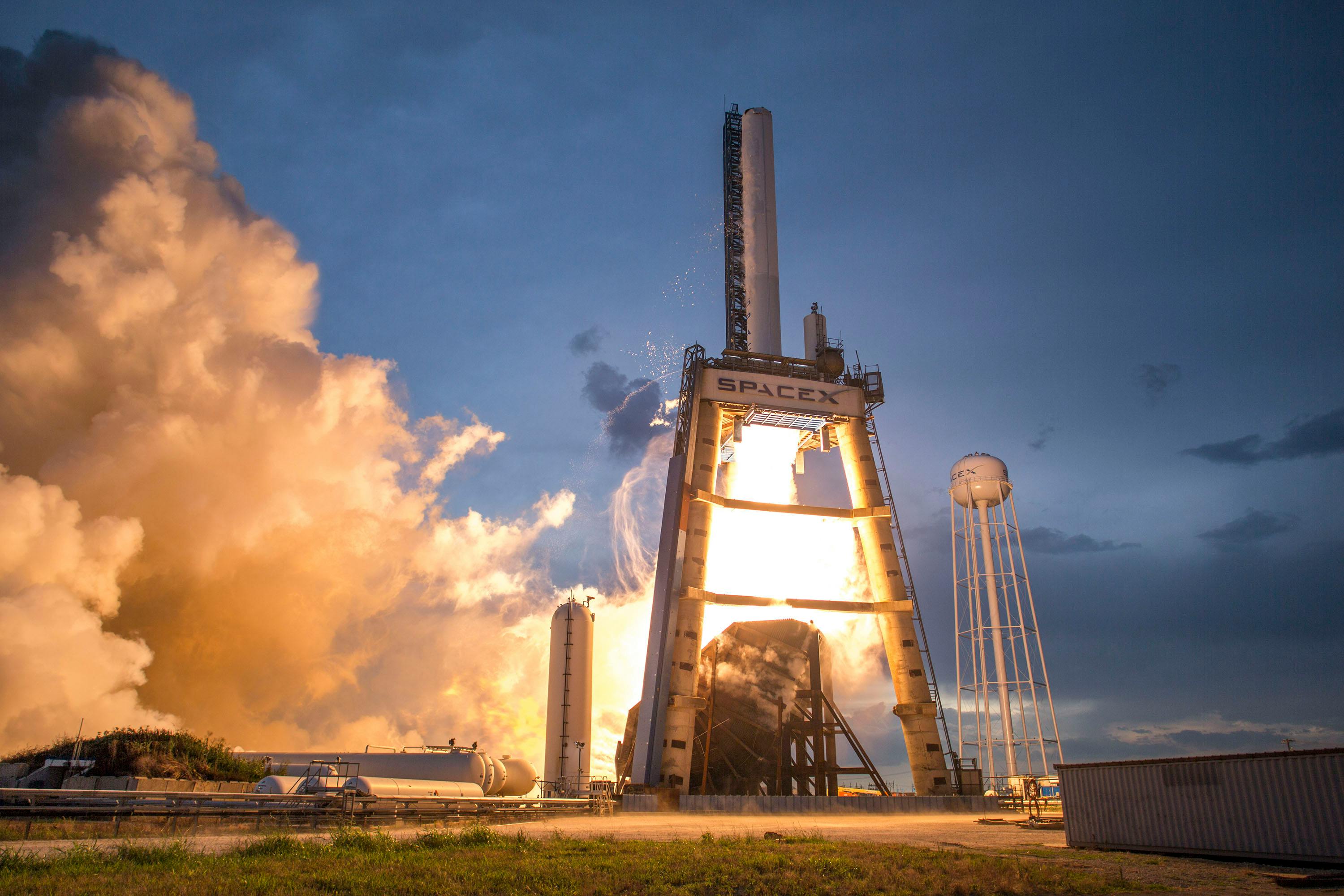
Today's brief covers various military applications of climate-monitoring satellites, new defense strategies against unmanned threats, and the potential impacts of geopolitical tensions on orbit.