


Space Force Eyes 1,000 Launches by 2031, New Site Required | KeepTrack Space Brief
Space Force projects ~1,000 launches between FY2027–FY2031, averaging 200 annually. DAF study concludes new launch site is "probably" required to absorb cadence.



Launch Date
June 16, 1993
Launch Site
PLMSC
Launch Pad
LC132/1
Launch Vehicle
Kosmos 11K65M
NORAD ID
36446
International Designator
1993-036BAV
Decay Date
12/31/2014
Name
COSMOS 2251 DEB
Alternative Name
deb Kosmos-2251
Type
Status
Owner
KVR
Country
Russia
Constellation
N/A
Related Satellites
Major Events
N/A
Length
0
Diameter
0
Span
0
Dry Mass
0
Launch Mass
0
Shape
N/A
Radar Cross Section
0.0003
Visual Magnitude
Unknown
Color
Unknown
Material Composition
Unknown
Payload
Unknown
Purpose
Unknown
Mission
Unknown
Manufacturer
Unknown
Life Expectancy
Unknown
Bus
Unknown
Configuration
Unknown
Motor
Unknown
Equipment
Unknown
Power System
Unknown
ADCS
Unknown
Transmitter Frequency
Unknown
Learn more about satellites and other related topics.
Space Force projects ~1,000 launches between FY2027–FY2031, averaging 200 annually. DAF study concludes new launch site is "probably" required to absorb cadence.

SpaceX wins a $4.16 billion Space Force satellite contract to track airborne threats worldwide, while dual-pad launches add 53 Starlink satellites.

Today's highlights include China's launch of a mystery spysat, Maxar's terrain data for U.S. Army systems, and multiple U.S. defense firms enhancing satellite capabilities.
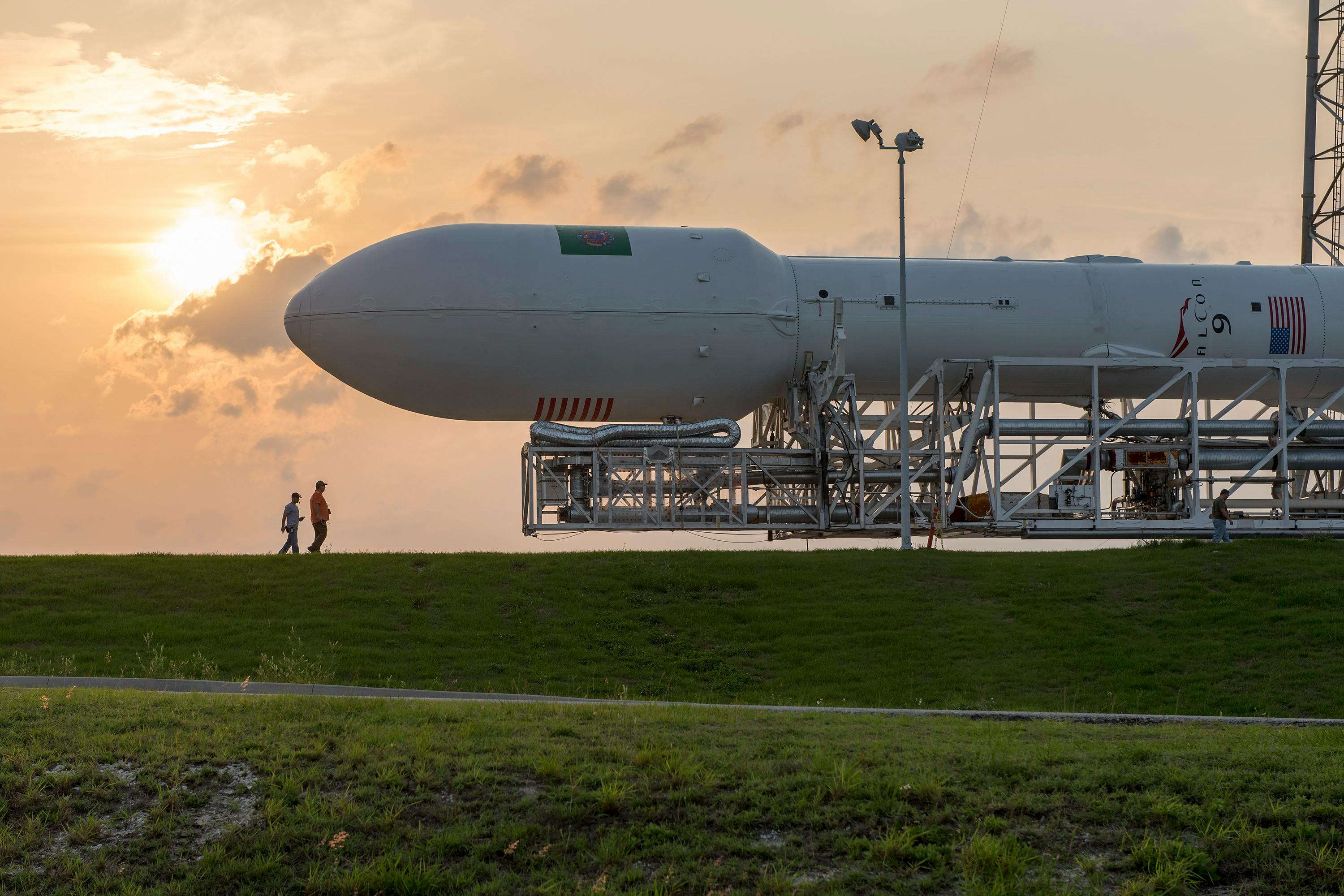
SpaceX prepares for another Starlink launch while facing potential C-band spectrum challenges.

Today's brief covers SpaceX's NROL-153 launch, US Space Force activities in Greenland, Starlink's record-breaking flight, and a OneWeb satellite glitch. Plus, our Satellite Spotlight shines on Duchifat-1.

SpaceX sets a new reuse record with Falcon 9's 27th flight, continuing its Starlink deployment while facing challenges with Starship development.

SpaceX's ongoing challenges with the Starship Flight 10 launch are prominent today, as weather and technical issues continue to push back the schedule. Meanwhile, successful cargo missions to the ISS highlight the company's ongoing commitment to space operations.
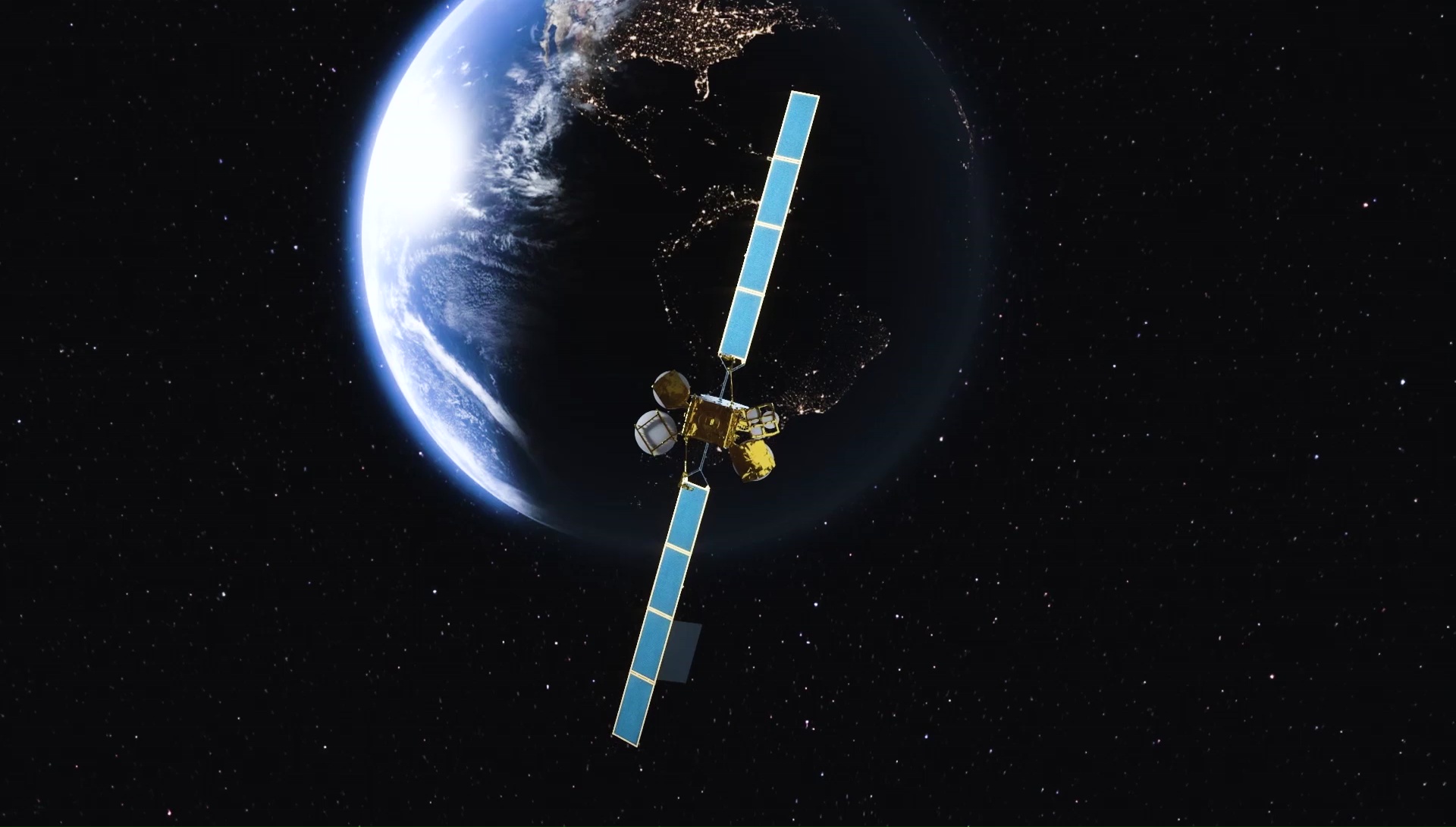
Europe's first high-power all-electric telecom satellite doesn't just sit above the Pacific - it got there on robotic arms and plasma thrusters, broke records doing it, and now keeps your airplane Wi-Fi running between LA and Tokyo.