COSMOS 2459 [GLONASS-M] (36400)

COSPAR: 2010-007A | Alt Name: Kosmos-2459

Image
COSMOS 2459 [GLONASS-M] Satellite Image
Additional Sources
Launch Details

Launch Date

March 1, 2010

Launch Pad

LC81/24

Launch Vehicle

Proton-M/DM-2

Orbital Elements

NORAD ID

36400

International Designator

2010-007A

Epoch

Fri, 03 Jul 2026 21:17:27 GMT

Apogee

Calculating...

Perigee

Calculating...

Inclination

65.43°

Right Ascension

314.02°

Eccentricity

Calculating...

Argument of Perigee

347.23°

Period

675.69 min

Mean Motion

2.13 rev/day

Latitude

Calculating...

Longitude

Calculating...

Altitude

Calculating...

Velocity

Calculating...

Polar Plot
3D Visualization
Basic Satellite Info

Name

COSMOS 2459 [GLONASS-M]

Alternative Name

Kosmos-2459

Type

Payload

Status

Non-operational

Owner

KVR/IACG

Country

Russia

Constellation

N/A

Related Satellites

Major Events

N/A

Latest TLEs
1 36400U 10007A   26184.88712272 -.00000044  00000-0  00000-0 0  9998
2 36400  65.4306 314.0166 0025509 347.2330   9.5749  2.13117012127173

Source: Celestrak

Summary
The COSMOS 2459 [GLONASS-M] satellite, also known as Kosmos-2459, was launched on March 1, 2010, from the Tyuratam Space Center (TYMSC) at Launch Pad LC81/24 using a Proton-M/DM-2 launch vehicle. The satellite is part of Russia's GLONASS navigation system and features a 3-Axis stabilized Uragan-M bus with dimensions including a length of 4 meters, diameter of 1.5 meters, and span of 7.8 meters when solar arrays are deployed. It has a dry mass of 1200 kg and a launch mass of 1450 kg. The satellite is equipped with two deployable solar arrays and batteries for power generation. Its primary purpose is navigation, and it was manufactured by RESH (Russian Space Systems). The mission's expected lifetime is seven years, and the satellite's shape consists of a cylindrical body plus antennas and two panels.
Physical Characteristics

Length

4

Diameter

1.5

Span

7.8

Dry Mass

1200

Launch Mass

1450

Shape

Cyl + Ant + 2 Pan

Radar Cross Section

4.3792

Visual Magnitude

Unknown

Color

Unknown

Material Composition

Unknown

Technical Details

Payload

Uragan-M No. 31L

Purpose

Navigation

Mission

Navigation

Manufacturer

RESH

Life Expectancy

7 years

Bus

Uragan

Configuration

3-Axis stabilized Uragan-M bus

Motor

?

Equipment

?

Power System

2 deployable solar arrays, batteries

ADCS

Unknown

Transmitter Frequency

Unknown

Map
This tool will help you track the satellite's position and predict its upcoming passes over your location. Simply input the coordinates or click the geolocation button to get started.
Next Pass
Azimuth Elevation Time (Local)
Start Azimuth
Max Elevation
Stop Azimuth
Time Until
Pass Duration

Satellite Articles

View All Posts »

Learn more about satellites and other related topics.

Space Brief 12 Mar 2025

Space Brief 12 Mar 2025

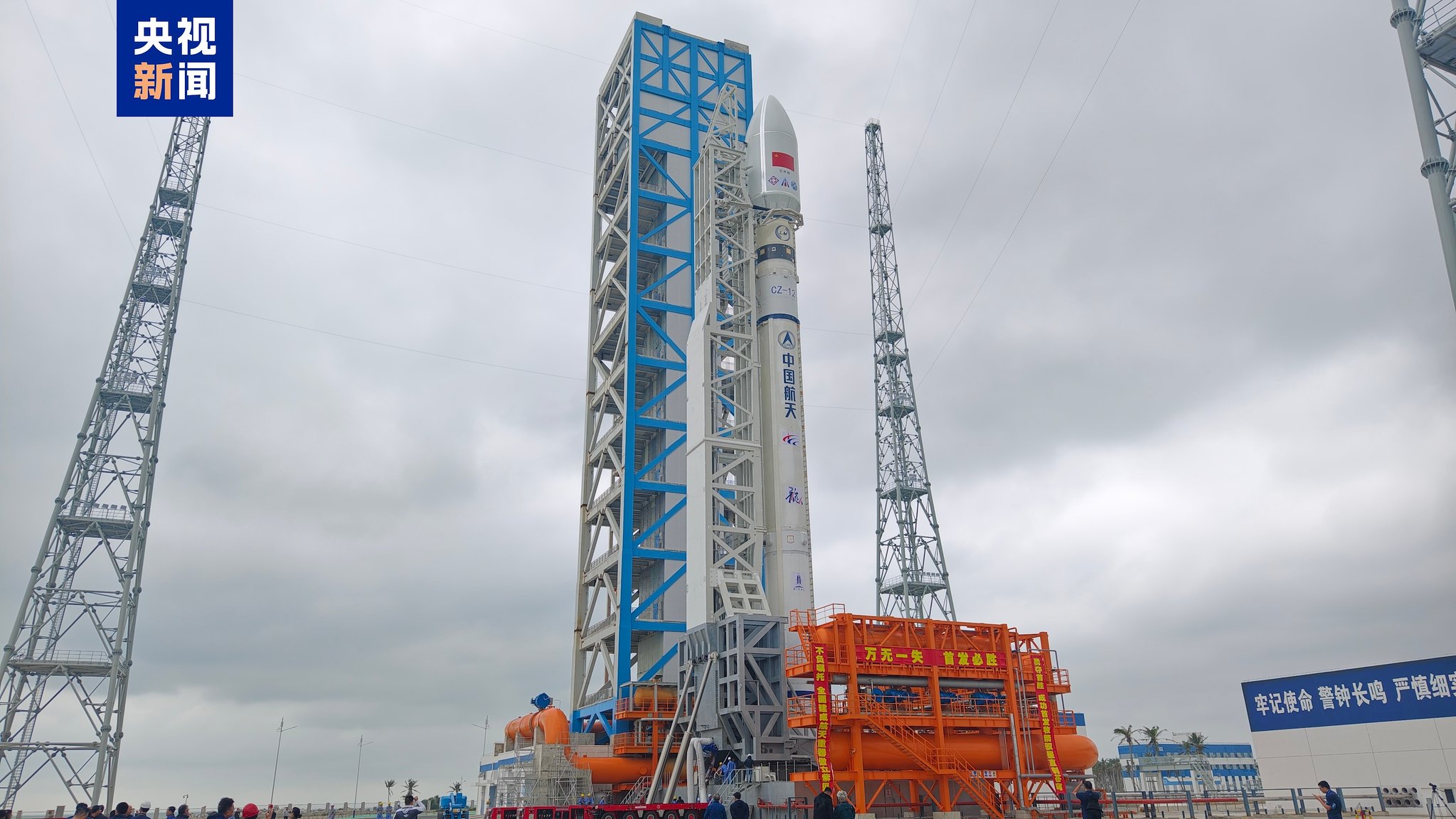
Today's space news highlights include the proposed budget expansion for the U.S. Space Force, a new CubeSat milestone for ESA's asteroid mission, and challenges with SpaceX's Starlink launch. Also, we celebrate the one-year anniversary of the Aries SN1 satellite in orbit.
Space Brief 4 Dec 2025

Space Brief 4 Dec 2025

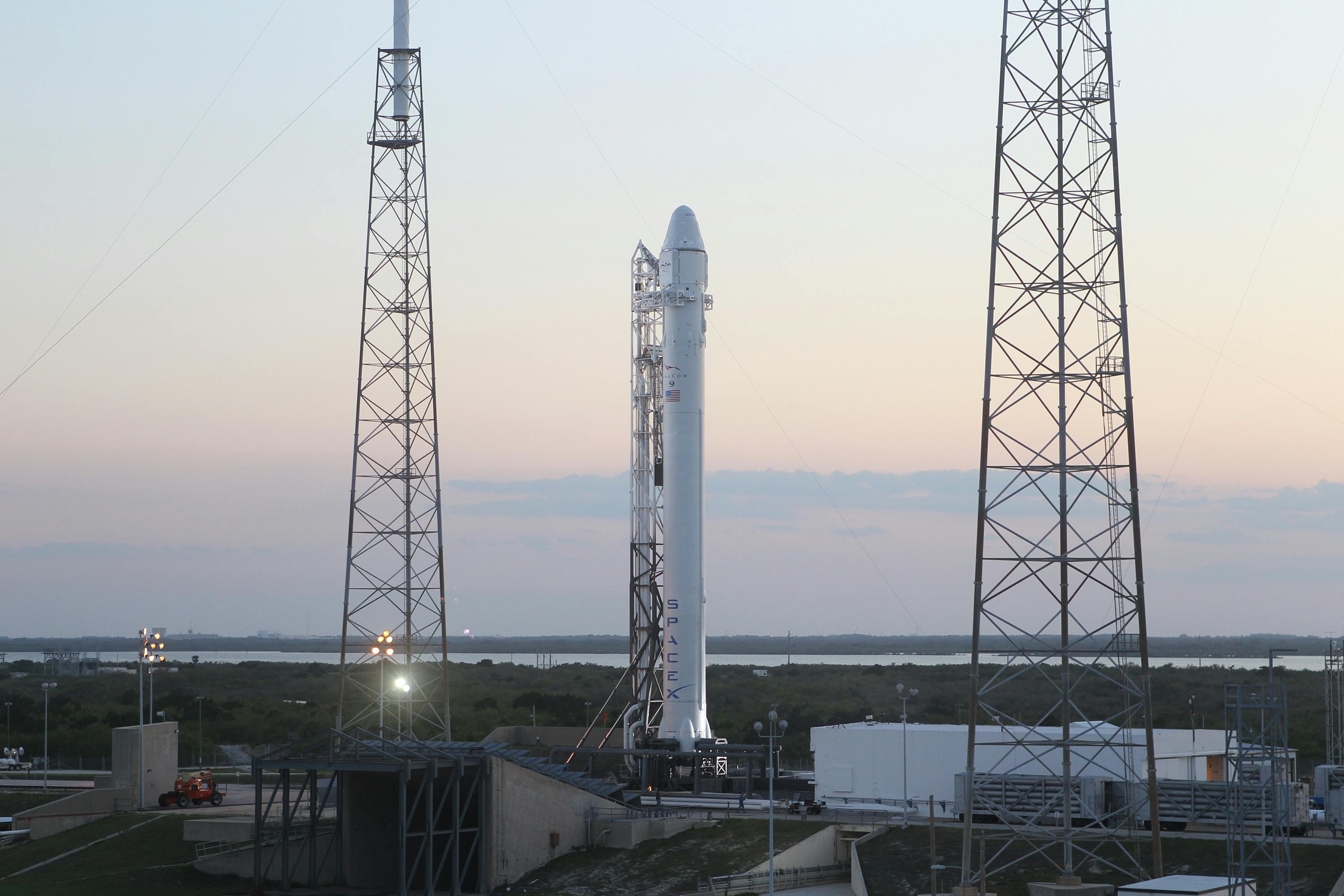
Today's brief covers SpaceX's Starship launch approval, Antares' nuclear funding, and shifts in global space defense strategies.

X Report 14 Jul 2025

X Report 14 Jul 2025

SpaceX successfully launched the Dror 1 satellite for Israel Aerospace Industries, marking another step forward in their launch capabilities.

X Report 27 Dec 2024

X Report 27 Dec 2024

SpaceX rounds off a record-setting year with over 130 launches, achieving new milestones in Starship development and Starlink expansion.

X Report 30 Mar 2025

X Report 30 Mar 2025

SpaceX gears up for major Starlink launch, while Starship developments continue to shape commercial spacefrontiers.

Falcon Heavy Returns After 18-Month Hiatus | KeepTrack X Report

Falcon Heavy Returns After 18-Month Hiatus | KeepTrack X Report

SpaceX's Falcon Heavy flew for the first time in 18 months on April 29, while Starlink hit 51 Falcon 9 launches in 2026 with 10,280 satellites working.

Starship Flight 13 Set for July 16, Will Deploy Live Starlinks | KeepTrack X Report

Starship Flight 13 Set for July 16, Will Deploy Live Starlinks | KeepTrack X Report

SpaceX targets July 16 for Starship Flight 13, testing V3 fixes and deploying functioning Starlink satellites for the first time.

Rocket Lab Neutron Targets Q4 2026 Debut, Space Brief 9 May 2026

Rocket Lab Neutron Targets Q4 2026 Debut, Space Brief 9 May 2026

Rocket Lab Neutron's first launch is targeted for Q4 2026 after a tank test failure, backed by a new 5-launch deal. Plus Globalstar's 1,410 km refresh.