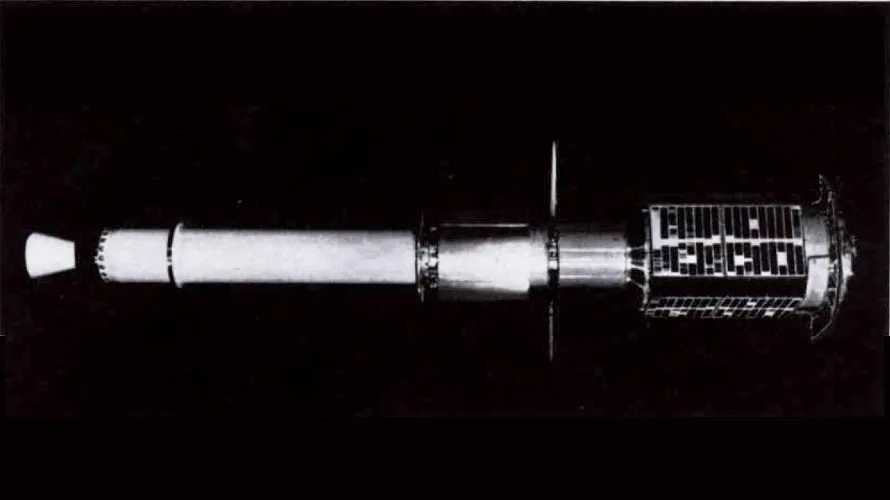
H-2A DEB (36312)

COSPAR: 2009-002Q | Alt Name: deb H-2A
DECAYED

Image
H-2A DEB Satellite Image
Additional Sources
Launch Details

Launch Date

January 23, 2009

Launch Site

TANSC

Launch Pad

Y

Launch Vehicle

H-IIA 202

Orbital Elements

NORAD ID

36312

International Designator

2009-002Q

Decay Date

3/18/2010

Basic Satellite Info

Name

H-2A DEB

Alternative Name

deb H-2A

Type

Debris

Status

Space Junk

Owner

JAXA

Country

Japan

Constellation

N/A

Related Satellites

Major Events

N/A

Summary
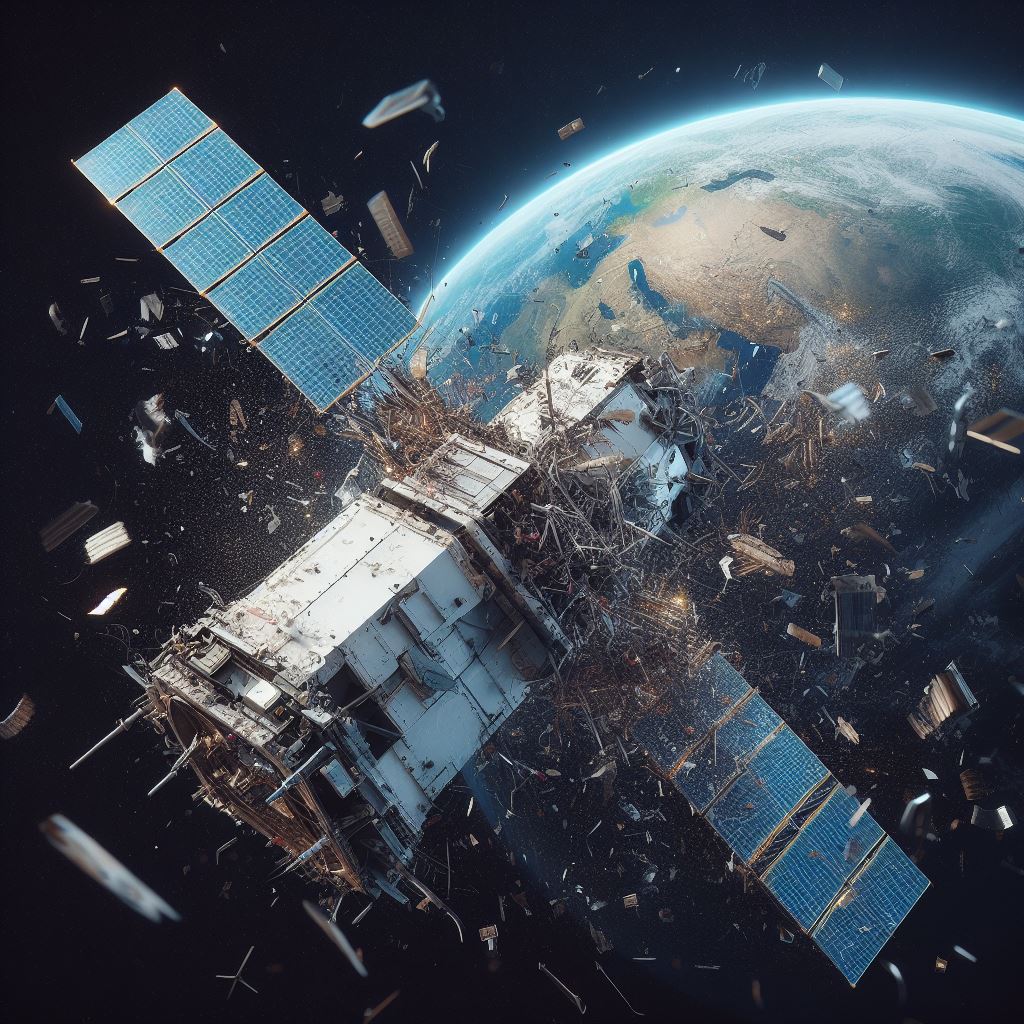
Space debris, also known as space junk, encompasses all non-functional objects orbiting Earth such as defunct satellites, spent rocket stages, and fragments from collisions or disintegrations. Over time, this debris can accumulate and create an increasingly hazardous environment in orbit. Even tiny fragments, traveling at extremely high velocities, can inflict significant damage on operational satellites and spacecraft. If left unmanaged, the density of debris raises the risk of catastrophic collisions and further fragmentation, compounding the problem and threatening the safety and sustainability of space activities.
Physical Characteristics

Length

0

Diameter

0

Span

0

Dry Mass

0

Launch Mass

0

Shape

N/A

Radar Cross Section

0.0055

Visual Magnitude

Unknown

Color

Unknown

Material Composition

Unknown

Technical Details

Payload

Unknown

Purpose

Unknown

Mission

Unknown

Manufacturer

Unknown

Life Expectancy

Unknown

Bus

Unknown

Configuration

Unknown

Motor

Unknown

Equipment

Unknown

Power System

Unknown

ADCS

Unknown

Transmitter Frequency

Unknown

Satellite Articles

View All Posts »

Learn more about satellites and other related topics.

The Satellite That Found 22 Photons and Changed Astronomy

The Satellite That Found 22 Photons and Changed Astronomy

On April 27, 1961, a Scout rocket lifted a 37-kilogram NASA satellite into orbit from Wallops Island carrying the first serious instrument for detecting cosmic gamma rays. Explorer 11 operated for seven months before its tape recorder failed. In that time it registered 22 gamma-ray photons - a pitiful number by modern standards, but enough to launch an entire branch of astronomy.
Space Force Acquisition Workforce Shortfall Threatens Modernization | KeepTrack Space Brief

Space Force Acquisition Workforce Shortfall Threatens Modernization | KeepTrack Space Brief

Space Force modernization stalls over workforce gaps. Deutsche Telekom targets 2028 for Starlink Mobile V2 across 10 EU nations. Iran ops strain US munition stocks.

SpaceX Wins $4.16B Space Force Contract, X Report 3 Jun 2026

SpaceX Wins $4.16B Space Force Contract, X Report 3 Jun 2026

SpaceX wins a $4.16 billion Space Force satellite contract to track airborne threats worldwide, while dual-pad launches add 53 Starlink satellites.

Space Brief 3 Mar 2025

Space Brief 3 Mar 2025

Historic moon landing by Firefly Aerospace, Spanish Air and Space Force advances with new simulator, and spotlight on OneWeb's communication satellite.

Space Brief 24 Nov 2025

Space Brief 24 Nov 2025

Today's highlights include a record number of launches from Florida's Space Coast, Germany's new military space strategy, SpaceX's Starlink deployment, and more.

Starship Launch Site Construction Advances at Kennedy Space Center | KeepTrack X Report

Starship Launch Site Construction Advances at Kennedy Space Center | KeepTrack X Report

Starship launch site construction progresses at Kennedy Space Center and Cape Canaveral. Elon Musk trolls Ryanair after budget airline refuses to install Starlink on its fleet.

X Report 7 Nov 2025

X Report 7 Nov 2025

SpaceX successfully launched 28 Starlink satellites while EchoStar enhances its stake in the company through a $2.6 billion spectrum deal, amid growing demands for space domain awareness.

The Day Two Satellites Said Hello at 26,000 Miles Per Hour

The Day Two Satellites Said Hello at 26,000 Miles Per Hour

Seventeen years ago today, an operational American communications satellite and a dead Russian military relay crossed paths over Siberia. What happened next created more than 2,000 pieces of trackable debris - and fundamentally changed how the world thinks about space traffic.