

X Report 8 Sep 2025
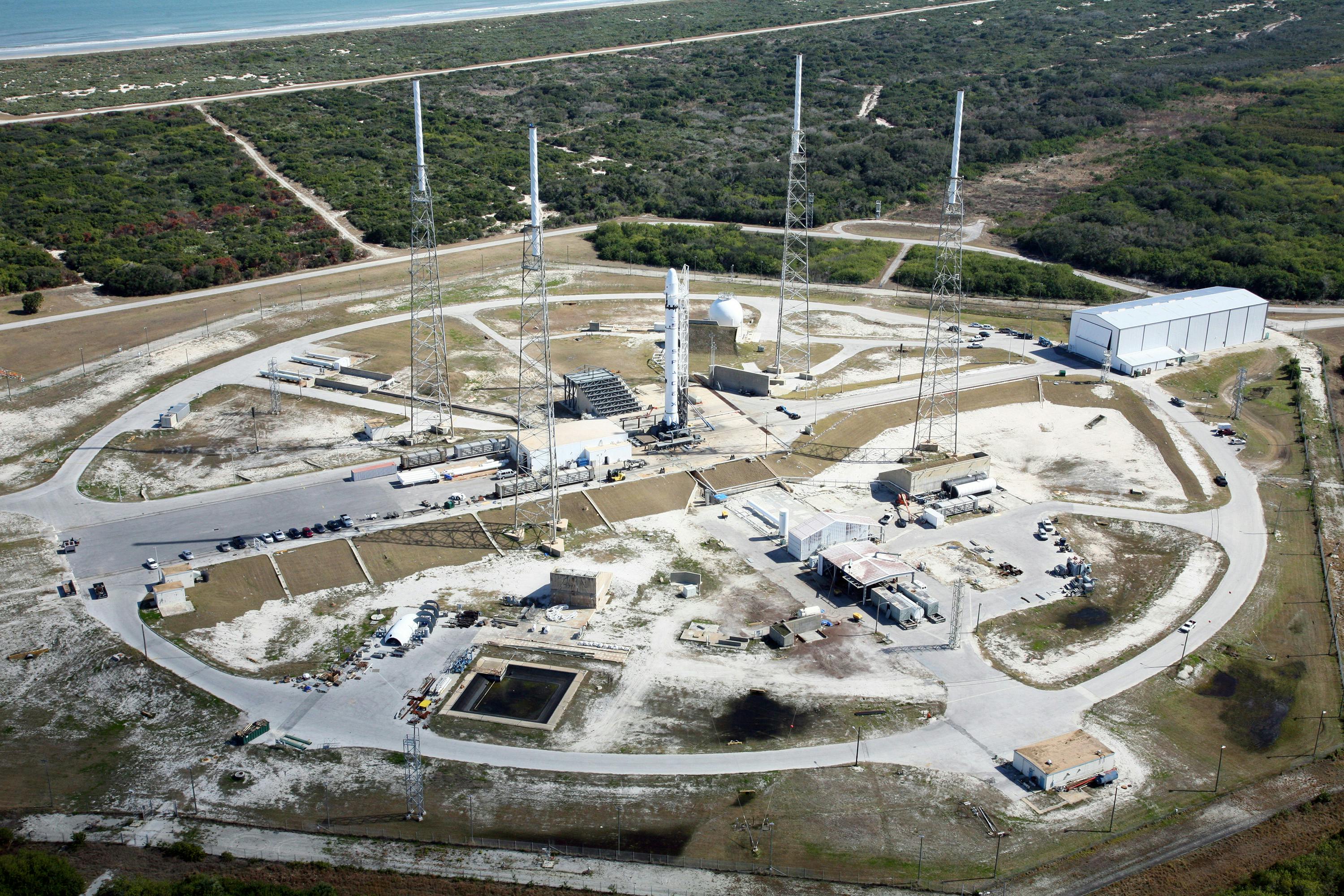
The FAA has approved an increase in Falcon 9 launches while reviewing the environmental impacts of Starship launches in Florida, amidst growing community concerns on noise and other issues related to the Starship program.


Launch Date
November 28, 2009
Launch Site
TANSC
Launch Pad
Y
Launch Vehicle
H-IIA 202
NORAD ID
36105
International Designator
2009-066B
Decay Date
11/28/2024
Name
H-2A R/B
Alternative Name
H-2A F16 Stage 2
Type
Status
Owner
MHI
Country
Japan
Constellation
N/A
Related Satellites
Major Events
N/A
Length
9.2
Diameter
4
Span
9.2
Dry Mass
4000
Launch Mass
4000
Shape
Cyl
Radar Cross Section
Unknown
Visual Magnitude
Unknown
Color
Unknown
Material Composition
Unknown
Payload
H-2A Stage 2
Purpose
Unknown
Mission
Unknown
Manufacturer
MHITO
Life Expectancy
Unknown
Bus
H-2A Stage 2
Configuration
Unknown
Motor
Unknown
Equipment
Unknown
Power System
Unknown
ADCS
Unknown
Transmitter Frequency
Unknown
Learn more about satellites and other related topics.
The FAA has approved an increase in Falcon 9 launches while reviewing the environmental impacts of Starship launches in Florida, amidst growing community concerns on noise and other issues related to the Starship program.

SpaceX stock surged 19% on its Nasdaq debut as Musk targets $1 trillion revenue by 2030. Starlink 17-54 marks the 1,500th satellite launched in 2026.
Rocket Lab to acquire Iridium's 66-satellite LEO constellation for end-to-end vertical integration. Deal includes spacecraft manufacturing, launch, and on-orbit operations control.
SpaceX wins a $2.29 billion US Space Force contract for a military space data network, NASA adds 6 crew missions, and Starship V3 makes its first flight.
Anticipated NISAR launch now scheduled for March 2025; Rivada persists in broadband constellation quest despite setbacks; SpaceX scrubbed RRT-1 launch holds mystery.
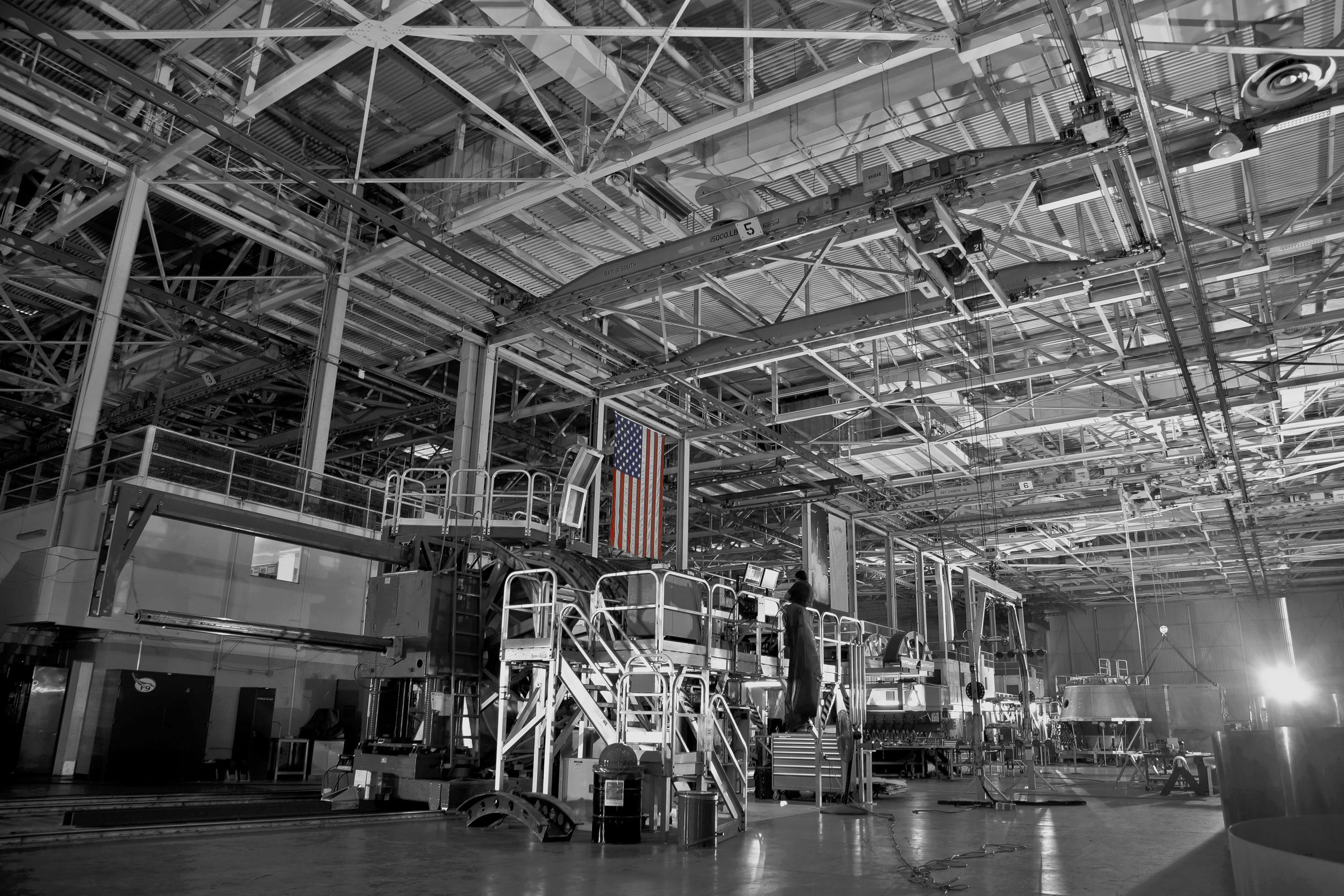
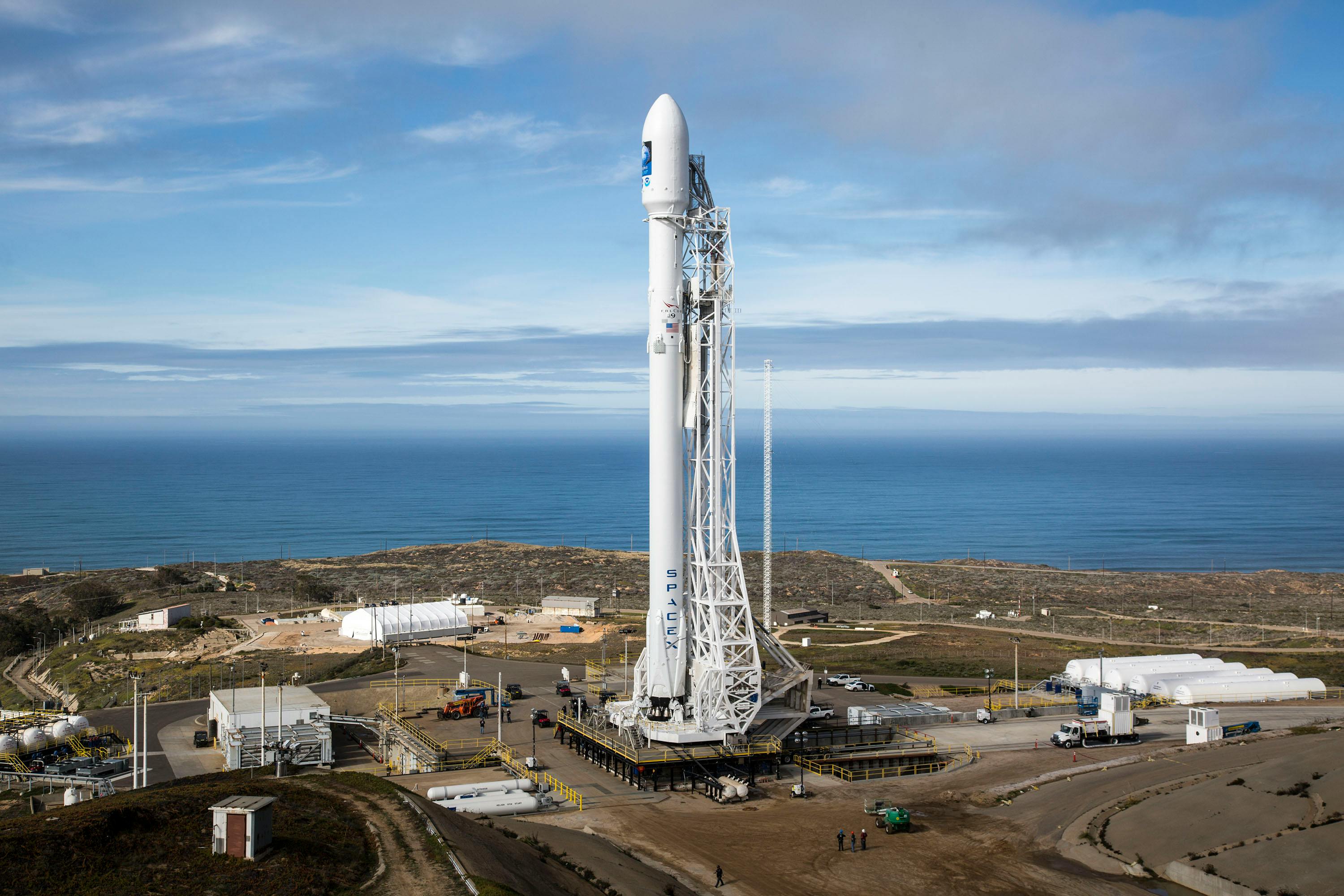
SpaceX targets three launches this week including a rideshare mission with India's ISRO into Sun-Synchronous Orbit. Starlink network continues expanding with ongoing satellite deployments.
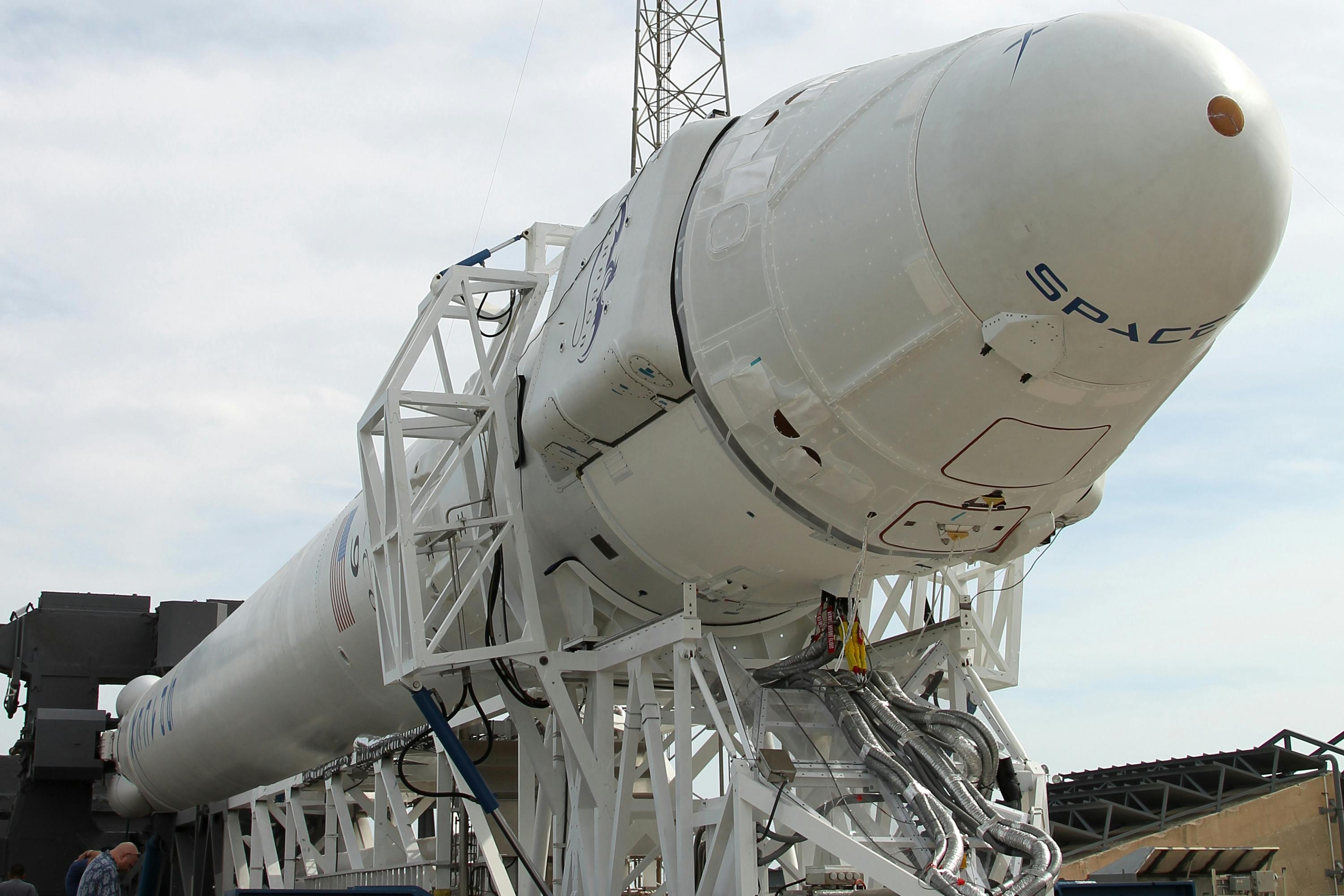
SpaceX progresses on Starship testing while Rocket Lab delays its Neutron rocket debut, potentially impacting the competitive landscape in space launches.

Three Chinese rocket bodies have exploded over four years, creating debris clouds that will linger for decades to centuries, according to LeoLabs analysis. Fragmentation events threaten commercial and military operators.