


X Report 3 Feb 2025
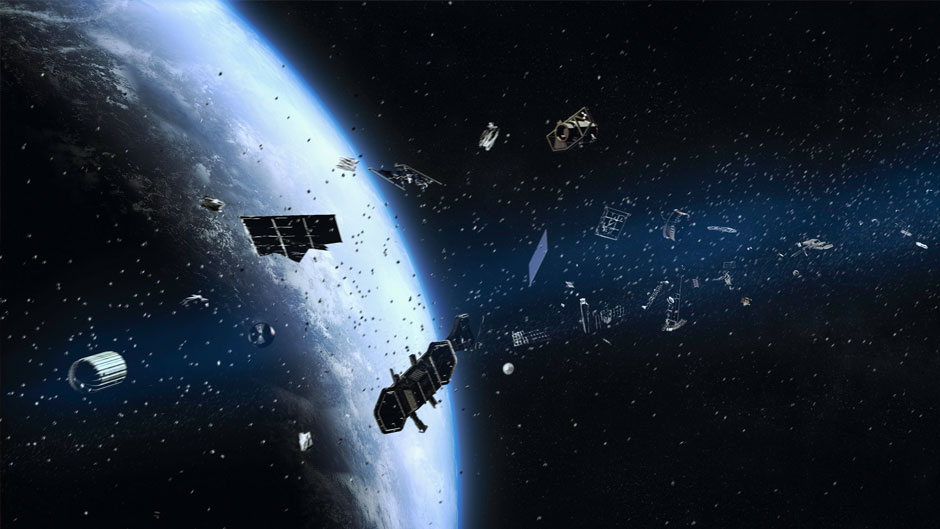
SpaceX prepares for another Starlink launch from Florida, while recent Starship incident raises environmental concerns.


Launch Date
June 16, 1993
Launch Site
PLMSC
Launch Pad
LC132/1
Launch Vehicle
Kosmos 11K65M
NORAD ID
35979
International Designator
1993-036AVV
Epoch
Wed, 01 Jul 2026 10:34:24 GMT
Apogee
Calculating...
Perigee
Calculating...
Inclination
74.01°
Right Ascension
204.97°
Eccentricity
Calculating...
Argument of Perigee
288.23°
Period
97.51 min
Mean Motion
14.77 rev/day
Latitude
Calculating...
Longitude
Calculating...
Altitude
Calculating...
Velocity
Calculating...
Name
COSMOS 2251 DEB
Alternative Name
deb Kosmos-2251
Type
Status
Owner
KVR
Country
Russia
Constellation
N/A
Related Satellites
Major Events
N/A
1 35979U 93036AVV 26182.44055648 .00004378 00000-0 61073-3 0 9991
2 35979 74.0077 204.9672 0060208 288.2265 138.8426 14.76769784915948
Source: Celestrak
Length
0
Diameter
0
Span
0
Dry Mass
0
Launch Mass
0
Shape
N/A
Radar Cross Section
0.0098
Visual Magnitude
Unknown
Color
Unknown
Material Composition
Unknown
Payload
Unknown
Purpose
Unknown
Mission
Unknown
Manufacturer
Unknown
Life Expectancy
Unknown
Bus
Unknown
Configuration
Unknown
Motor
Unknown
Equipment
Unknown
Power System
Unknown
ADCS
Unknown
Transmitter Frequency
Unknown
Learn more about satellites and other related topics.
SpaceX prepares for another Starlink launch from Florida, while recent Starship incident raises environmental concerns.

SpaceX carried out a double-header Starlink launch from both coasts while milestones from Max Space and Lux Aeterna signal growth in the commercial space sector.

US military praised for space operations against Iran assessed as jamming or spoofing satellite communications. Electronic warfare effects invisible to orbital tracking data.

What happens when space objects come home: the fiery physics of returning from orbit and why predicting where debris lands is so difficult
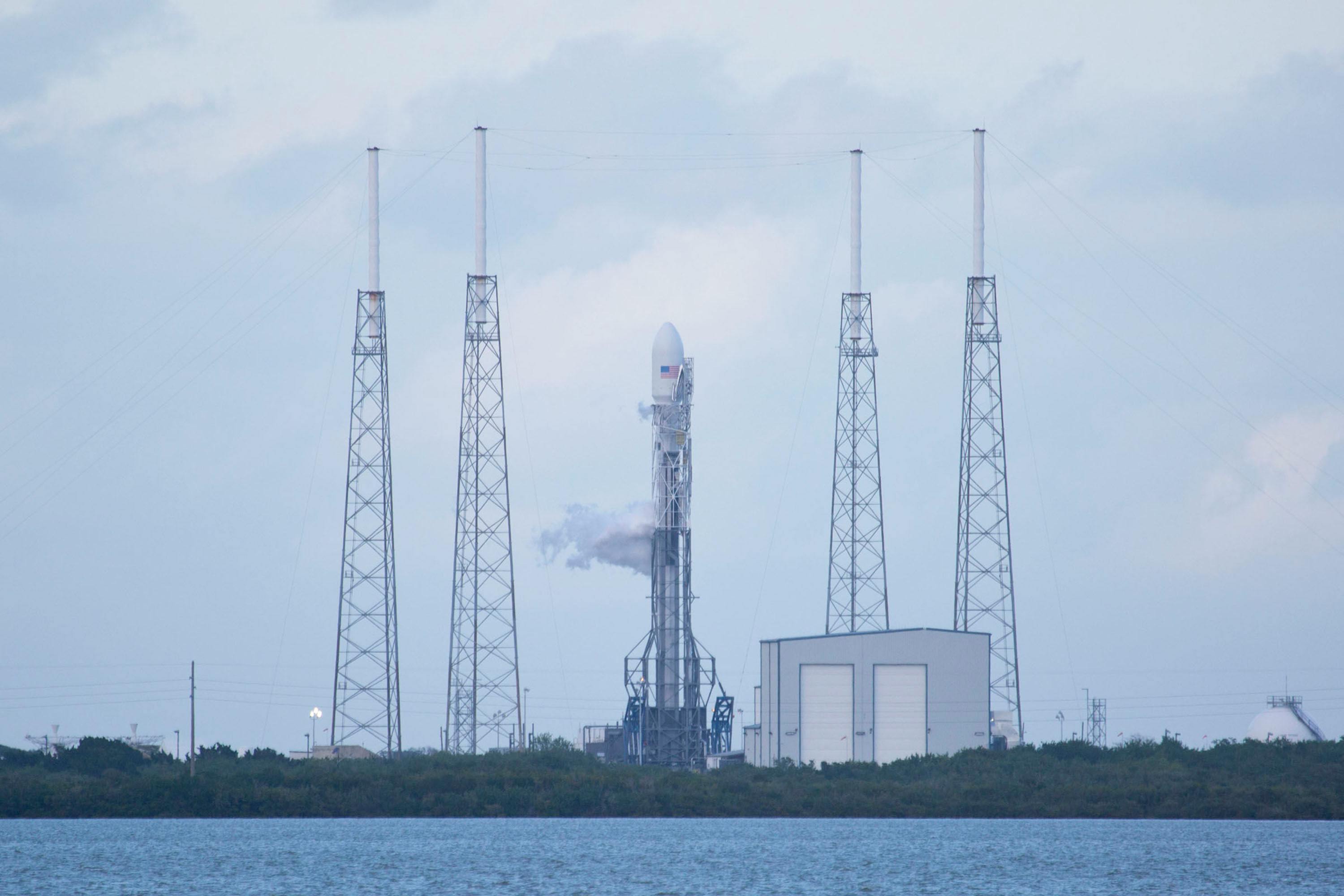
How many Starlink satellites are in orbit in 2026? 10,087 working of 10,097 on orbit, 11,612 launched to date, per KeepTrack data.
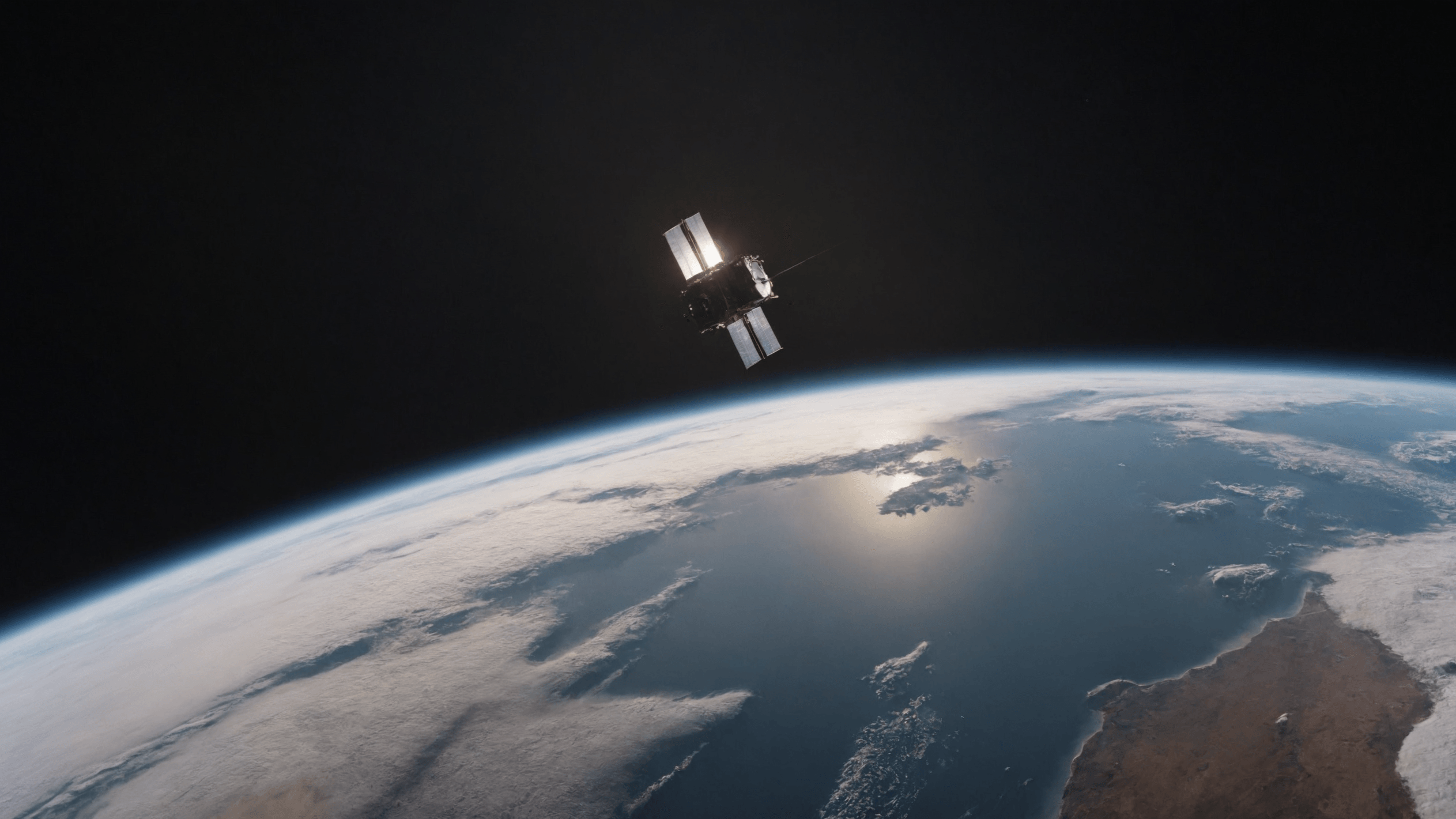
A Falcon 9 booster fails to land, increasing GPS and PNT significance for national security, and NASA's SLS mobile launch platform costs soar.
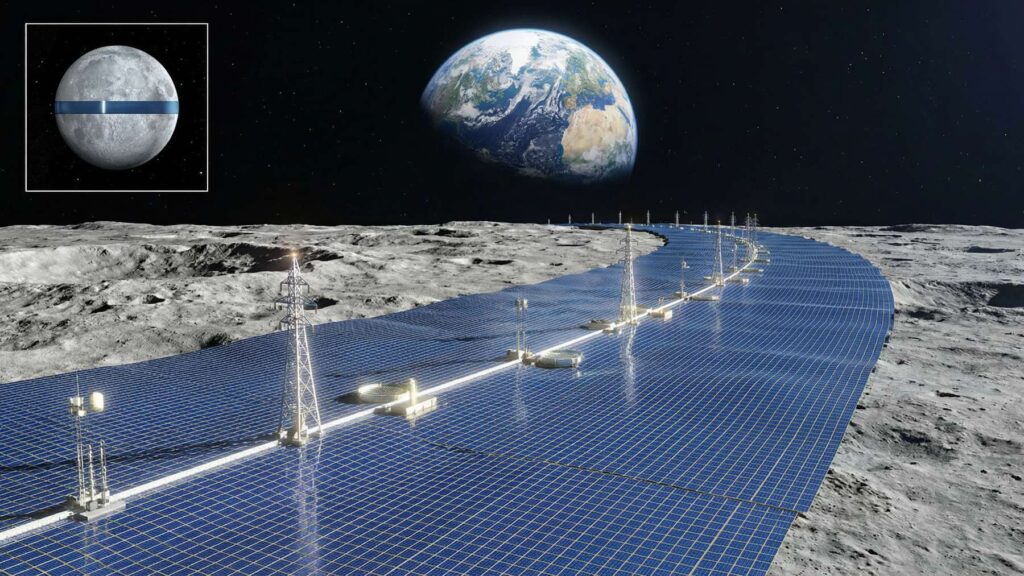
A 220-year-old Japanese construction company wants to build an 11,000-kilometer belt of solar cells around the lunar equator and beam the power back to Earth. The physics checks out. Everything else is another story.

Forty-one years ago, astronaut Bruce McCandless II became the first human to float completely free in space, pushing the boundaries of both technology and human courage