


Falcon 9 Booster B1067 Flies Record 35th Time | KeepTrack X Report
Booster B1067 set a Falcon 9 reuse record on its 35th flight, lofting 29 Starlink satellites as SpaceX eyes three more launches this week.



Launch Date
October 18, 2009
Launch Site
AFWTR
Launch Pad
SLC3E
Launch Vehicle
Atlas V 401
NORAD ID
35954
International Designator
2009-057D
Epoch
Sat, 04 Jul 2026 06:03:47 GMT
Apogee
Calculating...
Perigee
Calculating...
Inclination
98.64°
Right Ascension
175.64°
Eccentricity
Calculating...
Argument of Perigee
64.45°
Period
100.81 min
Mean Motion
14.28 rev/day
Latitude
Calculating...
Longitude
Calculating...
Altitude
Calculating...
Velocity
Calculating...
Name
DMSP 5D-3 F18 DEB
Alternative Name
DMSP F-18 solar array band
Type
Status
Owner
AFSMC
Country
United States
Constellation
N/A
Related Satellites
Major Events
N/A
1 35954U 09057D 26185.25263043 .00002131 00000-0 86866-3 0 9998
2 35954 98.6369 175.6379 0006734 64.4479 308.0649 14.28442471864769
Source: Celestrak
Length
0
Diameter
0
Span
0
Dry Mass
0
Launch Mass
0
Shape
N/A
Radar Cross Section
0.055
Visual Magnitude
Unknown
Color
Unknown
Material Composition
Unknown
Payload
Unknown
Purpose
Unknown
Mission
Unknown
Manufacturer
LMEW
Life Expectancy
Unknown
Bus
Unknown
Configuration
Unknown
Motor
Unknown
Equipment
Unknown
Power System
Unknown
ADCS
Unknown
Transmitter Frequency
Unknown
Learn more about satellites and other related topics.
Booster B1067 set a Falcon 9 reuse record on its 35th flight, lofting 29 Starlink satellites as SpaceX eyes three more launches this week.
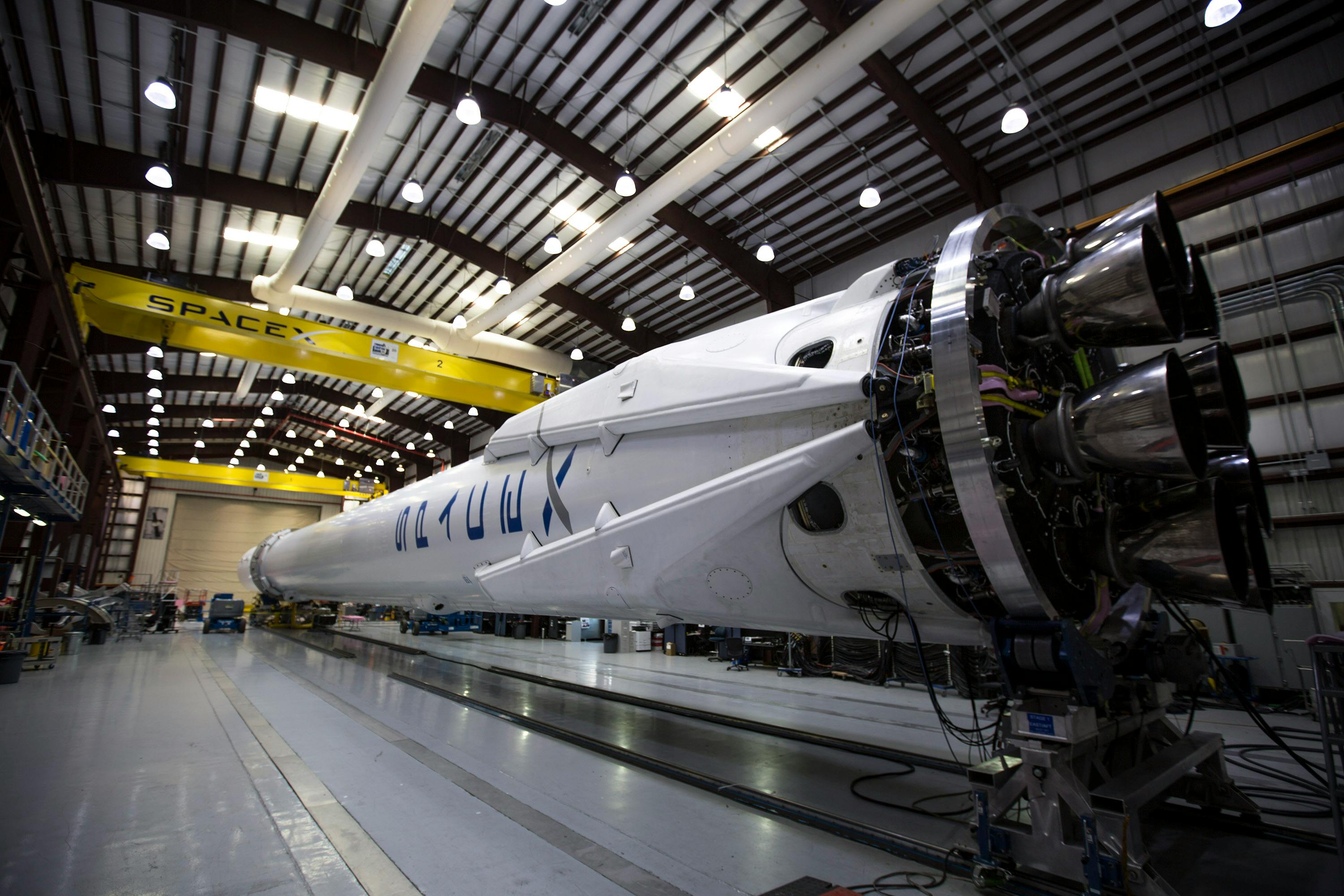
SpaceX's Falcon 9 launches Northrop Grumman's Cygnus NG-24 to the ISS carrying 11,000 lbs of critical cargo this weekend.
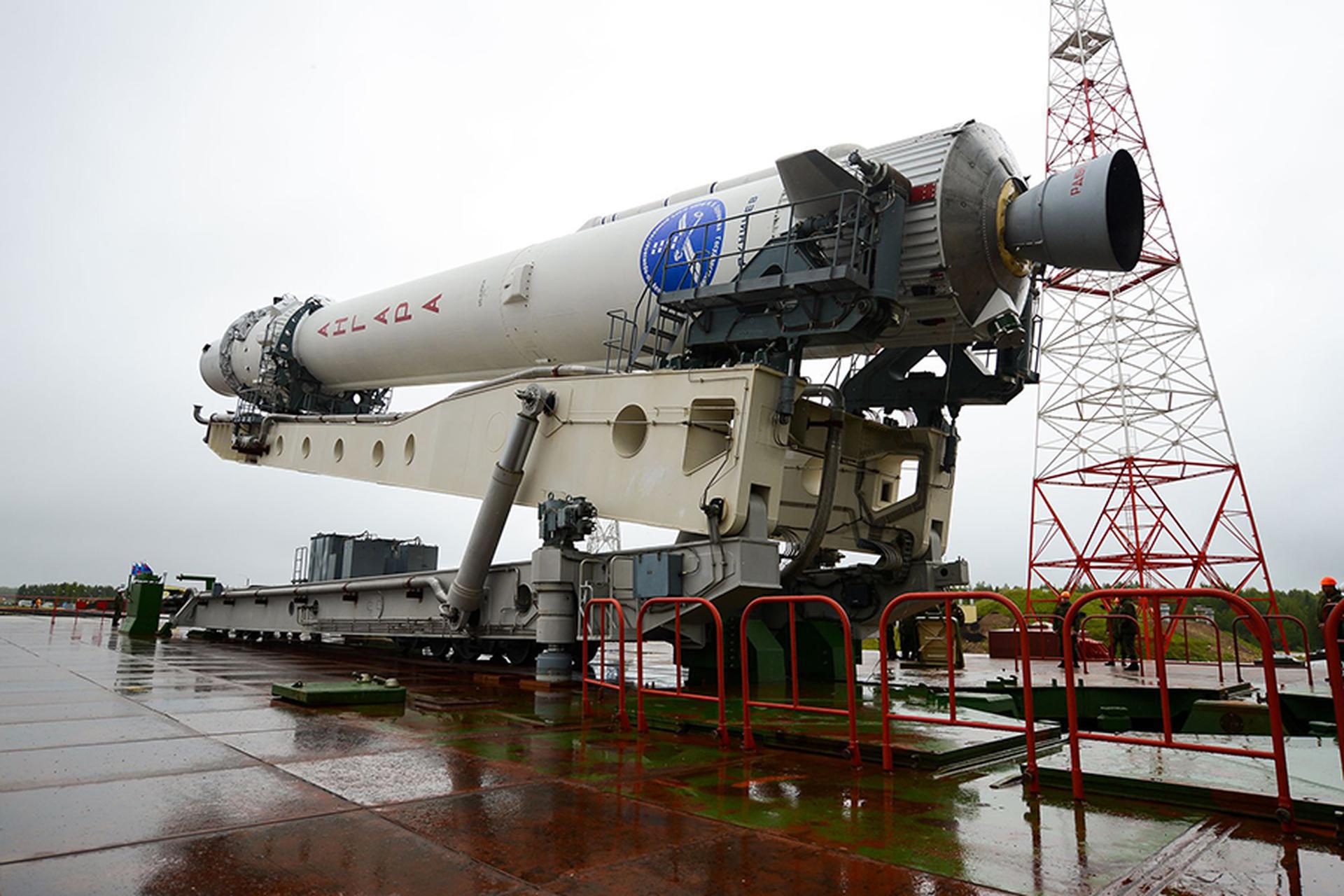
Today's highlights include SpaceX's record-breaking Falcon 9 launches, Dream Chaser's testing success, and Blue Origin's latest New Glenn achievements.

Today's space brief highlights the U.S. Space Force's new satellite naming scheme, the Air Force Secretary's warnings on China's space advances, BAE Systems' DARPA award, strategies for future space defense, the importance of GEO satellite refueling, and Blue Origin's plans for Space Force certification.
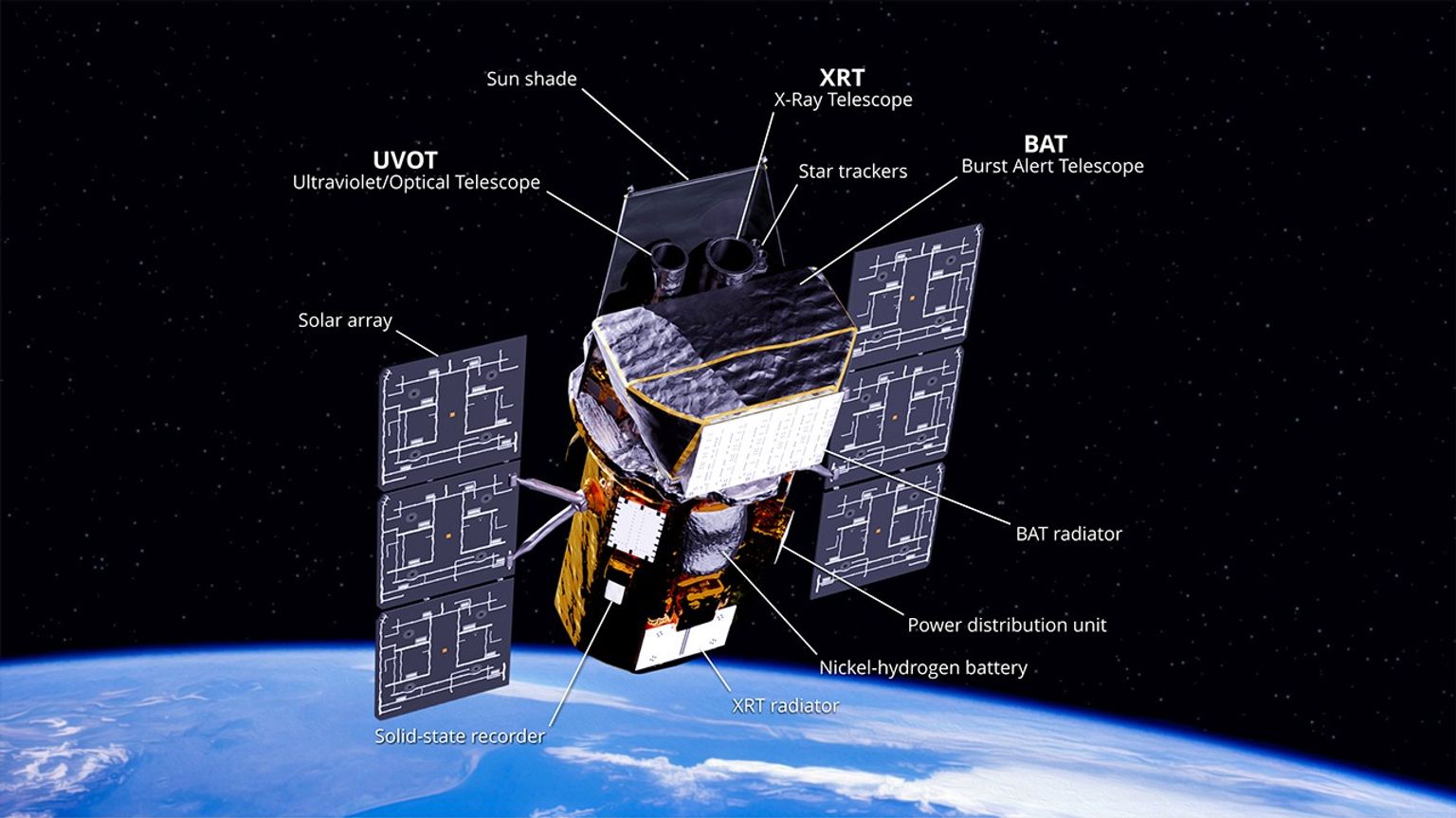
Designed for a two-year mission to catch gamma-ray bursts in the act, Swift is now 21 years old, slowly falling out of the sky, and the subject of an unprecedented private rescue mission. Nobody planned for it to be this hard to let go.

Today's brief covers advances in satellite docking technology, challenges faced by space companies with government navigation, and China's leap in space autonomy through AI developments.

The Kessler Syndrome threatens humanity's future in space as cascading satellite collisions create exponential debris growth. With 36,000+ tracked objects and recent incidents accelerating risks, we face a critical juncture: implement solutions now or potentially lose access to low Earth orbit forever.
Space Force urgently rebuilds contracting workforce after civilian reductions. Pentagon defense strategy shifts focus to homeland defense. Tom Ainsworth named top Air Force space acquisition officer.