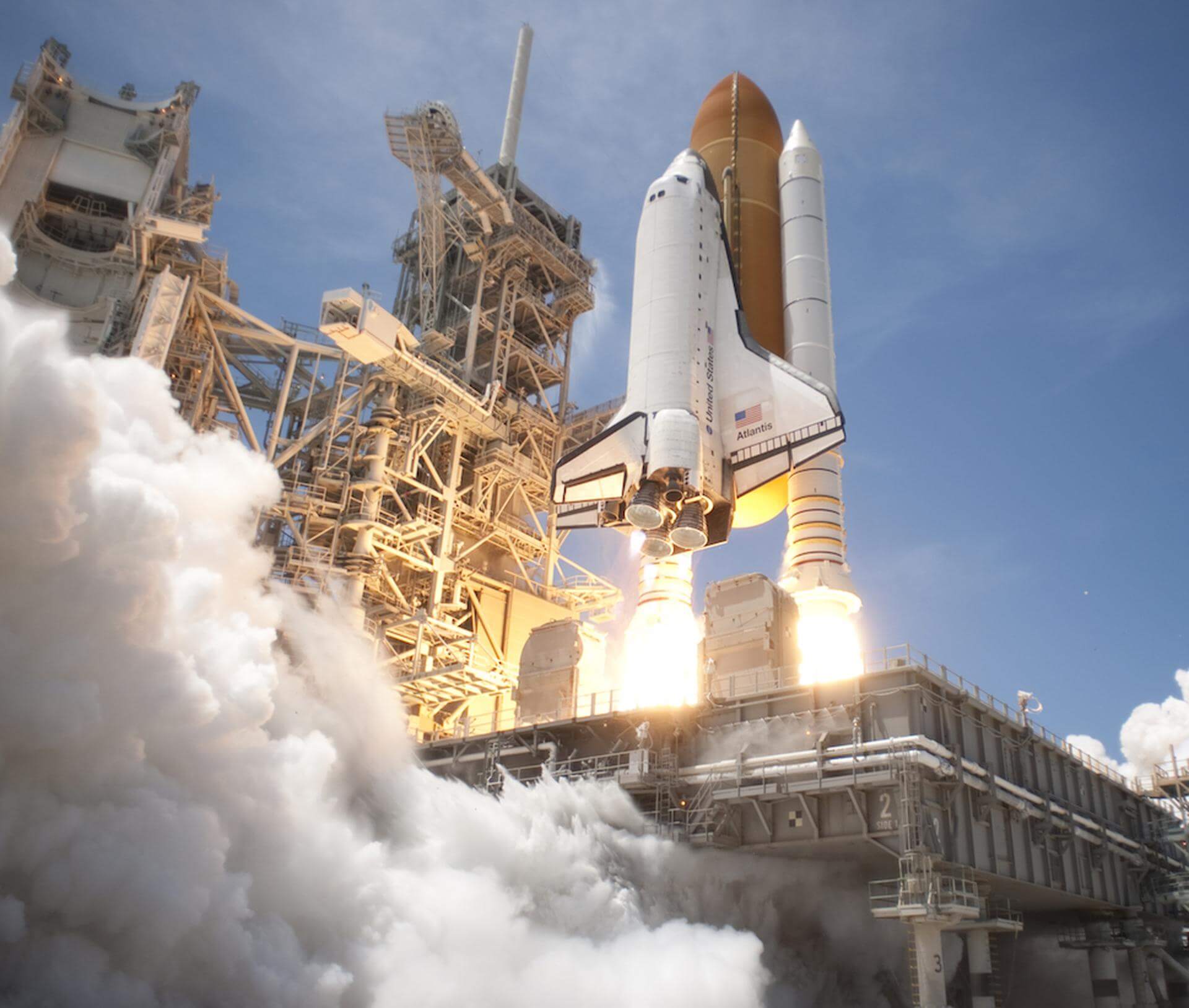
SL-4 R/B (35949)

COSPAR: 2009-056B | Alt Name: Soyuz-U-PVB No. 120 Blok-I
DECAYED

Image
SL-4 R/B Satellite Image
Additional Sources
Launch Details

Launch Date

October 15, 2009

Launch Pad

LC1

Launch Vehicle

Soyuz-U-PVB

Orbital Elements

NORAD ID

35949

International Designator

2009-056B

Decay Date

10/17/2009

Basic Satellite Info

Name

SL-4 R/B

Alternative Name

Soyuz-U-PVB No. 120 Blok-I

Type

Rocket Body

Status

Space Junk

Owner

KVR

Country

Russia

Constellation

N/A

Related Satellites

Major Events

N/A

Summary
A rocket body, also commonly referred to as an upper stage or spent rocket stage, is the structural shell left behind after a rocket has delivered its payload to orbit. These large and often heavy pieces of space hardware can remain in orbit for years, posing significant collision hazards as part of the growing space debris problem. If left uncontrolled, rocket bodies have the potential to reenter Earth's atmosphere unpredictably, which can lead to falling debris in populated areas. Additionally, they risk colliding with operational satellites or the International Space Station, creating more debris and putting human life at risk.
Physical Characteristics

Length

6.7

Diameter

2.7

Span

6.7

Dry Mass

2350

Launch Mass

2350

Shape

Cyl

Radar Cross Section

0.085

Visual Magnitude

Unknown

Color

Unknown

Material Composition

Unknown

Technical Details

Payload

11S510

Purpose

Unknown

Mission

Unknown

Manufacturer

PROGT

Life Expectancy

Unknown

Bus

Blok-I

Configuration

Unknown

Motor

Unknown

Equipment

Unknown

Power System

Unknown

ADCS

Unknown

Transmitter Frequency

Unknown

Satellite Articles

View All Posts »

Learn more about satellites and other related topics.

Pentagon Cancels OPIR Polar After Northrop Sensor Delivery | KeepTrack Space Brief

Pentagon Cancels OPIR Polar After Northrop Sensor Delivery | KeepTrack Space Brief

Pentagon cancels Next-Generation OPIR Polar program after Northrop Grumman delivered sensor payload. LEO and MEO alternatives deemed sufficient for missile-warning coverage.

X Report 2 May 2025

X Report 2 May 2025

SpaceX successfully launched 28 more Starlink satellites from Cape Canaveral, marking another milestone in its satellite constellation expansion.

Long March 10B Debut Highlights 4-Launch Week | KeepTrack Week in Review

Long March 10B Debut Highlights 4-Launch Week | KeepTrack Week in Review

This week: China's Long March 10B debuted successfully, SpaceX merged with xAI, and Starlink topped 10,775 satellites in orbit.

Blue Origin's New Glenn Destroyed in Static Fire Test at Cape Canaveral | KeepTrack Space Brief

Blue Origin's New Glenn Destroyed in Static Fire Test at Cape Canaveral | KeepTrack Space Brief

Blue Origin's fourth New Glenn rocket exploded during static fire at LC-36, Cape Canaveral, destroying the fully stacked vehicle and pad infrastructure. Amazon Leo launch postponed indefinitely.

NASA Expands SpaceX Crew Contract as Boeing Stalls | KeepTrack X Report

NASA Expands SpaceX Crew Contract as Boeing Stalls | KeepTrack X Report

NASA adds crew missions to SpaceX's contract as Boeing Starliner certification stalls, while Falcon 9 hits its 60th orbital launch of 2026.

SpaceX Hits 10,000 Starlink Satellites in Orbit | KeepTrack Space Brief

SpaceX Hits 10,000 Starlink Satellites in Orbit | KeepTrack Space Brief

SpaceX surpassed 10,000 simultaneous Starlink satellites in orbit after Starlink 17-24 deployed 25 satellites from California. Milestone reached in under 7 years.

Space Force Activates Cyber Squadrons at Launch Sites | KeepTrack Space Brief

Space Force Activates Cyber Squadrons at Launch Sites | KeepTrack Space Brief

Space Force stands up 2 cyber defense squadrons at Cape Canaveral and Vandenberg to protect launch operations against adversary interference targeting pad networks and telemetry systems.

Artemis II Crew Sets Human Distance Record at Moon | KeepTrack Space Brief

Artemis II Crew Sets Human Distance Record at Moon | KeepTrack Space Brief

Artemis II crew surpassed Apollo 13's distance record during April 6 lunar flyby. Orion carried 4 astronauts—including Canadian Jeremy Hansen—farther from Earth than any humans.