


Space Brief 6 Dec 2025
Discover the latest developments in hypersonic missile production, defense innovation strategies, and satellite infrastructure resilience impacting military operations.


Launch Date
September 30, 2009
Launch Site
Launch Pad
LC1
Launch Vehicle
Soyuz-FG
NORAD ID
35940
International Designator
2009-053A
Decay Date
3/18/2010
Name
SOYUZ-TMA 16
Alternative Name
Soyuz TMA-16
Type
Status
Owner
RKKE
Country
Russia
Constellation
N/A
Related Satellites
Major Events
N/A
Length
7.9
Diameter
2.7
Span
10.6
Dry Mass
2850
Launch Mass
2892
Shape
Cyl + Cone + Sphere + 2 Pan
Radar Cross Section
6.5138
Visual Magnitude
Unknown
Color
Unknown
Material Composition
Unknown
Payload
Soyuz 11F732A17 No. 226
Purpose
Crewed spacecraft
Mission
Crewed spacecraft
Manufacturer
RKKE
Life Expectancy
Unknown
Bus
7K-STMA
Configuration
Unknown
Motor
SA
Equipment
Unknown
Power System
2 deployable fixed solar arrays, batteries
ADCS
Unknown
Transmitter Frequency
Unknown
Learn more about satellites and other related topics.
Discover the latest developments in hypersonic missile production, defense innovation strategies, and satellite infrastructure resilience impacting military operations.
Today's coverage includes the cancellation of DARPA's DRACO nuclear propulsion project, global shifts in Earth observation strategy, and new developments in satellite technology and military collaborations.
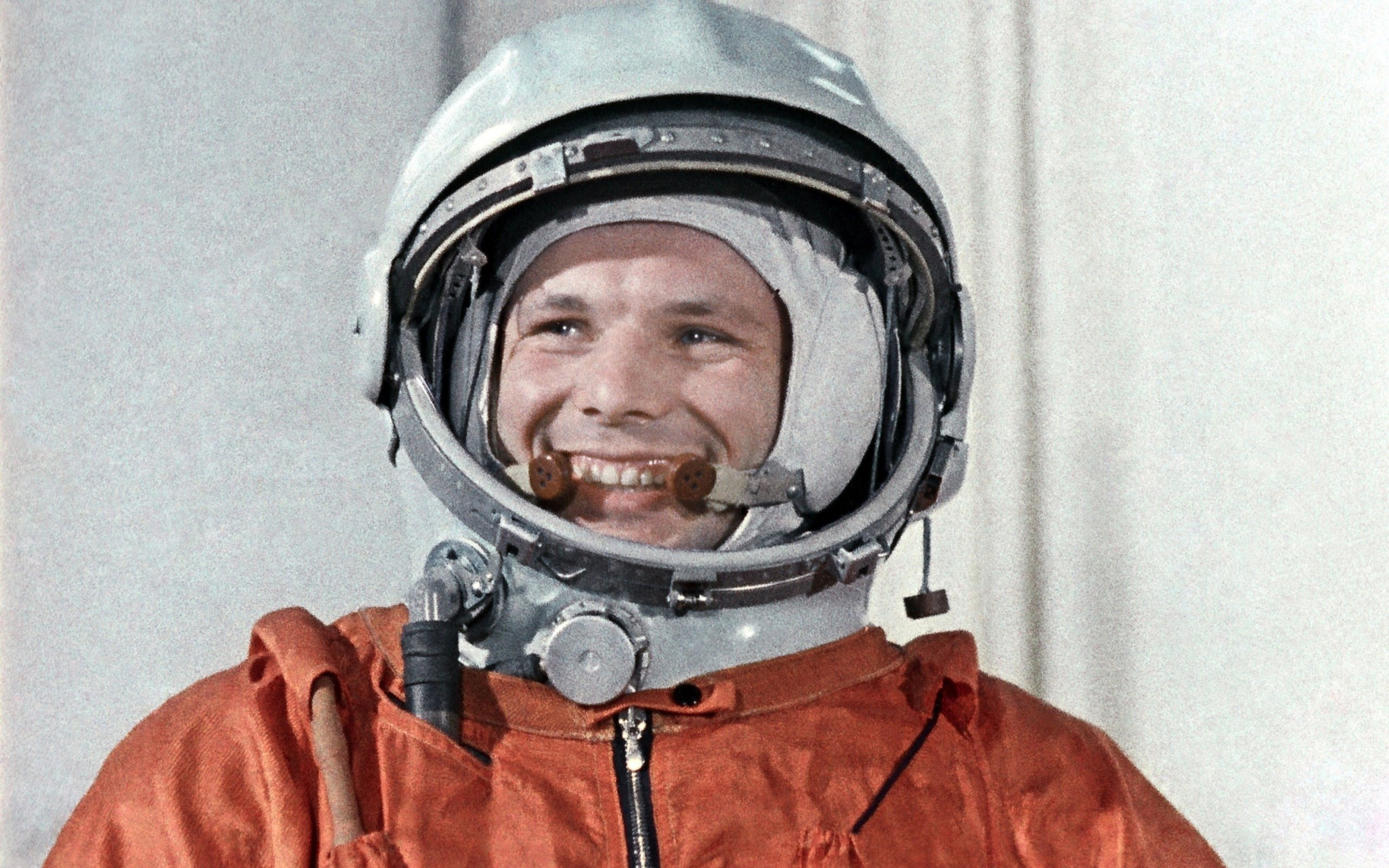
On April 12, 1961, a 27-year-old Soviet pilot rode a modified ICBM into orbit and came back alive after 108 minutes. Exactly twenty years later, two Americans climbed aboard an untested spacecraft covered in 31,000 ceramic tiles and bet their lives that the math was right.
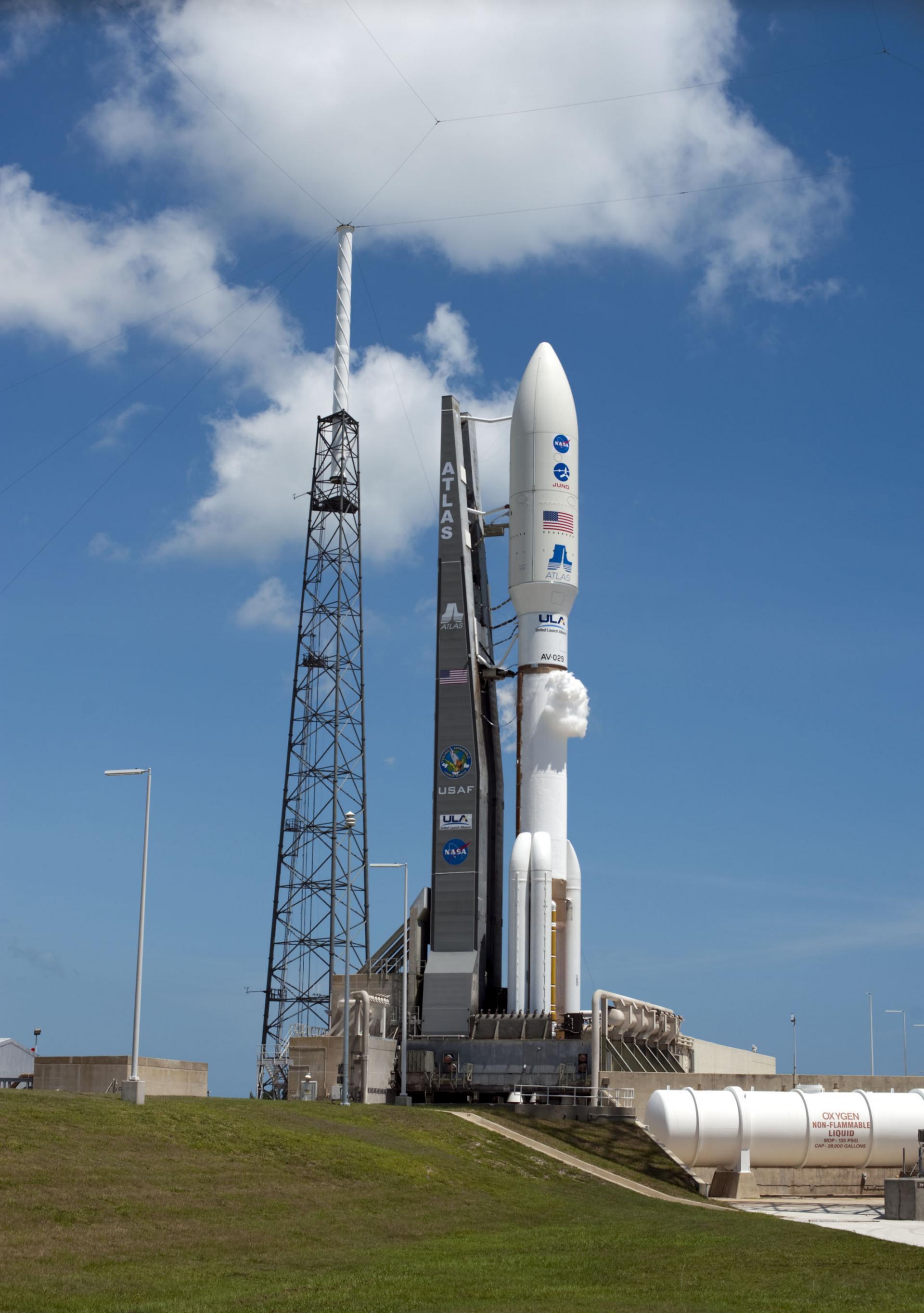
Today's Space Brief covers major developments in Pentagon procurement methods, strategic satellite intelligence advancements, and increasing interest in drone technology within the defense sector.
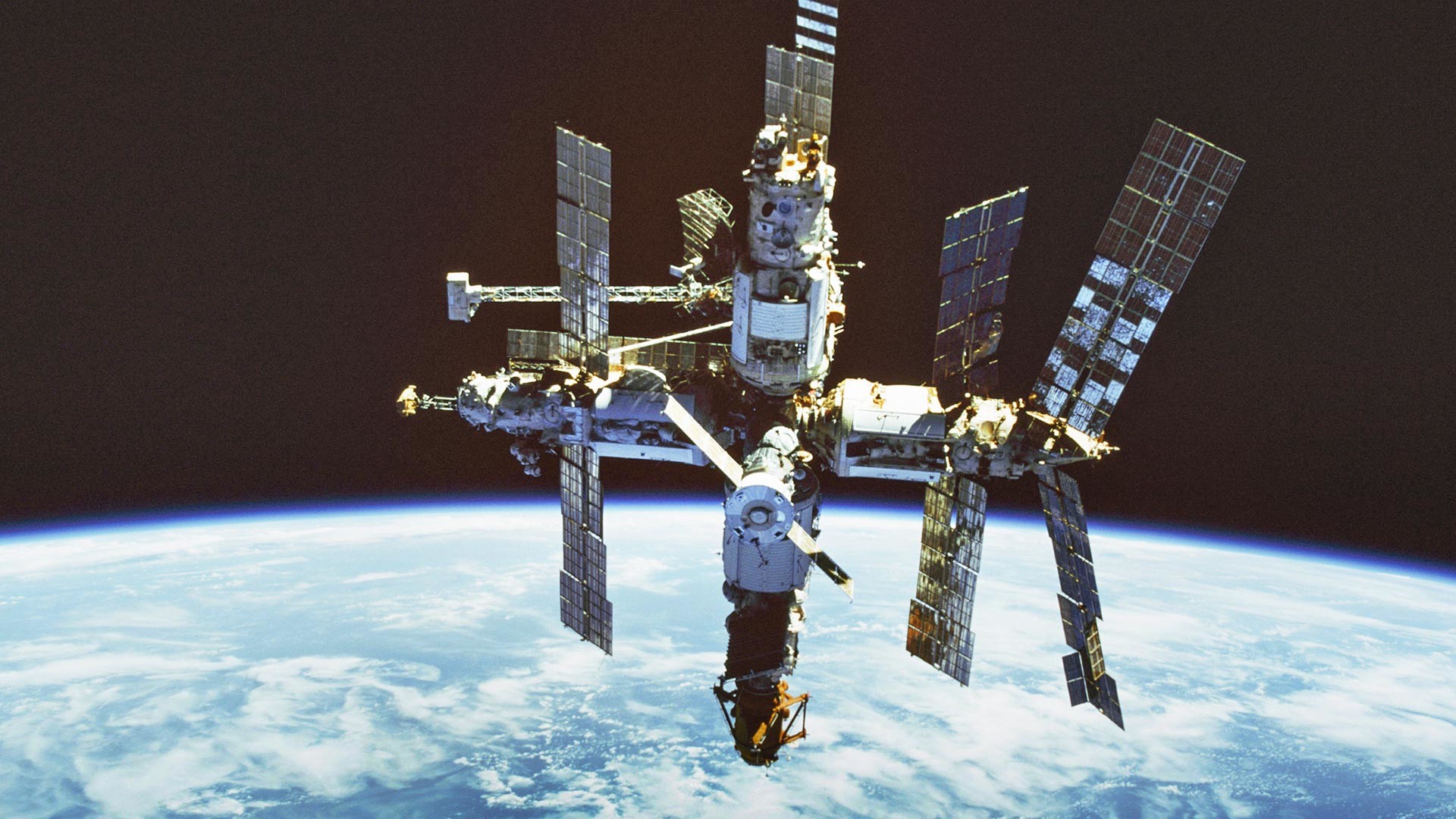
Forty years ago today, the USSR launched a 20-ton aluminum cylinder into low Earth orbit and called it 'Peace.' Over the next 15 years, Mir would host 104 people from 12 countries, survive a fire and a collision, and quietly teach humanity how to live in space.
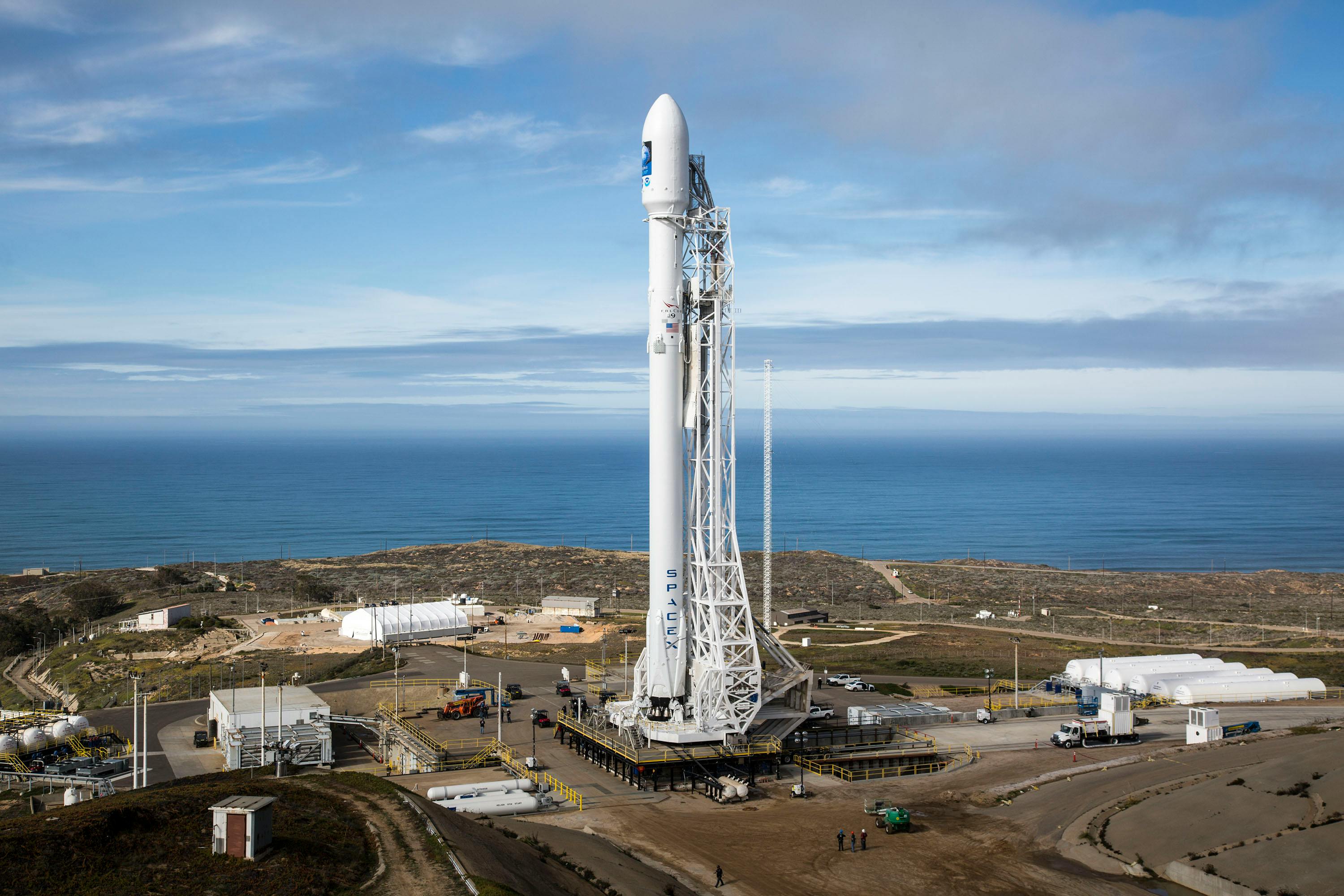
SpaceX successfully launched 29 Starlink satellites on the record-breaking 32nd flight of its Falcon 9 rocket. Elon Musk discusses a potential future as a Type II civilization, emphasizing the role of AI and satellite technology.
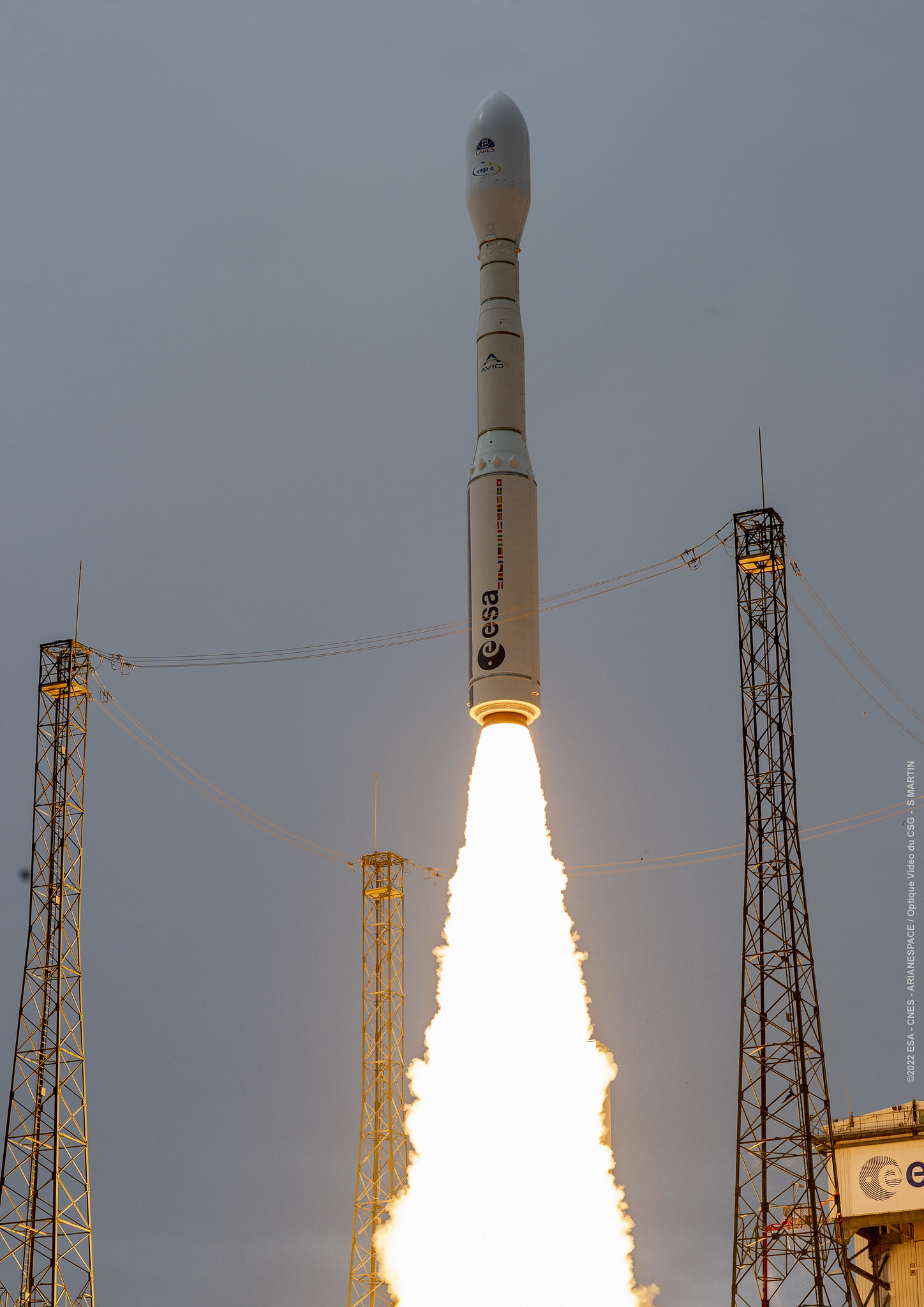
Today's Space Brief covers key topics including new defense mandates for space, Firefly Aerospace's public filing, major funding for Varda Space Industries, and updates on SpaceX's Crew-11 mission and a mystery satellite launch.
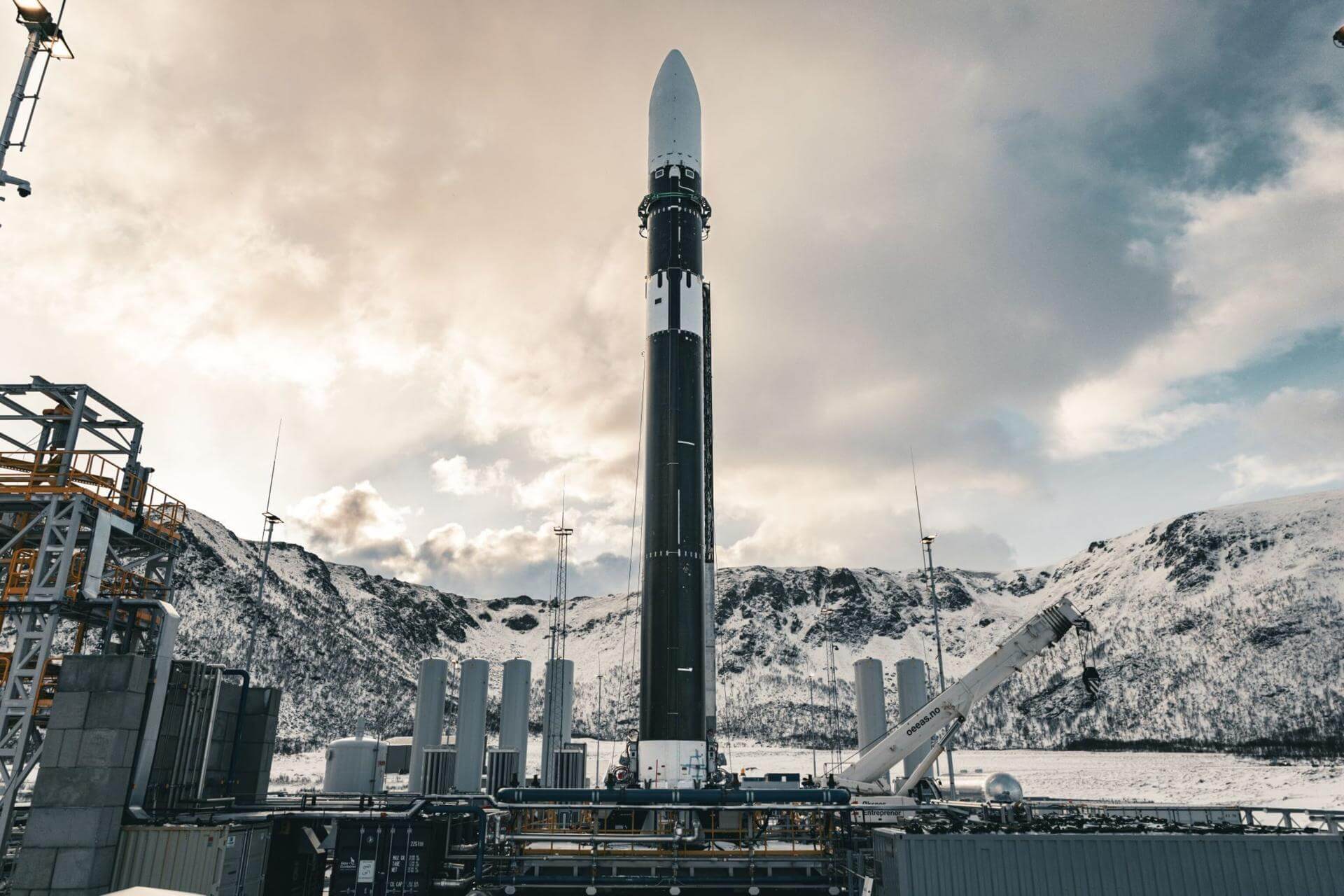
Exploring the future of space with concerns on space debris, rapid growth in orbital data centers, and new developments at launch sites.