


X Report 1 May 2025
SpaceX launches diabetes research mission to ISS; EU considers SES for Starlink support; Amazon's Kuiper enters satellite race.


Launch Date
September 23, 2009
Launch Site
SRILR
Launch Pad
FLP
Launch Vehicle
PSLV
NORAD ID
35935
International Designator
2009-051E
Epoch
Sat, 04 Jul 2026 00:33:09 GMT
Apogee
Calculating...
Perigee
Calculating...
Inclination
98.40°
Right Ascension
91.98°
Eccentricity
Calculating...
Argument of Perigee
176.25°
Period
98.60 min
Mean Motion
14.60 rev/day
Latitude
Calculating...
Longitude
Calculating...
Altitude
Calculating...
Velocity
Calculating...
Name
ITUPSAT1
Alternative Name
ITUpSAT-1
Type
Status
Owner
ITUTR
Country
Turkey
Constellation
N/A
Related Satellites
Major Events
N/A
1 35935U 09051E 26185.02302402 .00000919 00000-0 19967-3 0 9999
2 35935 98.4031 91.9778 0007274 176.2481 183.8774 14.60466234891194
Source: Celestrak
Length
0.1
Diameter
0.1
Span
0.1
Dry Mass
1
Launch Mass
1
Shape
Box
Radar Cross Section
0.034
Visual Magnitude
Unknown
Color
Unknown
Material Composition
Unknown
Payload
ITU piko SATellite 1
Purpose
Technology
Mission
Technology
Manufacturer
ITUTR
Life Expectancy
Unknown
Bus
Cubesat 1U
Configuration
CubeSat (1U)
Motor
None
Equipment
Unknown
Power System
Solar cells, batteries
ADCS
Unknown
Transmitter Frequency
Unknown
Learn more about satellites and other related topics.
SpaceX launches diabetes research mission to ISS; EU considers SES for Starlink support; Amazon's Kuiper enters satellite race.
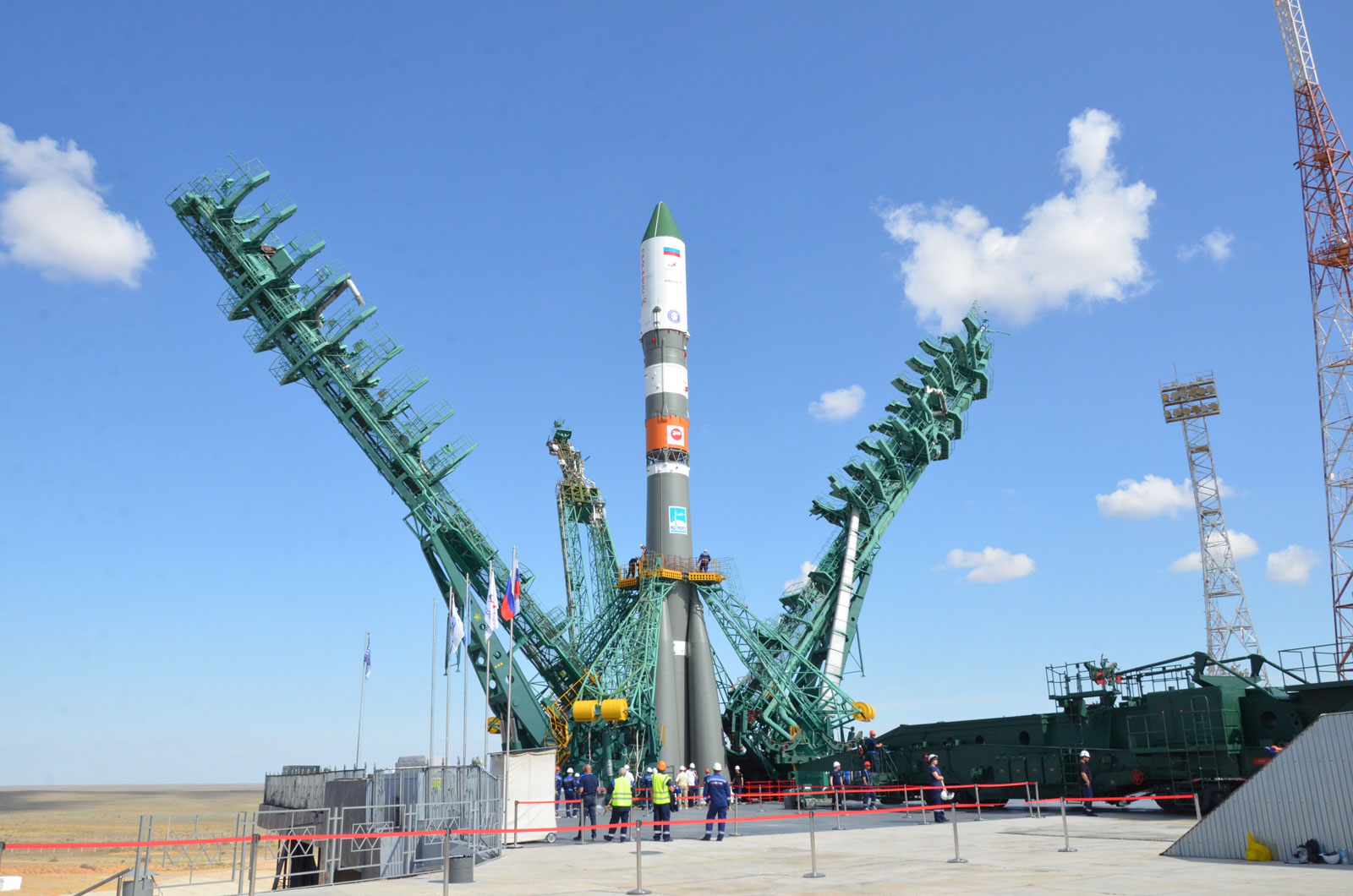
China's Tiangong space station completes crew rotation, Rocket Lab prepares for confidential launch, and Japan successfully launches military satellite with its H3 rocket.
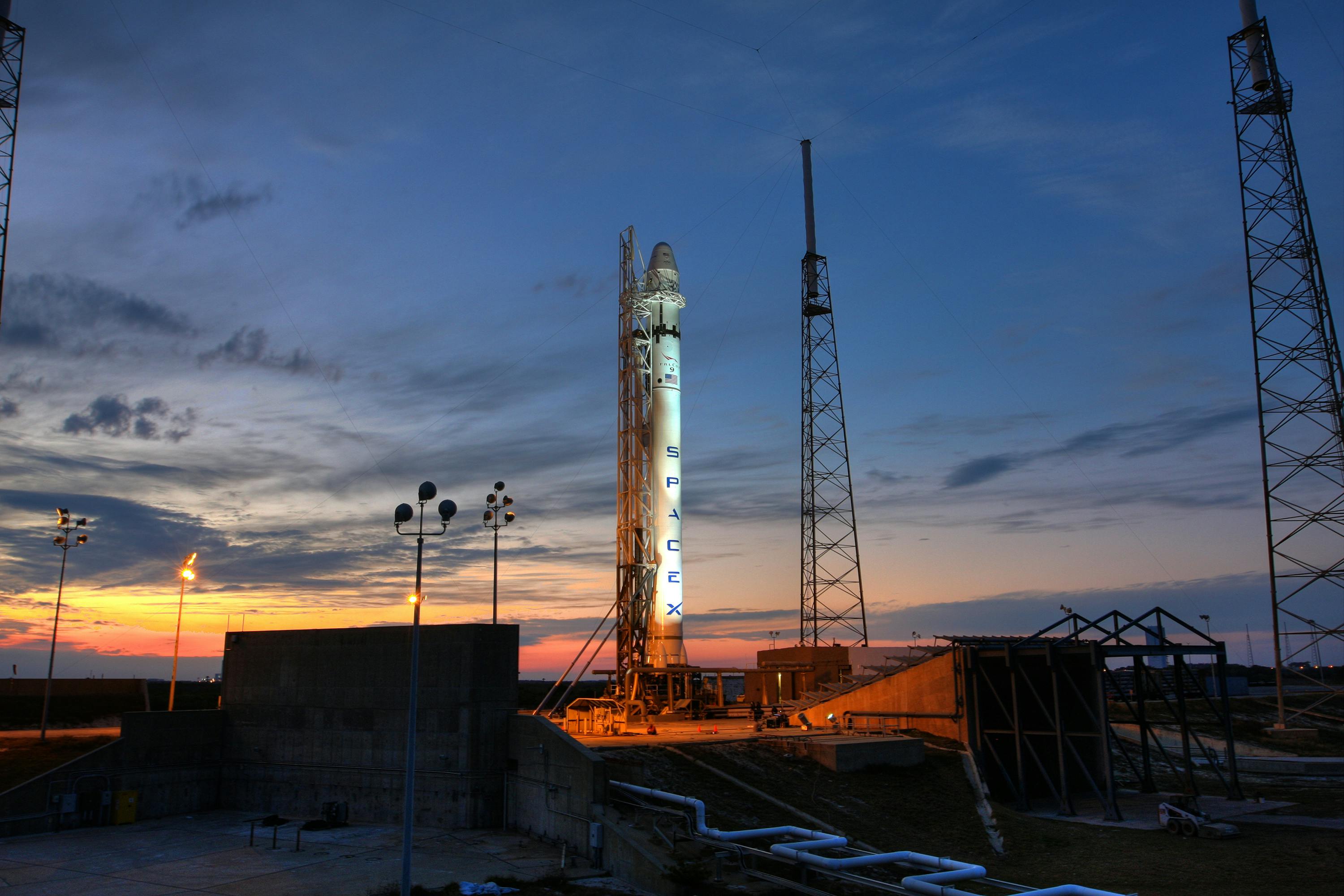
SpaceX launches 28 more Starlink satellites while addressing conflicts of interest and expanding home connectivity with a new router.

SpaceX continues its collaboration with the NRO, while gearing up for lunar missions and a contract for NASA's Dragonfly mission to Titan.
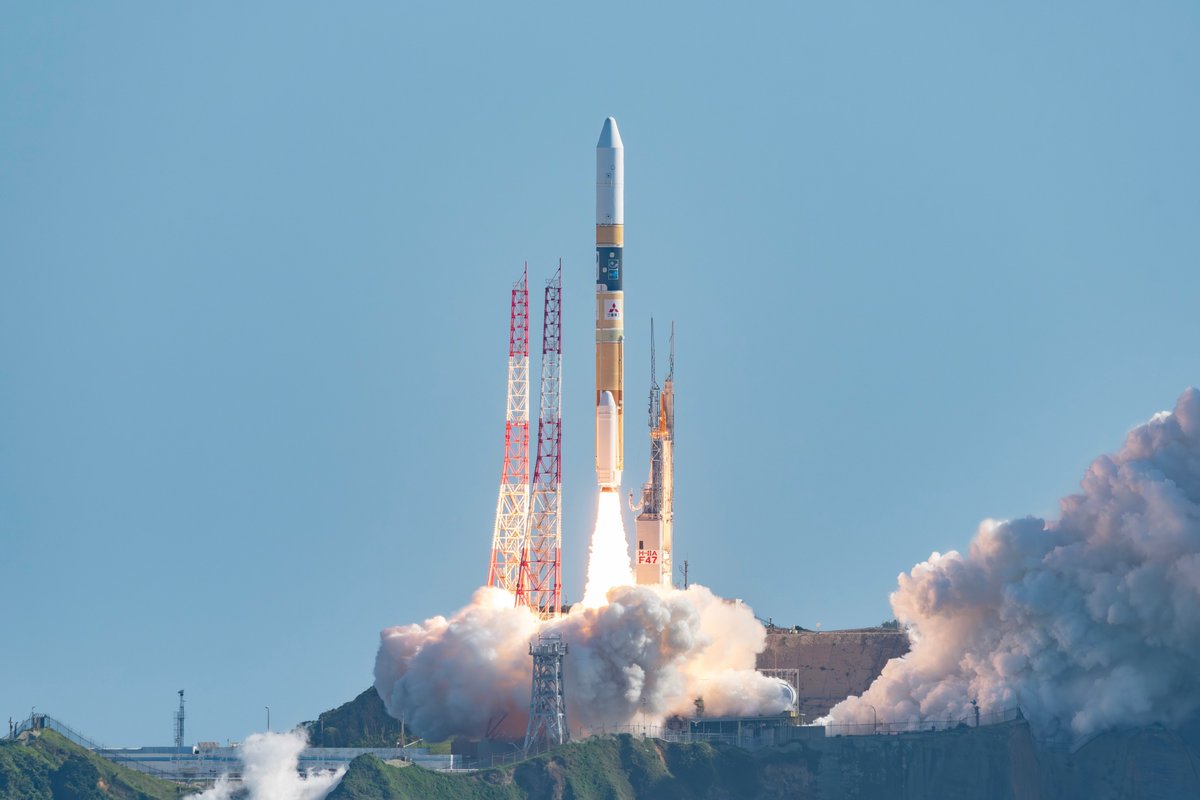
Today’s highlights focus on the launch preparations for the Dragoon Mission, China’s seismo-electromagnetic satellite launch, NASA budget cut impacts, and a major expansion by American Pacific Corporation.
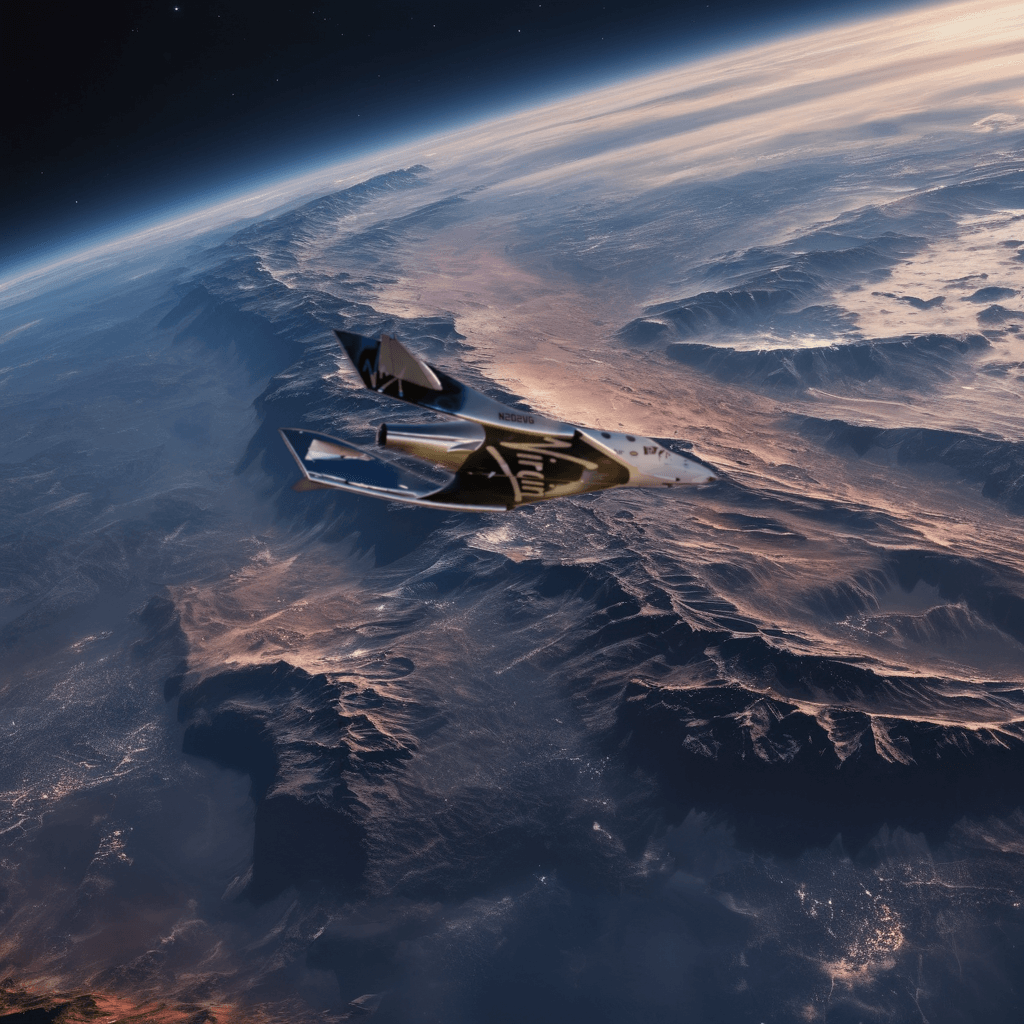
On January 26, 2024, Virgin Galactic's "Galactic 06" mission will launch, marking its 11th spaceflight.

As humanity increasingly relies on satellites, the escalating space junk problem poses a dire threat to our space-based infrastructure. With debris counts reaching alarming levels, urgent action is needed to prevent a cascade of collisions that could make key orbits unusable.

On April 22, 2026, the FAA published a final rule implementing per-launch user fees for commercial space transportation — the first time the U.S. government has charged payload-based fees for rocket launches. Starting at 25 cents per pound with a $30,000 cap, the fees are modest today. By 2033, they won't be.