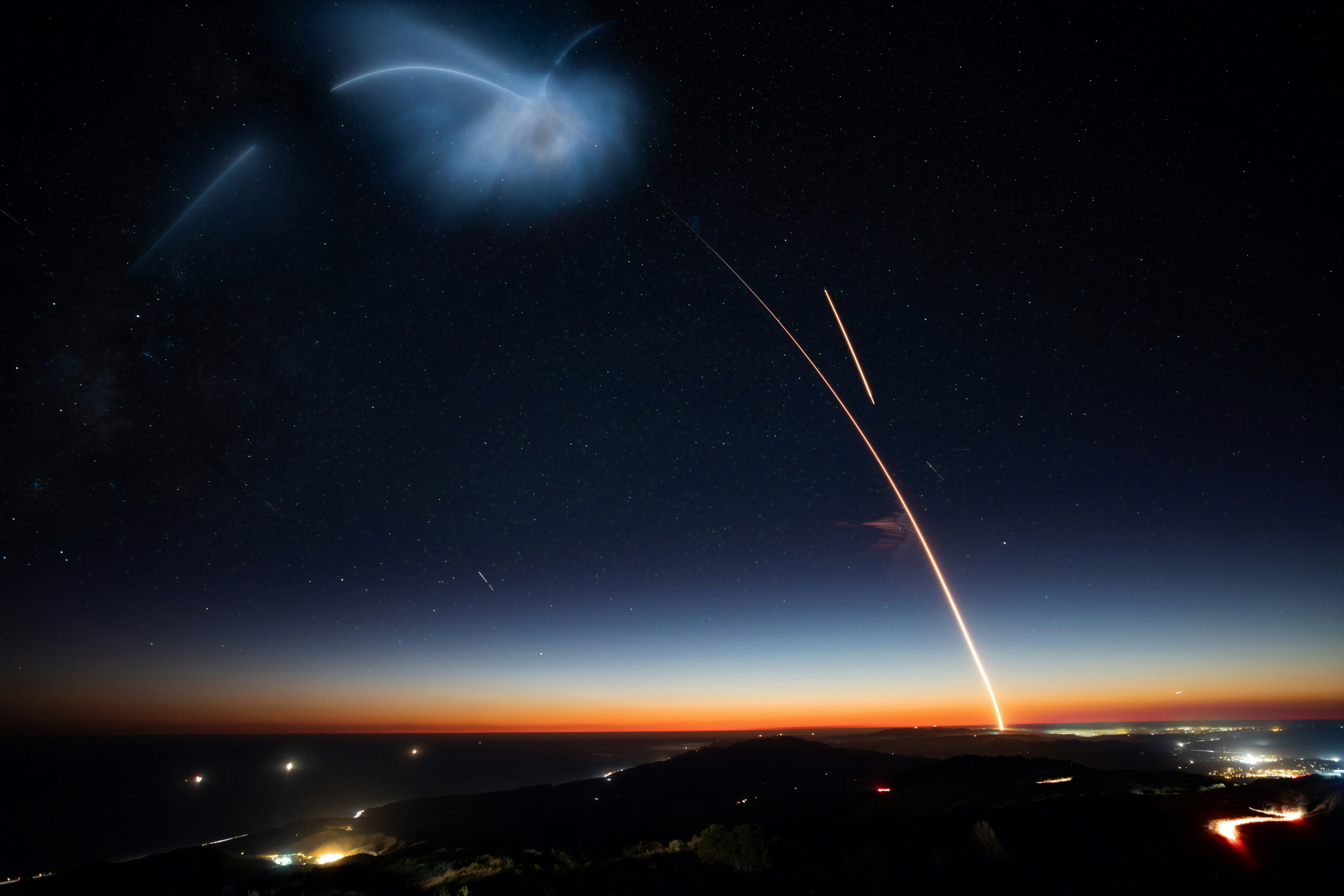

COSMOS 2251 DEB (35884)

COSPAR: 1993-036ATX | Alt Name: deb Kosmos-2251

Image
COSMOS 2251 DEB Satellite Image
Additional Sources
Launch Details

Launch Date

June 16, 1993

Launch Site

PLMSC

Launch Pad

LC132/1

Launch Vehicle

Kosmos 11K65M

Orbital Elements

NORAD ID

35884

International Designator

1993-036ATX

Epoch

Thu, 02 Jul 2026 03:34:33 GMT

Apogee

Calculating...

Perigee

Calculating...

Inclination

73.99°

Right Ascension

330.85°

Eccentricity

Calculating...

Argument of Perigee

70.37°

Period

100.91 min

Mean Motion

14.27 rev/day

Latitude

Calculating...

Longitude

Calculating...

Altitude

Calculating...

Velocity

Calculating...

Polar Plot
3D Visualization
Basic Satellite Info

Name

COSMOS 2251 DEB

Alternative Name

deb Kosmos-2251

Type

Debris

Status

Space Junk

Owner

KVR

Country

Russia

Constellation

N/A

Related Satellites

Major Events

N/A

Latest TLEs
1 35884U 93036ATX 26183.14900092  .00003750  00000-0  14469-2 0  9995
2 35884  73.9898 330.8460 0113492  70.3705 290.9650 14.27049275252292

Source: Celestrak

Summary
Space debris, also known as space junk, encompasses all non-functional objects orbiting Earth such as defunct satellites, spent rocket stages, and fragments from collisions or disintegrations. Over time, this debris can accumulate and create an increasingly hazardous environment in orbit. Even tiny fragments, traveling at extremely high velocities, can inflict significant damage on operational satellites and spacecraft. If left unmanaged, the density of debris raises the risk of catastrophic collisions and further fragmentation, compounding the problem and threatening the safety and sustainability of space activities.
Physical Characteristics

Length

0

Diameter

0

Span

0

Dry Mass

0

Launch Mass

0

Shape

N/A

Radar Cross Section

0.0086

Visual Magnitude

Unknown

Color

Unknown

Material Composition

Unknown

Technical Details

Payload

Unknown

Purpose

Unknown

Mission

Unknown

Manufacturer

Unknown

Life Expectancy

Unknown

Bus

Unknown

Configuration

Unknown

Motor

Unknown

Equipment

Unknown

Power System

Unknown

ADCS

Unknown

Transmitter Frequency

Unknown

Map
This tool will help you track the satellite's position and predict its upcoming passes over your location. Simply input the coordinates or click the geolocation button to get started.
Next Pass
Azimuth Elevation Time (Local)
Start Azimuth
Max Elevation
Stop Azimuth
Time Until
Pass Duration

Satellite Articles

View All Posts »

Learn more about satellites and other related topics.

The Day the Dyna-Soar Dream Died

The Day the Dyna-Soar Dream Died

Exactly 62 years ago, Defense Secretary Robert McNamara ended the X-20 Dyna-Soar program, canceling one of the most ambitious spaceplane projects of the early Space Race - a vehicle that could have put aircraft in orbit decades before the Space Shuttle.

X Report 25 Nov 2024

X Report 25 Nov 2024

SpaceX launches multiple Starlink batches, FAA updates for Starship, and NASA plans lunar cargo deliveries involving SpaceX and Blue Origin.

X Report 19 Aug 2025

X Report 19 Aug 2025

SpaceX receives FAA clearance for Starship Flight 10 and celebrates its 100th Falcon 9 launch of the year, successfully deploying 24 Starlink satellites.

Space Brief 21 May 2025

Space Brief 21 May 2025

Today's Space Brief covers significant events including a high-stakes missile defense program, recent Chinese satellite launches, military defense initiatives, and key profiles in defense leadership.

X Report 23 Apr 2025

X Report 23 Apr 2025

SpaceX marks a significant milestone with its Bandwagon-3 mission, while Ukraine explores Starlink alternatives.

Space Brief 11 Apr 2025

Space Brief 11 Apr 2025

Today's brief covers Millennium's milestone in missile defense, new satellite jammer for Space Force, budget increases for defense, delays in MEO satellite contracts, and potential impacts of Trump's latest order on Pentagon programs.

The End of Free Skies | FAA Starts Charging for Rocket Launches

The End of Free Skies | FAA Starts Charging for Rocket Launches

On April 22, 2026, the FAA published a final rule implementing per-launch user fees for commercial space transportation — the first time the U.S. government has charged payload-based fees for rocket launches. Starting at 25 cents per pound with a $30,000 cap, the fees are modest today. By 2033, they won't be.

X Report 3 Jul 2025

X Report 3 Jul 2025

In a landmark achievement, SpaceX celebrated its 500th Falcon 9 launch by deploying 27 Starlink satellites while simultaneously advancing its reuse strategy with record-breaking milestones.