


Space Brief 21 May 2025
Today's Space Brief covers significant events including a high-stakes missile defense program, recent Chinese satellite launches, military defense initiatives, and key profiles in defense leadership.


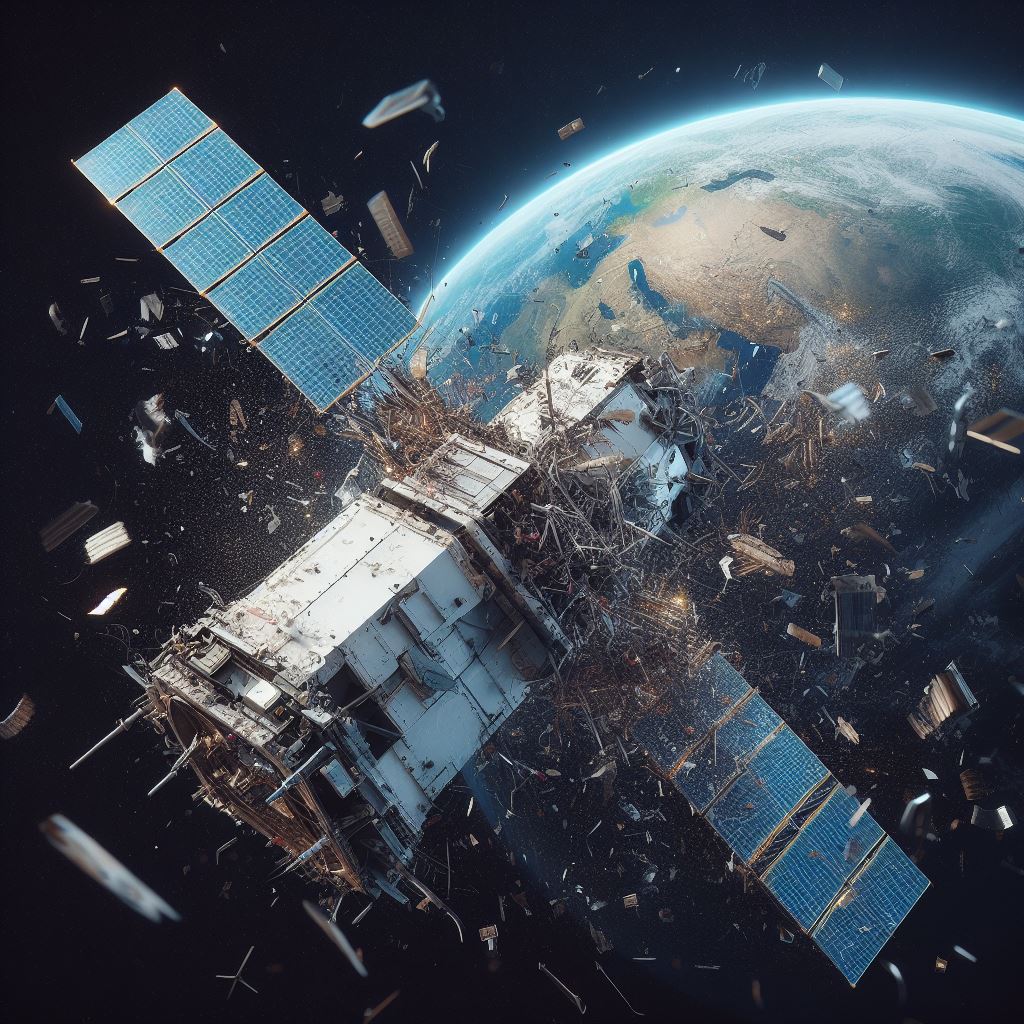
Launch Date
September 14, 1997
Launch Site
Launch Pad
LC81/23
Launch Vehicle
Proton-K/17S40
NORAD ID
35844
International Designator
1997-051SU
Decay Date
1/15/2022
Name
IRIDIUM 33 DEB
Alternative Name
deb Iridium 33
Type
Status
Owner
IRIDS
Country
United States
Constellation
N/A
Related Satellites
Major Events
N/A
Length
0
Diameter
0
Span
0
Dry Mass
0
Launch Mass
0
Shape
N/A
Radar Cross Section
0.0146
Visual Magnitude
Unknown
Color
Unknown
Material Composition
Unknown
Payload
Unknown
Purpose
Unknown
Mission
Unknown
Manufacturer
Unknown
Life Expectancy
Unknown
Bus
Unknown
Configuration
Unknown
Motor
Unknown
Equipment
Unknown
Power System
Unknown
ADCS
Unknown
Transmitter Frequency
Unknown
Learn more about satellites and other related topics.
Today's Space Brief covers significant events including a high-stakes missile defense program, recent Chinese satellite launches, military defense initiatives, and key profiles in defense leadership.
Today's Space Brief brings updates on the U.S. Space Force's upcoming missions, in-space technology strategies, the challenges faced by new launchers, and advancements in satellite communication.
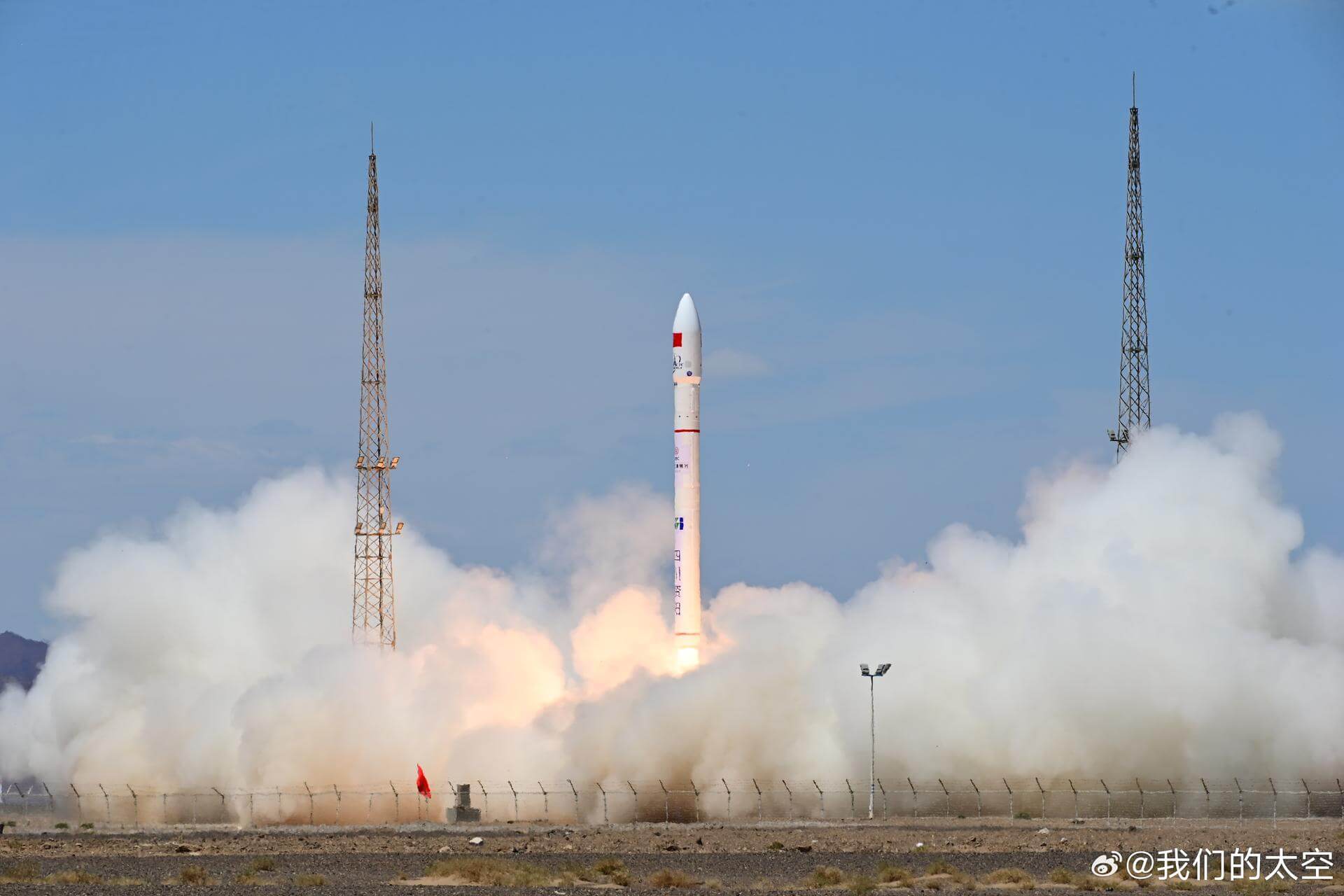
Today focuses on Blue Origin's preparation for New Glenn's debut, SpaceX Crew-9's ISS maneuver, the importance of U.S.-China cooperation in space, and breathtaking ISS photography.
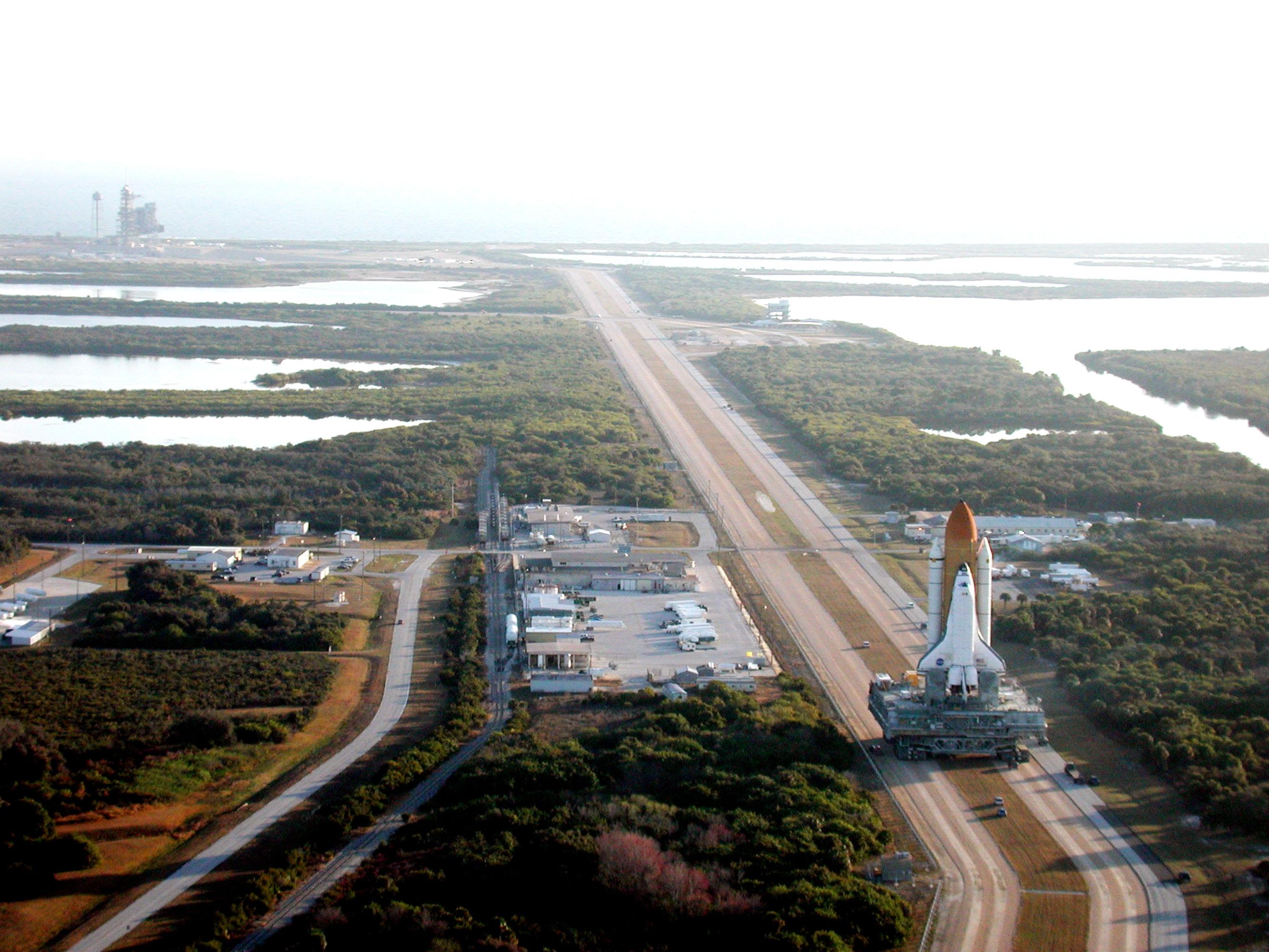
Twenty-four years ago, two spacewalking astronauts battled an ammonia leak while installing the U.S. Laboratory module Destiny, transforming the International Space Station from a construction site to a world-class research facility
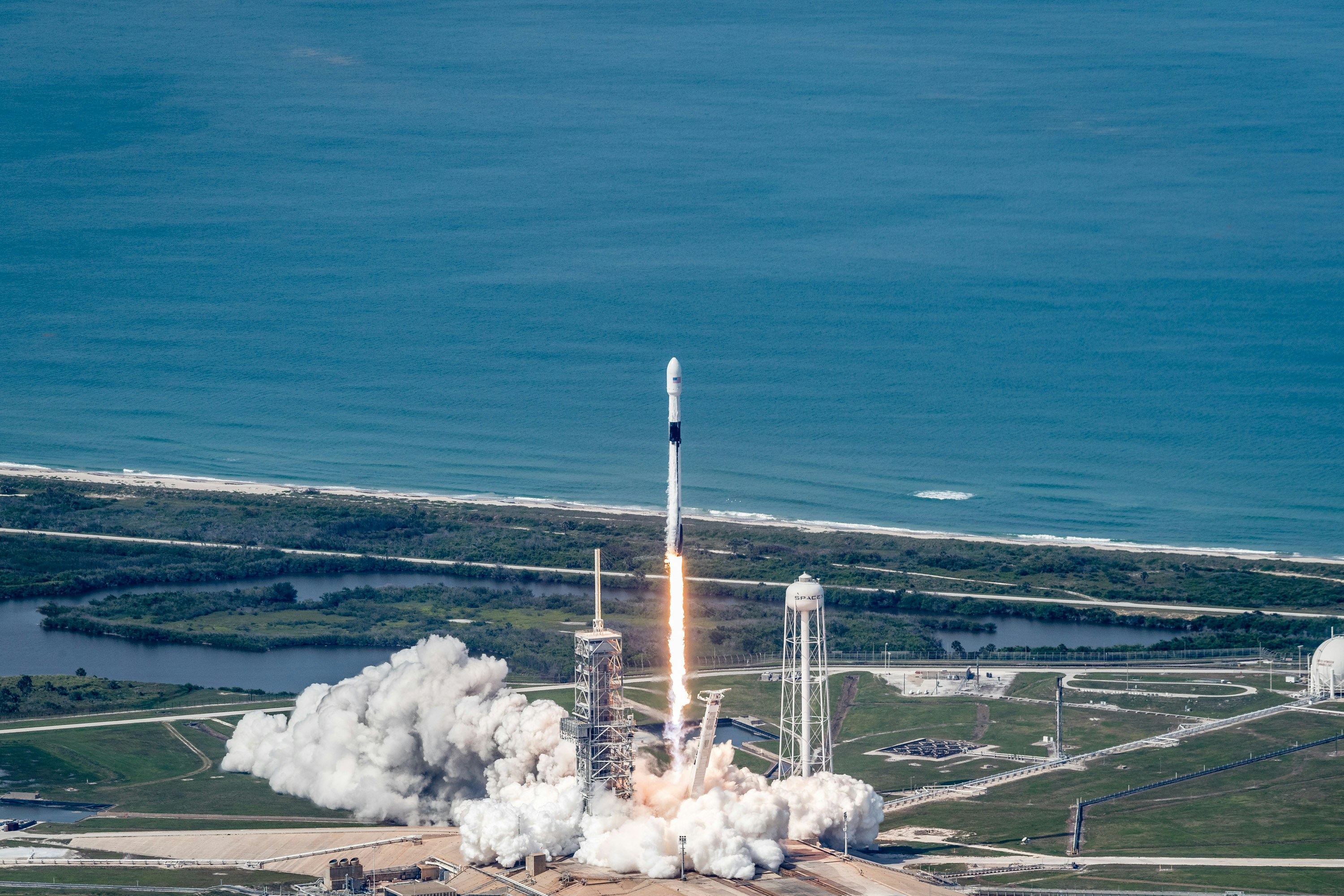
Starship receives FAA approval for its next test flight, while SpaceX prepares to launch more Starlink satellites amidst reaching 5 million subscribers.
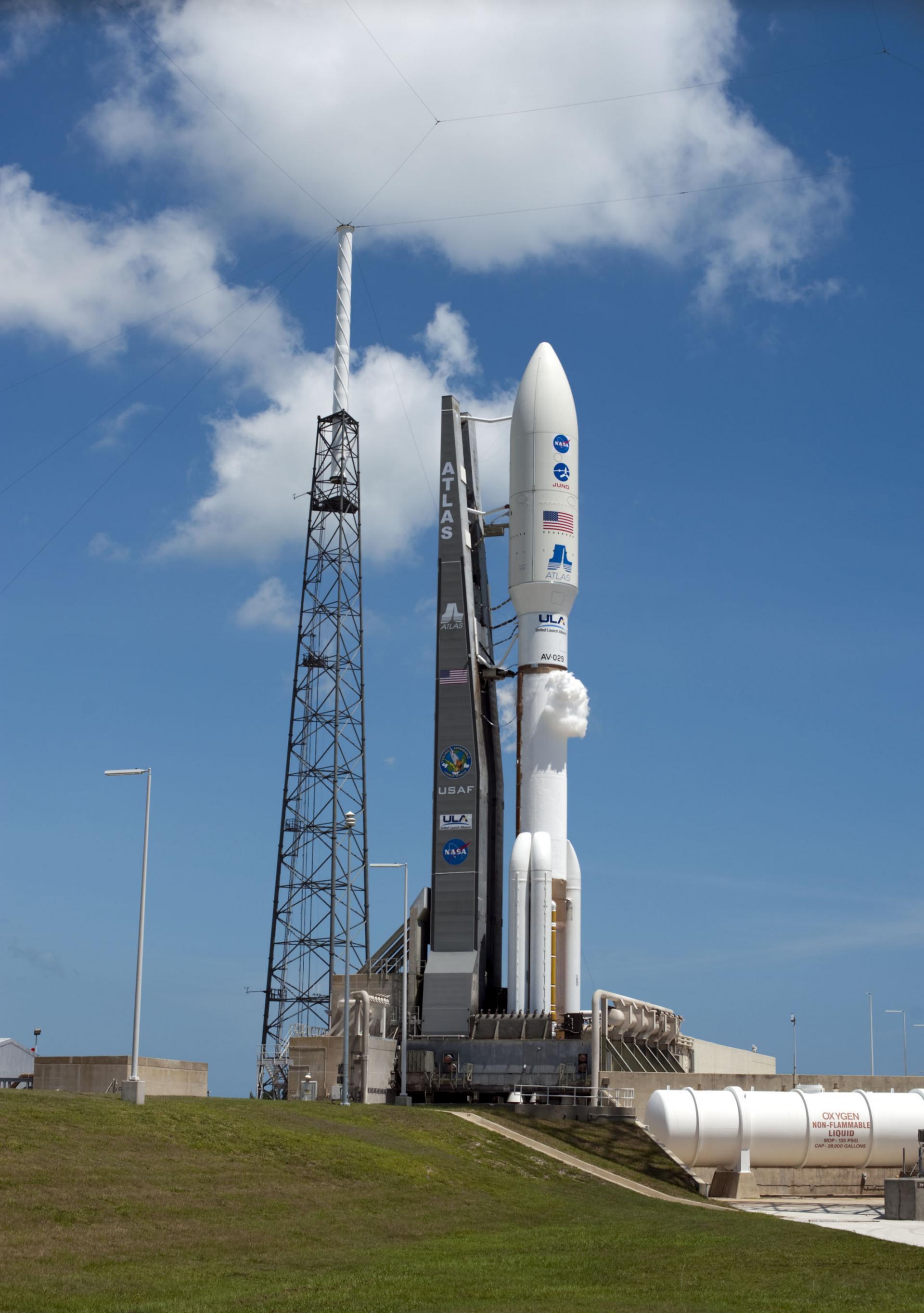
Today's Space Brief covers major developments in Pentagon procurement methods, strategic satellite intelligence advancements, and increasing interest in drone technology within the defense sector.
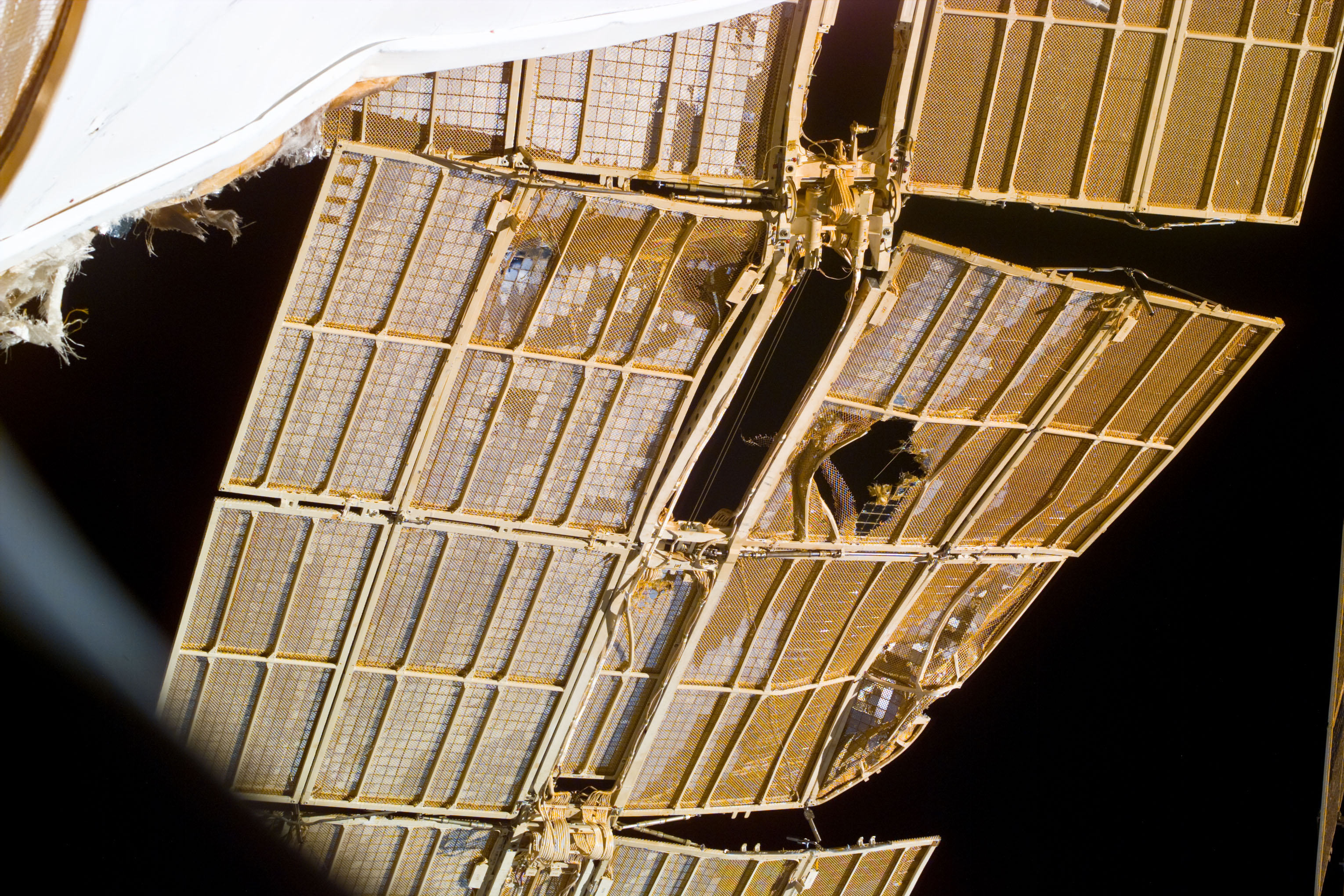
On 25 June 1997, a seven-ton cargo ship under hand control drifted into Mir's Spektr module, breached the hull, and left three crew members listening to their air hiss into space. It remains the worst collision in the history of human spaceflight.
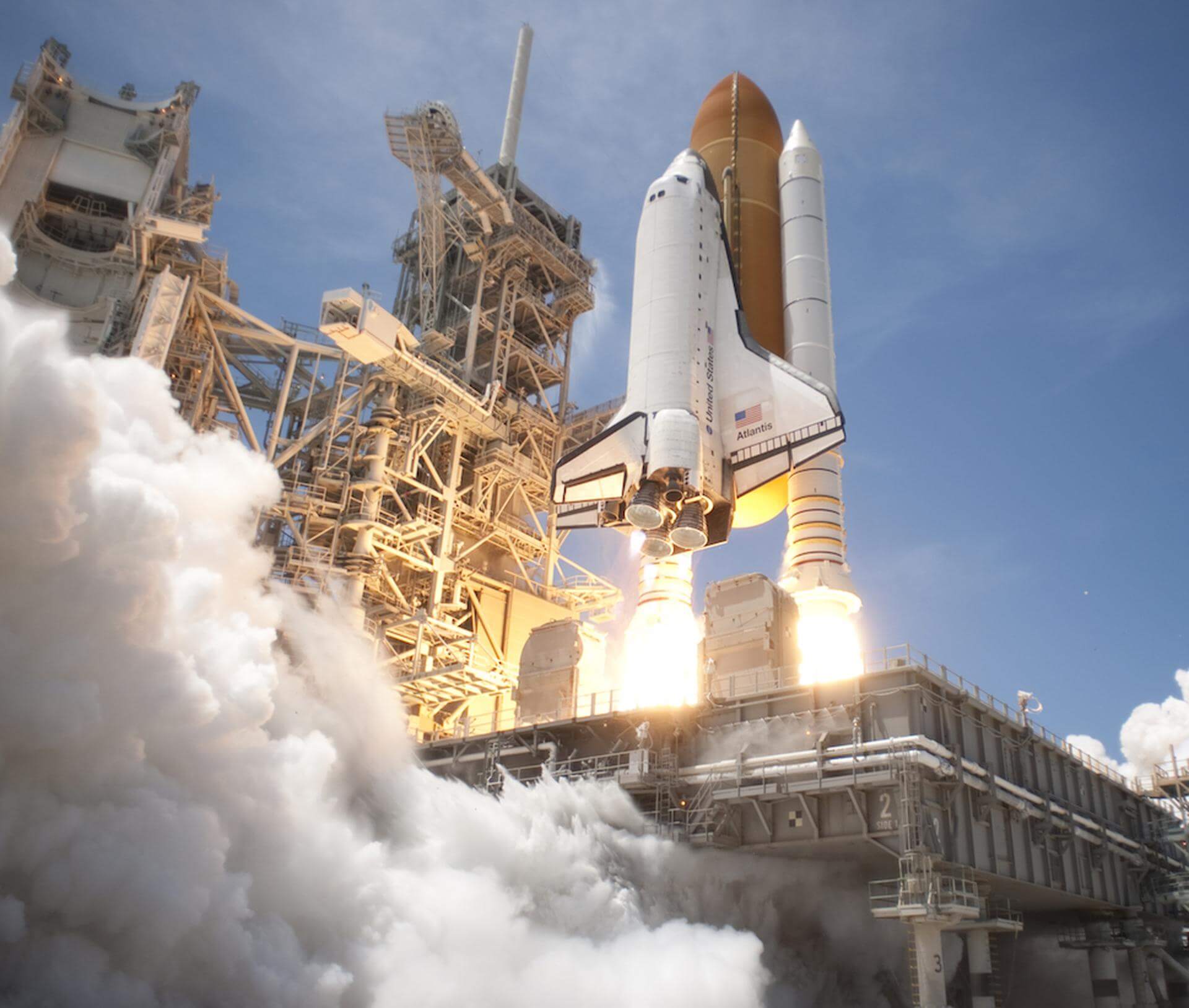
Artemis II crew surpassed Apollo 13's distance record during April 6 lunar flyby. Orion carried 4 astronauts—including Canadian Jeremy Hansen—farther from Earth than any humans.