


Space Brief 9 Apr 2025
Today's brief covers Blue Origin’s new defense launch contracts, the ISS launch of a Navy SEAL astronaut, Sierra Space’s GPS security advancements for the U.S. Space Force, and the Space Force's 'Orbital Watch' initiative.



Launch Date
June 16, 1993
Launch Site
PLMSC
Launch Pad
LC132/1
Launch Vehicle
Kosmos 11K65M
NORAD ID
35821
International Designator
1993-036AST
Decay Date
3/19/2016
Name
COSMOS 2251 DEB
Alternative Name
deb Kosmos-2251
Type
Status
Owner
KVR
Country
Russia
Constellation
N/A
Related Satellites
Major Events
N/A
Length
0
Diameter
0
Span
0
Dry Mass
0
Launch Mass
0
Shape
N/A
Radar Cross Section
0.0115
Visual Magnitude
Unknown
Color
Unknown
Material Composition
Unknown
Payload
Unknown
Purpose
Unknown
Mission
Unknown
Manufacturer
Unknown
Life Expectancy
Unknown
Bus
Unknown
Configuration
Unknown
Motor
Unknown
Equipment
Unknown
Power System
Unknown
ADCS
Unknown
Transmitter Frequency
Unknown
Learn more about satellites and other related topics.
Today's brief covers Blue Origin’s new defense launch contracts, the ISS launch of a Navy SEAL astronaut, Sierra Space’s GPS security advancements for the U.S. Space Force, and the Space Force's 'Orbital Watch' initiative.

Exploring new defense agreements with Eutelsat, advances in U.S. Space Force projects, and updates on NATO's strategic discussions.
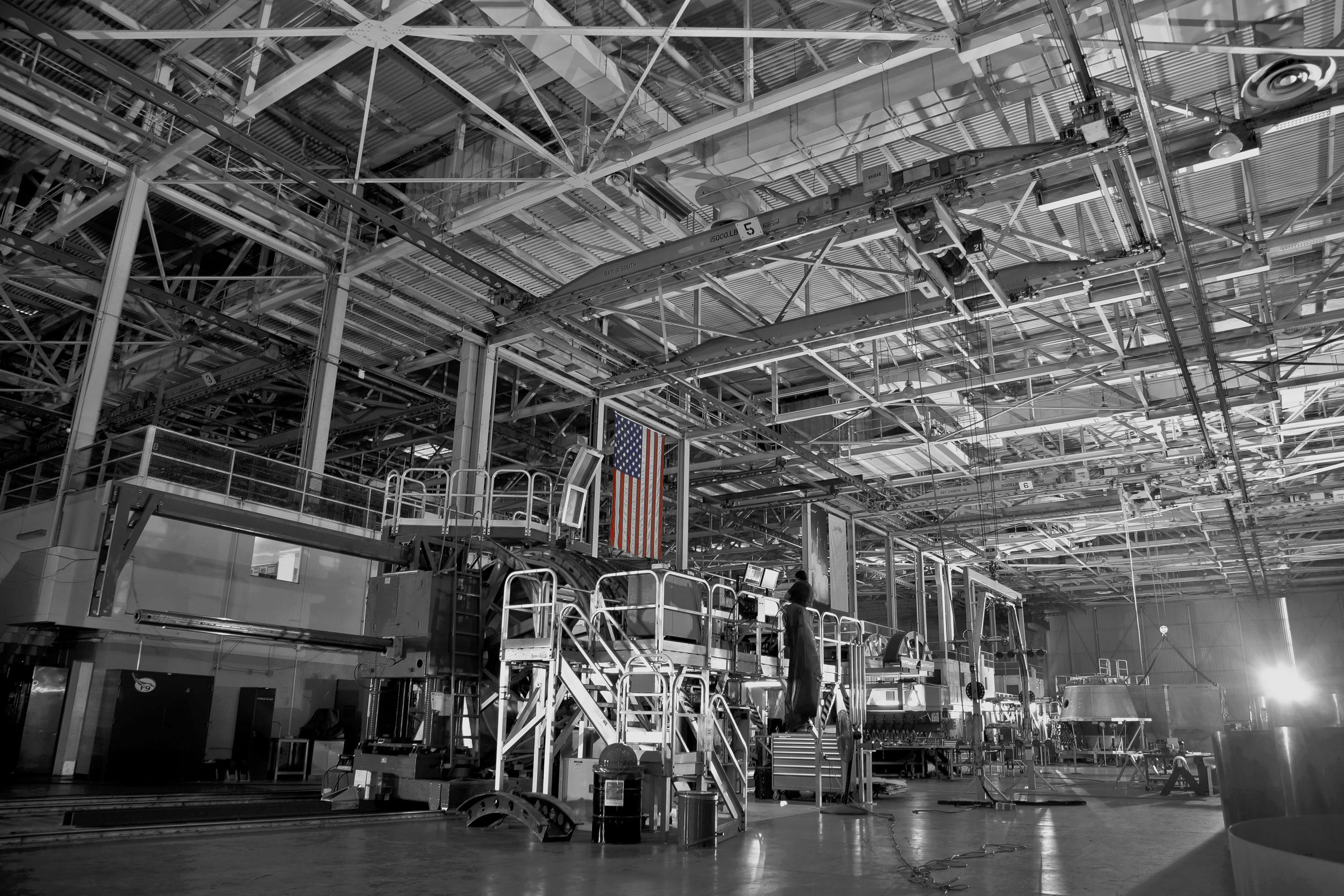
SpaceX targets three launches this week including a rideshare mission with India's ISRO into Sun-Synchronous Orbit. Starlink network continues expanding with ongoing satellite deployments.

Today's briefing covers new satellite projects, military tech advancements, and insights into missile defense strategies. Discover partnerships in satellite design and exciting developments in space military technology.
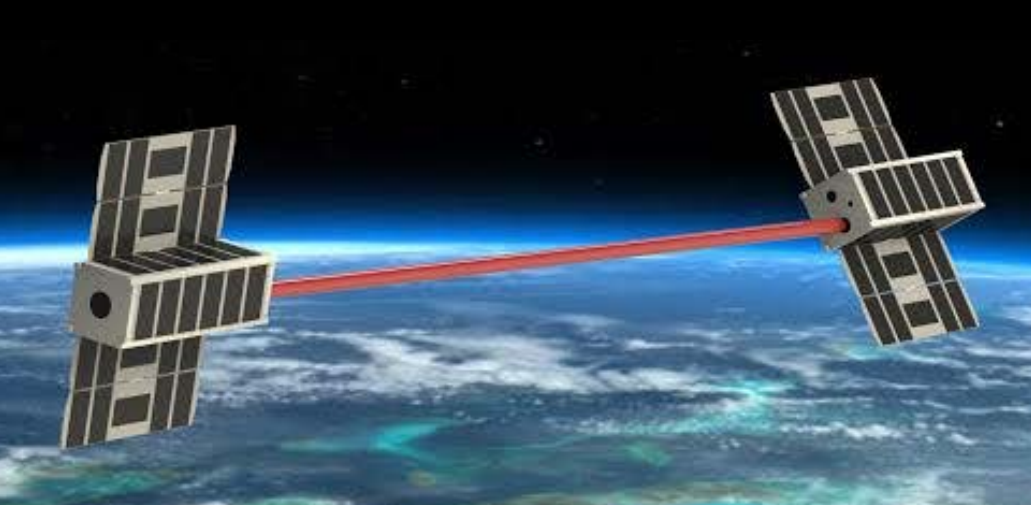
The satellite industry's biggest operators are betting on multi-orbit architectures that combine LEO, MEO, and GEO into unified networks. A San Francisco startup called Contrivian thinks they've overcomplicated the problem, and the physics might be on its side.
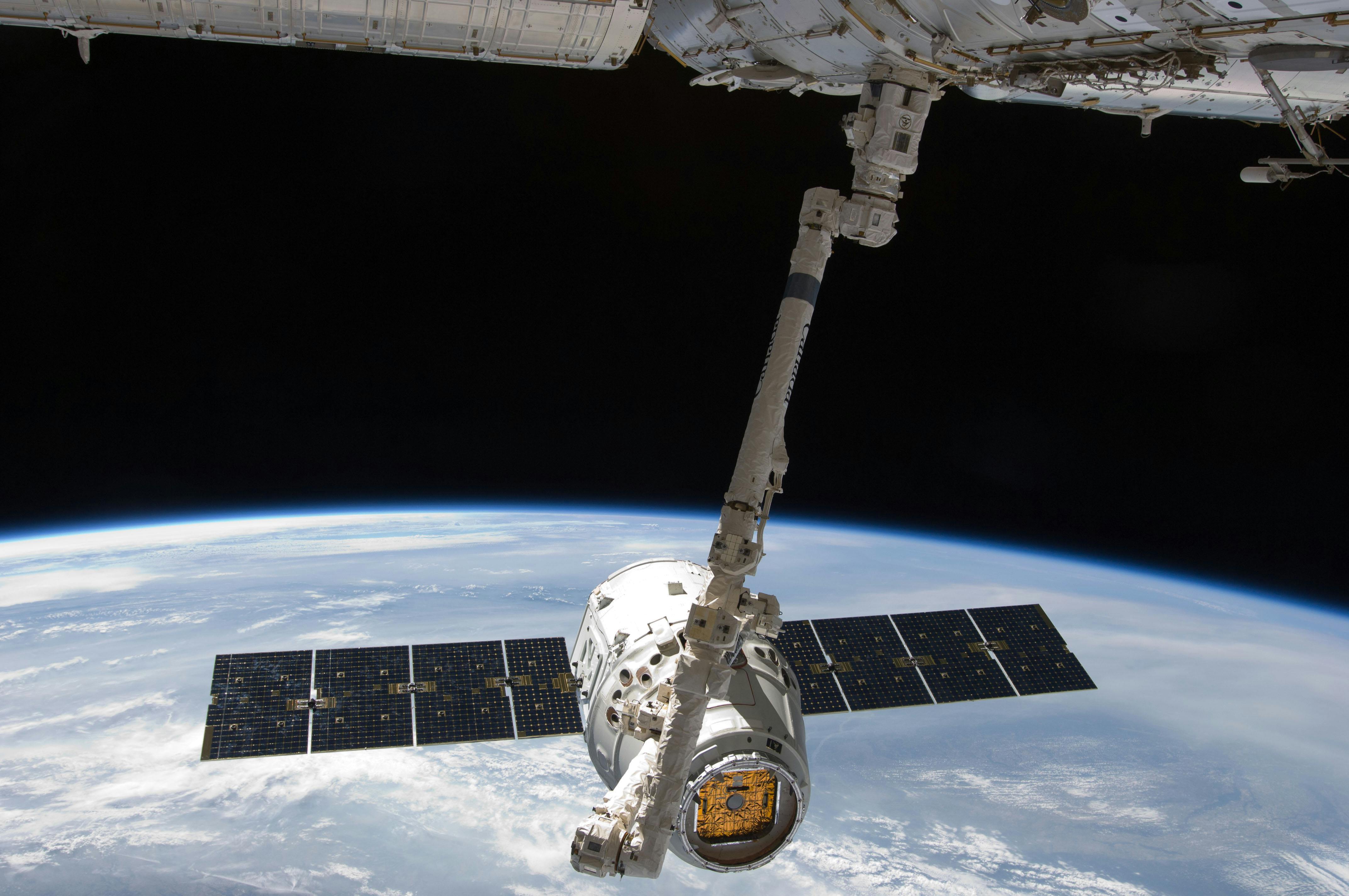
SpaceX achieves significant milestones with multiple satellite launches and ongoing challenges in rural broadband funding. Noteworthy advances in Starlink capabilities enhance international connectivity.
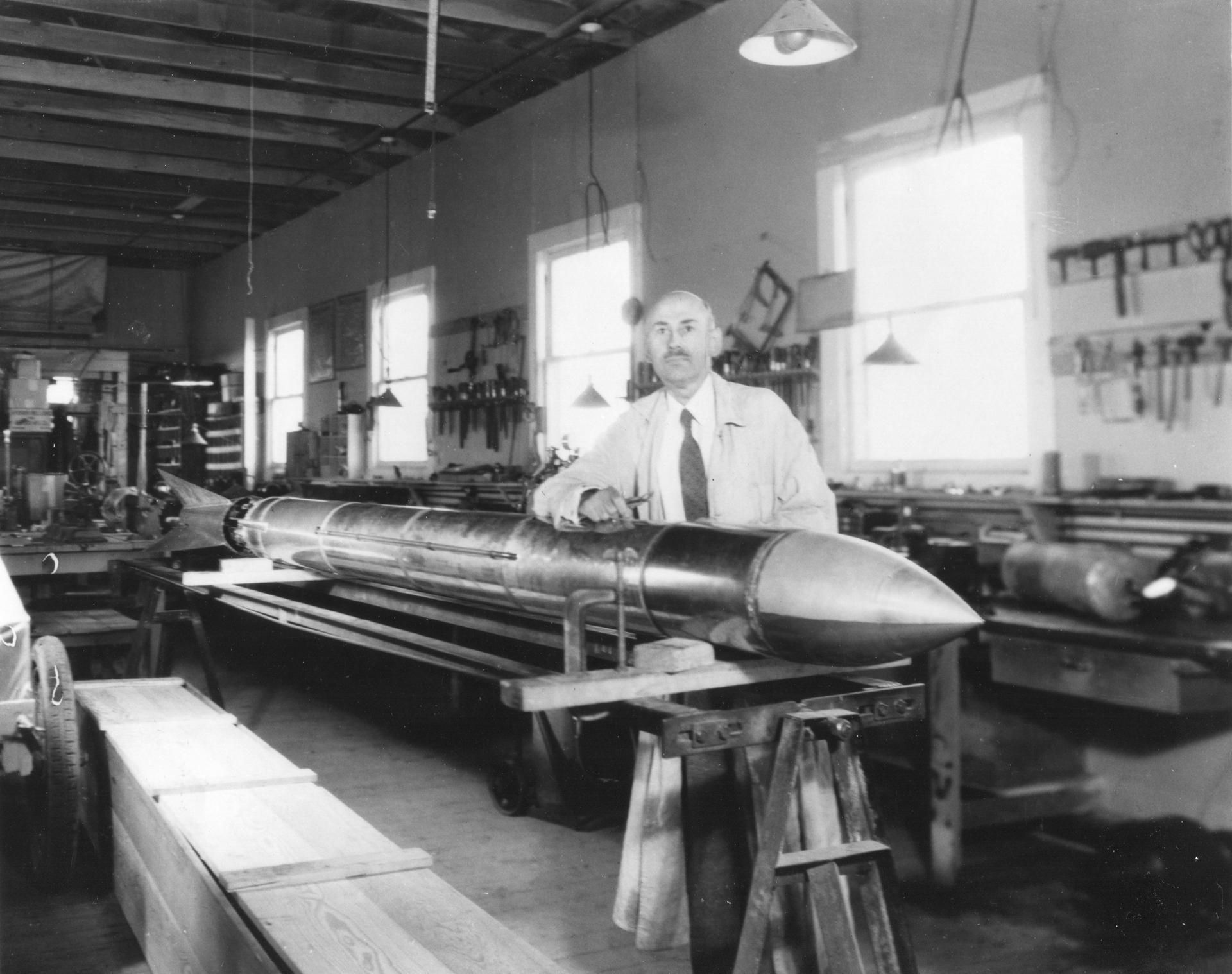
On February 2, 1909, Robert Goddard made a revolutionary breakthrough in his notebook: liquid oxygen and liquid hydrogen could achieve 50% efficiency in converting heat energy to kinetic energy for rocket propulsion

SpaceX successfully launched the historic Axiom-4 mission to the ISS, marking a significant milestone in private space travel, while also expanding Starlink's reach into Vietnam's healthcare sector.