

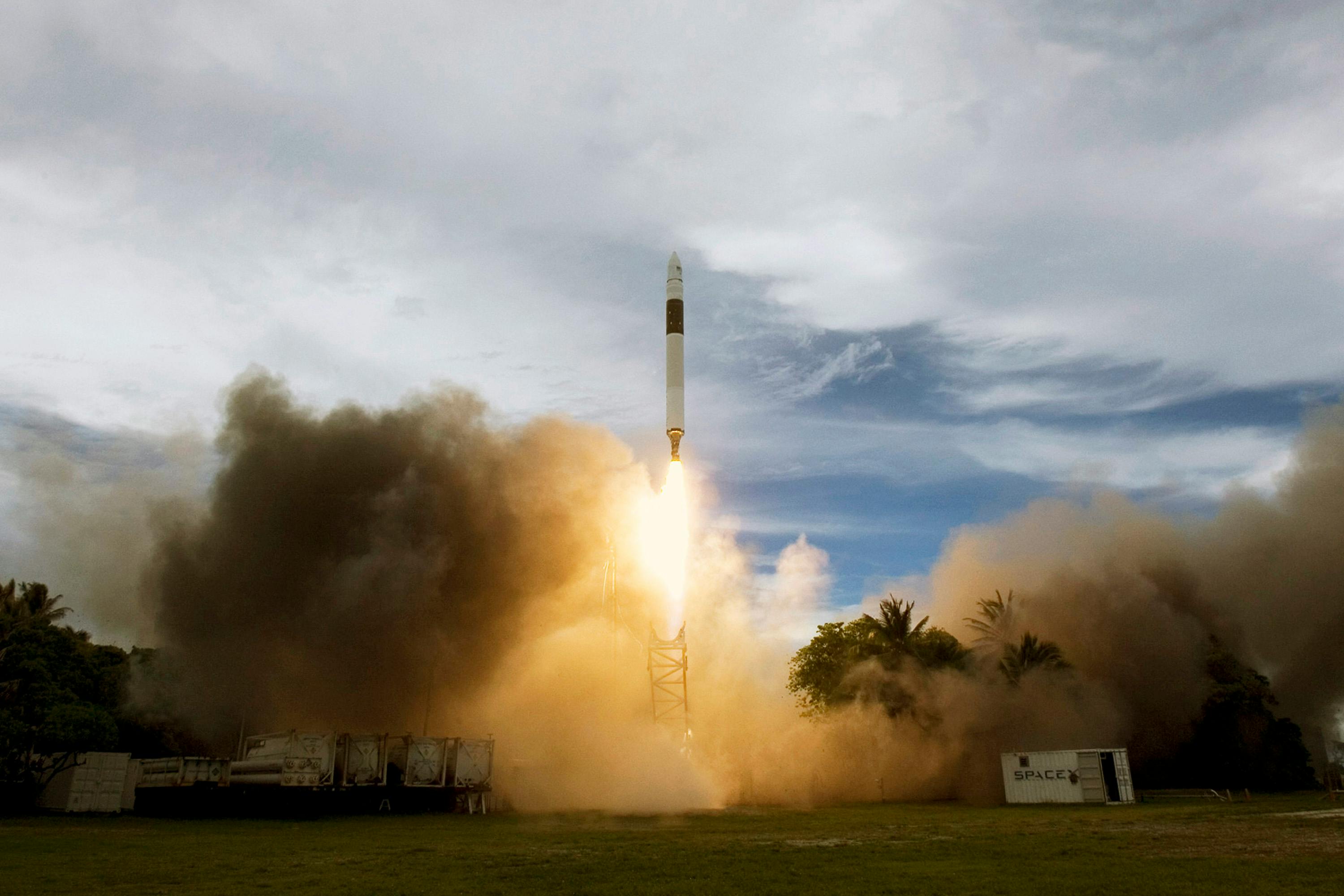
X Report 5 May 2025
SpaceX celebrated Star Wars Day with a successful launch of Starlink satellites, furthering its mission to enhance global internet access. Lego also revealed a new collectible set tied to the franchise.


Launch Date
September 10, 2009
Launch Site
TANSC
Launch Pad
Y2
Launch Vehicle
H-IIB
NORAD ID
35818
International Designator
2009-048B
Decay Date
9/14/2009
Name
H-2B R/B
Alternative Name
H-2B F1 Stage 2
Type
Status
Owner
JAXA
Country
Japan
Constellation
N/A
Related Satellites
Major Events
N/A
Length
9.2
Diameter
4
Span
9.2
Dry Mass
3400
Launch Mass
3400
Shape
Cyl
Radar Cross Section
12.5893
Visual Magnitude
Unknown
Color
Unknown
Material Composition
Unknown
Payload
H-2B Stage 2
Purpose
Unknown
Mission
Unknown
Manufacturer
MHITO
Life Expectancy
Unknown
Bus
H-2A Stage 2
Configuration
Unknown
Motor
Unknown
Equipment
Unknown
Power System
Unknown
ADCS
Unknown
Transmitter Frequency
Unknown
Learn more about satellites and other related topics.
SpaceX celebrated Star Wars Day with a successful launch of Starlink satellites, furthering its mission to enhance global internet access. Lego also revealed a new collectible set tied to the franchise.
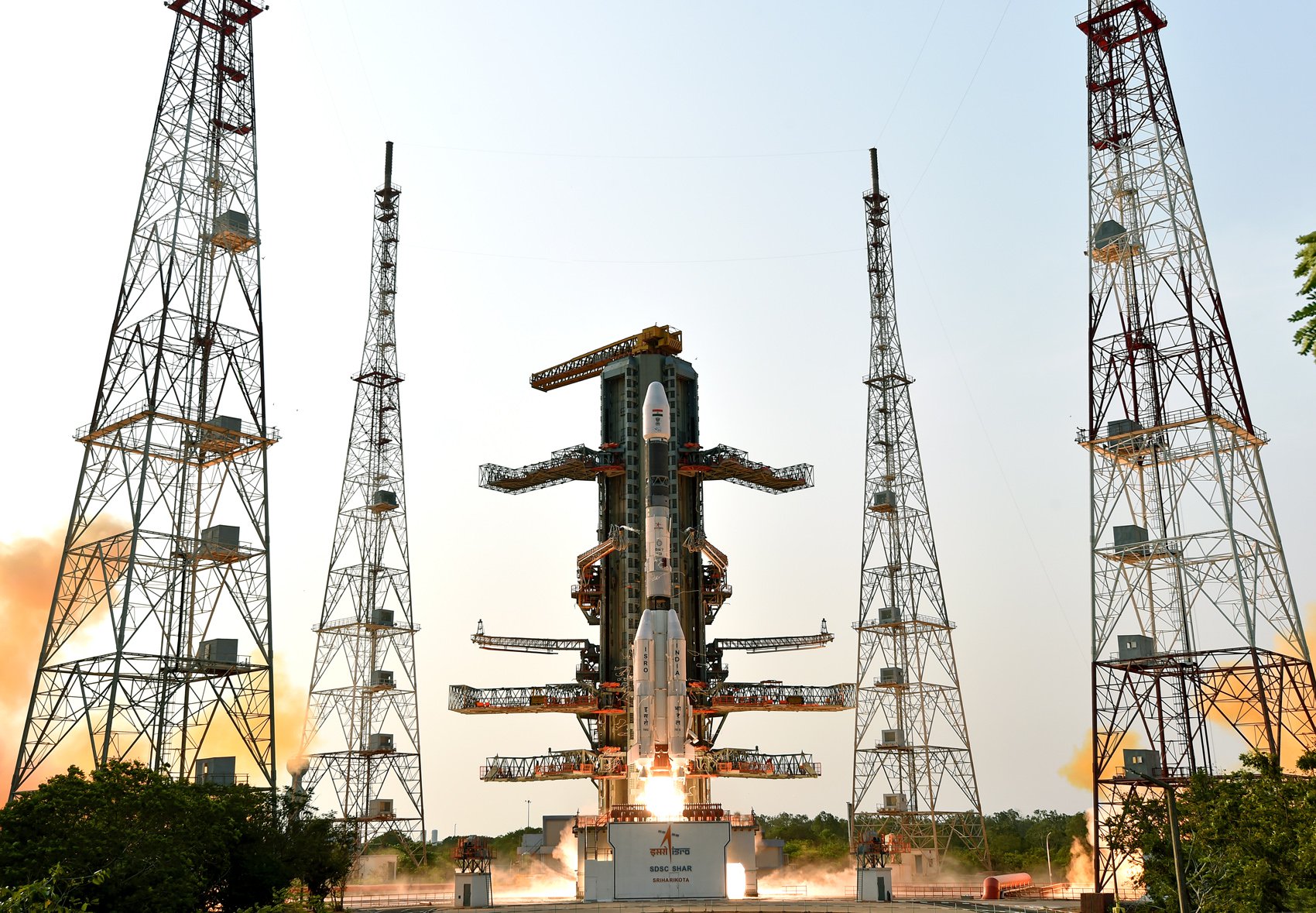
Today's brief covers new military space funding, intriguing scientific discoveries, and defense contracts impacting global military strategies.

Today's Space Brief brings updates on the U.S. Space Force's upcoming missions, in-space technology strategies, the challenges faced by new launchers, and advancements in satellite communication.
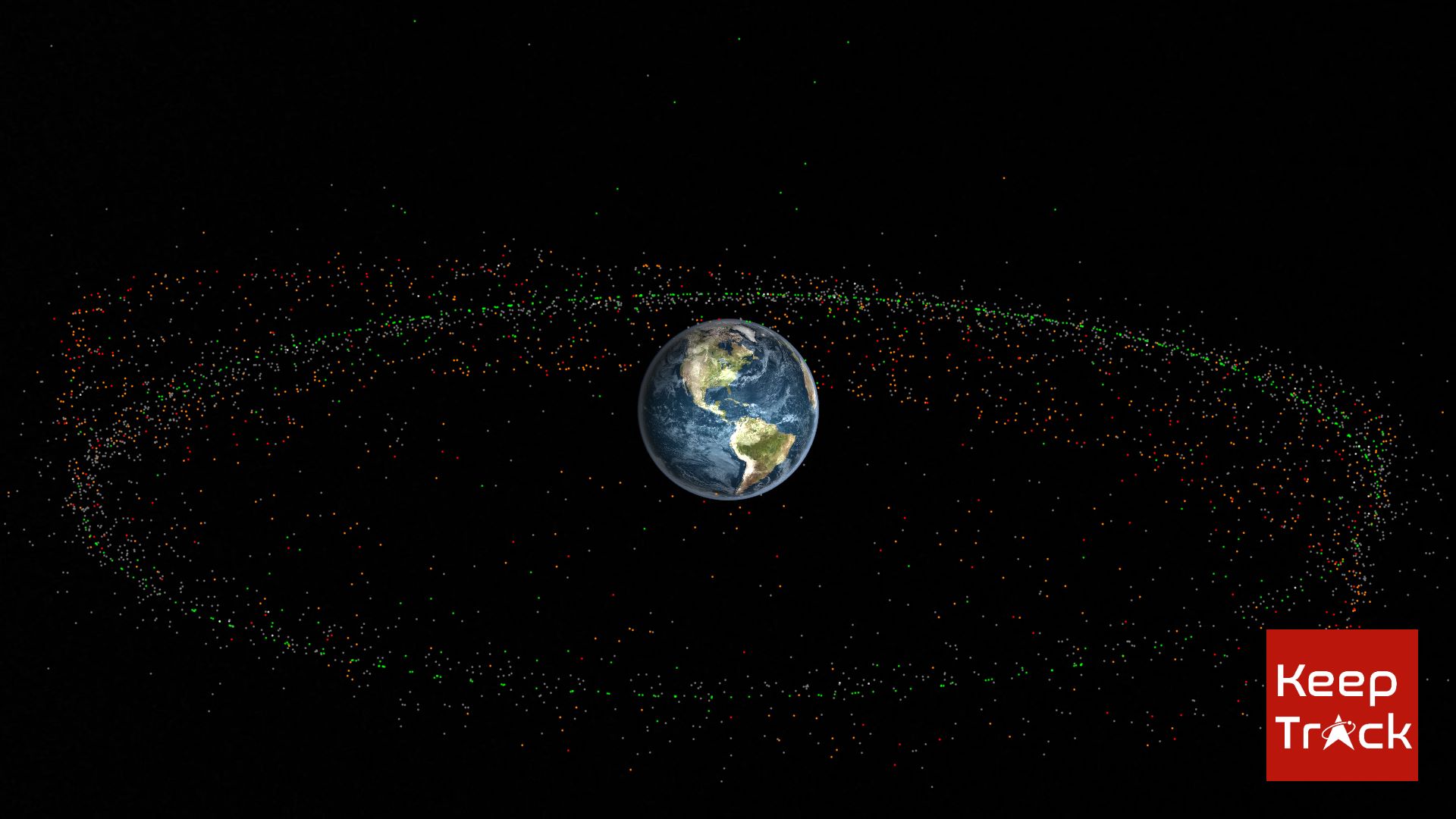
Understanding the unique orbital sweet spot that keeps satellites perfectly positioned above Earth

Today's brief covers a significant hypersonic flight by Stratolaunch, the US Space Force's missile warning upgrades, and major government space investments.

ULA launches the final Atlas 5 551 configuration—its heaviest variant with 5 solid boosters—carrying Amazon's Project Kuiper satellite to low Earth orbit from Cape Canaveral.
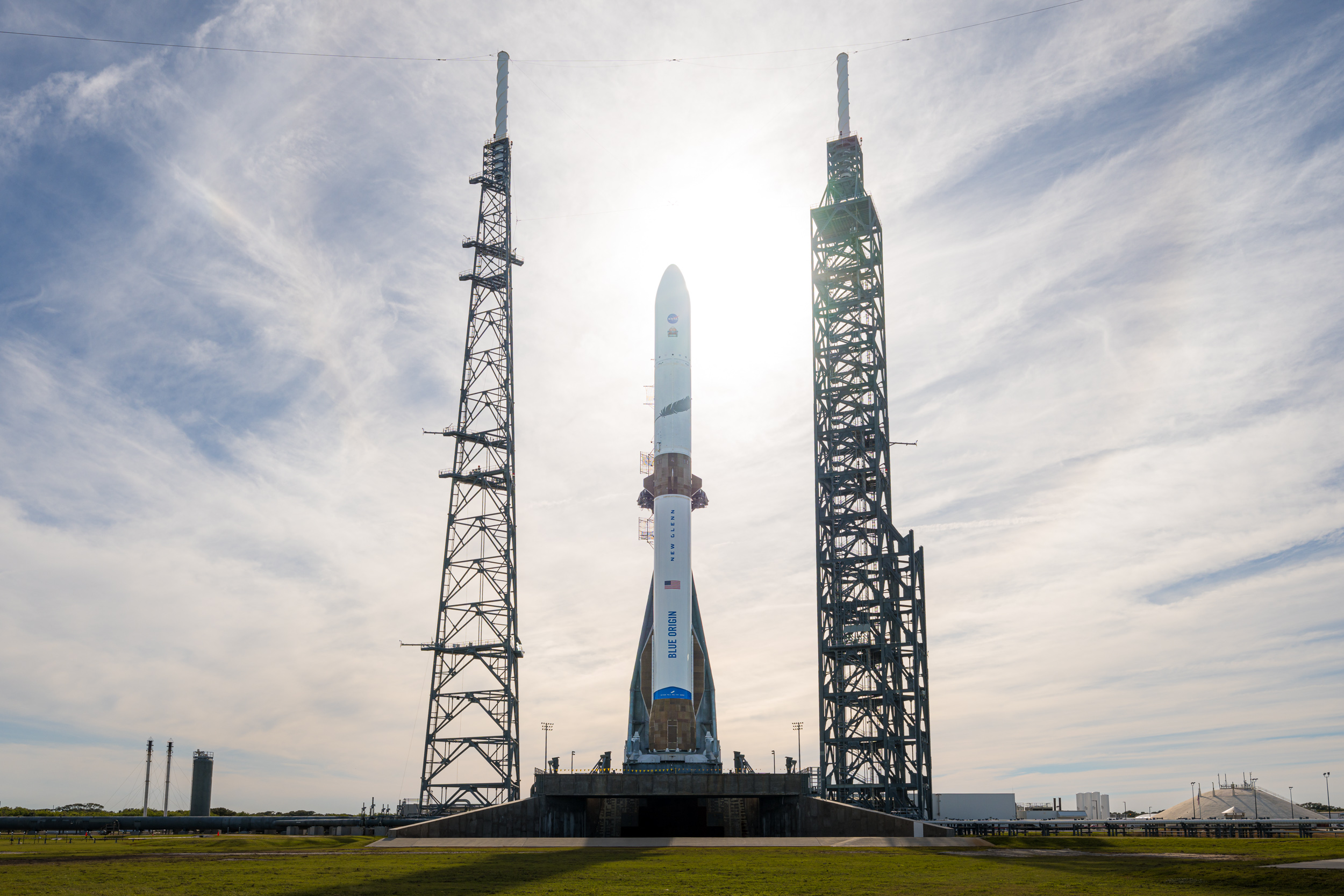
Artemis 2 astronauts completed first crewed lunar flyby since Apollo 17, traveling 690,000 miles aboard Orion. Four crew validated deep-space systems.
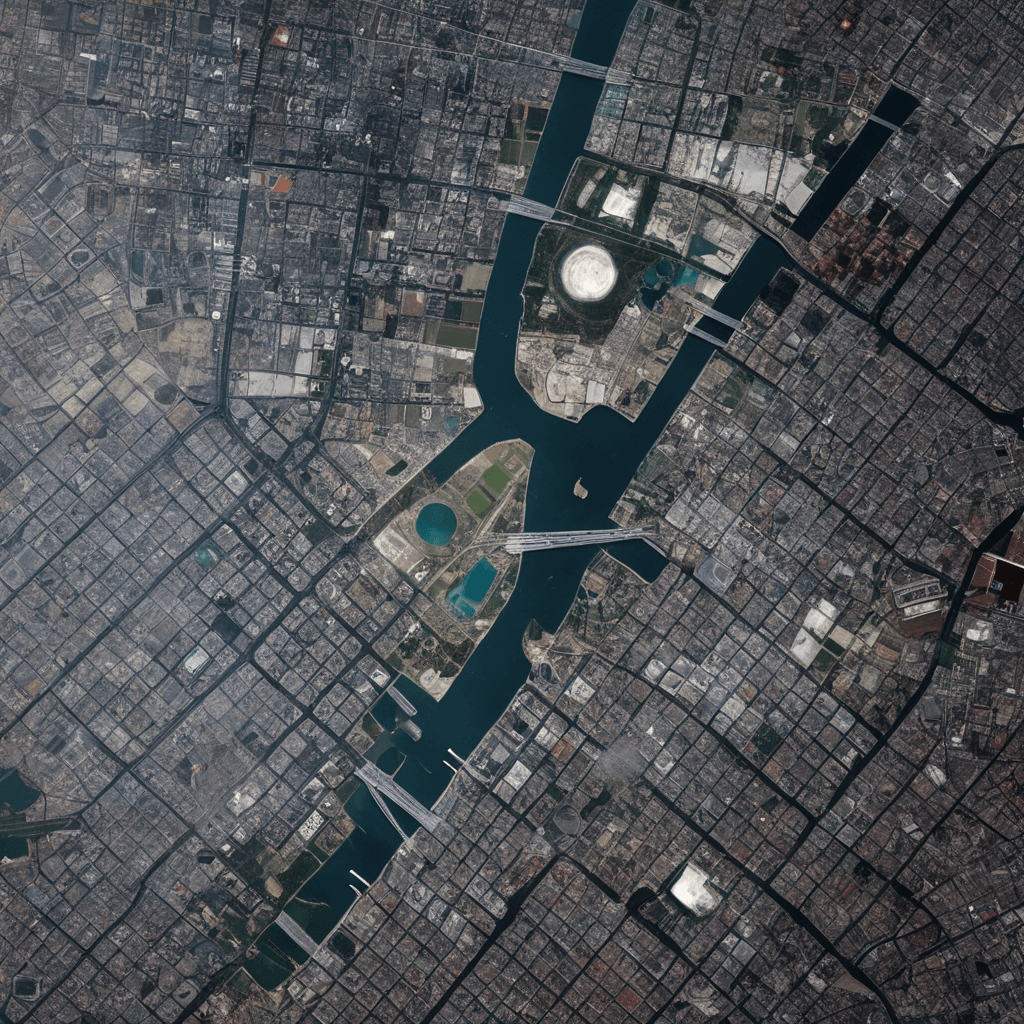
Learn which satellites take photos and why we can't get updates instantly.