


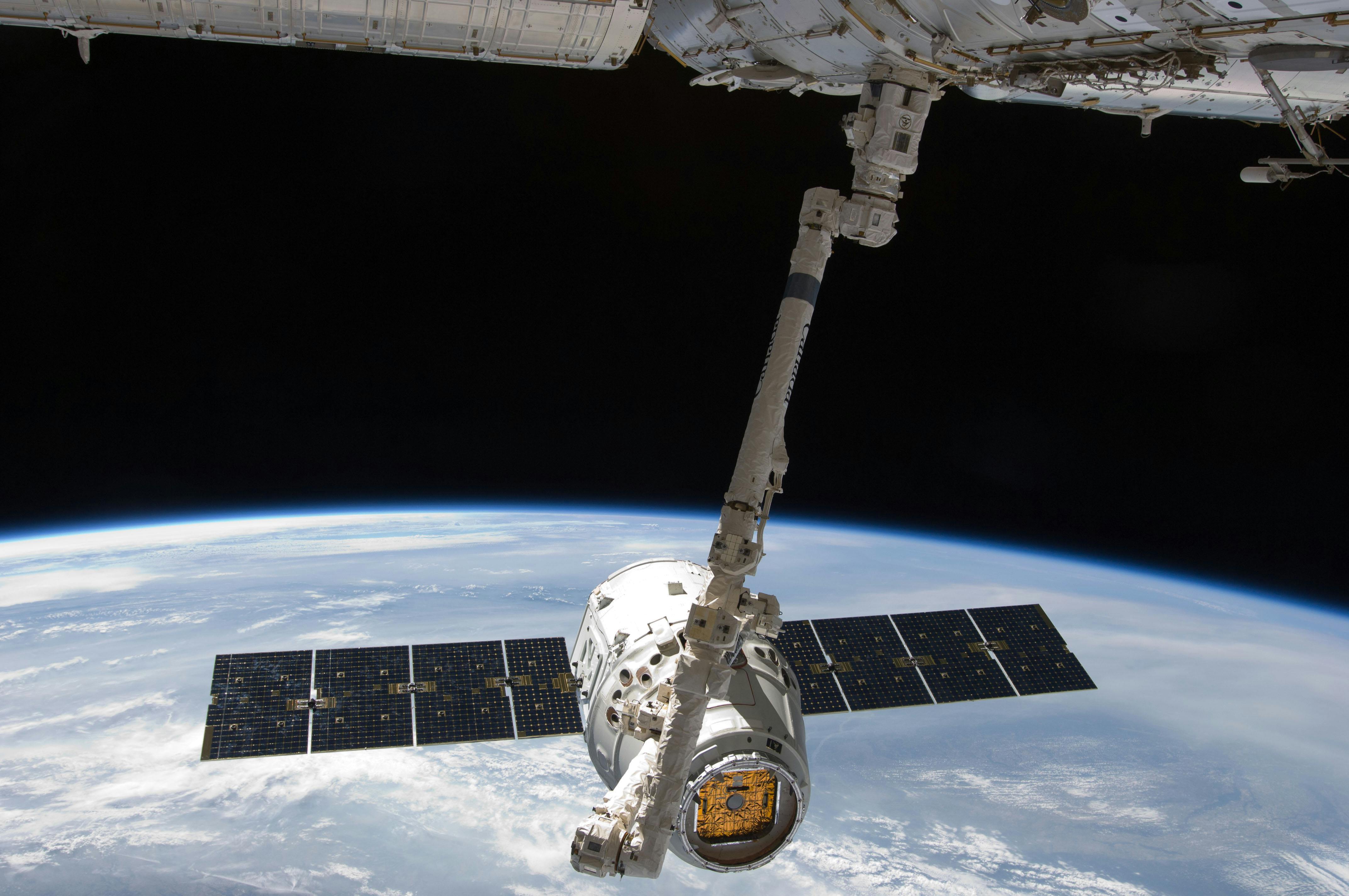
X Report 14 Jun 2025
SpaceX achieves significant milestones with the launch of new Starlink satellites and the production of its 10 millionth Starlink kit amidst ongoing challenges with space station delays.



Launch Date
September 14, 1997
Launch Site
Launch Pad
LC81/23
Launch Vehicle
Proton-K/17S40
NORAD ID
35809
International Designator
1997-051ST
Epoch
Wed, 01 Jul 2026 22:18:25 GMT
Apogee
Calculating...
Perigee
Calculating...
Inclination
86.32°
Right Ascension
243.35°
Eccentricity
Calculating...
Argument of Perigee
259.79°
Period
97.30 min
Mean Motion
14.80 rev/day
Latitude
Calculating...
Longitude
Calculating...
Altitude
Calculating...
Velocity
Calculating...
Name
IRIDIUM 33 DEB
Alternative Name
deb Iridium 33
Type
Status
Owner
IRIDS
Country
United States
Constellation
N/A
Related Satellites
Major Events
N/A
1 35809U 97051ST 26182.92946611 .00009921 00000-0 13074-2 0 9992
2 35809 86.3246 243.3531 0008839 259.7863 100.2362 14.79993096897796
Source: Celestrak
Length
0
Diameter
0
Span
0
Dry Mass
0
Launch Mass
0
Shape
N/A
Radar Cross Section
0.0068
Visual Magnitude
Unknown
Color
Unknown
Material Composition
Unknown
Payload
Unknown
Purpose
Unknown
Mission
Unknown
Manufacturer
Unknown
Life Expectancy
Unknown
Bus
Unknown
Configuration
Unknown
Motor
Unknown
Equipment
Unknown
Power System
Unknown
ADCS
Unknown
Transmitter Frequency
Unknown
Learn more about satellites and other related topics.
SpaceX achieves significant milestones with the launch of new Starlink satellites and the production of its 10 millionth Starlink kit amidst ongoing challenges with space station delays.
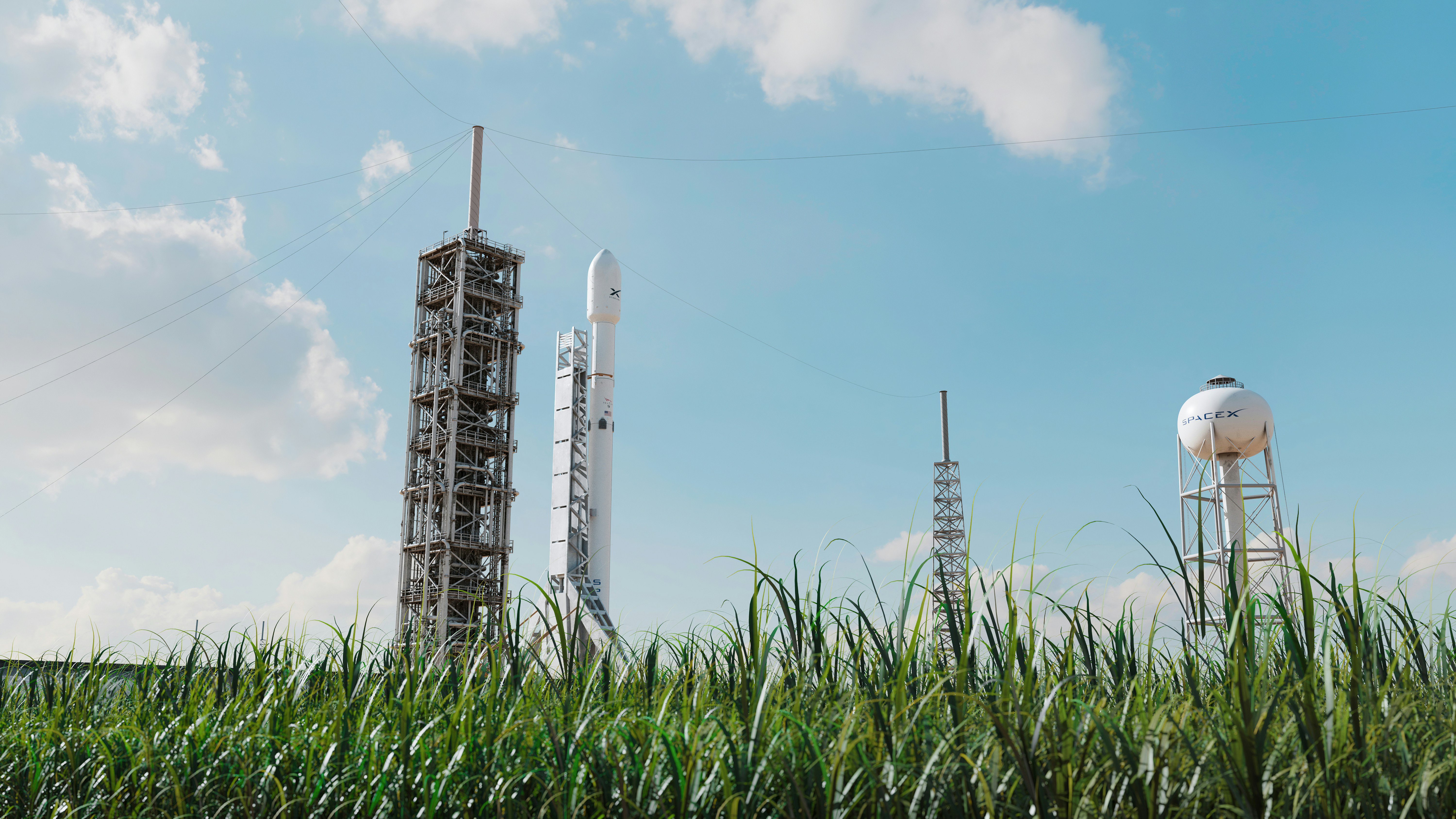
Falcon 9 booster reuse record: SpaceX's most-flown booster flew a 33rd flight Feb 21 with 28 Starlink V2 Minis. Two launches in a day; 9,779 on orbit.
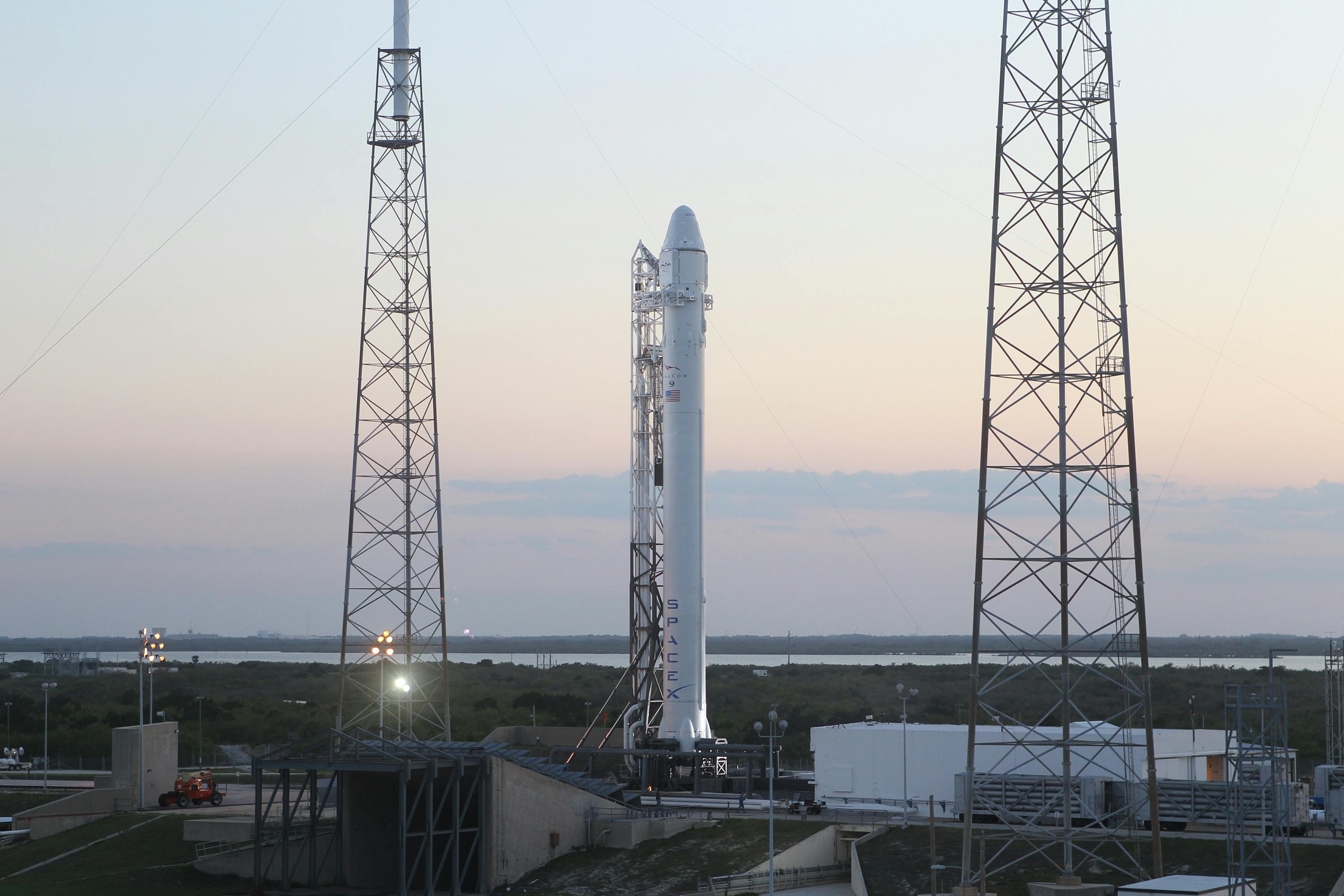
Exciting advancements from SpaceX as Starshield satellites prepare for launch, Starship Flight 7 faces a short delay, and new Starlink satellites enter orbit.

SpaceX marks a significant milestone with its Bandwagon-3 mission, while Ukraine explores Starlink alternatives.
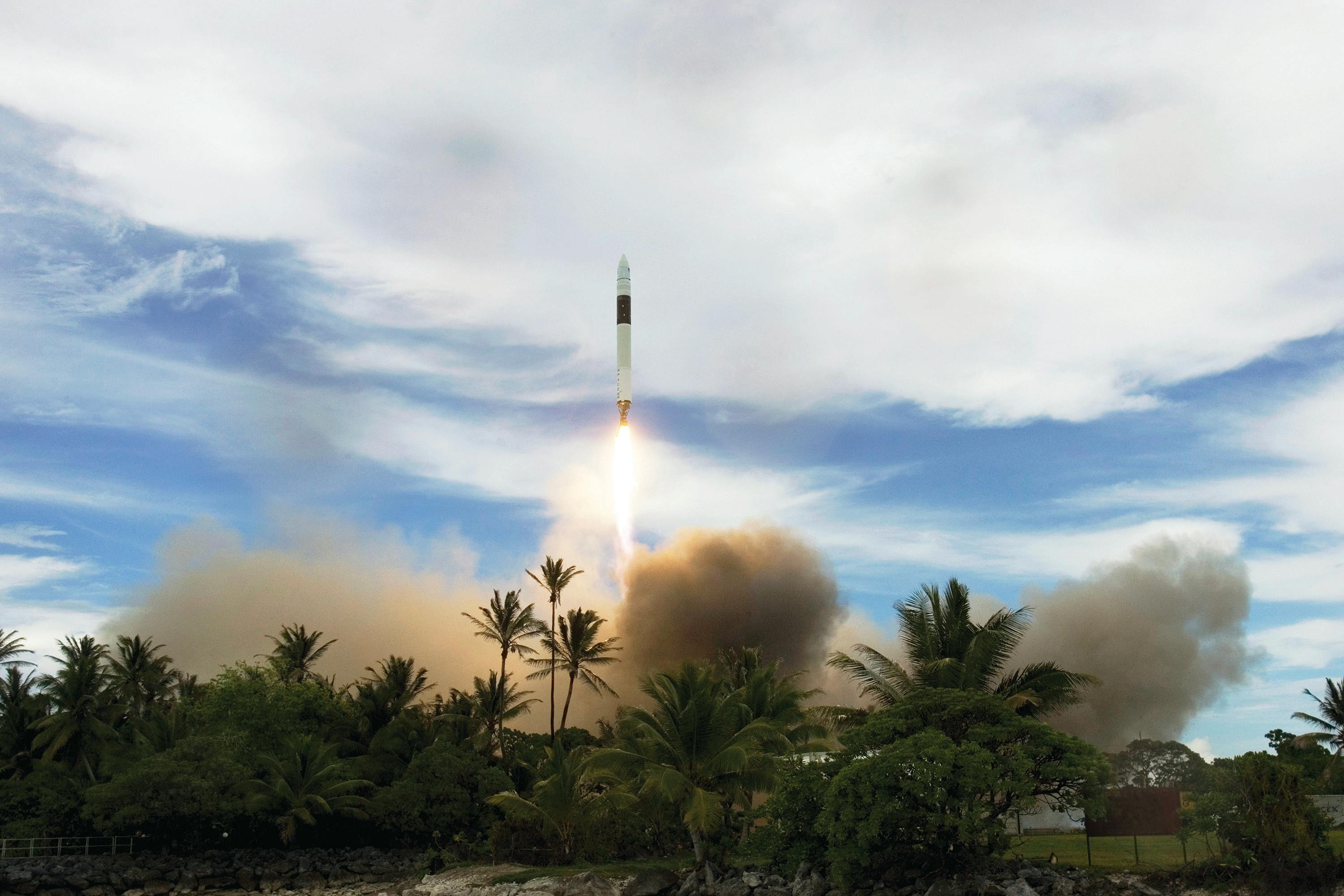
SpaceX prepares for its 560th Falcon 9 launch, aiming to deploy 29 Starlink satellites from Kennedy Space Center, while the Bandwagon-4 mission continues to showcase successful rocket landings.
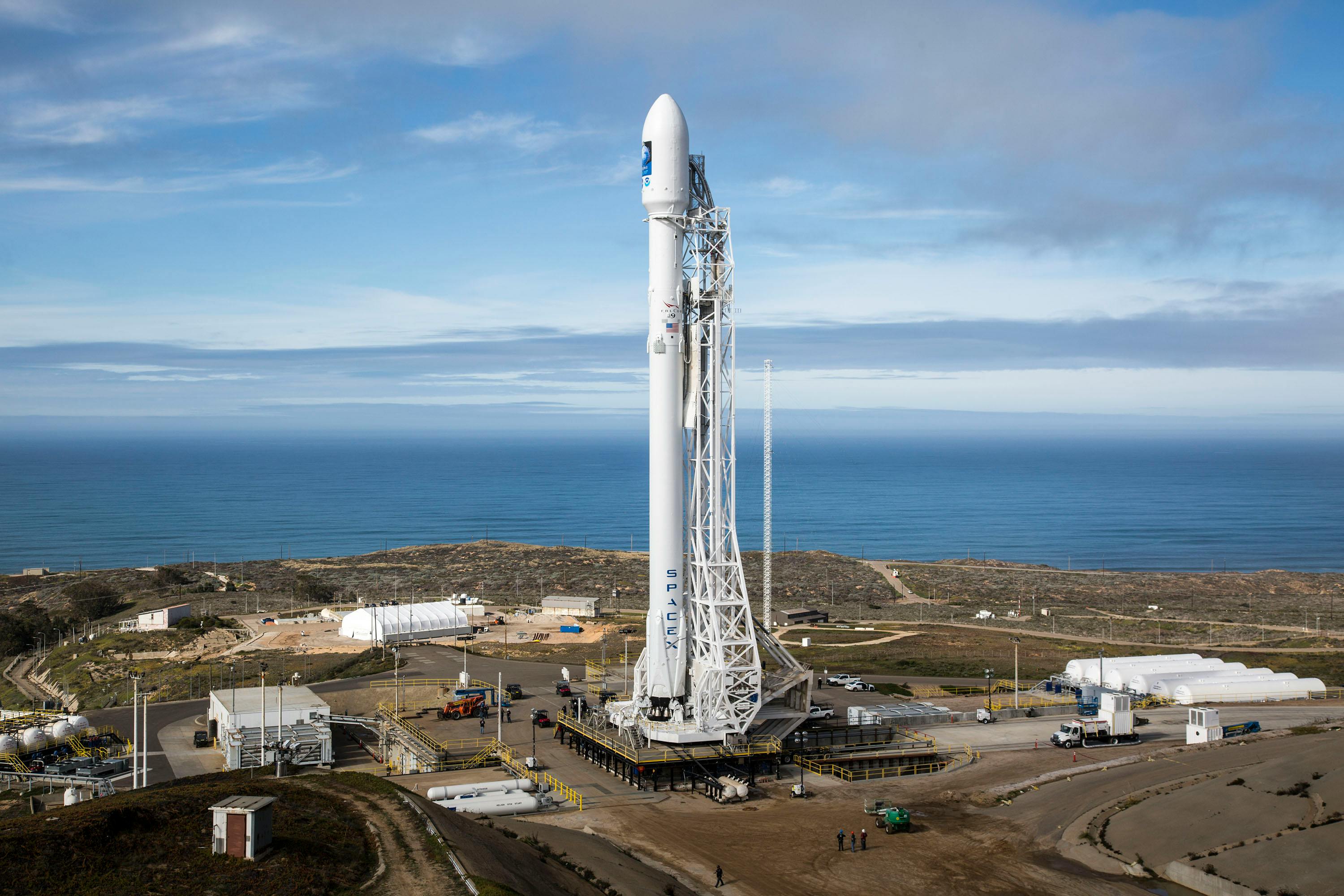
SpaceX successfully launched 23 Starlink satellites, enhancing Direct to Cell capabilities from Florida's Space Coast.
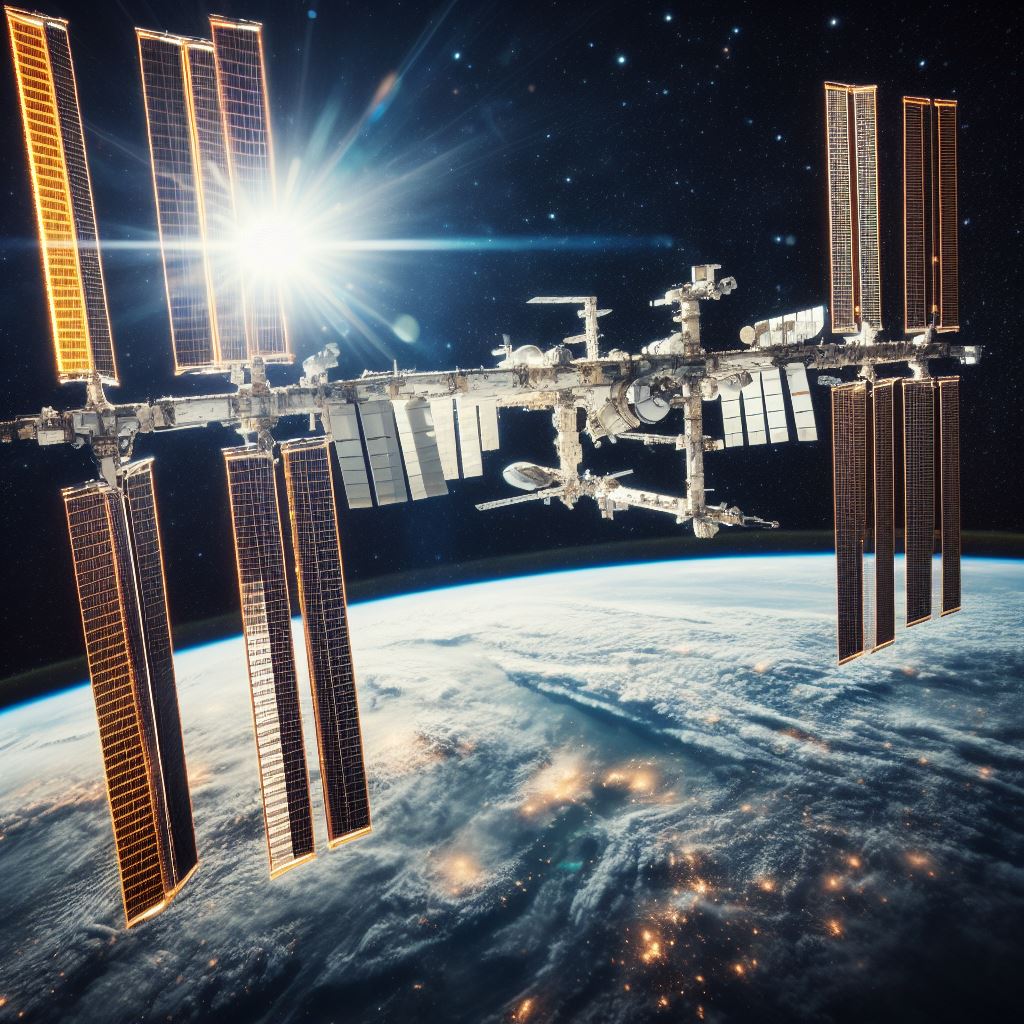
Let's look at the legacy of space exploration with the 10 most iconic satellites still orbiting Earth.
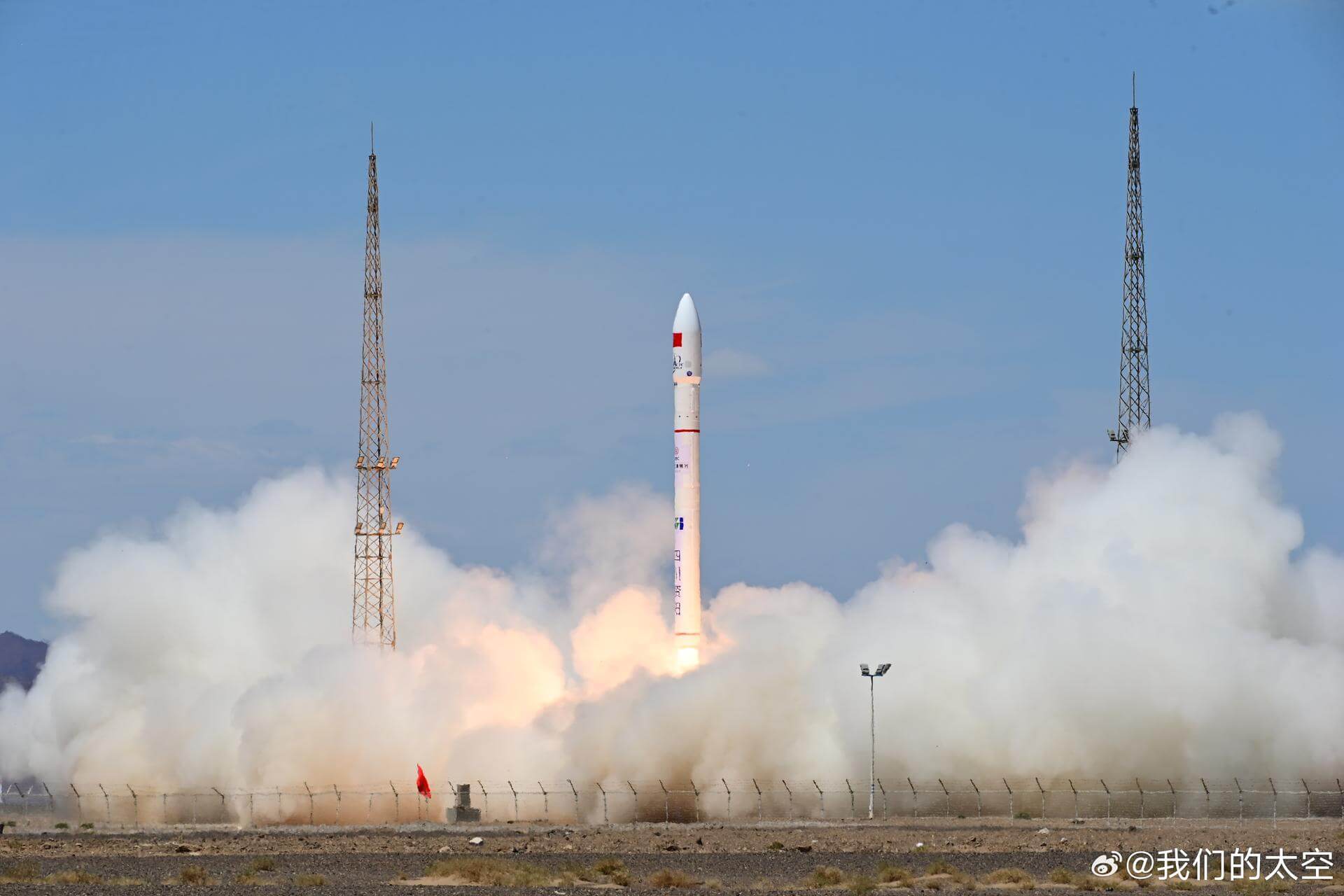
Today's space brief highlights intriguing military satellite developments, new space launch strategies to counteract observation threats, and potential European defense industry advancements.