

X Report 4 Feb 2025
Canada reconsiders Starlink contract amidst US tariff delays, and new concerns arise over falling space debris.



Launch Date
September 14, 1997
Launch Site
Launch Pad
LC81/23
Launch Vehicle
Proton-K/17S40
NORAD ID
35737
International Designator
1997-051RQ
Decay Date
8/18/2023
Name
IRIDIUM 33 DEB
Alternative Name
deb Iridium 33
Type
Status
Owner
IRIDS
Country
United States
Constellation
N/A
Related Satellites
Major Events
N/A
Length
0
Diameter
0
Span
0
Dry Mass
0
Launch Mass
0
Shape
N/A
Radar Cross Section
0.0115
Visual Magnitude
Unknown
Color
Unknown
Material Composition
Unknown
Payload
Unknown
Purpose
Unknown
Mission
Unknown
Manufacturer
Unknown
Life Expectancy
Unknown
Bus
Unknown
Configuration
Unknown
Motor
Unknown
Equipment
Unknown
Power System
Unknown
ADCS
Unknown
Transmitter Frequency
Unknown
Learn more about satellites and other related topics.
Canada reconsiders Starlink contract amidst US tariff delays, and new concerns arise over falling space debris.

SpaceX gears up for an exciting week with multiple launches, including a crewed mission and the rescheduled Starlink delivery. Meanwhile, ULA faces criticism from the Space Force over delays in its Vulcan rocket program.
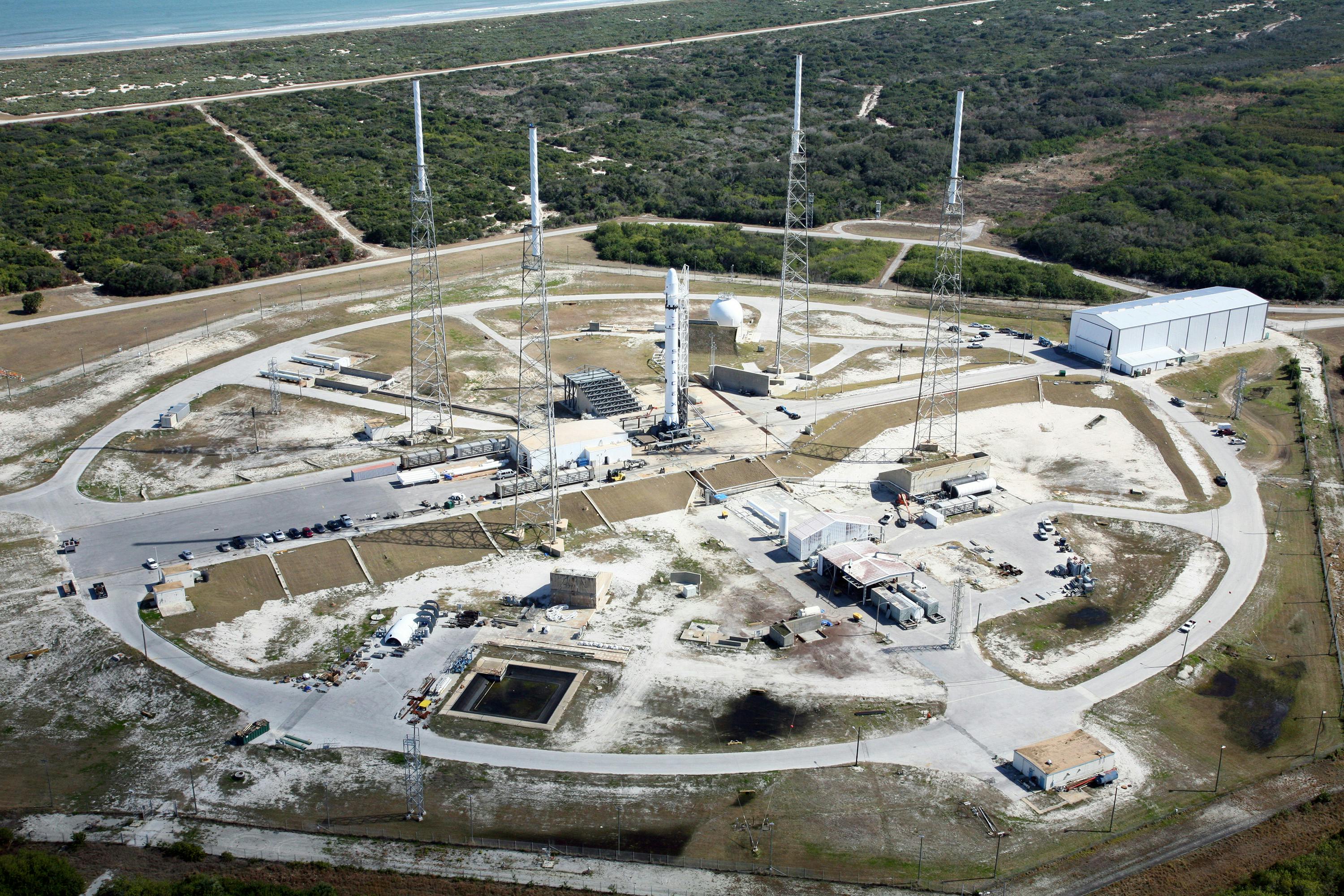
Starship Flight 8 set for launch, new milestones in the defense sector, and launch updates dominate today's news.
Today's highlights include Russia's record-setting satellite launch, insights from NASA's AWE during Hurricane Helene, and confirmation of astronaut Suni Williams' good health aboard the ISS.

SpaceX delays the much-anticipated Falcon Heavy launch of the secretive X-37B military spaceplane, marking a significant moment in space exploration and military technology.

Falcon 9 successfully deployed NROL-72 for National Reconnaissance Office's 13th proliferated architecture mission. Low-Earth orbit intelligence constellation expanding since 2021.

Key updates on strategic military shifts, technological advancements, and a critical replacement mission for Chinese astronauts highlight today's space news.

ESA's Proba-3 spacecraft lost contact last month, grounding the dual-satellite solar eclipse mission. Formation flying between both craft is critical for coronagraph science.