


Space Brief 21 Oct 2024
Today's Space Brief covers SpaceX's recent launch for OneWeb, advances in remote-control robots for lunar missions, the power loss of Intelsat 33e, and developments in inflatable space habitats.



Launch Date
October 19, 1968
Launch Site
Launch Pad
LC90/19
Launch Vehicle
Tsiklon-2A
NORAD ID
03572
International Designator
1968-090C
Decay Date
2/20/1969
Name
COSMOS 248 DEB
Alternative Name
deb Kosmos-248
Type
Status
Owner
PVO
Country
USSR
Constellation
N/A
Related Satellites
Major Events
N/A
Length
0
Diameter
0
Span
0
Dry Mass
0
Launch Mass
0
Shape
N/A
Radar Cross Section
Unknown
Visual Magnitude
Unknown
Color
Unknown
Material Composition
Unknown
Payload
Unknown
Purpose
Unknown
Mission
Unknown
Manufacturer
Unknown
Life Expectancy
Unknown
Bus
Unknown
Configuration
Unknown
Motor
Unknown
Equipment
Unknown
Power System
Unknown
ADCS
Unknown
Transmitter Frequency
Unknown
Learn more about satellites and other related topics.
Today's Space Brief covers SpaceX's recent launch for OneWeb, advances in remote-control robots for lunar missions, the power loss of Intelsat 33e, and developments in inflatable space habitats.
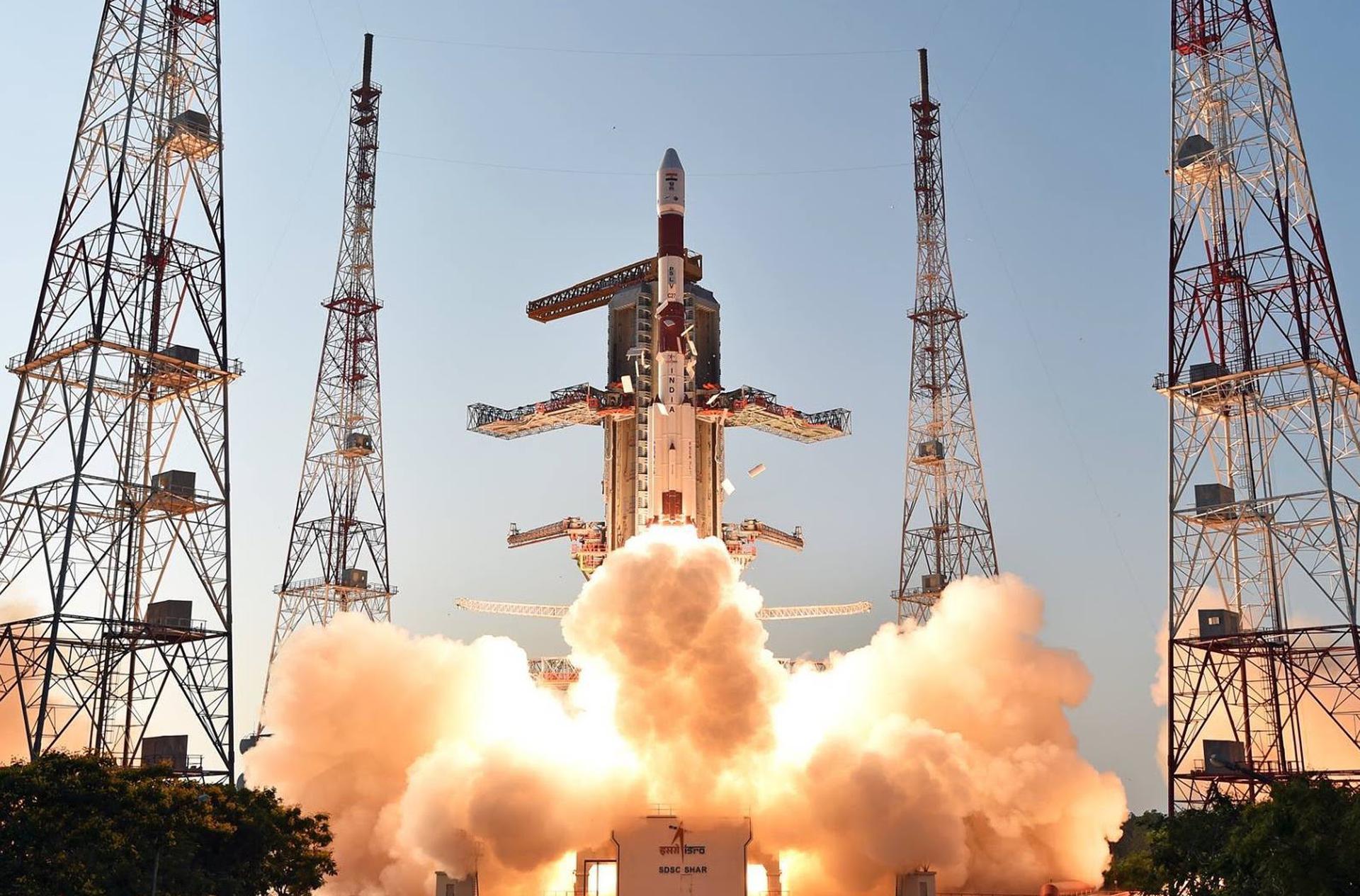
Highlighting ExLabs' Space Force contract, Starlink advances, and developments in orbital communication tech.
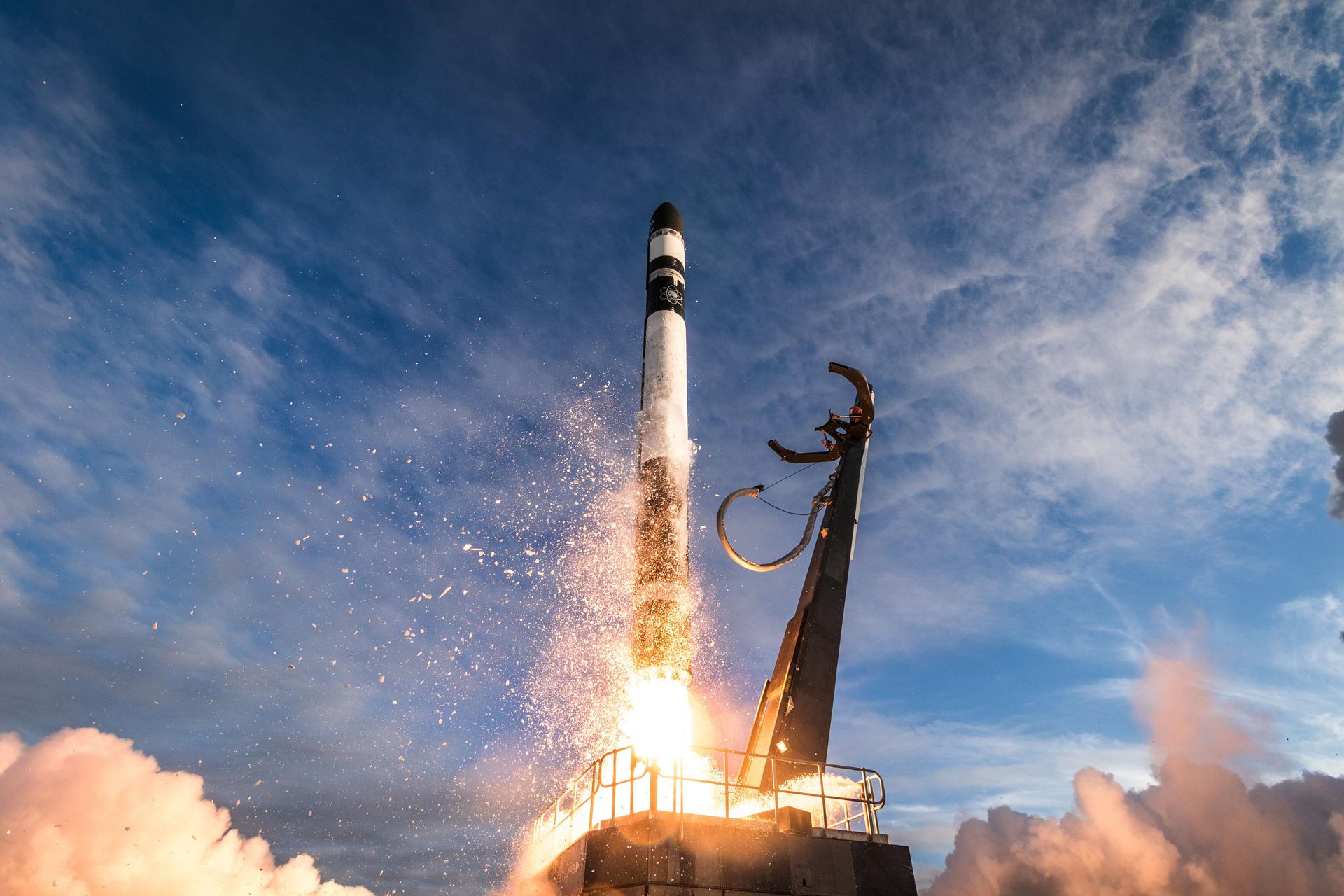
Key highlights on China's reusable rocket developments, U.S. military's Tranche 1 satellite launch, Space Force's weapons acquisition strategies, and more.

Today's Space Brief delves into key military developments in space, including the Space Force's pioneering officer training and innovative small satellite communication strategies.
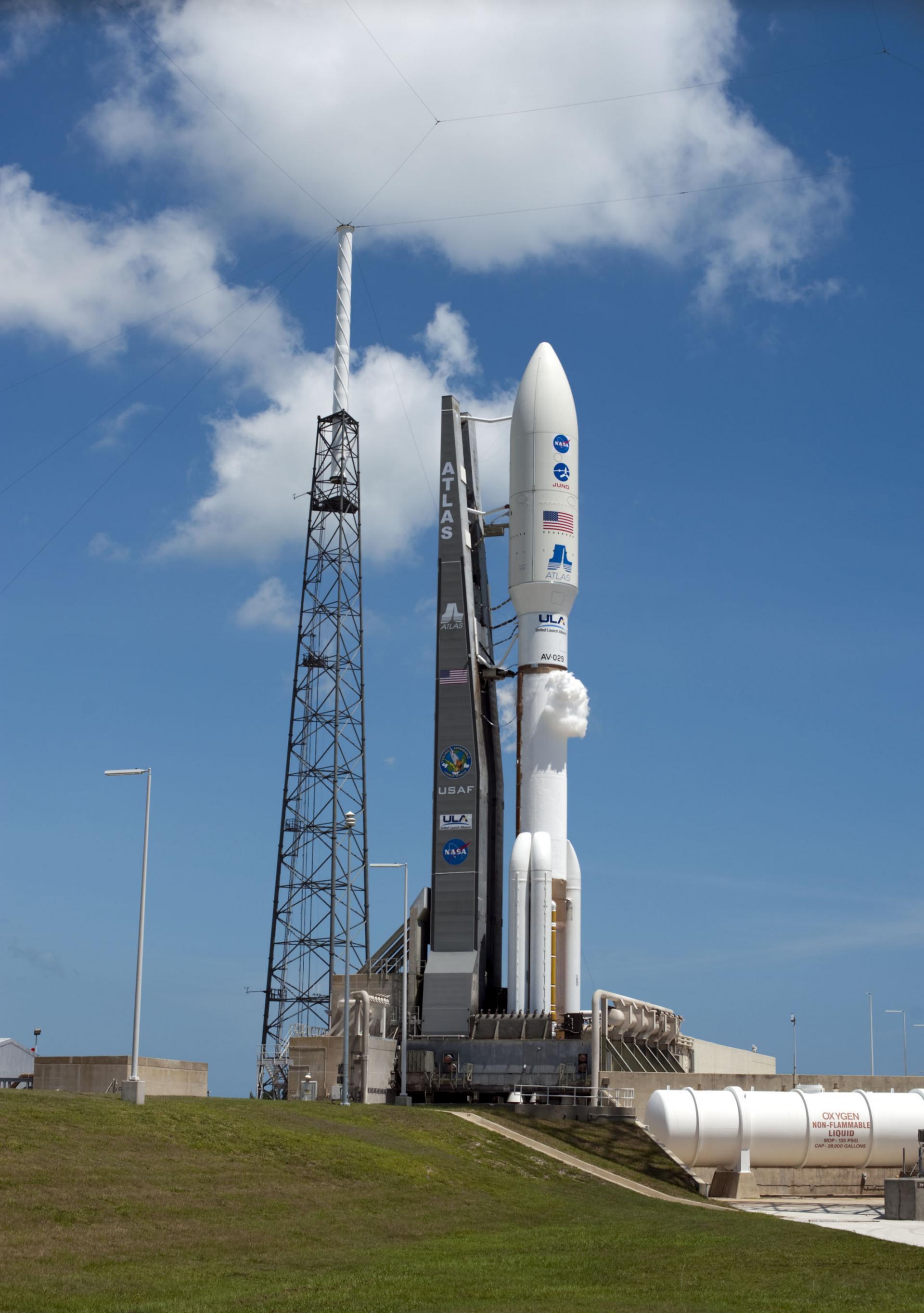
Today's briefing covers a range of critical space industry updates, from Space Force's strategic initiatives to SpaceX's latest launch record and groundbreaking developments in orbital manufacturing.
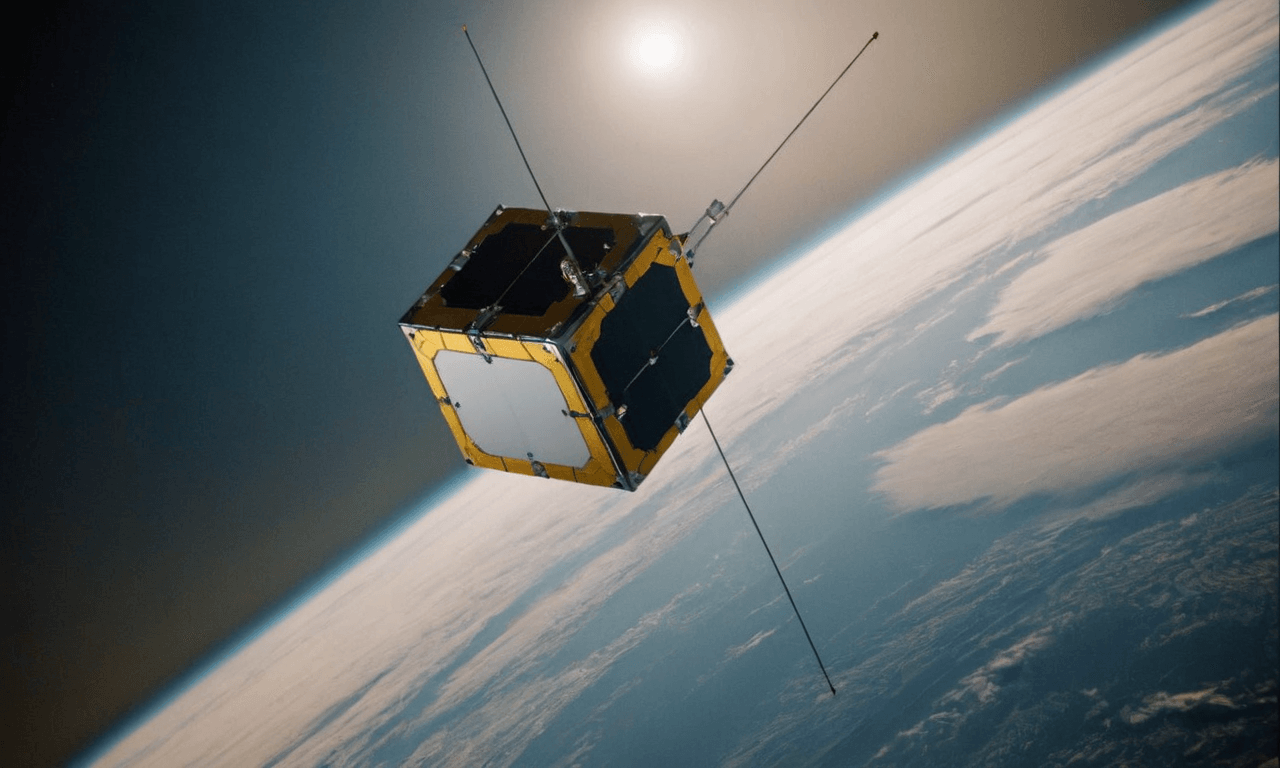
Today's brief covers China's Yaogan-43 satellite launch, delays in ESA's BepiColombo mission, regulatory approval for OHB's KKR deal, and an upcoming Sentinel-2C launch.
Hypersonica completes Mach 6+ hypersonic missile flight test in Norway covering 300+ km. Pentagon seeks commercial GEO spy satellites. Gilat wins $9M Israeli defense satcom deal.
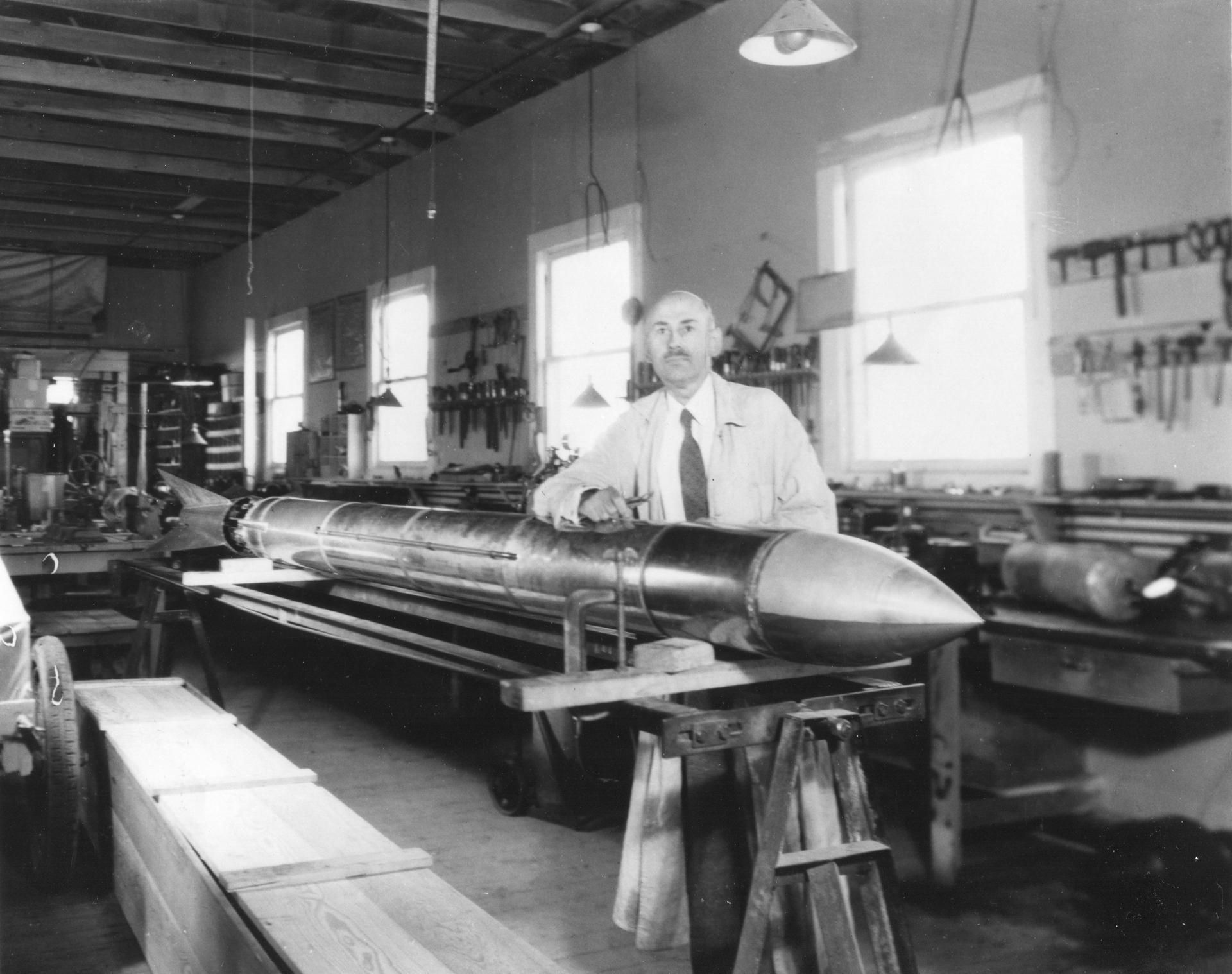
On February 2, 1909, Robert Goddard made a revolutionary breakthrough in his notebook: liquid oxygen and liquid hydrogen could achieve 50% efficiency in converting heat energy to kinetic energy for rocket propulsion