

Space Brief 8 Feb 2025
Stay updated on key orbital events including Rocket Lab's upcoming launch, significant legislative moves in space traffic management, and changes in defense policies impacting space operations.


![ANDE DEB [CASTOR CYL] Satellite Image](/images/sat/deb1.jpg)
Launch Date
July 15, 2009
Launch Site
Launch Pad
LC39A
Launch Vehicle
Space Shuttle
NORAD ID
35692
International Designator
2009-038D
Decay Date
11/21/2009
Name
ANDE DEB [CASTOR CYL]
Alternative Name
ICU Cylinder 1
Type
Status
Owner
STP/NRL
Country
United States
Constellation
N/A
Related Satellites
Major Events
N/A
Length
0.5
Diameter
0.5
Span
0.5
Dry Mass
15
Launch Mass
15
Shape
Cyl
Radar Cross Section
0.3638
Visual Magnitude
Unknown
Color
Unknown
Material Composition
Unknown
Payload
Unknown
Purpose
Unknown
Mission
Unknown
Manufacturer
MEIT
Life Expectancy
Unknown
Bus
Unknown
Configuration
Unknown
Motor
Unknown
Equipment
Unknown
Power System
Unknown
ADCS
Unknown
Transmitter Frequency
Unknown
Learn more about satellites and other related topics.
Stay updated on key orbital events including Rocket Lab's upcoming launch, significant legislative moves in space traffic management, and changes in defense policies impacting space operations.
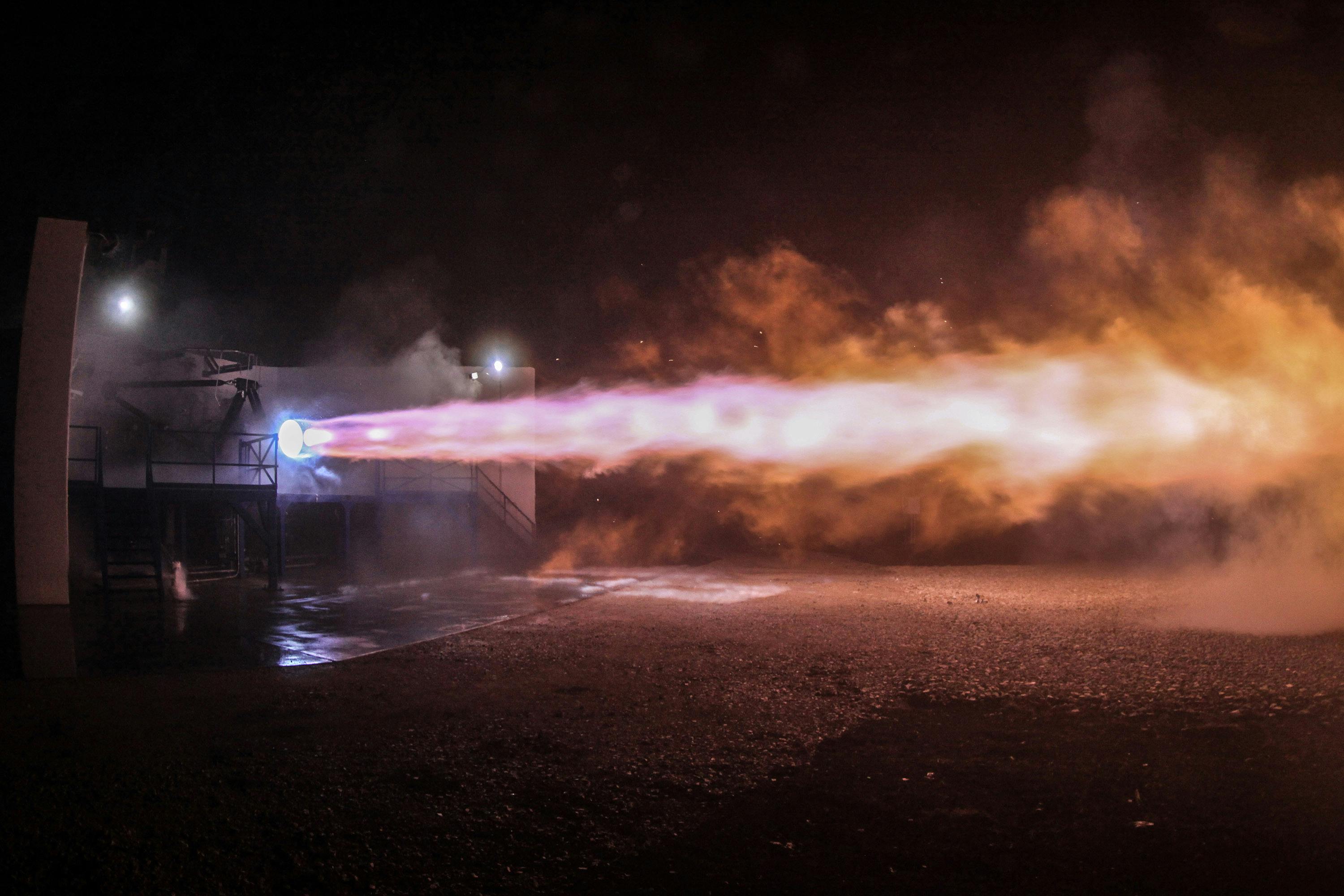
SpaceX has seen a flurry of activity with successful launches, static-fire tests for Starship, and ongoing preparations for future objectives, marking an exciting time for the aerospace company.
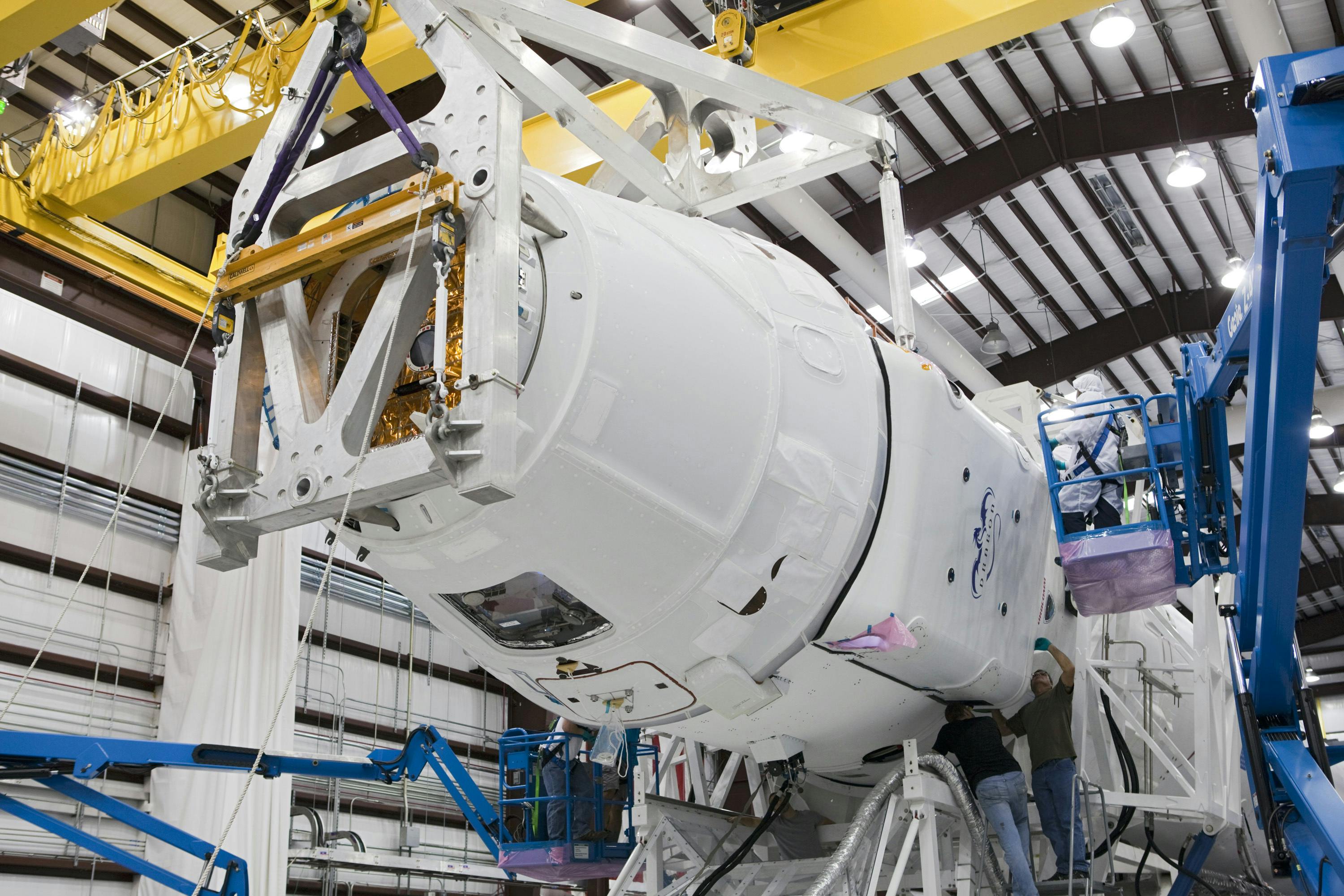
SpaceX secures a significant military contract while successfully launching multiple batches of Starlink satellites. Furthermore, milestones aboard the ISS highlight ongoing space missions.

SpaceX's historic Falcon 9 flight launches 21 Starlink satellites, opening new milestones in space travel. Meanwhile, K2 Space achieves a funding breakthrough, and the first astronaut with a disability is set for a mission to the ISS.

SpaceX completed a successful Bandwagon rideshare mission, launching a private space station pathfinder along with multiple satellites, marking another significant milestone in 2025's launch schedule.
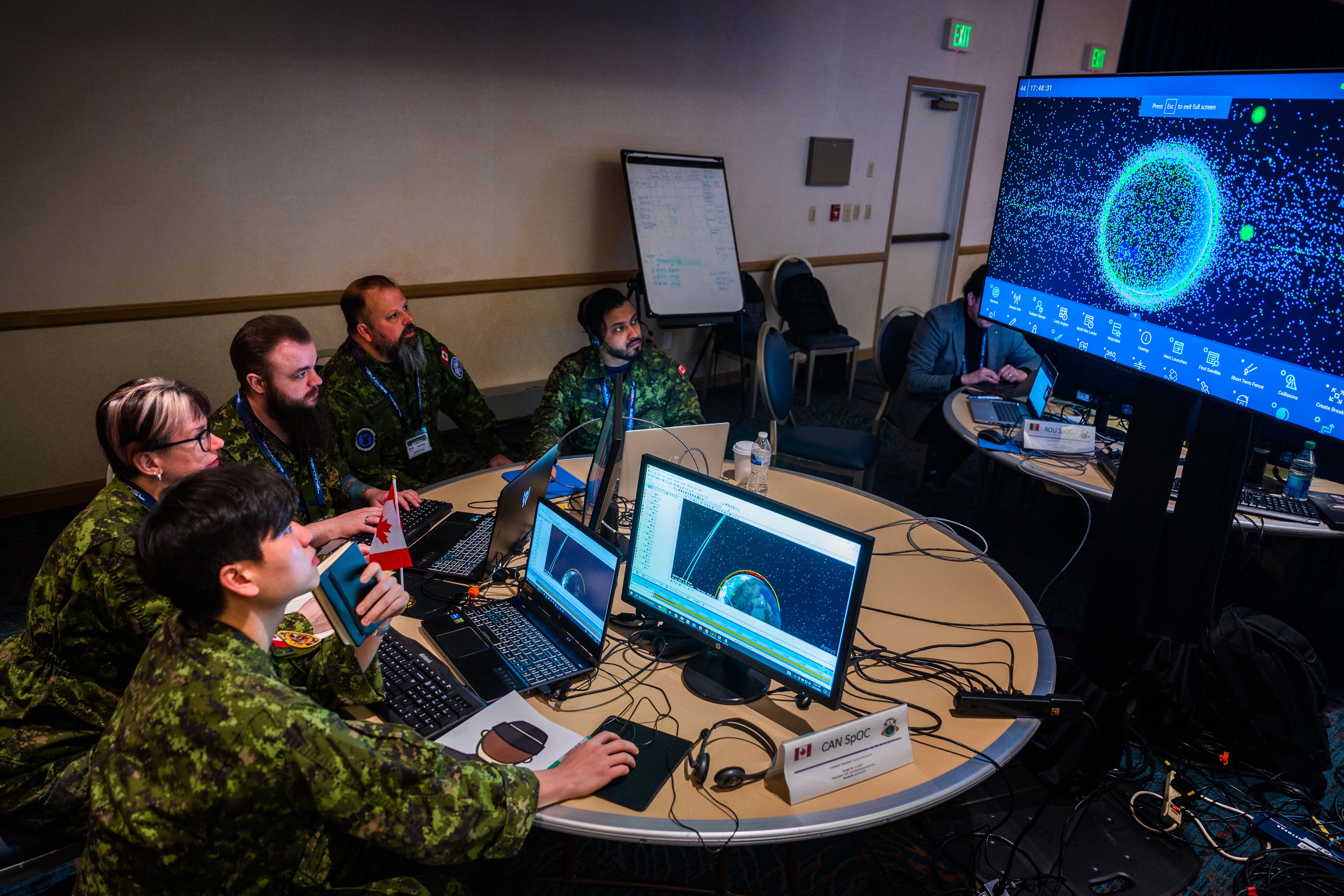
Space Force shares classified tracking data with commercial firms. Falcon 9 reentry linked to upper-atmosphere lithium plume. SpaceX launches 54 Starlink sats in one day.
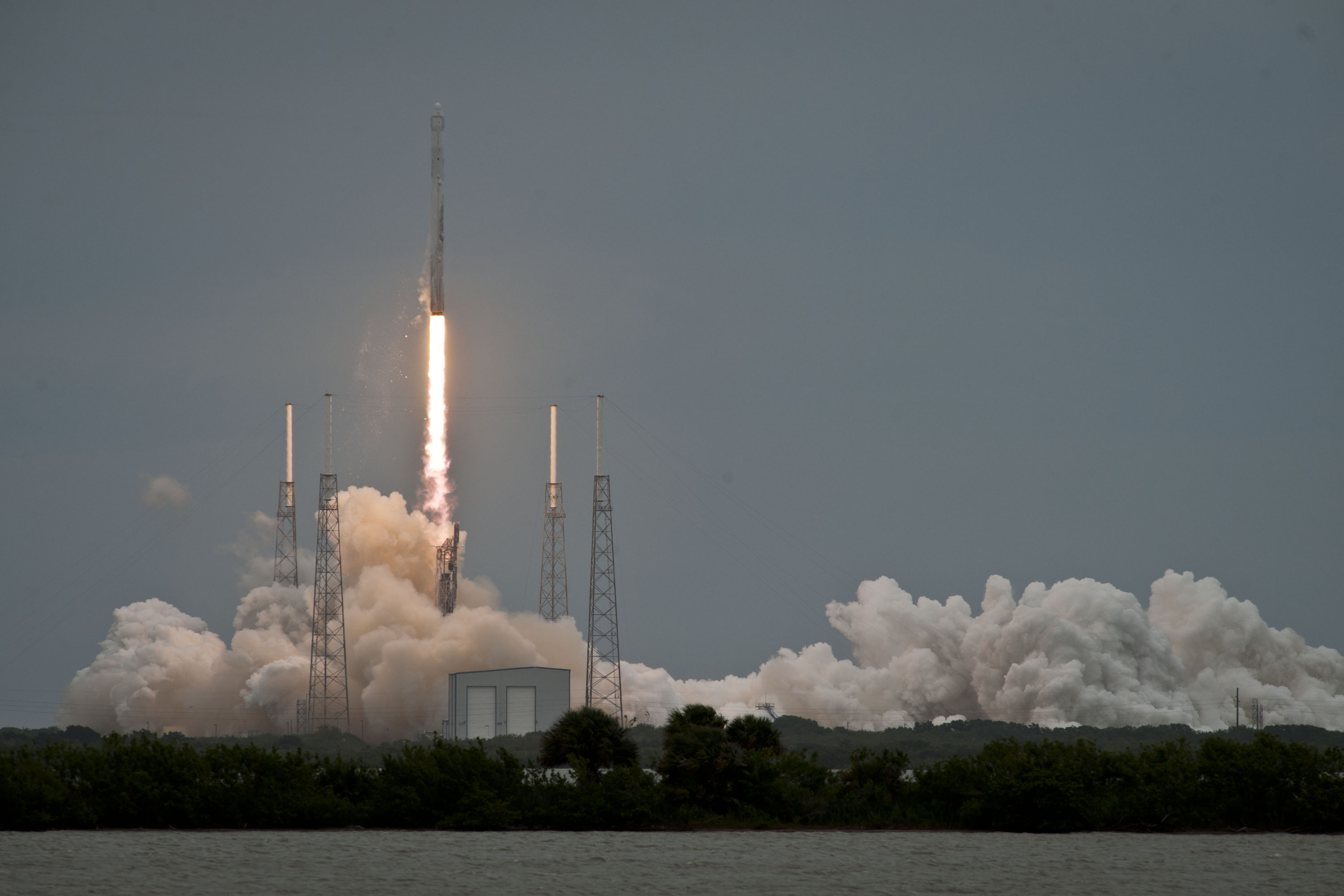
On April 18, 2014, a Falcon 9 first stage did something no orbital rocket had ever done before. It fired its engines on the way down, steered itself through the atmosphere using grid fins that did not yet exist, and touched the Atlantic Ocean softly enough to survive the impact. Nobody recovered it. The data was the whole point.
China's Tiangong space station completes crew rotation, Rocket Lab prepares for confidential launch, and Japan successfully launches military satellite with its H3 rocket.