


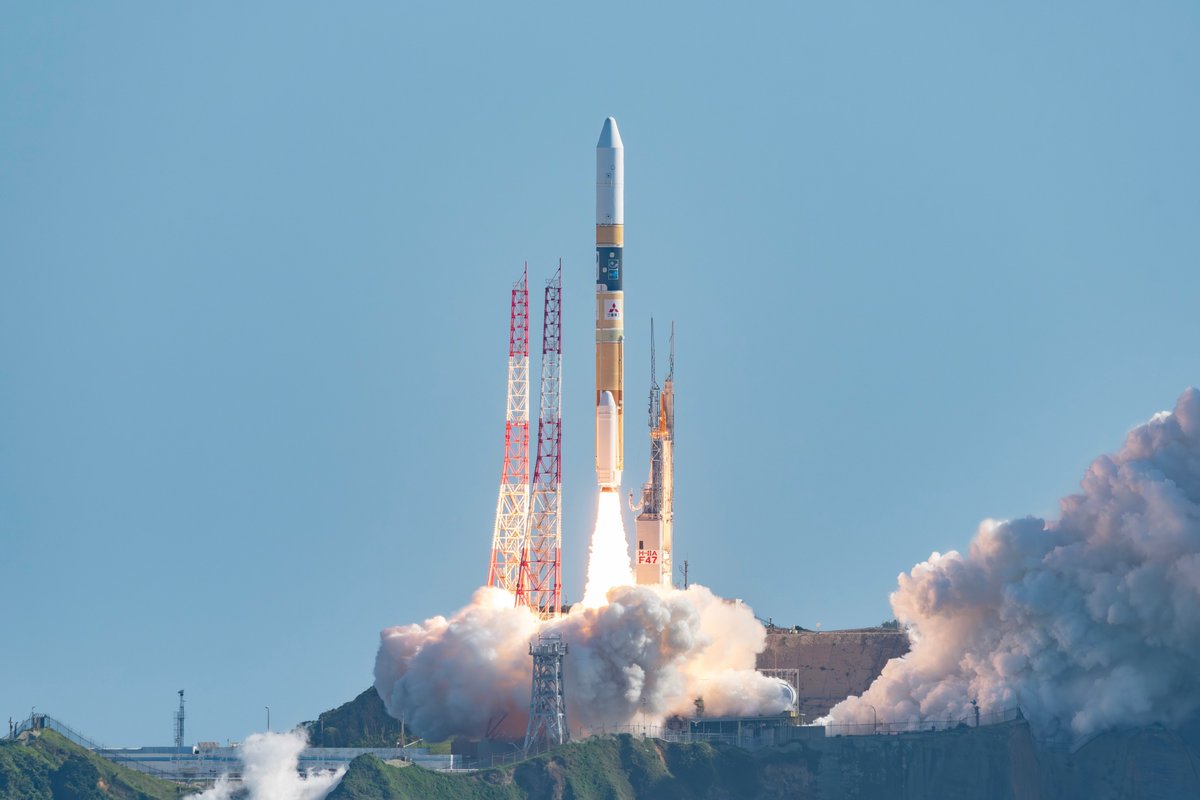
Space Brief 16 Jun 2025
Today's update covers NASA's Ax-4 mission preparations, ESA's satellite imaging program, Ursa Major's military contract, and China's expanding nuclear arsenal.


Launch Date
July 29, 2009
Launch Site
Launch Pad
LC109/95
Launch Vehicle
Dnepr
NORAD ID
35681
International Designator
2009-041A
Epoch
Sat, 04 Jul 2026 06:41:17 GMT
Apogee
Calculating...
Perigee
Calculating...
Inclination
97.74°
Right Ascension
341.77°
Eccentricity
Calculating...
Argument of Perigee
107.80°
Period
97.61 min
Mean Motion
14.75 rev/day
Latitude
Calculating...
Longitude
Calculating...
Altitude
Calculating...
Velocity
Calculating...
Name
DEIMOS-1
Alternative Name
Deimos-1
Type
Status
Owner
DEIMOS
Country
Spain
Constellation
N/A
Related Satellites
Major Events
N/A
1 35681U 09041A 26185.27868041 .00000802 00000-0 12564-3 0 9996
2 35681 97.7425 341.7665 0002521 107.8014 252.3471 14.75255973909406
Source: Celestrak
Length
1
Diameter
1
Span
1
Dry Mass
90
Launch Mass
90
Shape
Hex Cyl
Radar Cross Section
0.226
Visual Magnitude
Unknown
Color
Unknown
Material Composition
Unknown
Payload
Deimos-1 DMC
Purpose
Earth Observation
Mission
Earth Observation
Manufacturer
SSTLA
Life Expectancy
5 years (design)
Bus
SSTL-100
Configuration
Microsat-100
Motor
Unknown
Equipment
22-meter resolution imager in 3 spectral bands
Power System
Solar cells, batteries
ADCS
Unknown
Transmitter Frequency
Unknown
Learn more about satellites and other related topics.
Today's update covers NASA's Ax-4 mission preparations, ESA's satellite imaging program, Ursa Major's military contract, and China's expanding nuclear arsenal.
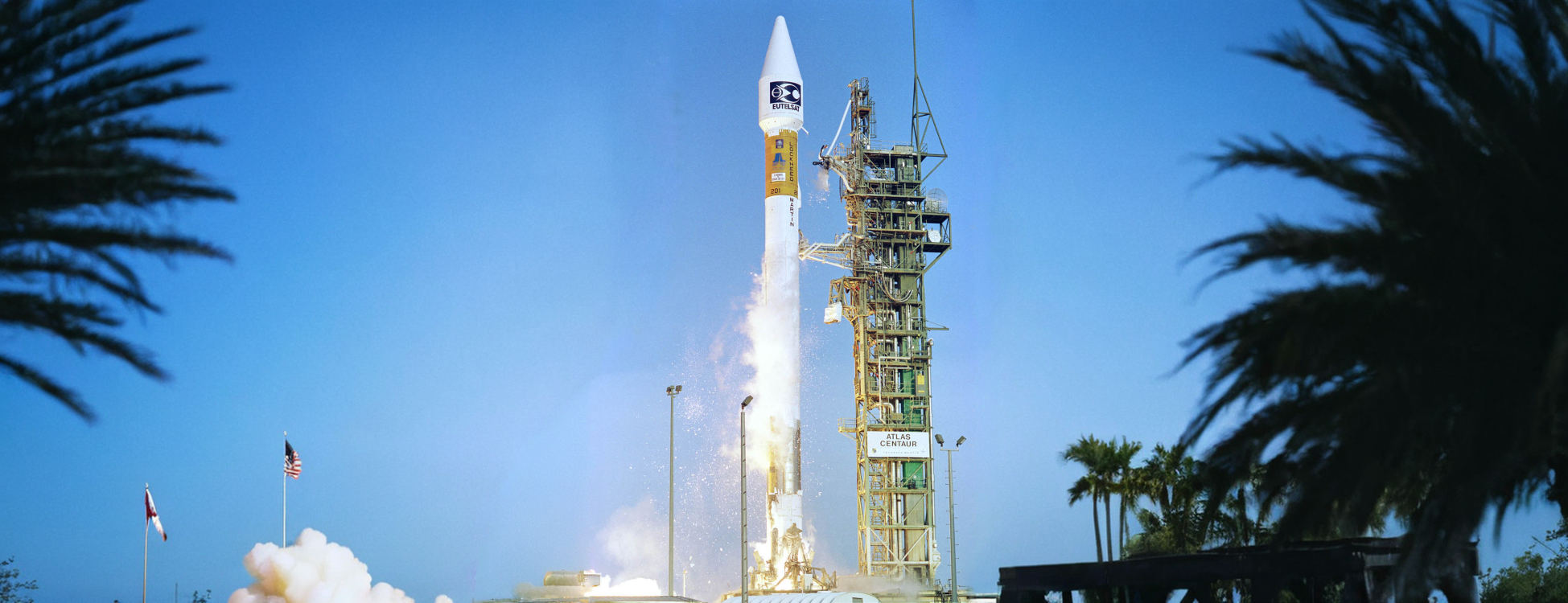
Twenty years ago, an Atlas rocket carrying a classified payload lifted off from Cape Canaveral, marking the end of a revolutionary spacecraft design that helped launch America into the Space Age

We forecast how many satellites could be in orbit by 2030 and what capabilities we can expect.
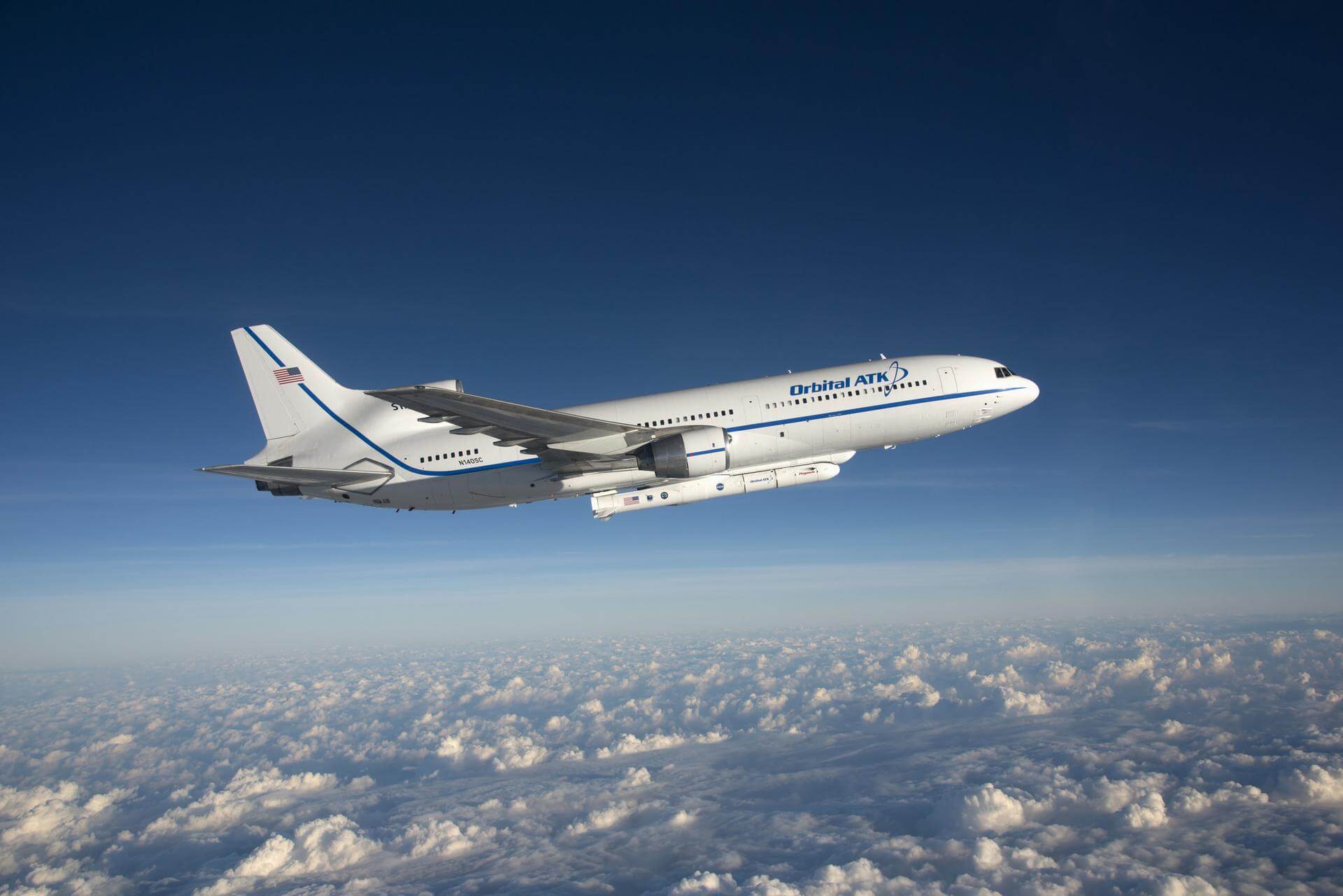
ULA launched Atlas 5 551 configuration for final time on July 1, deploying Amazon Kuiper broadband satellites. New Glenn pad rebuild underway at LC-36 after May explosion.
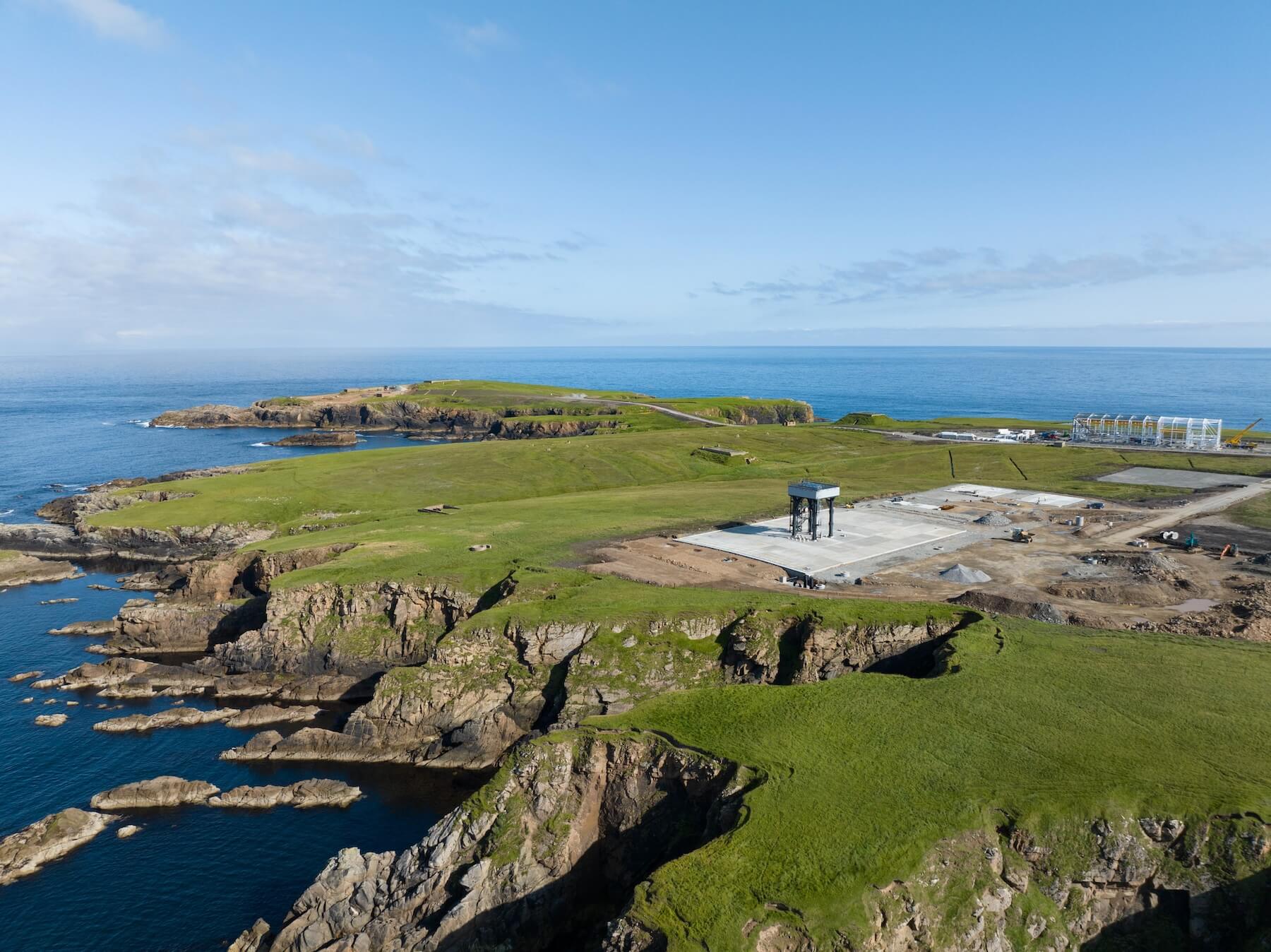
The UK's orbital ambitions rest on a remote Shetland island. How SaxaVord became Europe's first fully licensed vertical launch spaceport - and why, despite being ready for years, it's still waiting for a rocket that works.
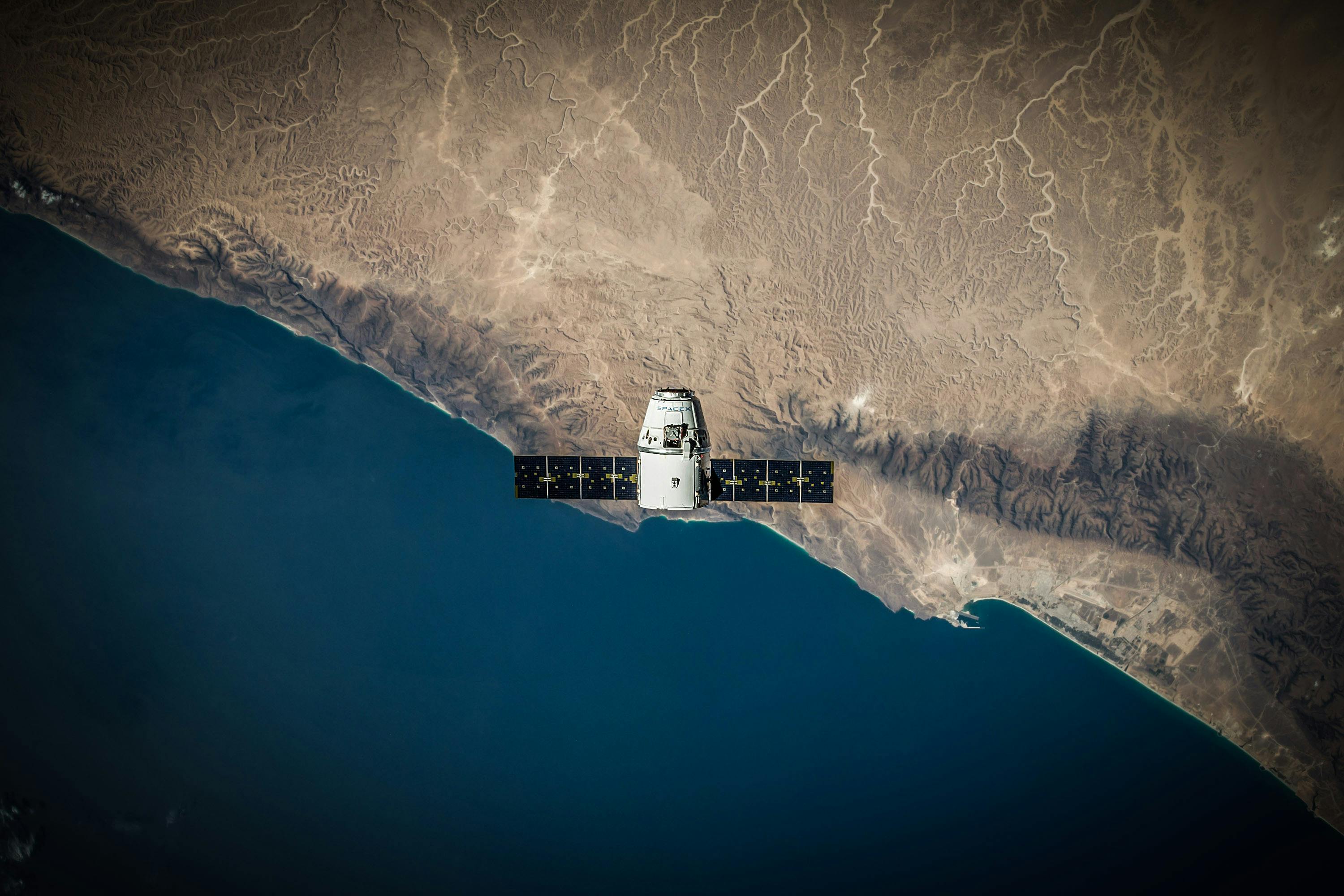
SpaceX ramps up Raptor 3 testing and the launch landscape heats up with Vulcan and Ariane set to lift off before Starlink missions.
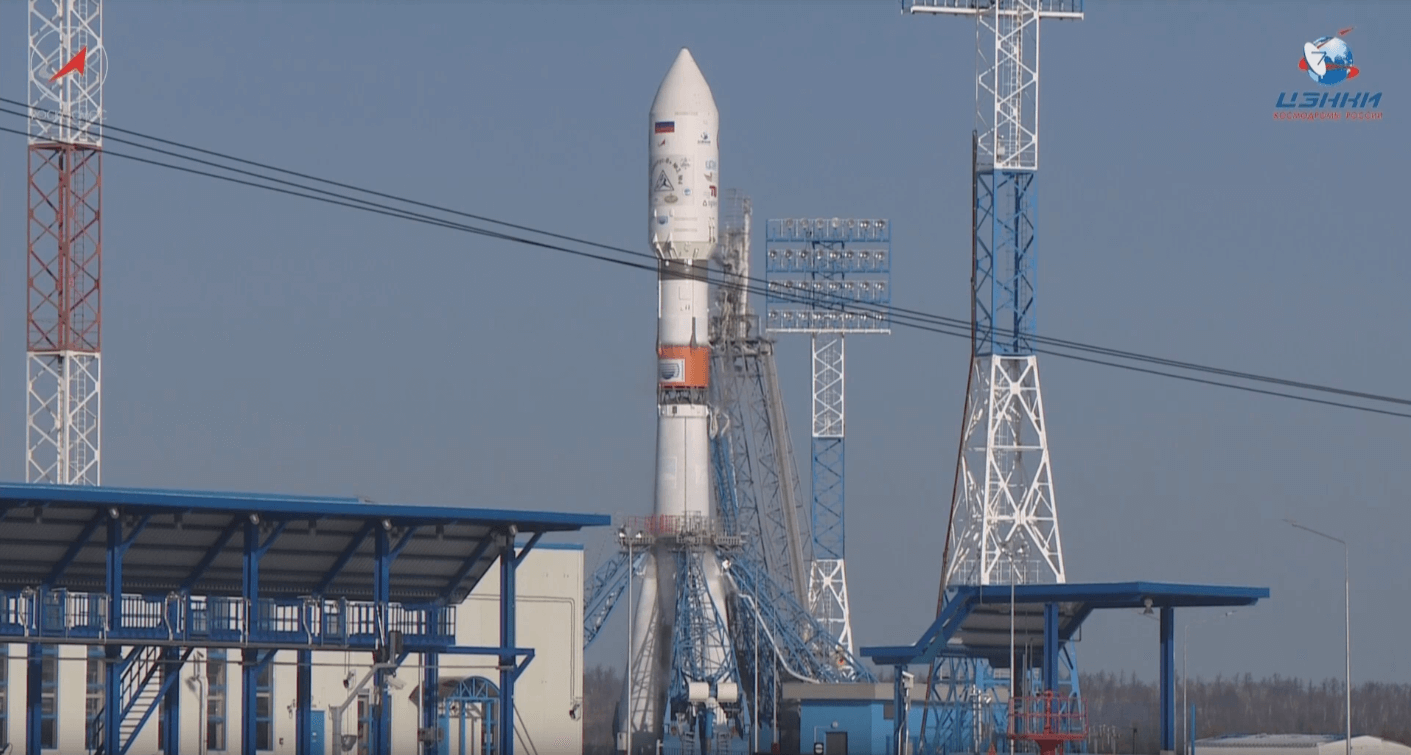
Today's brief highlights a Starlink satellite launch, an OpTech optical sensor contract for the Space Force, and a unique STEM experiment involving space-flown seeds.

Why this unassuming website has become the backbone of space research for enthusiasts and professionals alike