


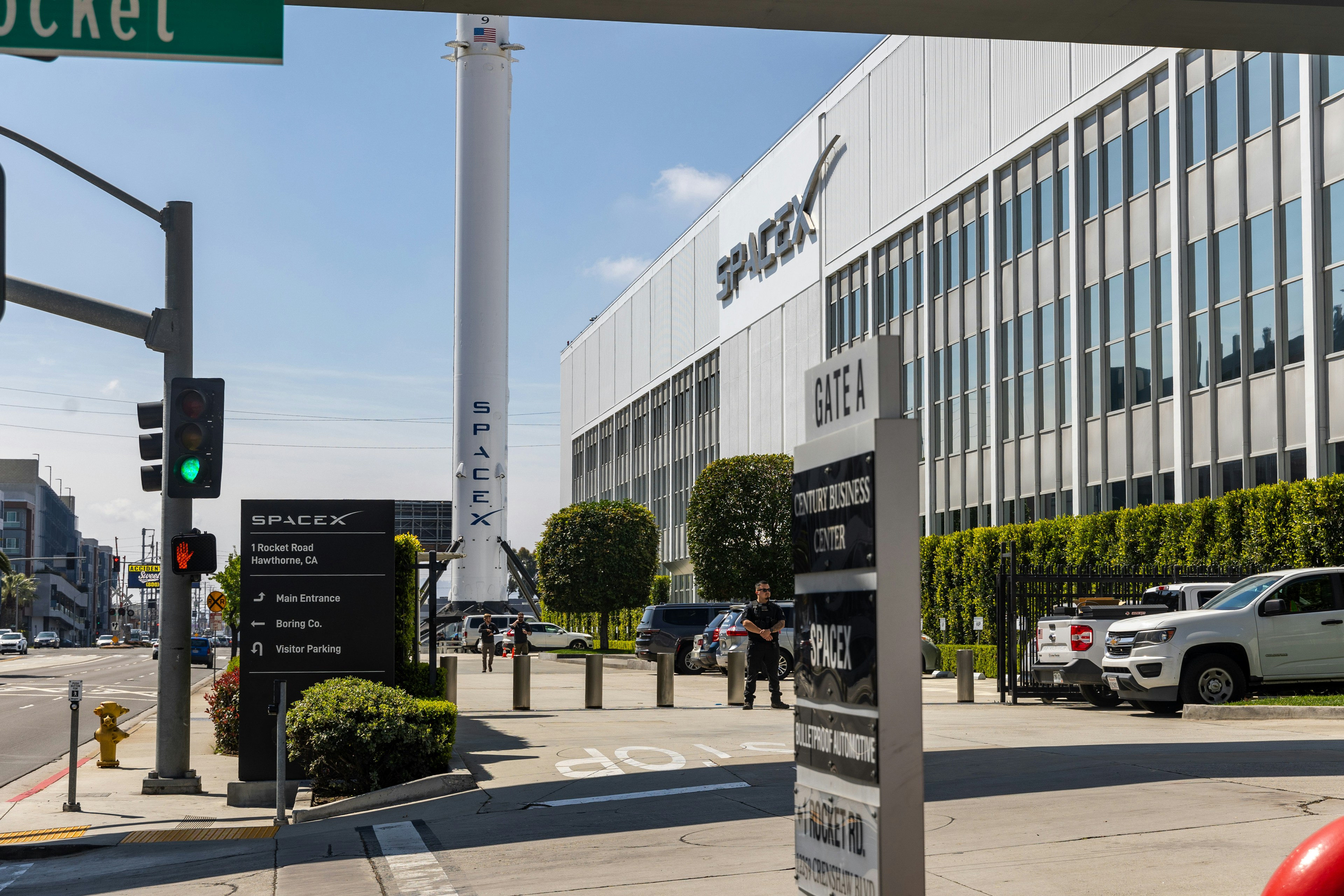
X Report 20 Nov 2025
SpaceX continues to make strides with its Starship program while successfully launching another batch of Starlink satellites into orbit, enhancing global internet coverage.



Launch Date
June 16, 1993
Launch Site
PLMSC
Launch Pad
LC132/1
Launch Vehicle
Kosmos 11K65M
NORAD ID
35580
International Designator
1993-036ALX
Epoch
Wed, 01 Jul 2026 08:51:06 GMT
Apogee
Calculating...
Perigee
Calculating...
Inclination
73.90°
Right Ascension
197.27°
Eccentricity
Calculating...
Argument of Perigee
164.88°
Period
103.99 min
Mean Motion
13.85 rev/day
Latitude
Calculating...
Longitude
Calculating...
Altitude
Calculating...
Velocity
Calculating...
Name
COSMOS 2251 DEB
Alternative Name
deb Kosmos-2251
Type
Status
Owner
KVR
Country
Russia
Constellation
N/A
Related Satellites
Major Events
N/A
1 35580U 93036ALX 26182.36882561 .00001628 00000-0 10816-2 0 9995
2 35580 73.8997 197.2687 0279663 164.8821 196.0884 13.84769536650334
Source: Celestrak
Length
0
Diameter
0
Span
0
Dry Mass
0
Launch Mass
0
Shape
N/A
Radar Cross Section
0.0157
Visual Magnitude
Unknown
Color
Unknown
Material Composition
Unknown
Payload
Unknown
Purpose
Unknown
Mission
Unknown
Manufacturer
Unknown
Life Expectancy
Unknown
Bus
Unknown
Configuration
Unknown
Motor
Unknown
Equipment
Unknown
Power System
Unknown
ADCS
Unknown
Transmitter Frequency
Unknown
Learn more about satellites and other related topics.
SpaceX continues to make strides with its Starship program while successfully launching another batch of Starlink satellites into orbit, enhancing global internet coverage.

Blue Origin's New Glenn successfully reused its first stage booster for the first time on Mission 3, launching April 19. Booster reuse accelerates operational tempo.
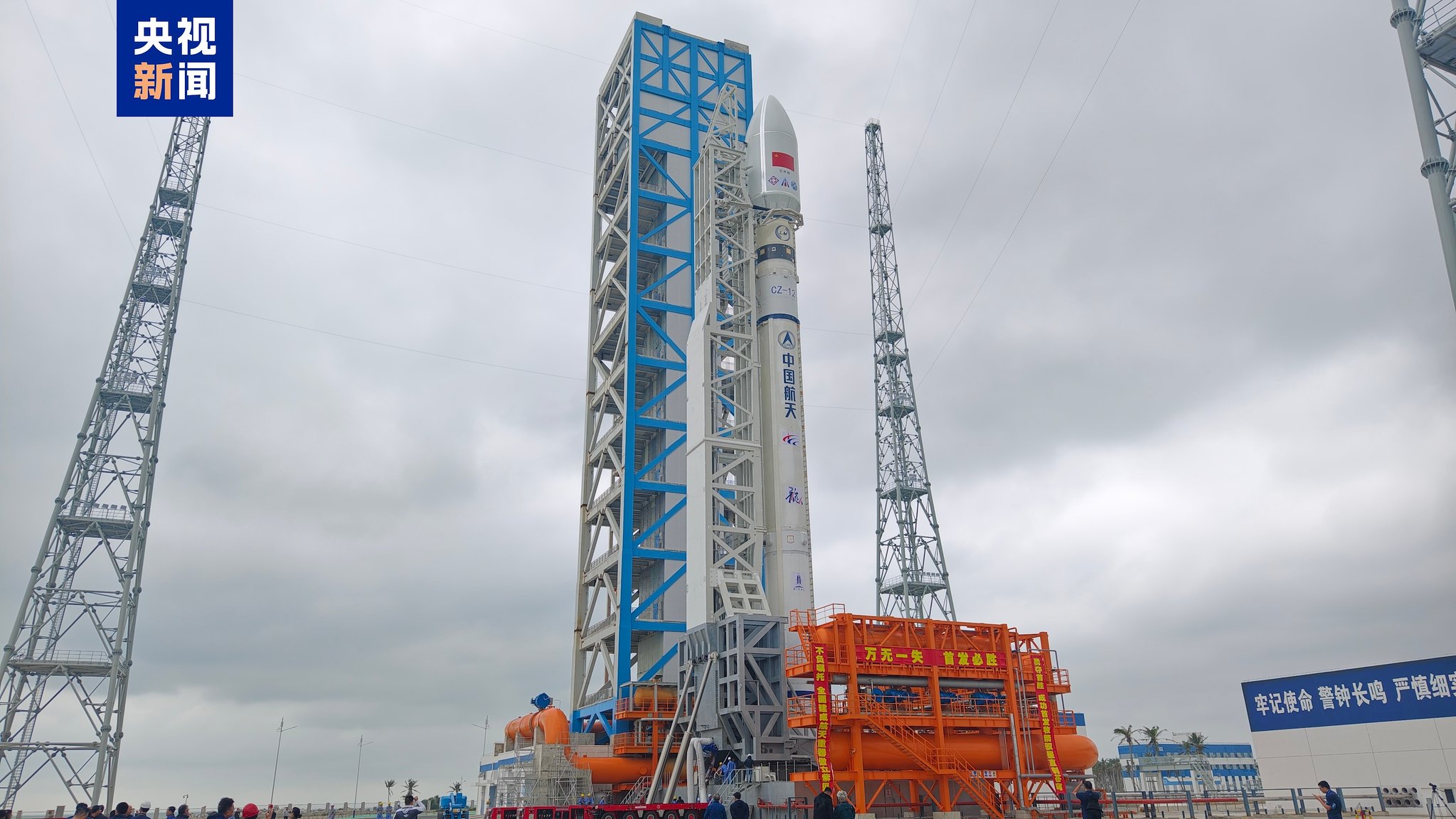
Today's brief covers SpaceX's Starship launch approval, Antares' nuclear funding, and shifts in global space defense strategies.
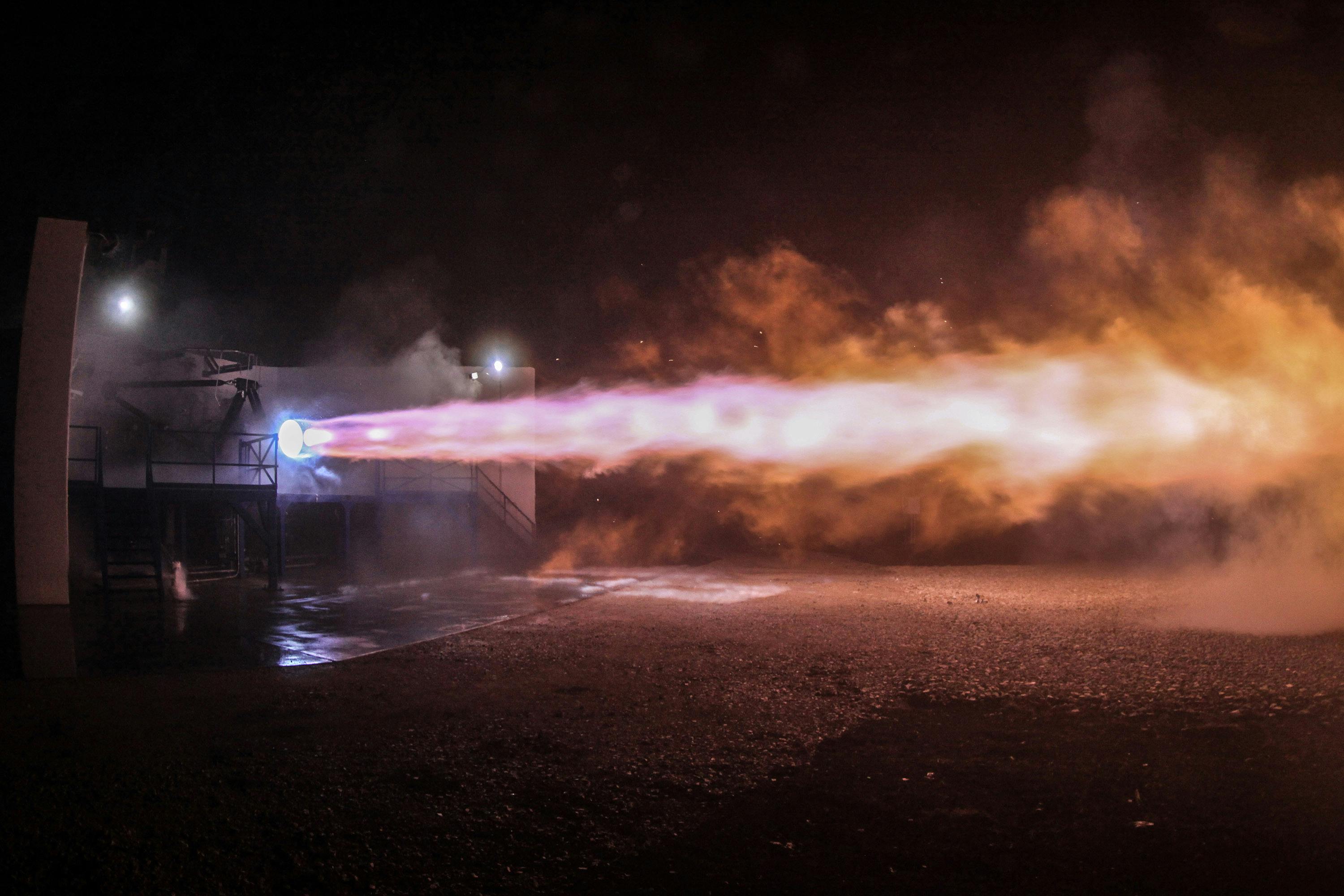
A Falcon 9 booster sets a reusability record on its 35th flight during the Starlink 10-35 mission, the constellation's 53rd dedicated launch.
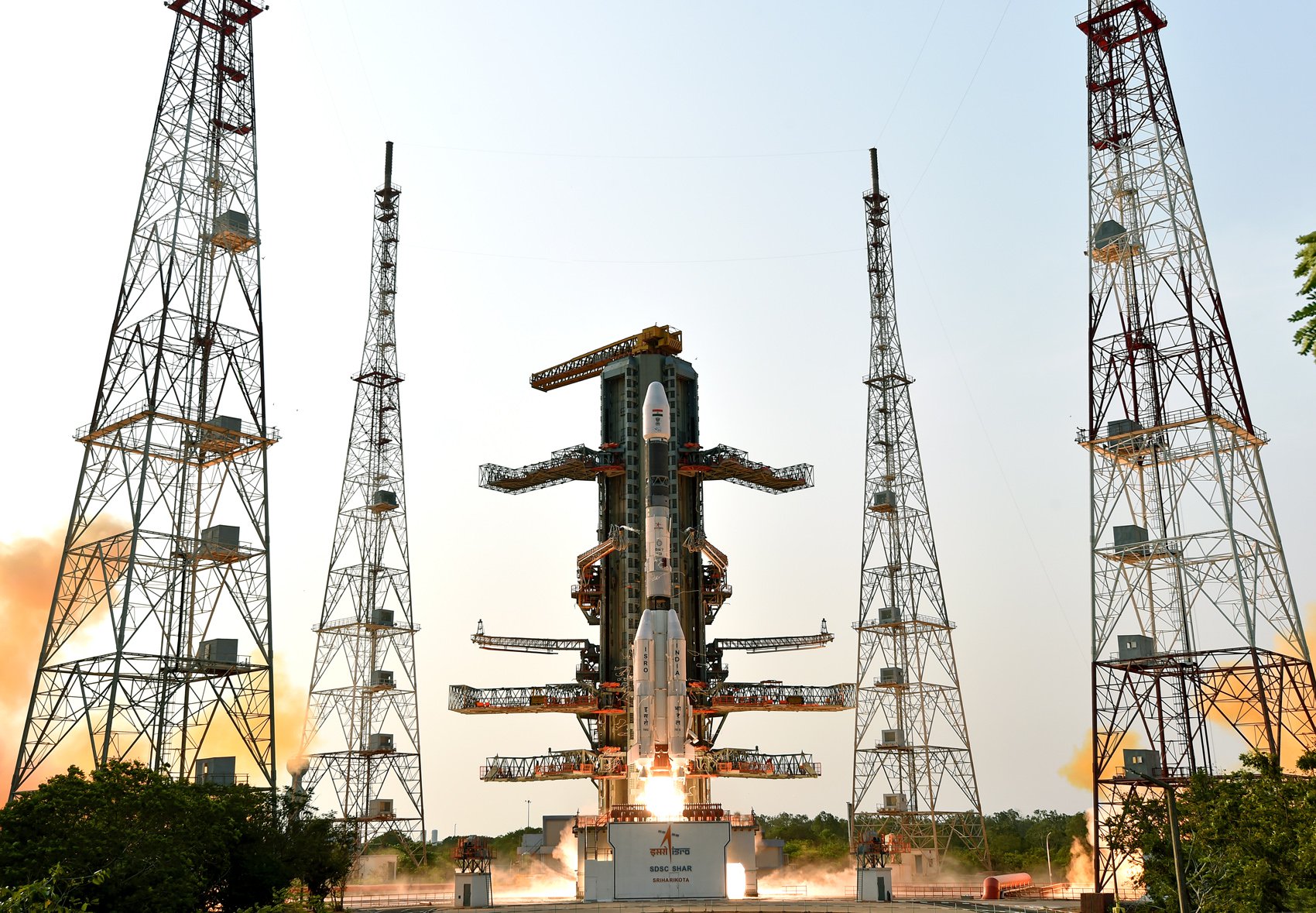
Today's highlights include China's remote-sensing satellite launch, U.S. Space Force's investment in missile-tracking satellites, and NASA's MAVEN milestone on Mars.

Space Force procures second Otter spacecraft for satellite repositioning. Momentus and NASA sign Space Act Agreement for orbital servicing tests. Pentagon delays contractor review.

On April 22, 2026, the FAA published a final rule implementing per-launch user fees for commercial space transportation — the first time the U.S. government has charged payload-based fees for rocket launches. Starting at 25 cents per pound with a $30,000 cap, the fees are modest today. By 2033, they won't be.
Today's highlights include Rocket Lab joining the US Space Force's national security launch program, SpaceX's upcoming Starlink deployment, China's successful EVA, and intriguing science aboard SpaceX's Fram2 mission.