


X Report 16 May 2025
Today's brief highlights the launch of United Airlines' Starlink Wi-Fi on passenger flights, updates on Starship development, and SpaceX's push to position Starlink as a GPS alternative in recent FCC discussions.



Launch Date
September 14, 1997
Launch Site
Launch Pad
LC81/23
Launch Vehicle
Proton-K/17S40
NORAD ID
35482
International Designator
1997-051QC
Decay Date
9/27/2012
Name
IRIDIUM 33 DEB
Alternative Name
deb Iridium 33
Type
Status
Owner
IRIDS
Country
United States
Constellation
N/A
Related Satellites
Major Events
N/A
Length
0
Diameter
0
Span
0
Dry Mass
0
Launch Mass
0
Shape
N/A
Radar Cross Section
0.0085
Visual Magnitude
Unknown
Color
Unknown
Material Composition
Unknown
Payload
Unknown
Purpose
Unknown
Mission
Unknown
Manufacturer
Unknown
Life Expectancy
Unknown
Bus
Unknown
Configuration
Unknown
Motor
Unknown
Equipment
Unknown
Power System
Unknown
ADCS
Unknown
Transmitter Frequency
Unknown
Learn more about satellites and other related topics.
Today's brief highlights the launch of United Airlines' Starlink Wi-Fi on passenger flights, updates on Starship development, and SpaceX's push to position Starlink as a GPS alternative in recent FCC discussions.
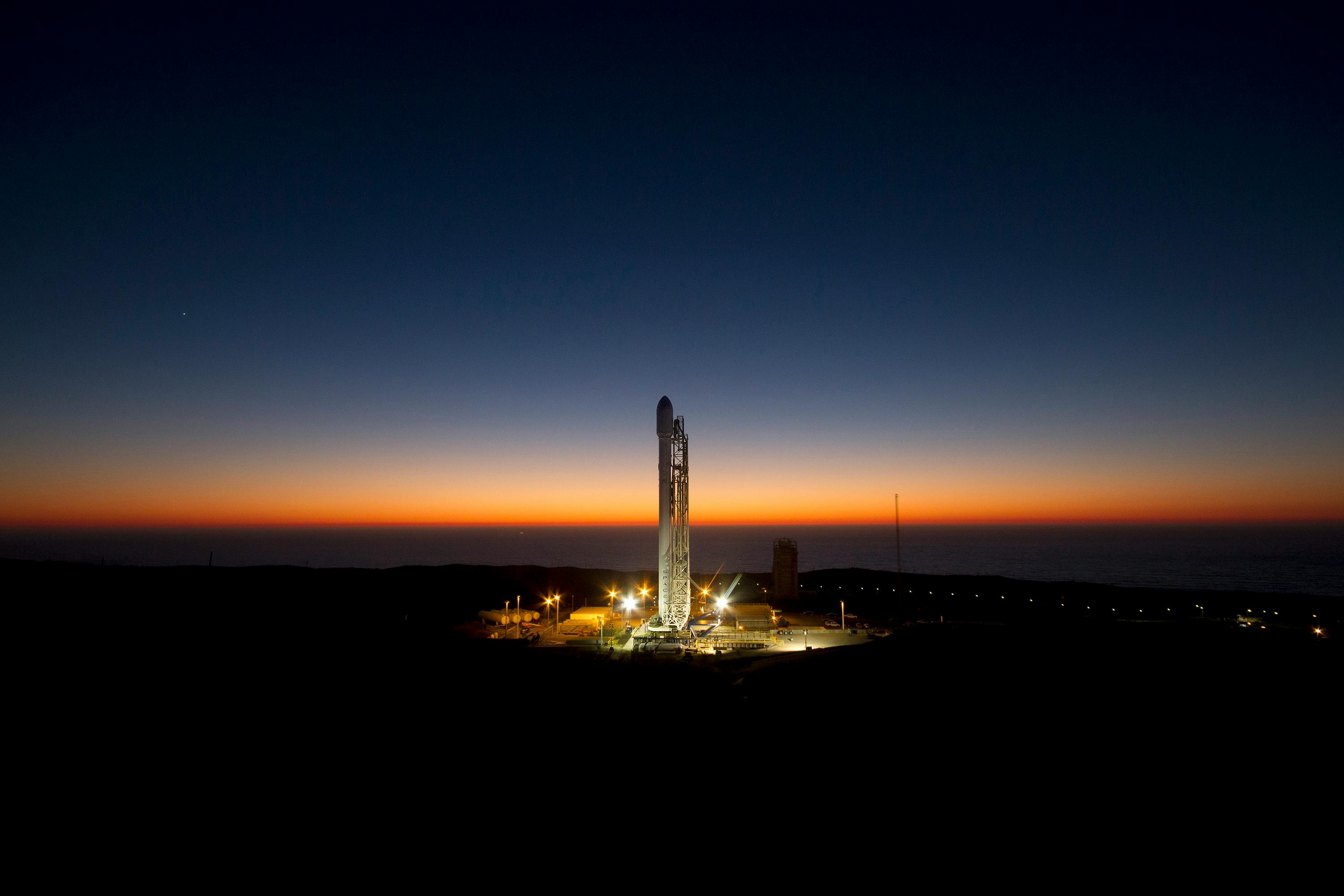
NASA adds crew missions to SpaceX's contract as Boeing Starliner certification stalls, while Falcon 9 hits its 60th orbital launch of 2026.
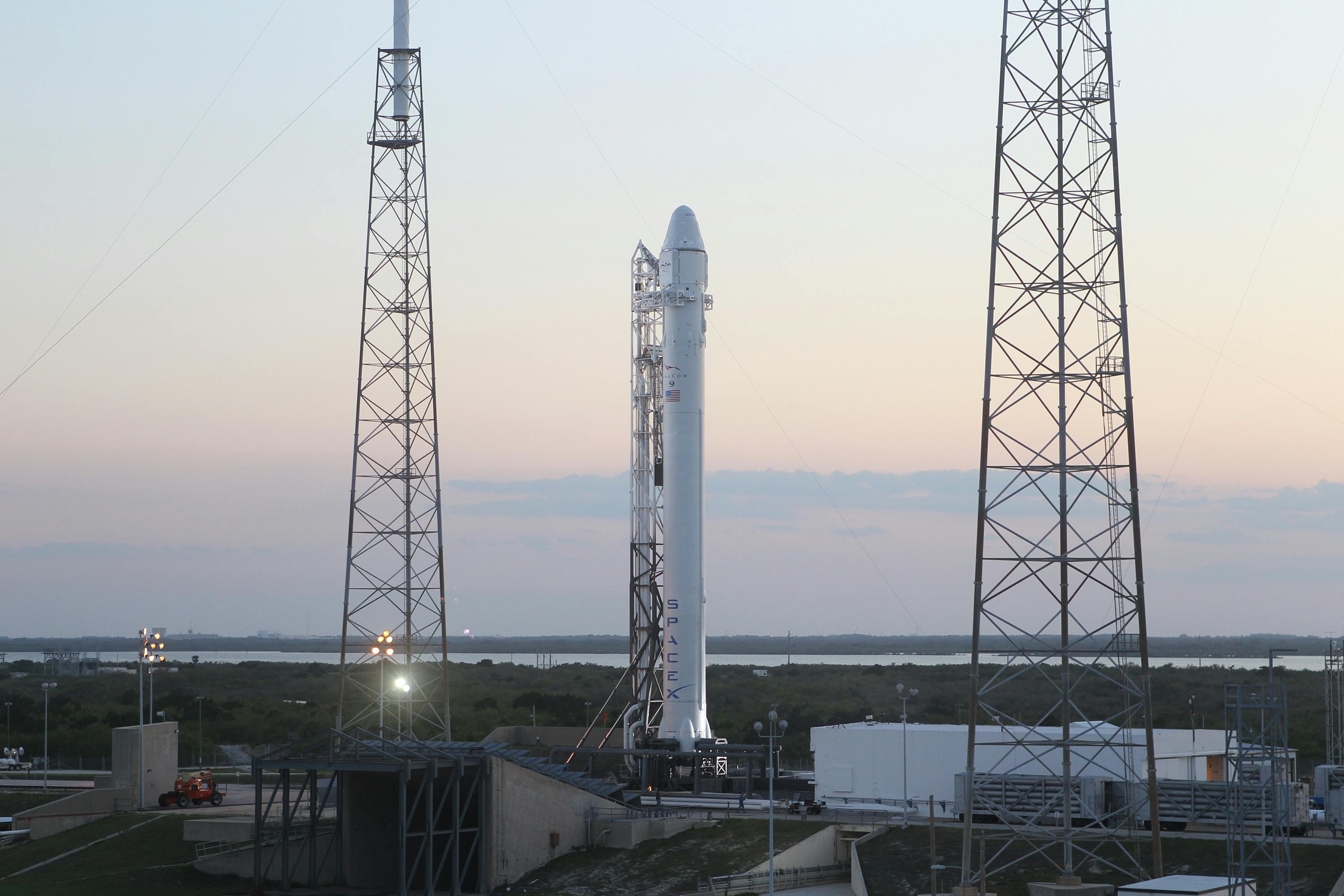
SpaceX continues to expand its Starlink network with multiple launches and gains momentum in international markets, while revisiting launch tariffs and new regulations.

Elon Musk confirms Starship V3 tower catch attempt plans with SN1 headed for ground tests. SpaceX wraps February with 83 Starlink satellites across three launches. 9,826 sats on orbit.

Today's highlights include SpaceX's record-breaking launches, Japan's final H-2A launch, and significant developments in satellite data policies impacting weather forecasting.
Jonathan's Space Report is a comprehensive resource for space launch and satellite data, compiled by astrophysicist Dr. Jonathan McDowell.
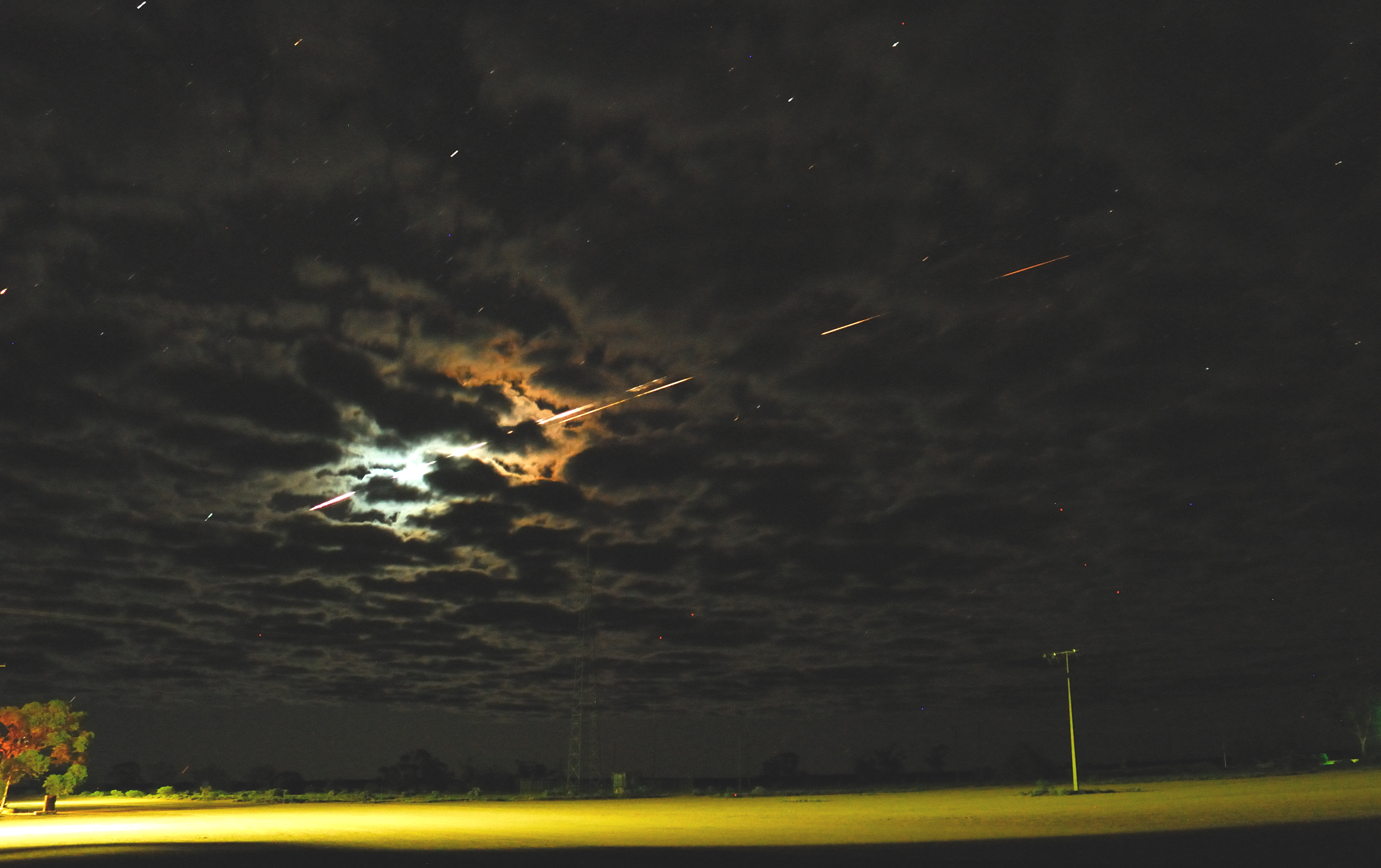
Sixteen years ago today, a fireball tore across the Australian outback. Most of it was a dying Japanese spacecraft burning up after a seven-year ordeal. The bright dot racing ahead of the wreckage was a capsule holding the first grains of an asteroid ever returned to Earth.
SpaceX launched three Block 2 BlueBird satellites for AST SpaceMobile from Cape Canaveral. Block 2 variants are larger with enhanced capacity compared to Block 1 units already in orbit.