


Space Brief 1 Feb 2025
Today's brief covers advances in satellite docking technology, challenges faced by space companies with government navigation, and China's leap in space autonomy through AI developments.


Launch Date
June 18, 2009
Launch Site
Launch Pad
SLC41
Launch Vehicle
Atlas V 401
NORAD ID
35317
International Designator
2009-031C
Decay Date
10/9/2009
Name
ATLAS 5 CENTAUR R/B
Alternative Name
LCROSS EDUS
Type
Status
Owner
ARC
Country
United States
Constellation
N/A
Related Satellites
Major Events
N/A
Length
11.7
Diameter
3.1
Span
11.7
Dry Mass
2020
Launch Mass
7950
Shape
Cyl
Radar Cross Section
Unknown
Visual Magnitude
Unknown
Color
Unknown
Material Composition
Unknown
Payload
Centaur AV-020
Purpose
Lunar Impact
Mission
Lunar Impact
Manufacturer
LMSSD
Life Expectancy
Unknown
Bus
Centaur SEC
Configuration
Eagle-0 (ESPA-Sat) (S-S/S); Upper stage (EDUS)
Motor
RL10-4A-2
Equipment
Unknown
Power System
Solar cells, batteries
ADCS
Unknown
Transmitter Frequency
Unknown
Learn more about satellites and other related topics.
Today's brief covers advances in satellite docking technology, challenges faced by space companies with government navigation, and China's leap in space autonomy through AI developments.

CSIS analysis identifies 75 unusual orbital maneuvers by Chinese GEO satellites over 10 years, consistent with military reconnaissance. Track GEO objects via KeepTrack.
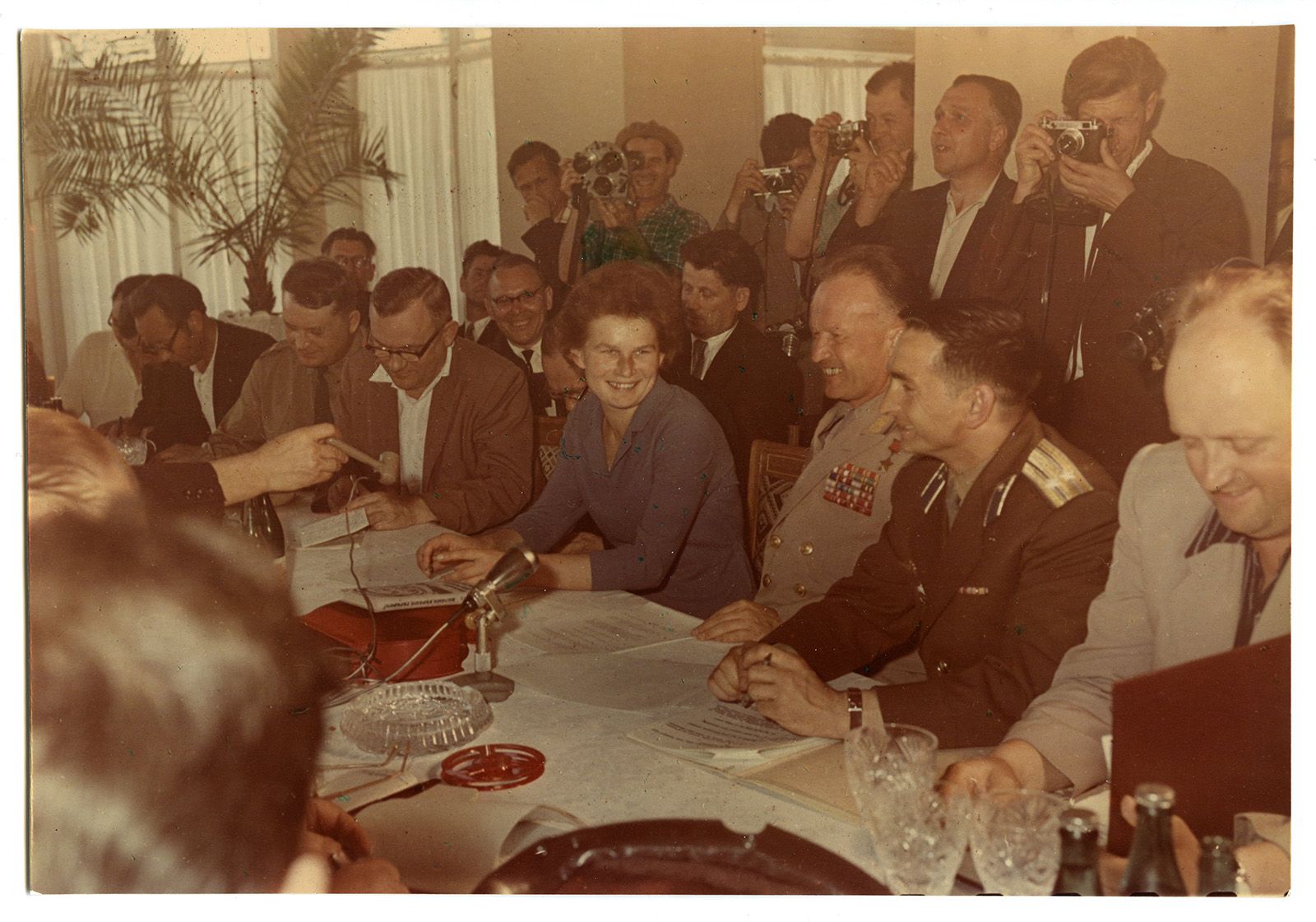
On 16 June 1963, a 26-year-old former textile worker named Valentina Tereshkova launched aboard Vostok 6 and spent nearly three days alone in orbit. She flew 48 times around the Earth, longer than every American astronaut combined, and spotted a dangerous flaw in her descent program that ground controllers had missed.
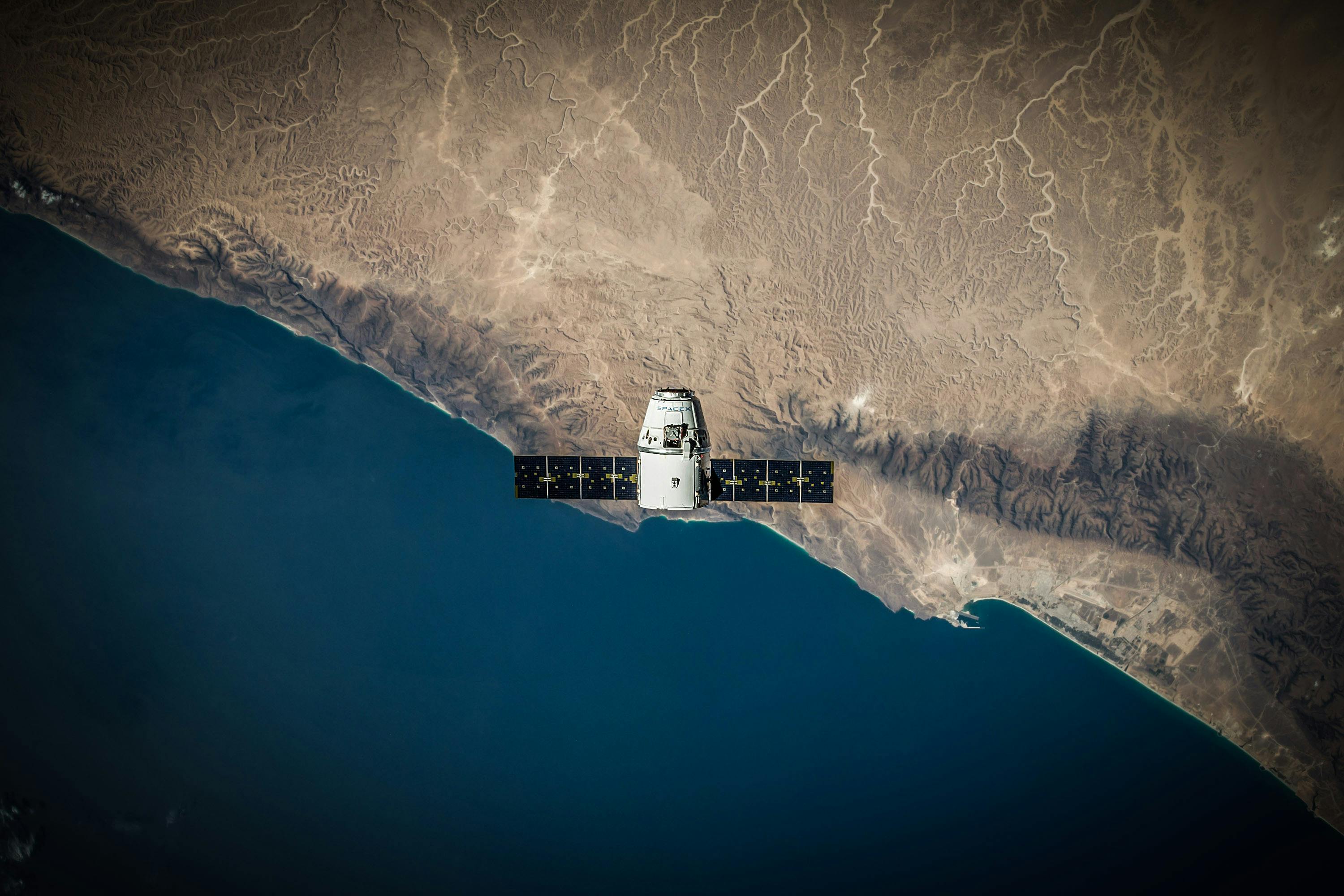
On December 14, 2025, SpaceX achieved a significant milestone with its 550th booster landing following the launch of 27 new Starlink satellites, while exploring potential IPO strategies to fund future projects.
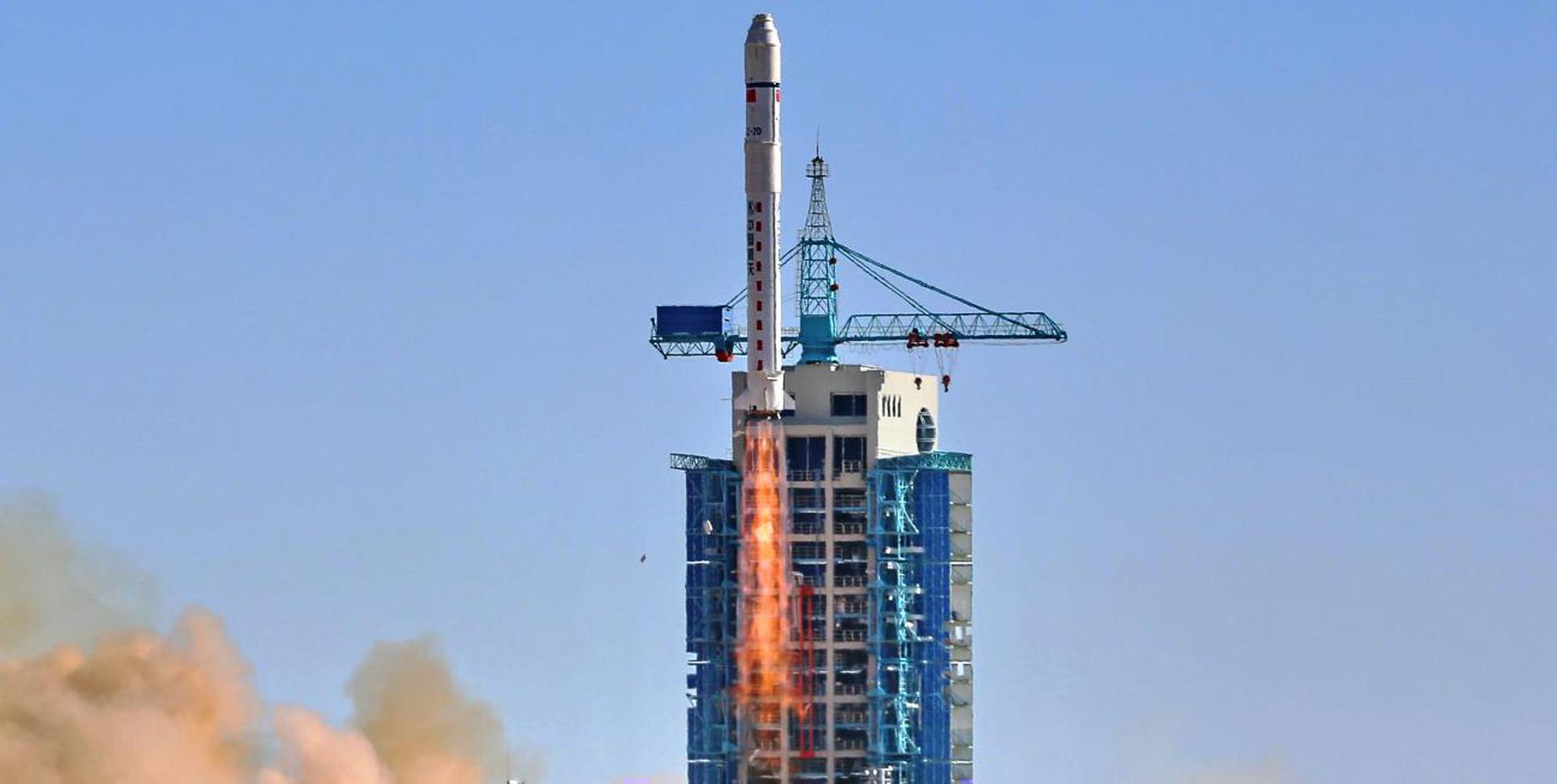
Blue Origin's fourth New Glenn rocket exploded during static fire at LC-36, Cape Canaveral, destroying the fully stacked vehicle and pad infrastructure. Amazon Leo launch postponed indefinitely.
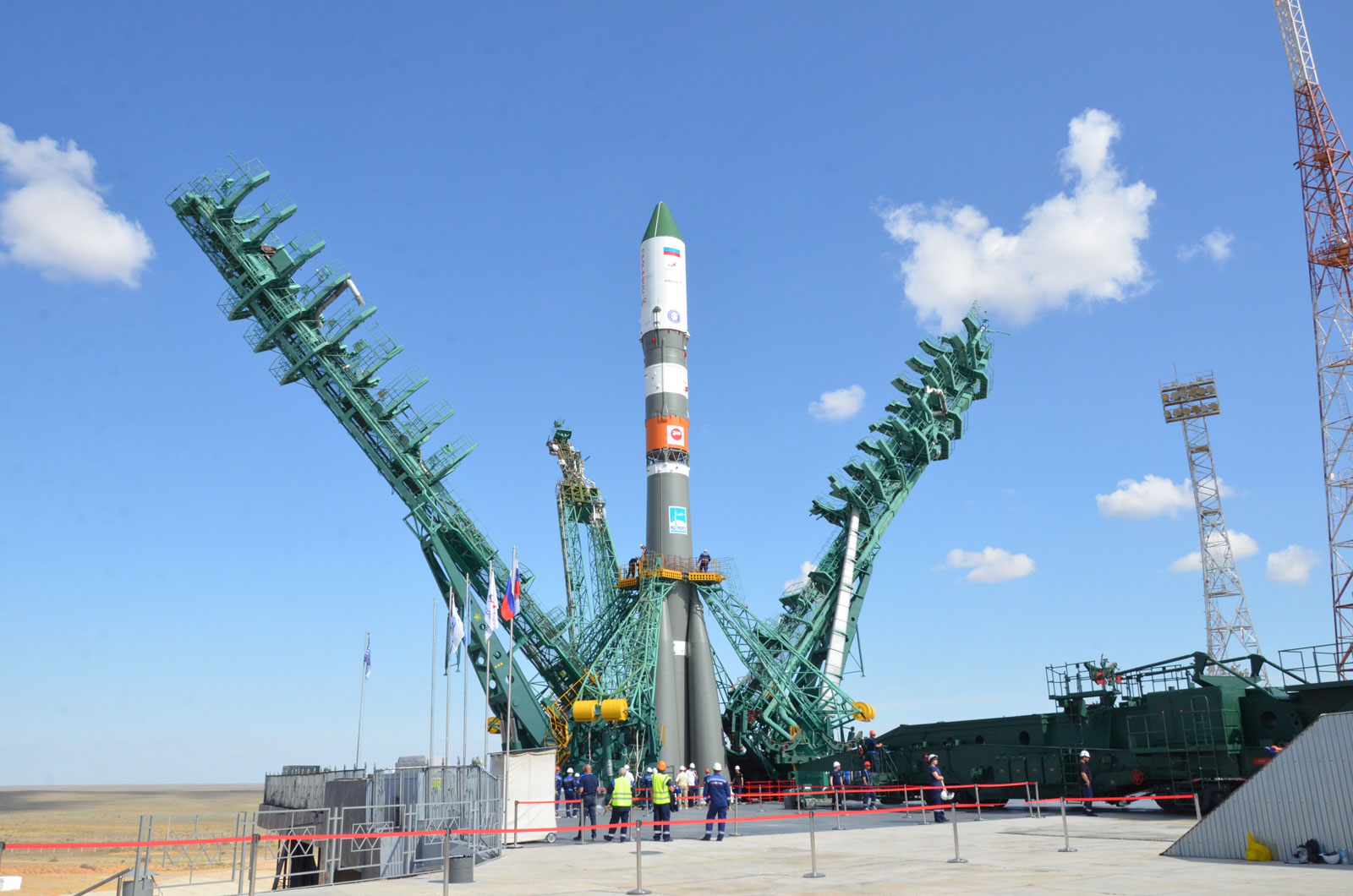
Pentagon increases Golden Dome missile defense budget by $10B to $185B, funding HBTSS hypersonic tracking constellation expansion. Three acceleration priorities announced.
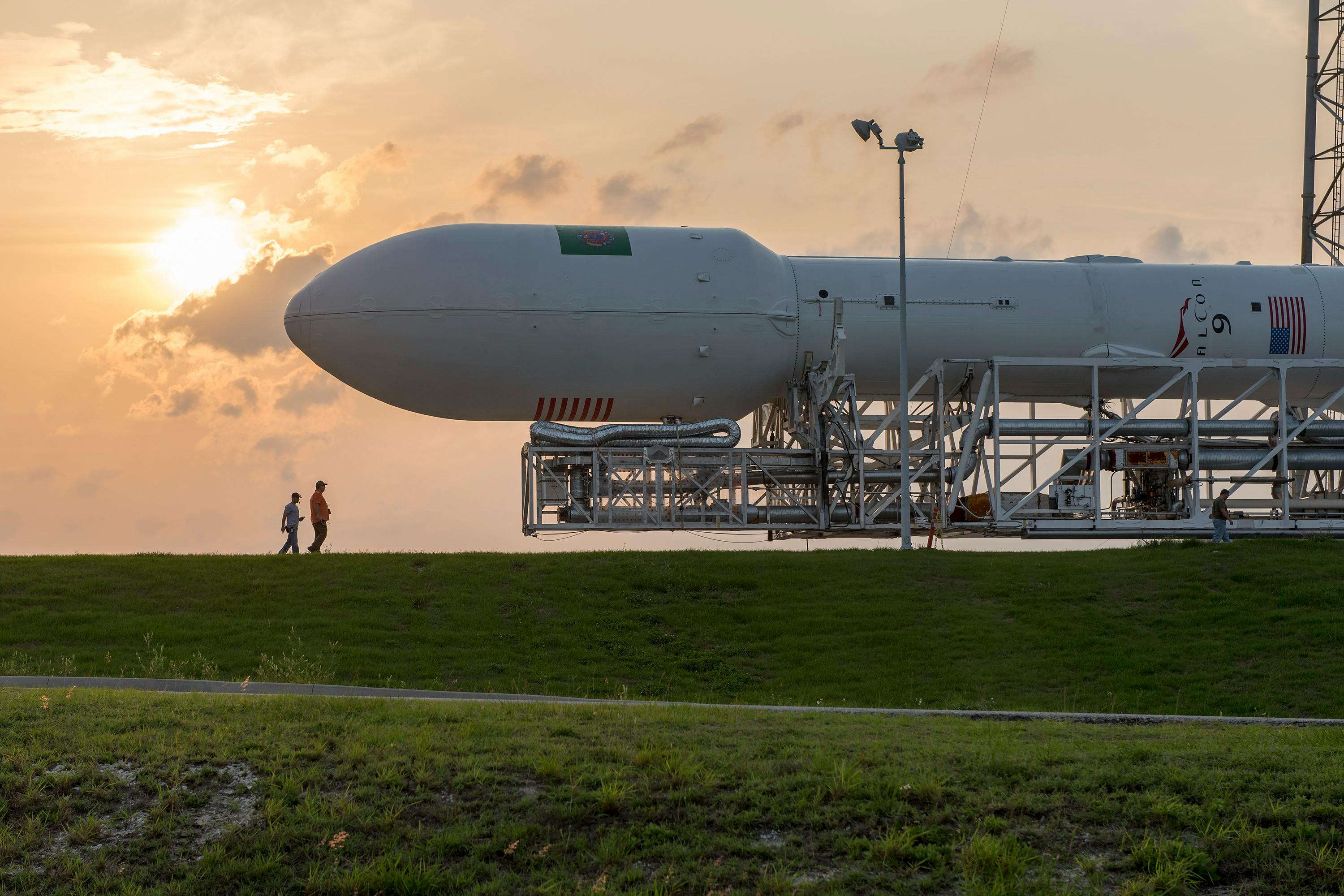
SpaceX successfully launched its 100th Falcon 9 flight, deploying 29 Starlink satellites, while NASA plans to test SpaceX’s Starshield. Additionally, SpaceX engages in social media commentary regarding American Airlines' interest in Amazon's Starlink rival.
Highlights of today's Space Brief include advancements in missile defense systems, a historic lunar project by NASA, and strategic military investments in satellite technology.