

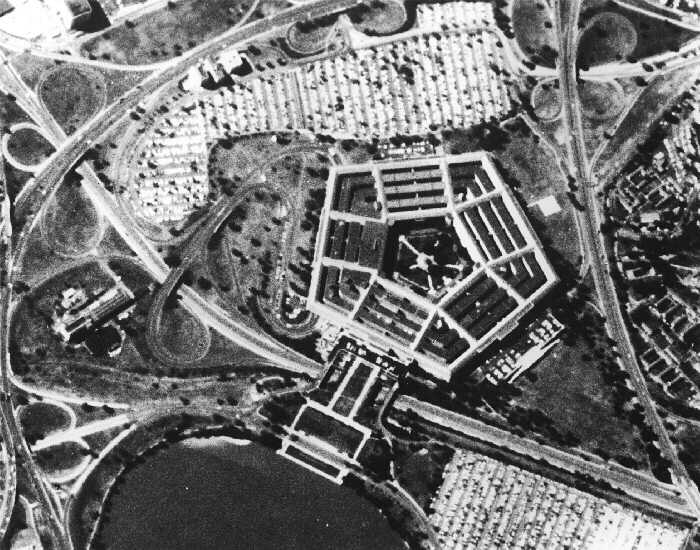
The Day America's Spy Satellites Gained New Eyes
Sixty-three years ago, a Thor-Agena rocket launched the first dual-camera reconnaissance satellite, revolutionizing space-based intelligence while hiding behind the final use of a famous cover name



Launch Date
October 20, 1968
Launch Site
Launch Pad
LC90/20
Launch Vehicle
Tsiklon-2A
NORAD ID
03524
International Designator
1968-091M
Decay Date
6/15/2001
Name
COSMOS 249 DEB
Alternative Name
deb Kosmos-249
Type
Status
Owner
PKO
Country
USSR
Constellation
N/A
Related Satellites
Major Events
N/A
Length
0
Diameter
0
Span
0
Dry Mass
0
Launch Mass
0
Shape
N/A
Radar Cross Section
0.0997
Visual Magnitude
Unknown
Color
Unknown
Material Composition
Unknown
Payload
Unknown
Purpose
Unknown
Mission
Unknown
Manufacturer
Unknown
Life Expectancy
Unknown
Bus
Unknown
Configuration
Unknown
Motor
Unknown
Equipment
Unknown
Power System
Unknown
ADCS
Unknown
Transmitter Frequency
Unknown
Learn more about satellites and other related topics.
Sixty-three years ago, a Thor-Agena rocket launched the first dual-camera reconnaissance satellite, revolutionizing space-based intelligence while hiding behind the final use of a famous cover name

Today's briefing highlights the SDA's significant satellite award, Blue Origin's groundbreaking flight, and NASA's call for an Artemis review.

In 2024, China launched 68 orbital missions. In 2025, the number jumped to 97. In 2026, state media and Western analysts agree the target is 140 or more. Most of that growth is being driven by two state-backed mega-constellations, a half-dozen private launch companies hitting stride, and a deliberate national pivot toward commercial space. Beijing is no longer trying to catch SpaceX. It is trying to build an industrial base that outlasts one.
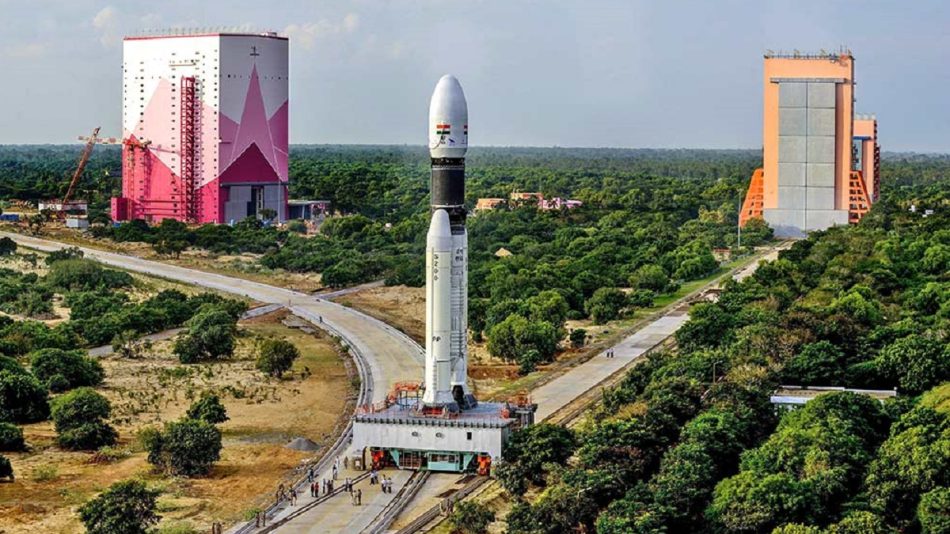
India's second spaceport solves a geometry problem. How ISRO is building a dedicated small satellite facility that eliminates the costly dogleg maneuvers plaguing polar launches from Sriharikota.
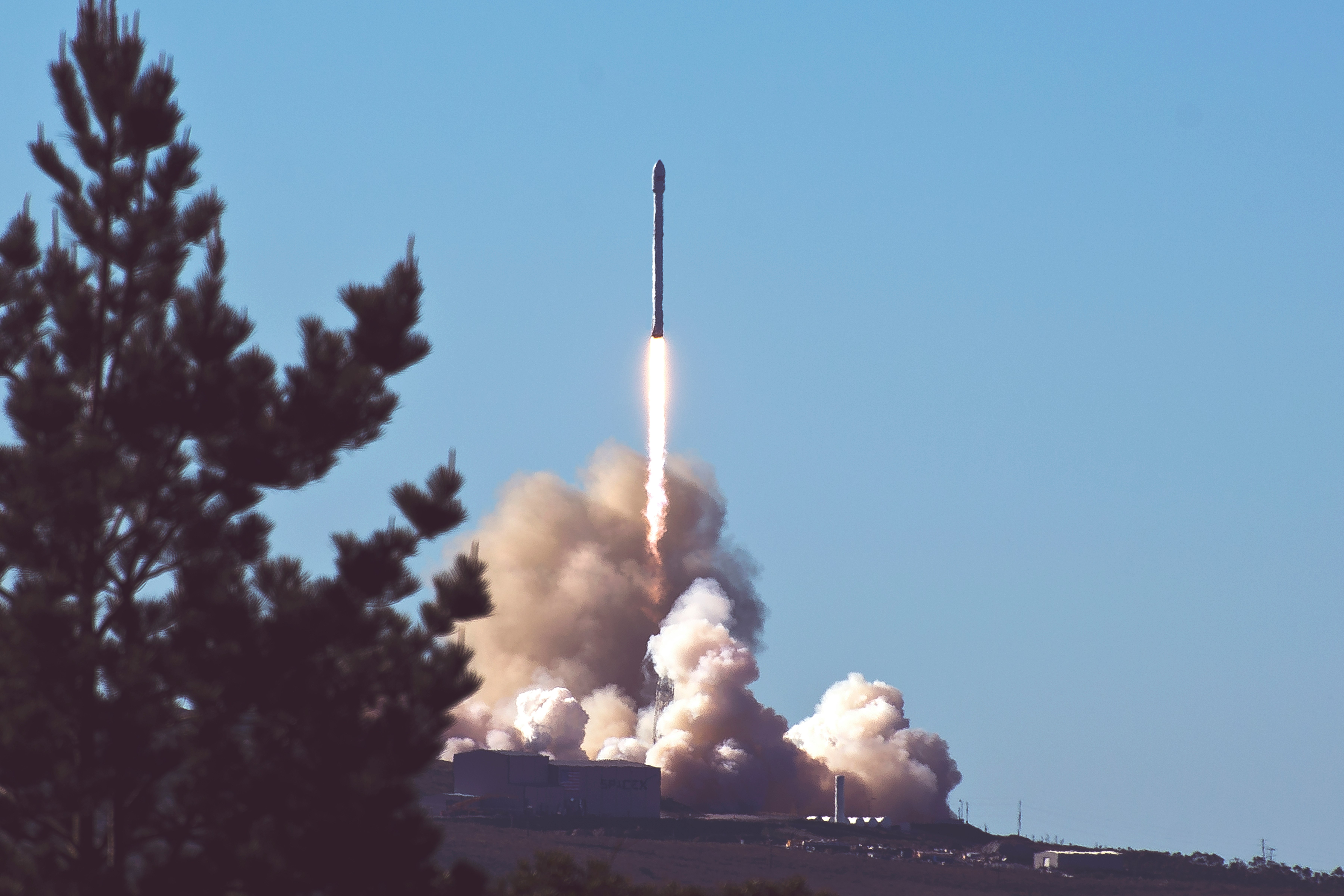
SpaceX successfully launched the Ax-4 private astronaut mission to the ISS while continuing its satellite deployment with 27 new Starlink satellites, amidst ongoing recovery efforts from the loss of Ship 36.

Today's briefing covers a significant hypersonic missile launch by the U.S. Army, the declassification of spy satellite photos aiding demining efforts, and the deployment of cutting-edge research payloads to the ISS.
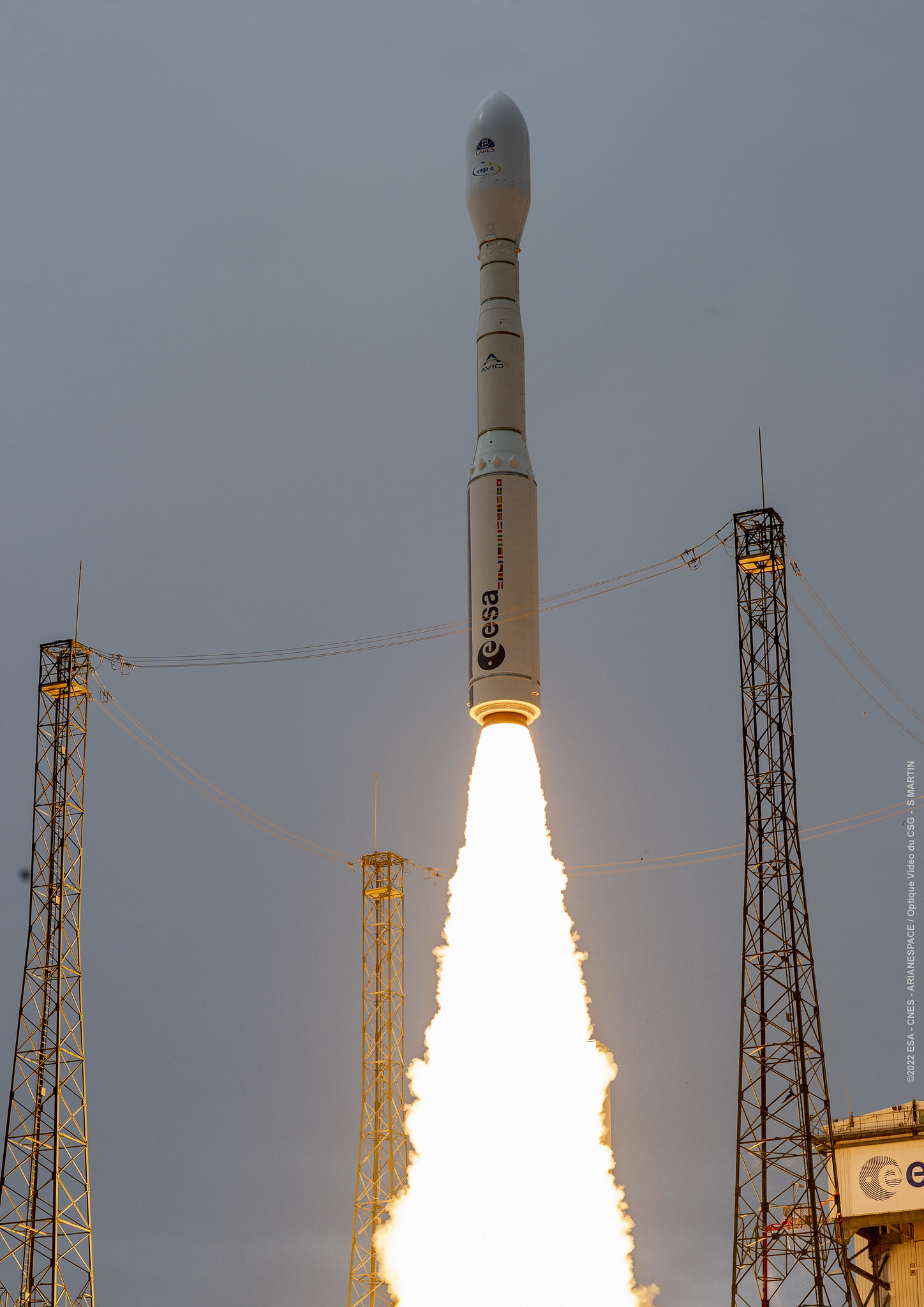
Highlights include significant advances in satellite refueling experiments, a key design milestone for missile defense, and a feature on the satellite Cosmos 2246.
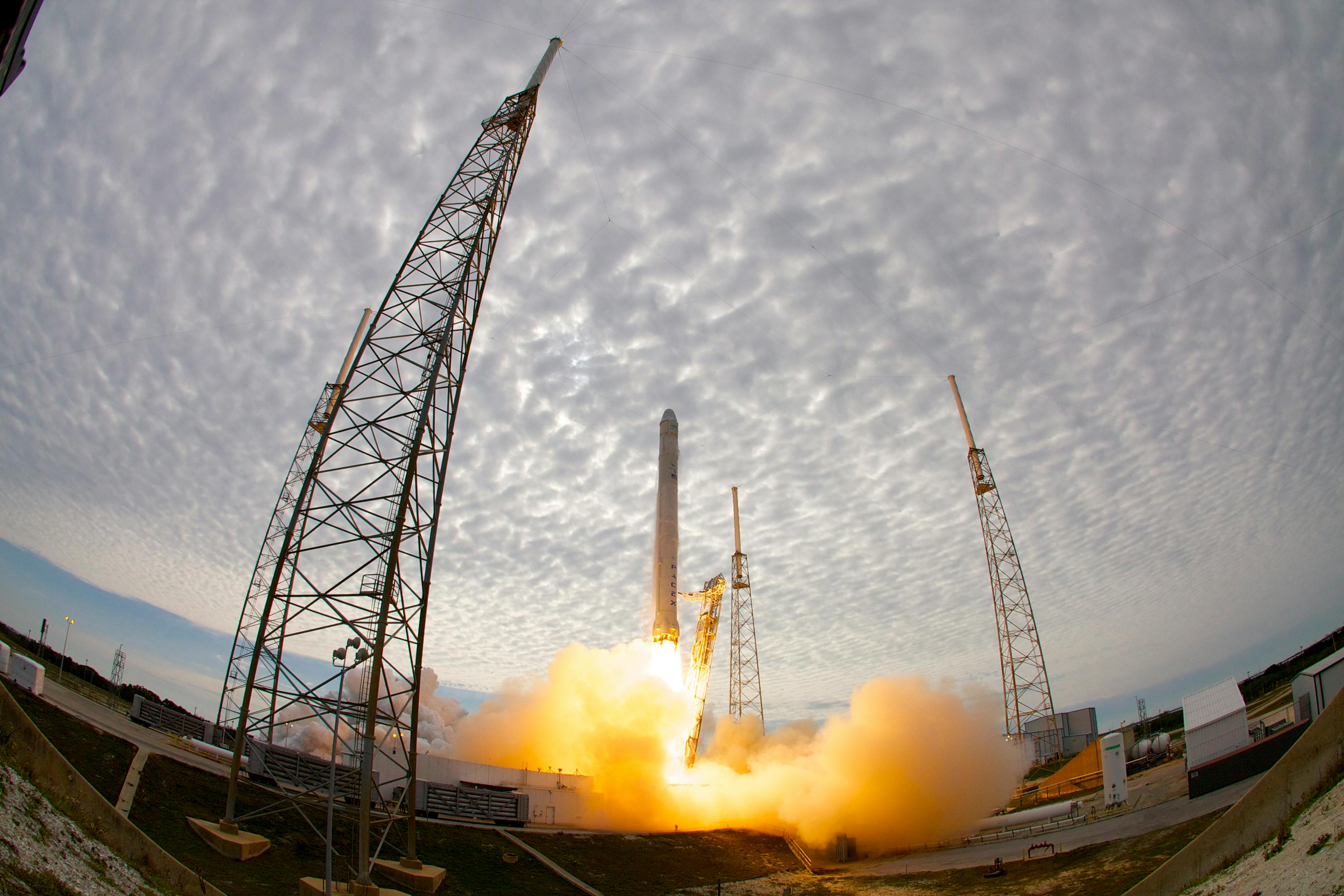
Starlink satellite count 2026: SpaceX tops 10,000 active satellites, 10,037 working of 11,558 launched, under seven years after first launch.