


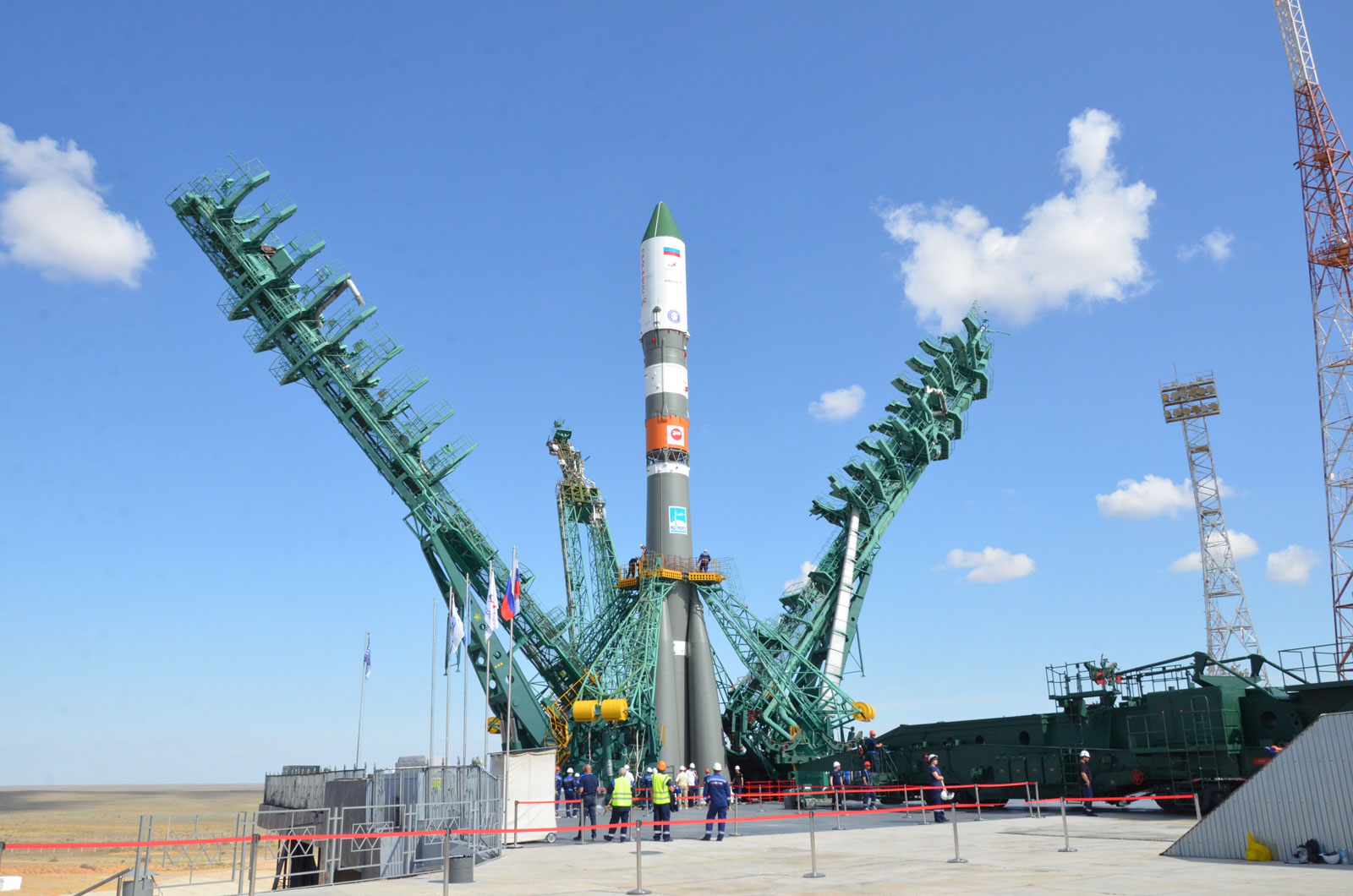
Space Brief 11 Feb 2025
Today's highlights include the debut of a new Chinese rocket, a successful Starlink launch, and concerns about Artemis 3. We also cover DoD developments and a notable SpaceX milestone.



Launch Date
May 10, 1999
Launch Site
TAISC
Launch Pad
LC7
Launch Vehicle
Chang Zheng 4B
NORAD ID
35125
International Designator
1999-025DLD
Epoch
Tue, 30 Jun 2026 19:57:43 GMT
Apogee
Calculating...
Perigee
Calculating...
Inclination
98.21°
Right Ascension
187.87°
Eccentricity
Calculating...
Argument of Perigee
57.62°
Period
100.39 min
Mean Motion
14.34 rev/day
Latitude
Calculating...
Longitude
Calculating...
Altitude
Calculating...
Velocity
Calculating...
Name
FENGYUN 1C DEB
Alternative Name
deb FY-1C
Type
Status
Owner
CASC
Country
China
Constellation
N/A
Related Satellites
Major Events
N/A
1 35125U 99025DLD 26181.83174798 .00003270 00000-0 11565-2 0 9998
2 35125 98.2096 187.8654 0053682 57.6177 303.0188 14.34424555341499
Source: Celestrak
Length
0
Diameter
0
Span
0
Dry Mass
0
Launch Mass
0
Shape
N/A
Radar Cross Section
0.0103
Visual Magnitude
Unknown
Color
Unknown
Material Composition
Unknown
Payload
Unknown
Purpose
Unknown
Mission
Unknown
Manufacturer
Unknown
Life Expectancy
Unknown
Bus
Unknown
Configuration
Unknown
Motor
Unknown
Equipment
Unknown
Power System
Unknown
ADCS
Unknown
Transmitter Frequency
Unknown
Learn more about satellites and other related topics.
Today's highlights include the debut of a new Chinese rocket, a successful Starlink launch, and concerns about Artemis 3. We also cover DoD developments and a notable SpaceX milestone.

SpaceX's Starship V3 targets Flight 12 with an unprecedented self-inspection maneuver, while Delta Air Lines walks away from Starlink inflight Wi-Fi.
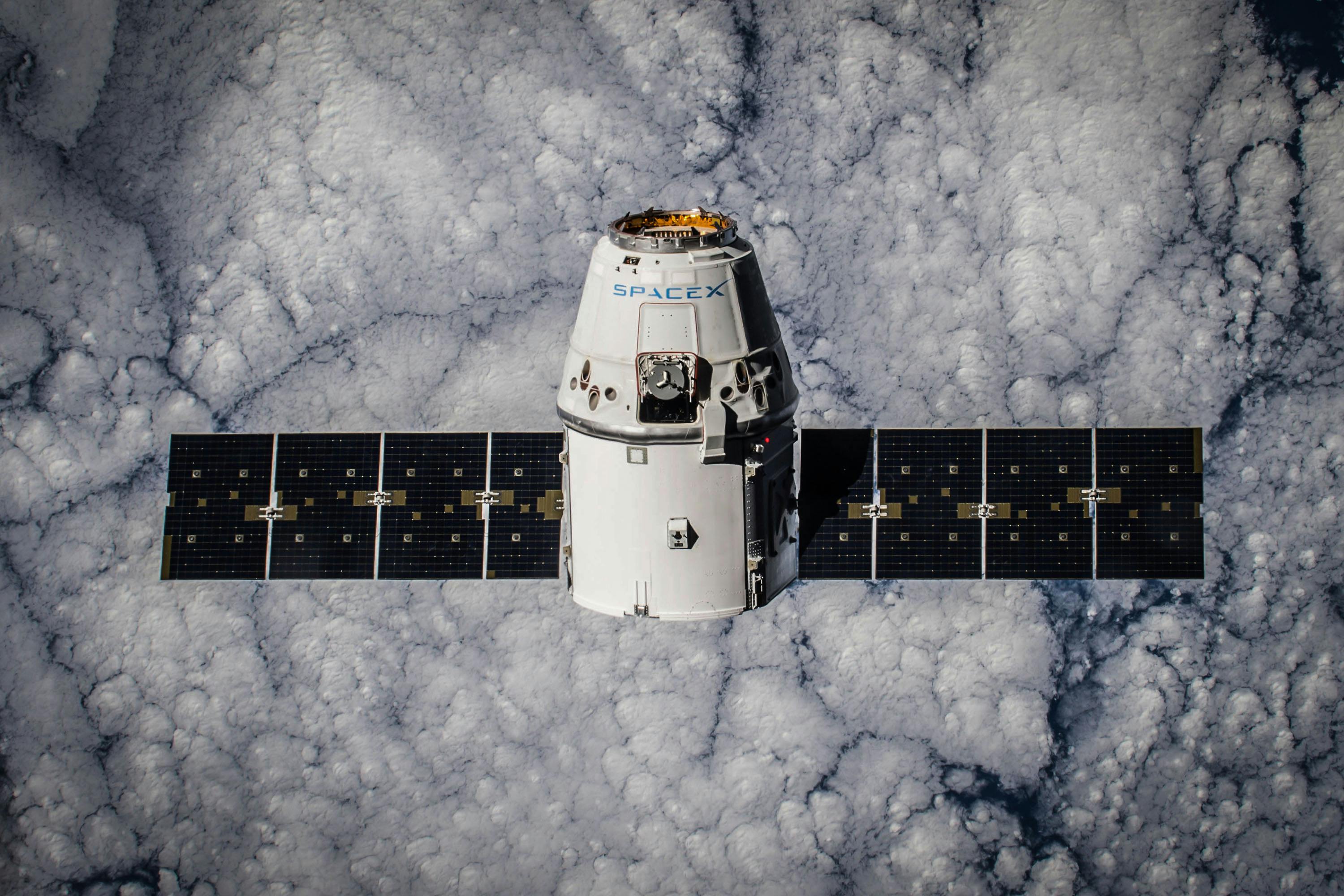
Today's brief highlights the U.S. Space Force's upcoming modular satellite mission, increased military reliance on commercial space intelligence, and the demand for expanded commercial reserve support. Learn more about these advancements alongside our Satellite Spotlight on Yaogan-30 B.
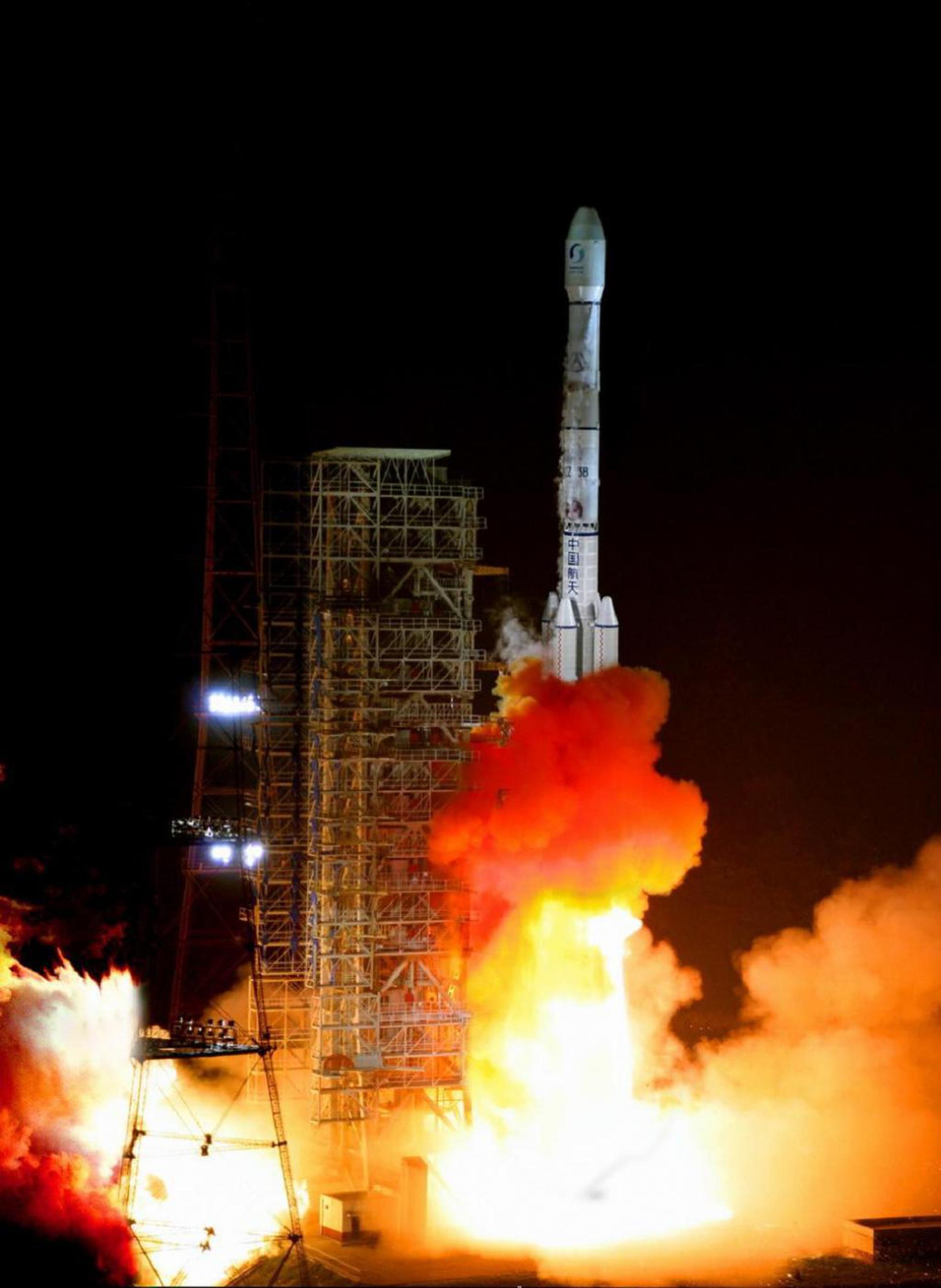
Today's space brief covers new ultraviolet data from the Europa Clipper, challenges in managing space debris, quantum advances in satellite technology, as well as a failed Indian satellite launch and more.

For nearly two decades, the U.S. Air Force and Space Force have been the world's unofficial civilian space traffic control system. The Department of Commerce's Traffic Coordination System for Space (TraCSS) is now taking over that job for commercial satellite operators - in stages, against persistent congressional pressure to kill the program, and with Department of Defense advocates pushing to make it happen before it is too late.
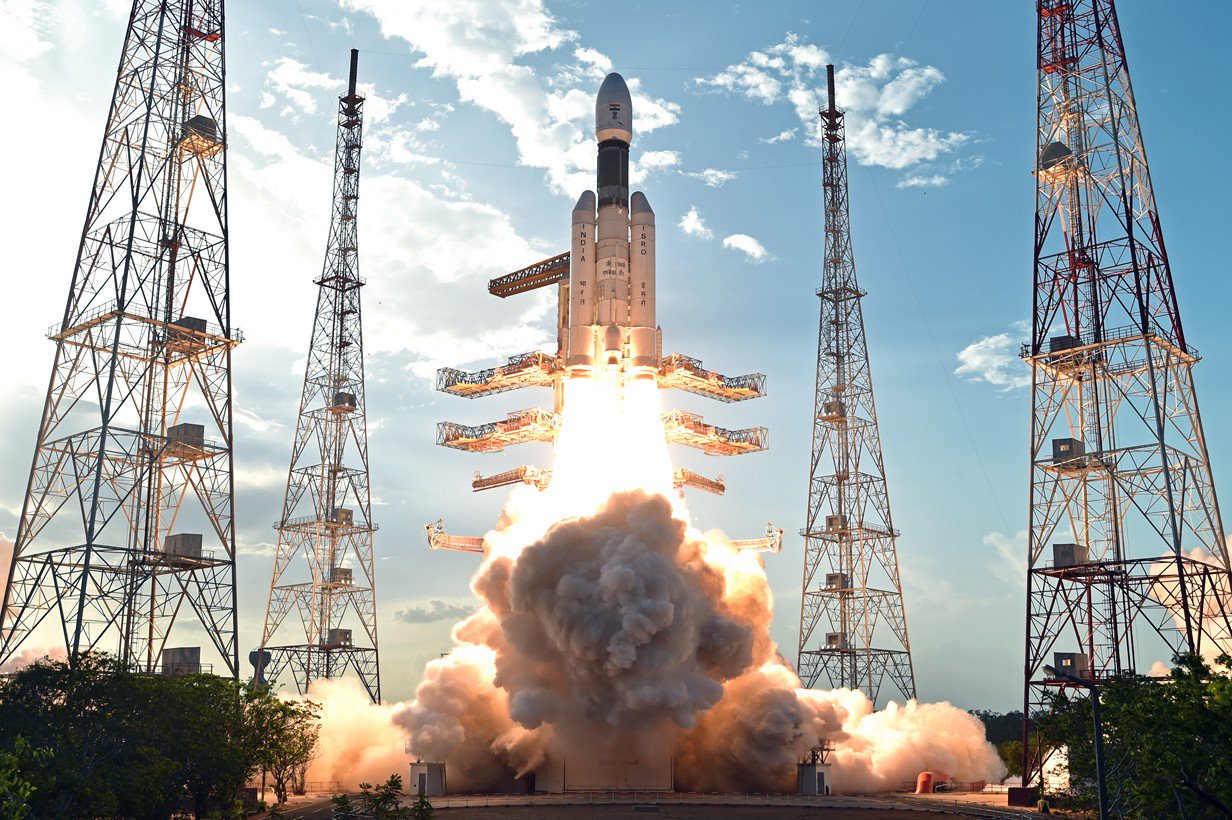
Today's stories cover Rocket Lab's innovative DiskSat launch, Digantara's expansion to missile defense, and DARPA's satellite surveillance network expansion, among other updates in military and satellite technology.
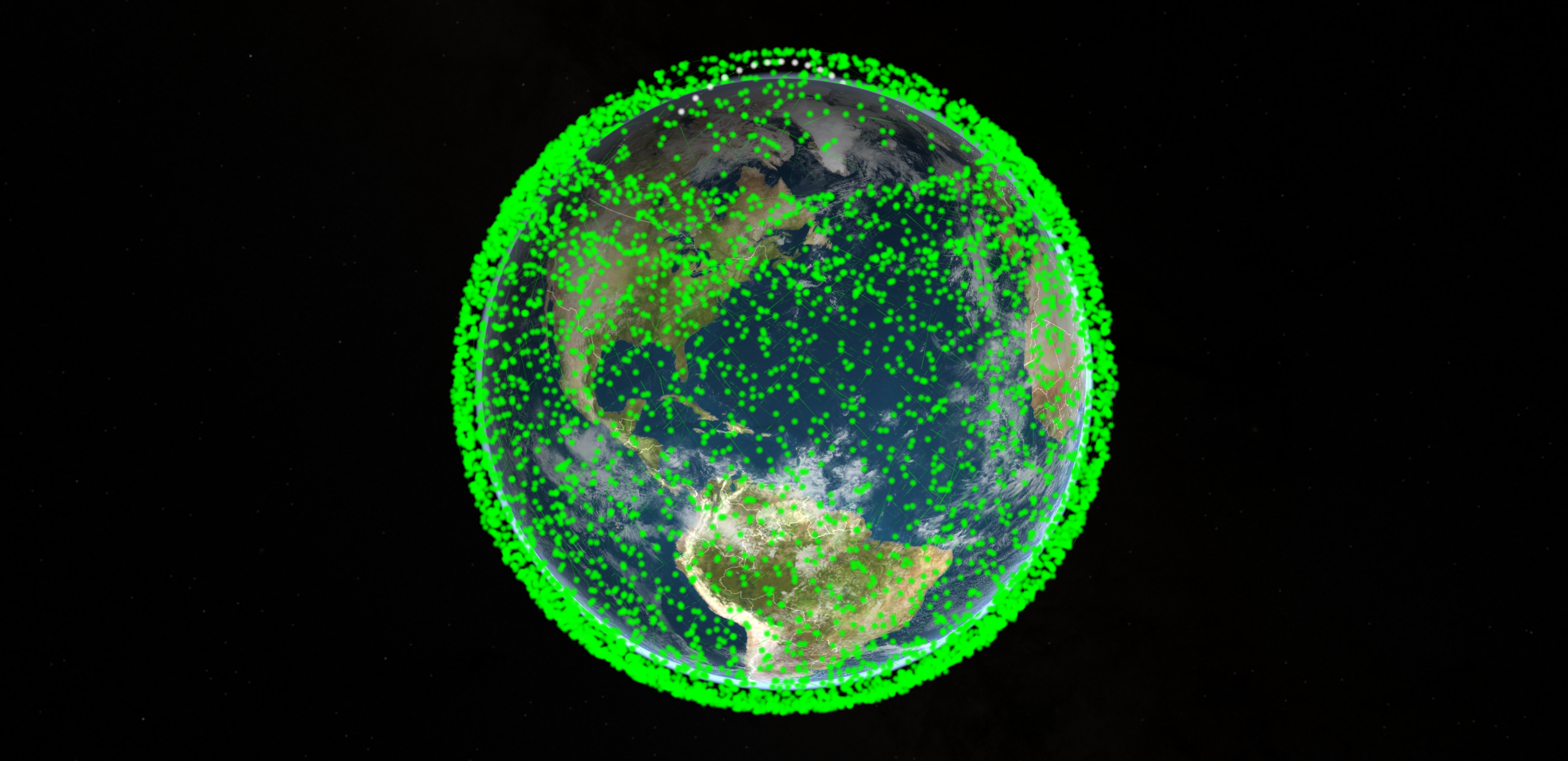
STARLINK-34343 broke apart at 560 kilometers. SpaceX's response - launch more satellites the next morning - tells you everything about the confidence gap between fleet statistics and individual failure modes.
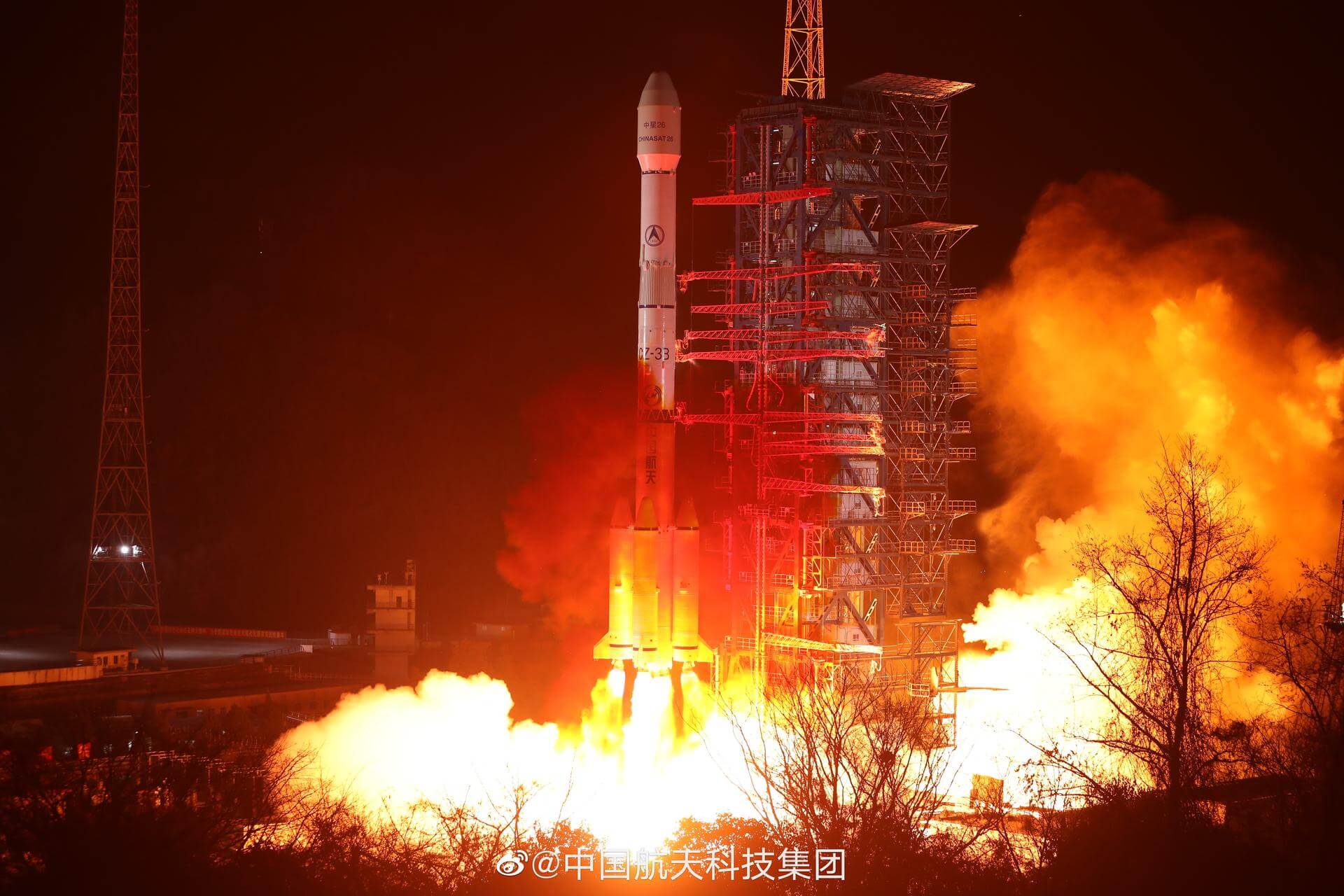
Focusing on military satellite initiatives, defense strategies, and advancements in air and cyber capabilities